






















Artificial Intelligence (AI) is increasingly transforming industries by enhancing efficiency, enabling predictive capabilities, and creating entirely new modes of operation. Among the sectors experiencing rapid AI adoption, healthcare, manufacturing, and autonomous driving stand out due to their technological intensity, societal impact, and potential for innovation-driven growth. This article provides a detailed examination of AI penetration in these domains, exploring technological advancements, industry applications, benefits, challenges, and future directions from a professional and strategic perspective.
1. Introduction: The Accelerating AI Wave
The global AI ecosystem is expanding at an unprecedented pace. Advances in machine learning, deep learning, computer vision, natural language processing (NLP), and edge computing have allowed AI systems to transition from experimental prototypes to mission-critical deployments.
Key drivers of AI penetration across industries include:
- Computational Advancements: Faster GPUs, TPUs, and specialized AI accelerators enable complex model training and real-time inference.
- Big Data Availability: High-volume datasets from IoT sensors, electronic records, and vehicle telemetry fuel predictive analytics.
- Algorithmic Innovations: Self-supervised learning, reinforcement learning, and multimodal AI improve performance and flexibility.
- Enterprise and Government Investment: Public and private sector investments accelerate adoption in high-impact domains.
Healthcare, manufacturing, and autonomous driving represent domains where AI is not only improving operational efficiency but also fundamentally redefining human-machine collaboration, product design, and decision-making.
2. AI Penetration in Healthcare
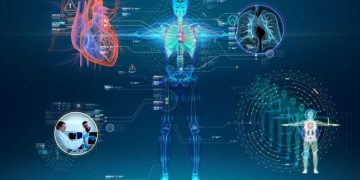
Healthcare is a highly regulated and data-intensive industry, where AI adoption is driven by the need to improve patient outcomes, reduce operational costs, and enhance diagnostic accuracy.
2.1 AI for Diagnostics
- Medical Imaging Analysis: AI models detect anomalies in X-rays, MRIs, CT scans, and ultrasound images with accuracy comparable to human experts.
- Pathology and Genomics: Machine learning algorithms analyze genomic data to identify disease markers, predict treatment outcomes, and support personalized medicine.
- Early Detection: AI systems can detect subtle patterns in patient data to identify diseases such as cancer, cardiovascular disorders, and neurodegenerative conditions.
- Expert Insight: AI reduces diagnostic errors, enables faster interventions, and supports precision medicine initiatives.
2.2 AI for Operational Efficiency
- Hospital Workflow Optimization: AI schedules staff, allocates operating rooms, and predicts patient admission rates.
- Supply Chain Management: Predictive analytics streamline inventory management of medications, equipment, and consumables.
- Patient Flow Prediction: AI models optimize hospital bed occupancy and emergency department throughput.
2.3 AI in Drug Discovery and Treatment
- Drug Candidate Identification: AI accelerates the identification of potential drug molecules by analyzing chemical and biological data.
- Clinical Trials Optimization: Machine learning predicts patient response and selects suitable cohorts, reducing trial duration and costs.
- Treatment Personalization: AI algorithms recommend customized therapies based on patient genetics, lifestyle, and medical history.
2.4 Challenges in Healthcare AI
- Data Privacy and Security: Compliance with HIPAA, GDPR, and other regulations is critical.
- Model Interpretability: Clinicians require explainable AI systems to trust automated decisions.
- Integration with Legacy Systems: Many hospitals operate on outdated electronic health record (EHR) platforms, complicating deployment.
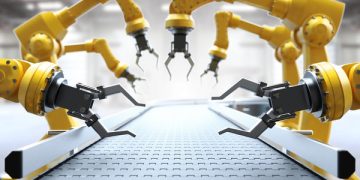
3. AI Penetration in Manufacturing
Manufacturing has been revolutionized by AI, transforming production lines, supply chains, and predictive maintenance practices.
3.1 Smart Factories and Industrial Automation
- Robotics Integration: AI-powered robots collaborate with humans on complex assembly tasks, improving productivity and reducing errors.
- Predictive Maintenance: Machine learning models analyze sensor data to predict equipment failures and schedule maintenance proactively.
- Quality Control: Computer vision systems detect product defects in real-time, reducing waste and ensuring compliance.
3.2 Supply Chain Optimization
- Demand Forecasting: AI predicts demand fluctuations based on historical data, market trends, and external factors.
- Inventory Management: Optimized stocking reduces overproduction and underutilization, increasing operational efficiency.
- Logistics and Route Planning: AI algorithms optimize transportation networks, reduce delivery times, and minimize costs.
3.3 Energy Efficiency and Sustainability
- AI systems optimize energy usage across factories, reducing carbon footprint and operational costs.
- Smart sensors enable real-time monitoring of emissions, energy consumption, and environmental compliance.
3.4 Challenges in Manufacturing AI
- Integration Complexity: Legacy systems, heterogeneous devices, and industrial protocols complicate AI deployment.
- High Initial Investment: Smart sensors, robotics, and cloud infrastructure require substantial capital expenditure.
- Skill Gaps: AI-driven manufacturing demands data scientists, engineers, and operators skilled in AI-human collaboration.

4. AI Penetration in Autonomous Driving
Autonomous driving represents one of the most technologically ambitious applications of AI, combining computer vision, sensor fusion, deep learning, and real-time decision-making.
4.1 Perception Systems
- Computer Vision: AI detects vehicles, pedestrians, traffic signs, and road conditions.
- Sensor Fusion: Data from LiDAR, radar, and cameras are integrated to create high-fidelity environmental models.
- Expert Insight: Accurate perception under varying weather, lighting, and traffic conditions is critical for safe deployment.
4.2 Decision-Making and Control
- Path Planning: AI algorithms optimize vehicle trajectories for safety, efficiency, and comfort.
- Behavior Prediction: Predictive models anticipate actions of other road users to minimize risk.
- Adaptive Driving: Reinforcement learning and real-time feedback loops allow vehicles to learn optimal behaviors over time.
4.3 Fleet Management and Logistics
- AI optimizes route planning, reduces fuel consumption, and predicts maintenance needs for commercial fleets.
- Autonomous delivery vehicles and trucks increase efficiency while reducing labor dependency.
4.4 Challenges in Autonomous Driving AI
- Regulatory Compliance: Autonomous vehicles must meet stringent safety standards and liability frameworks.
- Edge Computing Limitations: Real-time decision-making requires low-latency processing in constrained hardware environments.
- Public Trust and Adoption: User confidence is critical, as safety concerns influence market adoption.
5. Cross-Industry AI Trends
While healthcare, manufacturing, and autonomous driving have unique characteristics, several cross-industry AI trends are accelerating penetration:
5.1 Multimodal AI
- Combining visual, auditory, textual, and sensor data improves decision-making across domains.
- Example: In autonomous driving, multimodal fusion enhances perception accuracy; in healthcare, imaging and patient history integration improves diagnostics.
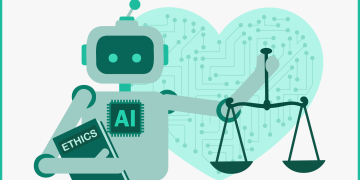
5.2 Explainable and Responsible AI
- Growing emphasis on interpretability, fairness, and accountability.
- Critical for industries with regulatory oversight and ethical implications.
5.3 Edge AI and Real-Time Processing
- On-device inference reduces latency and dependency on cloud connectivity.
- Applications: autonomous vehicles, industrial robotics, and real-time medical diagnostics.
5.4 AI-Driven Simulation and Digital Twins
- Virtual models of factories, vehicles, or patient anatomy allow experimentation without real-world risk.
- Facilitates predictive maintenance, scenario planning, and personalized treatment.
6. Case Studies
6.1 Healthcare: IBM Watson Health
- AI-assisted oncology decision support, medical imaging analysis, and drug discovery.
- Outcome: Accelerated diagnostic workflows, although challenges remain in EHR integration and clinician adoption.
6.2 Manufacturing: Siemens Digital Industries
- Smart factory solutions leveraging AI for predictive maintenance, robotics, and supply chain optimization.
- Outcome: Improved operational efficiency, reduced downtime, and lower energy consumption.
6.3 Autonomous Driving: Waymo
- AI-powered autonomous fleet with advanced perception, path planning, and reinforcement learning.
- Outcome: High safety and operational reliability, paving the way for commercial deployment in ride-hailing and logistics.
7. Benefits of Accelerated AI Penetration
- Operational Efficiency: Automation reduces labor costs and increases throughput.
- Predictive Capabilities: AI anticipates failures, demand fluctuations, and patient needs.
- Enhanced Safety and Accuracy: Reduced errors in high-stakes environments.
- Innovation Enablement: Facilitates new services, products, and business models.
- Scalability: AI systems can manage large datasets and complex operations effectively.
8. Challenges and Considerations
- Data Quality and Availability: High-quality datasets are essential for training robust models.
- Ethical and Legal Implications: AI decisions in healthcare and autonomous driving have life-critical consequences.
- Workforce Adaptation: Upskilling employees and operators is required for effective adoption.
- Cost and Resource Constraints: Initial AI infrastructure and integration costs can be high.
9. Recommendations for Industry Stakeholders
- Invest in Data Infrastructure: Ensure secure, high-quality data collection and management.
- Adopt a Phased Implementation: Pilot AI systems before full-scale deployment.
- Focus on Explainability and Trust: Critical for adoption in healthcare and autonomous systems.
- Foster Cross-Functional Collaboration: Engineers, clinicians, operators, and regulators must collaborate.
- Monitor and Update AI Models: Continuous learning and model retraining improve performance and reliability.
10. Future Outlook
Experts predict continued acceleration of AI adoption across these industries:
- Healthcare: AI will increasingly support preventive care, telemedicine, and precision medicine.
- Manufacturing: Fully autonomous factories with self-optimizing supply chains will become mainstream.
- Autonomous Driving: Integration of AI fleets into public transport, logistics, and mobility services is expected within the next decade.
- Cross-Industry AI Convergence: Multimodal AI, edge computing, and digital twins will enhance performance and enable innovations across sectors.
AI penetration is poised to not only optimize existing processes but also create entirely new paradigms of work, service delivery, and human-machine interaction. The industries that embrace AI strategically, ethically, and efficiently will lead the next wave of innovation.
11. Conclusion
The accelerating penetration of AI in healthcare, manufacturing, and autonomous driving illustrates the transformative potential of intelligent systems. AI enables predictive, adaptive, and optimized operations while unlocking new opportunities for innovation, safety, and efficiency.
While challenges such as data privacy, regulatory compliance, workforce readiness, and system integration persist, strategic adoption of AI across these domains can result in measurable improvements in performance, cost efficiency, and user outcomes. As AI continues to mature, cross-industry collaboration, multimodal integration, and responsible deployment will be critical to realizing its full potential.
In essence, the convergence of technological capability, industrial demand, and societal necessity ensures that AI will play an increasingly central role in shaping the future of healthcare, manufacturing, and autonomous driving.