






















AIInsiderUpdates
  • Home
  • AI News
    Global AI Competition: Dominance in the AI Chip Sector, with NVIDIA Maintaining Its Leading Position

    Global AI Competition: Dominance in the AI Chip Sector, with NVIDIA Maintaining Its Leading Position

    AI Is No Longer Confined to Text Generation: Toward Integrated Capabilities in Vision, Perception, and Embodied Robotics

    AI Is No Longer Confined to Text Generation: Toward Integrated Capabilities in Vision, Perception, and Embodied Robotics

    AI Technology and Its Integration with Traditional Industries as a Key to Enhancing Enterprise Competitiveness

    AI Technology and Its Integration with Traditional Industries as a Key to Enhancing Enterprise Competitiveness

    AI Has Entered the ‘Breaking Wall’ Stage: From Laboratory Development to Large-Scale Industrial Applications

    AI Has Entered the ‘Breaking Wall’ Stage: From Laboratory Development to Large-Scale Industrial Applications

    AI and the Intensifying Competition in the Semiconductor Industry

    AI and the Intensifying Competition in the Semiconductor Industry

    New AI Chips and Heterogeneous Architectures Driving the Computational Power Revolution

    New AI Chips and Heterogeneous Architectures Driving the Computational Power Revolution

  • Technology Trends
    Natural Language Processing: One of the Core Pillars of AI

    Natural Language Processing: One of the Core Pillars of AI

    Deep Learning Simulates Human Brain Signal Processing Pathways Through the Construction of Multi-Layer Neural Networks

    Deep Learning Simulates Human Brain Signal Processing Pathways Through the Construction of Multi-Layer Neural Networks

    Autonomous Driving and Robotics: Continuous Advancements in Perception and Intelligent Decision-Making Capabilities

    Autonomous Driving and Robotics: Continuous Advancements in Perception and Intelligent Decision-Making Capabilities

    AI in Assisting Pathological Image Recognition, Disease Diagnosis, and Personalized Treatment Plans

    AI in Assisting Pathological Image Recognition, Disease Diagnosis, and Personalized Treatment Plans

    NLP Technologies: From Understanding to Generation

    NLP Technologies: From Understanding to Generation

    Self-Supervised Learning, Federated Learning, and Other Emerging Training Methods: Reducing the Dependence on Labeled Data and Improving Model Generalization

    Self-Supervised Learning, Federated Learning, and Other Emerging Training Methods: Reducing the Dependence on Labeled Data and Improving Model Generalization

  • Interviews & Opinions
    Experts Predict That Future AI Data Labeling and Training Will Rely More on Domain Expert Skills Rather Than Fully Synthetic Data

    Experts Predict That Future AI Data Labeling and Training Will Rely More on Domain Expert Skills Rather Than Fully Synthetic Data

    Public Attention on the Immediate Impact of Artificial Intelligence on Employment and Privacy

    Public Attention on the Immediate Impact of Artificial Intelligence on Employment and Privacy

    The Role of AI in Think Tanks and Strategic Research

    The Role of AI in Think Tanks and Strategic Research

    AI Security and Responsible Development: Perspectives and Insights

    AI Security and Responsible Development: Perspectives and Insights

    AI’s Impact on Industry and Employment

    AI’s Impact on Industry and Employment

    Multimodal and the Next-Generation AI Models Breakthroughs

    Multimodal and the Next-Generation AI Models Breakthroughs

  • Case Studies
    BMW Leverages AI + Digital Twin Technology to Simulate Production Processes and Train Models for Defect Detection

    BMW Leverages AI + Digital Twin Technology to Simulate Production Processes and Train Models for Defect Detection

    Traditional Industries Such as Retail and Manufacturing Apply Artificial Intelligence to Predictive Maintenance and Demand Forecasting

    Traditional Industries Such as Retail and Manufacturing Apply Artificial Intelligence to Predictive Maintenance and Demand Forecasting

    Financial Industry: Risk Control and Intelligent Customer Service

    Financial Industry: Risk Control and Intelligent Customer Service

    Retail and E-Commerce: Smart Forecasting and Enhancing User Experience

    Retail and E-Commerce: Smart Forecasting and Enhancing User Experience

    Automated Health Management and Process Optimization

    Automated Health Management and Process Optimization

    Medical Imaging and Diagnostic Assistance

    Medical Imaging and Diagnostic Assistance

  • Tools & Resources
    How to Start Learning AI from Scratch: A Roadmap and Time Plan

    How to Start Learning AI from Scratch: A Roadmap and Time Plan

    Anthropic Claude: A Large Language Model Focused on Model Safety and Conversational Control, Emphasizing “Controllable and Trustworthy” AI Capabilities

    Anthropic Claude: A Large Language Model Focused on Model Safety and Conversational Control, Emphasizing “Controllable and Trustworthy” AI Capabilities

    AI Model Repositories and Open-Source Resources: A Comprehensive Guide

    AI Model Repositories and Open-Source Resources: A Comprehensive Guide

    The Proliferation of Generative AI Models and Platforms in the Market

    The Proliferation of Generative AI Models and Platforms in the Market

    AI Learning Resources and Tutorial Recommendations

    AI Learning Resources and Tutorial Recommendations

    Cloud Services and Training/Inference Platforms

    Cloud Services and Training/Inference Platforms

AIInsiderUpdates
  • Home
  • AI News
    Global AI Competition: Dominance in the AI Chip Sector, with NVIDIA Maintaining Its Leading Position

    Global AI Competition: Dominance in the AI Chip Sector, with NVIDIA Maintaining Its Leading Position

    AI Is No Longer Confined to Text Generation: Toward Integrated Capabilities in Vision, Perception, and Embodied Robotics

    AI Is No Longer Confined to Text Generation: Toward Integrated Capabilities in Vision, Perception, and Embodied Robotics

    AI Technology and Its Integration with Traditional Industries as a Key to Enhancing Enterprise Competitiveness

    AI Technology and Its Integration with Traditional Industries as a Key to Enhancing Enterprise Competitiveness

    AI Has Entered the ‘Breaking Wall’ Stage: From Laboratory Development to Large-Scale Industrial Applications

    AI Has Entered the ‘Breaking Wall’ Stage: From Laboratory Development to Large-Scale Industrial Applications

    AI and the Intensifying Competition in the Semiconductor Industry

    AI and the Intensifying Competition in the Semiconductor Industry

    New AI Chips and Heterogeneous Architectures Driving the Computational Power Revolution

    New AI Chips and Heterogeneous Architectures Driving the Computational Power Revolution

  • Technology Trends
    Natural Language Processing: One of the Core Pillars of AI

    Natural Language Processing: One of the Core Pillars of AI

    Deep Learning Simulates Human Brain Signal Processing Pathways Through the Construction of Multi-Layer Neural Networks

    Deep Learning Simulates Human Brain Signal Processing Pathways Through the Construction of Multi-Layer Neural Networks

    Autonomous Driving and Robotics: Continuous Advancements in Perception and Intelligent Decision-Making Capabilities

    Autonomous Driving and Robotics: Continuous Advancements in Perception and Intelligent Decision-Making Capabilities

    AI in Assisting Pathological Image Recognition, Disease Diagnosis, and Personalized Treatment Plans

    AI in Assisting Pathological Image Recognition, Disease Diagnosis, and Personalized Treatment Plans

    NLP Technologies: From Understanding to Generation

    NLP Technologies: From Understanding to Generation

    Self-Supervised Learning, Federated Learning, and Other Emerging Training Methods: Reducing the Dependence on Labeled Data and Improving Model Generalization

    Self-Supervised Learning, Federated Learning, and Other Emerging Training Methods: Reducing the Dependence on Labeled Data and Improving Model Generalization

  • Interviews & Opinions
    Experts Predict That Future AI Data Labeling and Training Will Rely More on Domain Expert Skills Rather Than Fully Synthetic Data

    Experts Predict That Future AI Data Labeling and Training Will Rely More on Domain Expert Skills Rather Than Fully Synthetic Data

    Public Attention on the Immediate Impact of Artificial Intelligence on Employment and Privacy

    Public Attention on the Immediate Impact of Artificial Intelligence on Employment and Privacy

    The Role of AI in Think Tanks and Strategic Research

    The Role of AI in Think Tanks and Strategic Research

    AI Security and Responsible Development: Perspectives and Insights

    AI Security and Responsible Development: Perspectives and Insights

    AI’s Impact on Industry and Employment

    AI’s Impact on Industry and Employment

    Multimodal and the Next-Generation AI Models Breakthroughs

    Multimodal and the Next-Generation AI Models Breakthroughs

  • Case Studies
    BMW Leverages AI + Digital Twin Technology to Simulate Production Processes and Train Models for Defect Detection

    BMW Leverages AI + Digital Twin Technology to Simulate Production Processes and Train Models for Defect Detection

    Traditional Industries Such as Retail and Manufacturing Apply Artificial Intelligence to Predictive Maintenance and Demand Forecasting

    Traditional Industries Such as Retail and Manufacturing Apply Artificial Intelligence to Predictive Maintenance and Demand Forecasting

    Financial Industry: Risk Control and Intelligent Customer Service

    Financial Industry: Risk Control and Intelligent Customer Service

    Retail and E-Commerce: Smart Forecasting and Enhancing User Experience

    Retail and E-Commerce: Smart Forecasting and Enhancing User Experience

    Automated Health Management and Process Optimization

    Automated Health Management and Process Optimization

    Medical Imaging and Diagnostic Assistance

    Medical Imaging and Diagnostic Assistance

  • Tools & Resources
    How to Start Learning AI from Scratch: A Roadmap and Time Plan

    How to Start Learning AI from Scratch: A Roadmap and Time Plan

    Anthropic Claude: A Large Language Model Focused on Model Safety and Conversational Control, Emphasizing “Controllable and Trustworthy” AI Capabilities

    Anthropic Claude: A Large Language Model Focused on Model Safety and Conversational Control, Emphasizing “Controllable and Trustworthy” AI Capabilities

    AI Model Repositories and Open-Source Resources: A Comprehensive Guide

    AI Model Repositories and Open-Source Resources: A Comprehensive Guide

    The Proliferation of Generative AI Models and Platforms in the Market

    The Proliferation of Generative AI Models and Platforms in the Market

    AI Learning Resources and Tutorial Recommendations

    AI Learning Resources and Tutorial Recommendations

    Cloud Services and Training/Inference Platforms

    Cloud Services and Training/Inference Platforms

AIInsiderUpdates
No Result
View All Result

Medical Imaging and Diagnostic Assistance

January 10, 2026
Medical Imaging and Diagnostic Assistance

Introduction: The Importance of Medical Imaging in Modern Healthcare

Medical imaging has revolutionized healthcare, enabling clinicians to peer inside the human body without resorting to invasive procedures. Over the past few decades, advances in medical imaging technologies have dramatically improved the ability to diagnose and treat a wide range of medical conditions. These technologies include X-rays, CT scans, MRI, ultrasound, and nuclear medicine. They provide crucial information about the structure and function of organs and tissues, allowing for more accurate diagnoses, better treatment planning, and improved patient outcomes.

As the healthcare landscape evolves, artificial intelligence (AI) and machine learning (ML) are playing an increasingly prominent role in medical imaging. AI algorithms can now assist radiologists in interpreting images, automating tasks, and even identifying patterns that may not be immediately visible to the human eye. These advancements promise not only to enhance the accuracy of diagnoses but also to reduce the workload on medical professionals, enabling them to focus on patient care and complex cases.

In this article, we will explore the current state of medical imaging and its diagnostic applications, discuss emerging AI-powered diagnostic tools, and examine the challenges and future prospects of this technology.


1. The Evolution of Medical Imaging Technologies

1.1 Early Developments in Medical Imaging

The history of medical imaging began in 1895 when Wilhelm Roentgen discovered X-rays. This discovery enabled doctors to view the bones and internal structures of the body for the first time, transforming the diagnosis of fractures and other skeletal issues. The first X-ray machines were rudimentary, but over time, the technology evolved, leading to the creation of more sophisticated imaging modalities.

1.2 Advancements in Imaging Modalities

Since the introduction of X-rays, several other imaging techniques have been developed, each with its own advantages and specific applications in diagnosis:

  • Computed Tomography (CT): CT scans combine X-rays with computer processing to create detailed cross-sectional images of the body. This imaging technique is particularly useful for identifying tumors, internal injuries, and vascular abnormalities.
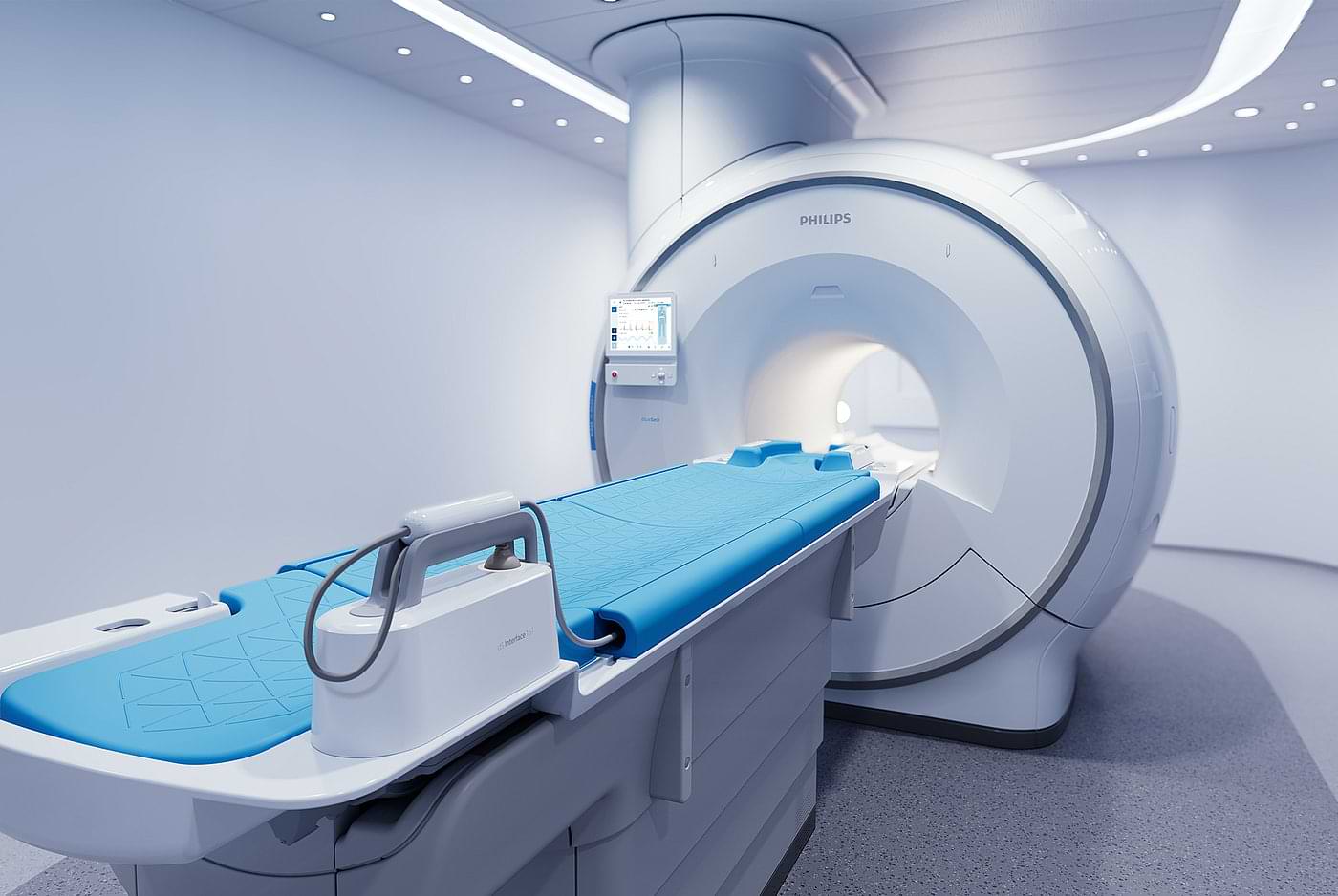
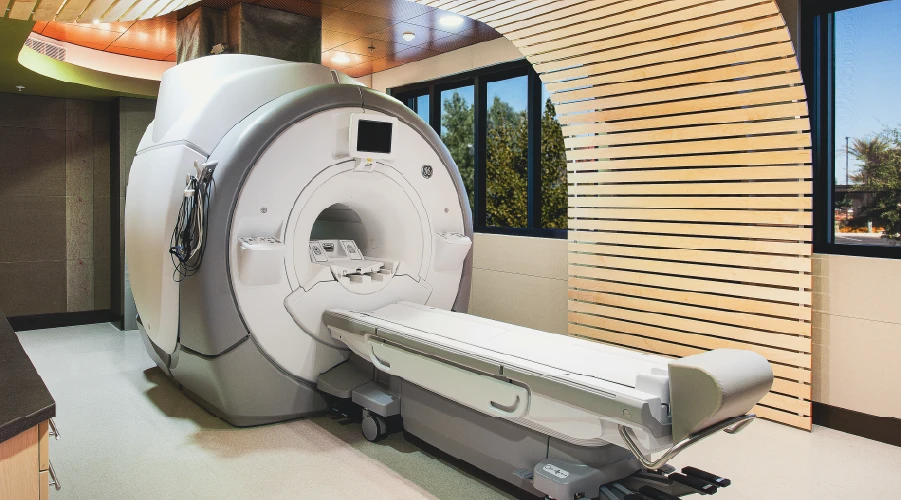
  • Magnetic Resonance Imaging (MRI): MRI uses strong magnetic fields and radio waves to generate detailed images of soft tissues, making it ideal for imaging the brain, spinal cord, muscles, and joints. Unlike X-rays, MRI does not use ionizing radiation, making it a safer option for certain patient populations.
  • Ultrasound: Ultrasound imaging uses high-frequency sound waves to produce images of the internal organs, muscles, and tendons. It is commonly used in obstetrics (e.g., monitoring pregnancies), cardiology (e.g., assessing heart function), and emergency medicine (e.g., evaluating trauma injuries).
  • Positron Emission Tomography (PET): PET scans use radioactive tracers to create images that show how organs and tissues are functioning. This modality is frequently used in oncology to detect cancer and monitor treatment responses.
  • Single Photon Emission Computed Tomography (SPECT): SPECT, similar to PET, uses radioactive tracers to evaluate the function of organs and tissues. It is commonly used for cardiac imaging, neurological evaluations, and cancer diagnostics.

These imaging techniques have dramatically increased the speed and accuracy of medical diagnoses, contributing to early detection and timely intervention for a wide range of diseases and conditions.


2. The Role of AI in Medical Imaging

2.1 AI’s Growing Influence in Healthcare

Artificial intelligence is transforming the healthcare industry, and medical imaging is no exception. Machine learning (ML) algorithms, particularly deep learning (DL), are now being used to assist in image analysis, offering significant advantages over traditional manual methods. By training algorithms on large datasets of medical images, AI models can learn to identify patterns, detect abnormalities, and make predictions that help radiologists arrive at more accurate diagnoses.

2.2 AI-Assisted Image Interpretation

One of the most significant applications of AI in medical imaging is automated image interpretation. AI-powered tools can help radiologists interpret images more accurately and efficiently by detecting potential issues in medical scans that might otherwise go unnoticed. Some specific examples include:

  • Tumor Detection: AI algorithms are trained to identify potential tumors, lesions, or nodules in CT, MRI, and X-ray images, significantly improving early detection rates for cancers such as breast, lung, and brain cancer.
  • Fracture Identification: AI models can analyze X-ray images to quickly detect fractures, even in complex or challenging areas of the body. This feature is particularly useful in emergency departments where radiologists may be overwhelmed by a large volume of images.
  • Cardiovascular Disease Detection: AI tools are being employed to analyze echocardiograms, CT angiograms, and other cardiac images to identify conditions like coronary artery disease or heart valve abnormalities.
  • Pulmonary Disease Diagnosis: AI models can assess chest X-rays and CT scans for signs of pneumonia, pulmonary embolism, chronic obstructive pulmonary disease (COPD), and even the effects of COVID-19 on the lungs.

2.3 AI in Image Reconstruction and Enhancement

In addition to aiding diagnosis, AI is also improving the quality of medical images through reconstruction and enhancement techniques. For example, AI algorithms can be used to reduce noise and improve image resolution, resulting in clearer and more detailed images. This enhancement improves the accuracy of diagnoses and minimizes the need for additional imaging procedures.

AI can also play a key role in image segmentation, where the algorithm isolates specific structures or regions of interest, such as tumors, blood vessels, or organs, from the rest of the image. This is particularly important in treatment planning, as it allows for precise targeting during procedures like radiation therapy.

2.4 Real-Time Diagnostics

AI-driven systems are also making it possible to perform real-time diagnostics. For instance, AI can process images immediately after they are taken, providing clinicians with quick feedback on potential issues. This is particularly useful in emergency settings, where time is critical, and in telemedicine, where remote diagnosis is increasingly common.


3. AI in Diagnostic Assistance: Improving Efficiency and Accuracy

3.1 Automating Routine Tasks

AI’s ability to automate routine tasks in medical imaging not only saves time but also reduces the cognitive load on radiologists and other healthcare professionals. Tasks such as image preprocessing, triaging, and prioritization can be automated, allowing clinicians to focus on more complex cases that require human expertise. AI systems can flag high-priority cases, such as potential cancer diagnoses, and alert doctors for immediate attention.

3.2 Predictive Analytics and Early Detection

One of the most exciting aspects of AI-assisted medical imaging is the ability to perform predictive analytics. By analyzing large volumes of medical images along with patient data (e.g., genetics, medical history, lifestyle factors), AI can help predict disease outcomes and treatment responses. This can lead to earlier interventions, better prognostic predictions, and the ability to tailor treatments to individual patients.

For example, in the case of breast cancer, AI models can predict the likelihood of metastasis based on the appearance of mammograms and biopsy results. Similarly, AI can help predict the progression of neurodegenerative diseases like Alzheimer’s disease by analyzing MRI scans of the brain.

3.3 Enhancing Collaboration and Decision-Making

AI also facilitates collaboration among healthcare providers. With the integration of AI tools, clinicians can quickly share and discuss imaging results across different departments, improving communication and decision-making. For instance, radiologists, oncologists, and surgeons can collaborate more efficiently in developing treatment plans based on AI-assisted imaging results.

4. Challenges and Limitations

4.1 Data Quality and Diversity

The effectiveness of AI in medical imaging relies heavily on the quality and diversity of the training data. AI models must be trained on large, high-quality datasets that represent a wide range of patient demographics, medical conditions, and imaging techniques. Without diverse data, AI models risk overfitting or producing biased results that are not generalizable to all patient populations.

4.2 Regulatory and Ethical Concerns

The adoption of AI in medical imaging is subject to regulatory oversight to ensure patient safety. Regulatory bodies such as the FDA (U.S. Food and Drug Administration) must evaluate and approve AI systems before they can be used in clinical practice. Furthermore, the ethical implications of AI in healthcare, including data privacy, informed consent, and algorithmic fairness, must be carefully considered.

4.3 Integration into Clinical Workflow

Although AI offers significant potential, integrating these technologies into the existing clinical workflow can be challenging. Resistance to change, training requirements, and the need for robust cybersecurity measures are all factors that need to be addressed to ensure the smooth integration of AI tools into hospitals and clinics.


5. The Future of Medical Imaging and Diagnostic Assistance

As AI continues to evolve, the future of medical imaging and diagnostic assistance looks promising. The integration of AI into medical imaging systems is expected to enhance diagnostic accuracy, reduce clinician workload, and improve patient outcomes. With the continued development of AI algorithms and imaging technologies, we can expect even greater precision in diagnosis, faster response times, and a more personalized approach to patient care.

Key developments on the horizon include:

  • Improved AI Algorithms: The next generation of AI models will be able to analyze more complex and varied data, further improving diagnostic capabilities.
  • Personalized Imaging: AI will allow for more personalized imaging protocols tailored to an individual’s specific health profile, improving the effectiveness of diagnostic imaging.
  • Integration with Other Technologies: AI-driven diagnostic tools will be increasingly integrated with other medical technologies, such as robotic surgery, electronic health records (EHR), and telemedicine, offering a comprehensive solution for patient care.

Conclusion

Medical imaging has been a cornerstone of modern healthcare, and the integration of artificial intelligence has taken its capabilities to unprecedented levels. By automating interpretation, enhancing image quality, and providing predictive analytics, AI is poised to revolutionize diagnostic practices across the globe. While there are challenges to overcome, the future of AI in medical imaging is bright, with the promise of more accurate, efficient, and personalized healthcare for patients worldwide.

As these technologies continue to advance, medical professionals and AI developers must work together to ensure that the benefits of AI are realized in a way that prioritizes patient safety, privacy, and care quality. The collaboration between human expertise and AI is set to define the next era of diagnostic medicine, leading to better outcomes and enhanced healthcare delivery.


Tags: Case StudiesDiagnostic AssistanceMedical Imaging
ShareTweetShare

Related Posts

BMW Leverages AI + Digital Twin Technology to Simulate Production Processes and Train Models for Defect Detection
Case Studies

BMW Leverages AI + Digital Twin Technology to Simulate Production Processes and Train Models for Defect Detection

January 15, 2026
Traditional Industries Such as Retail and Manufacturing Apply Artificial Intelligence to Predictive Maintenance and Demand Forecasting
Case Studies

Traditional Industries Such as Retail and Manufacturing Apply Artificial Intelligence to Predictive Maintenance and Demand Forecasting

January 14, 2026
Financial Industry: Risk Control and Intelligent Customer Service
Case Studies

Financial Industry: Risk Control and Intelligent Customer Service

January 13, 2026
Retail and E-Commerce: Smart Forecasting and Enhancing User Experience
Case Studies

Retail and E-Commerce: Smart Forecasting and Enhancing User Experience

January 12, 2026
Automated Health Management and Process Optimization
Case Studies

Automated Health Management and Process Optimization

January 11, 2026
Healthcare Industry: Intelligent Diagnostics and Process Acceleration
Case Studies

Healthcare Industry: Intelligent Diagnostics and Process Acceleration

January 9, 2026
Leave Comment
  • Trending
  • Comments
  • Latest
How Artificial Intelligence is Achieving Revolutionary Breakthroughs in the Healthcare Industry: What Success Stories Teach Us

How Artificial Intelligence is Achieving Revolutionary Breakthroughs in the Healthcare Industry: What Success Stories Teach Us

July 26, 2025
AI in the Financial Sector: Which Innovative Strategies Are Driving Digital Transformation?

AI in the Financial Sector: Which Innovative Strategies Are Driving Digital Transformation?

July 26, 2025
From Beginner to Expert: Which AI Platforms Are Best for Beginners? Experts’ Take on Learning Curves and Practical Applications

From Beginner to Expert: Which AI Platforms Are Best for Beginners? Experts’ Take on Learning Curves and Practical Applications

July 23, 2025
How to Find Truly Useful AI Resources Among the Crowd? Experts Share How to Select Efficient and Innovative Tools!

How to Find Truly Useful AI Resources Among the Crowd? Experts Share How to Select Efficient and Innovative Tools!

July 23, 2025
How Artificial Intelligence Enhances Diagnostic Accuracy and Transforms Treatment Methods in Healthcare

How Artificial Intelligence Enhances Diagnostic Accuracy and Transforms Treatment Methods in Healthcare

How AI Enhances Customer Experience and Drives Sales Growth in Retail

How AI Enhances Customer Experience and Drives Sales Growth in Retail

How Artificial Intelligence Enables Precise Risk Assessment and Decision-Making

How Artificial Intelligence Enables Precise Risk Assessment and Decision-Making

How AI is Driving the Revolution in Smart Manufacturing and Production Efficiency

How AI is Driving the Revolution in Smart Manufacturing and Production Efficiency

How to Start Learning AI from Scratch: A Roadmap and Time Plan

How to Start Learning AI from Scratch: A Roadmap and Time Plan

January 15, 2026
BMW Leverages AI + Digital Twin Technology to Simulate Production Processes and Train Models for Defect Detection

BMW Leverages AI + Digital Twin Technology to Simulate Production Processes and Train Models for Defect Detection

January 15, 2026
Experts Predict That Future AI Data Labeling and Training Will Rely More on Domain Expert Skills Rather Than Fully Synthetic Data

Experts Predict That Future AI Data Labeling and Training Will Rely More on Domain Expert Skills Rather Than Fully Synthetic Data

January 15, 2026
Natural Language Processing: One of the Core Pillars of AI

Natural Language Processing: One of the Core Pillars of AI

January 15, 2026
AIInsiderUpdates

Our platform is dedicated to delivering comprehensive coverage of AI developments, featuring news, case studies, expert interviews, and valuable resources for professionals and enthusiasts alike.

© 2025 aiinsiderupdates.com. contacts:[email protected]

No Result
View All Result
  • Home
  • AI News
  • Technology Trends
  • Interviews & Opinions
  • Case Studies
  • Tools & Resources

© 2025 aiinsiderupdates.com. contacts:[email protected]

Welcome Back!

Login to your account below

Forgotten Password?

Retrieve your password

Please enter your username or email address to reset your password.

Log In