
















Introduction
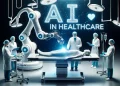
The healthcare industry is undergoing a profound transformation driven by artificial intelligence (AI) and advanced digital technologies. Intelligent diagnostic systems and workflow acceleration tools are redefining how clinicians detect, analyze, and manage patient health. The integration of AI into healthcare not only improves diagnostic accuracy but also optimizes hospital operations, reduces patient wait times, and enhances overall care quality. This article provides a comprehensive exploration of intelligent diagnostics, process automation, current innovations, implementation strategies, challenges, and future trends in the healthcare sector.
1. The Role of AI in Modern Healthcare
1.1 Evolution of Diagnostic Tools
Historically, healthcare diagnostics relied heavily on clinician expertise, standardized testing procedures, and manual interpretation of medical data. While effective, these methods are time-consuming and prone to human error, particularly under high patient volumes. The advent of AI introduced data-driven approaches capable of analyzing complex medical datasets with speed and precision.
Key milestones include:
- Rule-based Expert Systems: Early AI applications in healthcare, such as MYCIN, provided decision support for infectious disease diagnosis based on predefined rules.
- Machine Learning Models: Statistical and machine learning techniques, including support vector machines and decision trees, enabled automated detection of patterns in imaging, laboratory, and genomic data.
- Deep Learning and Neural Networks: Modern convolutional neural networks (CNNs) and transformer-based architectures now excel in medical image recognition, natural language processing (NLP) of clinical notes, and predictive analytics.
1.2 Intelligent Diagnostics Defined
Intelligent diagnostics refers to AI-powered systems that can assist, augment, or, in some cases, autonomously perform medical assessments. These systems leverage multiple data modalities—imaging, lab results, genetic data, and electronic health records (EHRs)—to provide comprehensive insights, improving both accuracy and speed in diagnosis.
2. Applications of Intelligent Diagnostics
2.1 Medical Imaging
Medical imaging represents one of the most prominent areas of AI integration. Algorithms now support radiologists in detecting abnormalities, grading disease severity, and monitoring treatment outcomes.
- Radiology: AI systems analyze X-rays, CT scans, MRIs, and ultrasounds for conditions such as tumors, fractures, and vascular anomalies. Models trained on vast imaging datasets can identify subtle patterns often missed by humans.
- Pathology: Digital pathology, combined with AI, allows for automated cell counting, tissue segmentation, and cancer grading. This reduces manual workload while enhancing reproducibility.
- Ophthalmology: AI-driven retinal scans can detect diabetic retinopathy, macular degeneration, and glaucoma with diagnostic accuracy comparable to specialists.
2.2 Predictive Analytics and Early Detection
AI supports predictive diagnostics by identifying risk factors before clinical symptoms appear. Machine learning models can analyze longitudinal patient data to predict:
- Chronic disease onset (e.g., diabetes, cardiovascular disease)
- Hospital readmissions and emergency visits
- Adverse drug reactions and treatment outcomes
Early detection enables proactive interventions, reducing healthcare costs and improving patient quality of life.
2.3 Personalized Medicine
AI facilitates precision medicine by tailoring diagnostics and treatment plans to individual genetic, lifestyle, and clinical profiles. For example:
- Genomic sequencing combined with AI predicts susceptibility to hereditary conditions.
- Treatment response models guide oncologists in selecting targeted therapies for cancer patients.
- Wearable devices integrated with AI monitor vitals and detect anomalies in real-time, prompting personalized interventions.
3. Process Acceleration Through Automation
3.1 Administrative Workflow Optimization
Administrative tasks, including scheduling, billing, insurance verification, and patient record management, often consume significant healthcare resources. AI-powered process acceleration solutions streamline these functions:
- Automated Scheduling: AI predicts patient flow, optimizes appointment slots, and reduces waiting times.
- Billing and Coding: Natural language processing automates medical coding from clinical notes, minimizing errors and speeding up insurance claims.
- EHR Management: AI-assisted record management ensures accurate data entry, reduces duplication, and facilitates seamless information sharing among departments.
3.2 Clinical Decision Support
Clinical Decision Support Systems (CDSS) integrate AI to provide recommendations during patient care:
- Suggest diagnostic tests based on patient symptoms and historical data
- Recommend treatment plans aligned with best practices and guidelines
- Alert clinicians to potential adverse drug interactions or contraindications
Such systems accelerate clinical decisions while enhancing accuracy and patient safety.
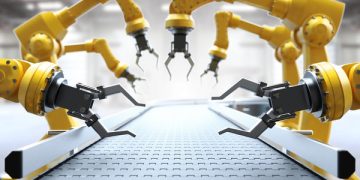
3.3 Robotics and Process Automation
In addition to administrative acceleration, AI-powered robotics optimize procedural efficiency:
- Surgical Robots: Assisted by AI, robotic systems enhance precision in minimally invasive surgeries and reduce recovery times.
- Medication Dispensing Robots: Automated systems prepare and dispense prescriptions with reduced error rates.
- Logistics Automation: AI optimizes inventory management, laboratory sample handling, and supply chain operations within hospitals.
4. Current Innovations and Case Studies
4.1 AI in Diagnostic Imaging
Case Study: Stanford AI Radiology Project
Researchers at Stanford developed an AI algorithm capable of detecting pneumonia in chest X-rays with higher accuracy than practicing radiologists. This success illustrates the potential of AI to serve as a second-opinion system, enhancing diagnostic reliability.
4.2 AI-Enhanced Clinical Workflow
Case Study: Mayo Clinic AI Integration
Mayo Clinic implemented AI-driven workflow optimization tools to predict patient admission volumes, prioritize ICU beds, and streamline lab test ordering. The result was a measurable reduction in waiting times and improved resource allocation.
4.3 Telemedicine and Remote Diagnostics
AI-enabled telemedicine platforms combine patient-reported data, wearable monitoring devices, and real-time analysis to provide remote diagnostic services. These systems accelerate access to healthcare, particularly in rural and underserved areas.
5. Benefits of AI-Driven Healthcare
5.1 Improved Accuracy and Reliability
- AI reduces diagnostic errors caused by human fatigue or oversight.
- Predictive analytics identify high-risk patients earlier, preventing complications.
5.2 Enhanced Efficiency and Cost Reduction
- Streamlined administrative workflows save hospital resources.
- Process automation reduces unnecessary tests, hospital stays, and operational bottlenecks.
5.3 Patient-Centered Care
- Personalized diagnostics and treatment plans enhance patient outcomes.
- Faster diagnostics and streamlined processes improve patient experience and satisfaction.
6. Challenges and Limitations
6.1 Data Privacy and Security
AI systems require access to sensitive patient data, raising concerns about breaches and compliance with regulations like HIPAA and GDPR. Secure data handling, encryption, and anonymization are critical.
6.2 Integration with Legacy Systems
Many hospitals still rely on outdated IT infrastructure, complicating AI integration. Seamless interoperability between new AI tools and existing EHRs is a major technical challenge.
6.3 Bias and Equity in AI
AI models may reflect biases present in training data, leading to unequal care for underrepresented populations. Addressing data diversity and implementing fairness-aware algorithms is essential.
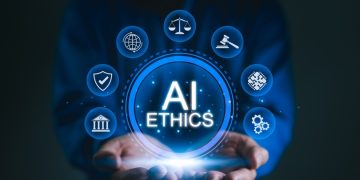
6.4 Regulatory and Ethical Considerations
The deployment of AI in diagnostics and clinical decisions requires regulatory approval. Experts emphasize continuous validation, transparency, and ethical oversight to ensure patient safety.
7. Future Trends
7.1 Explainable AI in Healthcare
Future systems will prioritize explainable AI (XAI) to ensure clinicians understand model recommendations. Transparent decision-making builds trust, facilitates adoption, and supports legal compliance.
7.2 Real-Time Diagnostics and Wearables
Advancements in wearable devices, combined with AI, will enable real-time monitoring of vitals and early disease detection, allowing for immediate interventions.
7.3 Multimodal Diagnostics
Integration of imaging, genomics, lab tests, and clinical notes into a unified AI model will provide holistic patient assessments. Such multimodal diagnostics are expected to revolutionize preventive medicine and chronic disease management.
7.4 Global Accessibility
AI-driven tools have the potential to extend high-quality diagnostics to low-resource regions, bridging healthcare disparities. Cloud-based AI services and mobile diagnostic platforms will play a central role in global health equity.
8. Expert Recommendations for Stakeholders
8.1 For Healthcare Providers
- Invest in AI training for clinicians and administrative staff.
- Collaborate with technology partners to ensure ethical and effective AI deployment.
- Continuously monitor AI system performance and patient outcomes.
8.2 For Policymakers and Regulators
- Establish clear AI guidelines for healthcare applications.
- Support initiatives for equitable access to AI-powered healthcare.
- Ensure compliance with data privacy and cybersecurity standards.
8.3 For Researchers and Developers
- Focus on multimodal AI systems that integrate diverse patient data.
- Develop bias-aware algorithms and validate models across diverse populations.
- Prioritize energy-efficient and scalable AI architectures for hospital environments.
9. Conclusion
Intelligent diagnostics and process acceleration are redefining healthcare delivery. AI-powered diagnostic systems enhance accuracy, reduce human error, and enable early detection of diseases. Workflow acceleration tools optimize hospital operations, streamline administrative processes, and improve patient care efficiency. Together, these innovations contribute to a more responsive, patient-centered, and data-driven healthcare ecosystem.
While challenges such as data privacy, bias, and regulatory hurdles persist, expert consensus indicates that AI will continue to drive transformative change in the healthcare industry. Looking ahead, the convergence of multimodal diagnostics, wearable monitoring, explainable AI, and global accessibility promises a future where healthcare is faster, more accurate, and universally available.
AI is not just a tool for automation—it is a catalyst for a smarter, safer, and more efficient healthcare system capable of meeting the demands of a rapidly evolving world.