














AIInsiderUpdates
  • Home
  • AI News
    Global Regulatory Frameworks for AI: Progressing Towards Security, Ethics, Accountability, and Data Protection

    Global Regulatory Frameworks for AI: Progressing Towards Security, Ethics, Accountability, and Data Protection

    International Collaboration: A Key Driver for AI Technology Standards and Ecosystem Development

    International Collaboration: A Key Driver for AI Technology Standards and Ecosystem Development

    Industry-Leading AI Companies and Cloud Service Providers

    Industry-Leading AI Companies and Cloud Service Providers

    An Increasing Number of Enterprises Integrating AI into Core Strategy

    An Increasing Number of Enterprises Integrating AI into Core Strategy

    Large Model Providers and Enterprises in Speech & NLP Continue Expanding Application Scenarios

    Large Model Providers and Enterprises in Speech & NLP Continue Expanding Application Scenarios

    Breakthrough Advances in AI for Complex Perception and Reasoning Tasks

    Breakthrough Advances in AI for Complex Perception and Reasoning Tasks

  • Technology Trends
    AI Explainability and Ethics: Balancing Transparency, Accountability, and Trust in AI Systems

    AI Explainability and Ethics: Balancing Transparency, Accountability, and Trust in AI Systems

    Multimodal AI: Revolutionizing Data Integration and Understanding

    Multimodal AI: Revolutionizing Data Integration and Understanding

    Smart Manufacturing and Industrial AI

    Smart Manufacturing and Industrial AI

    Multilingual Understanding and Generation, Especially in Non-English Language Contexts: A Global Innovation Frontier

    Multilingual Understanding and Generation, Especially in Non-English Language Contexts: A Global Innovation Frontier

    AI Systems Are No Longer Limited to Single Inputs: The Rise of Multimodal AI

    AI Systems Are No Longer Limited to Single Inputs: The Rise of Multimodal AI

    Optimizing Transformer and Self-Attention Architectures to Enhance Model Expressiveness

    Optimizing Transformer and Self-Attention Architectures to Enhance Model Expressiveness

  • Interviews & Opinions
    Human-Machine Collaboration and Trend Prediction: The Future of Work and Decision-Making

    Human-Machine Collaboration and Trend Prediction: The Future of Work and Decision-Making

    Despite AI Automation Enhancements, Human Contribution Remains Unmatched in Data Creation and Cultural Context Understanding

    Despite AI Automation Enhancements, Human Contribution Remains Unmatched in Data Creation and Cultural Context Understanding

    Investment Bubbles and Risk Management: Diverging Perspectives

    Investment Bubbles and Risk Management: Diverging Perspectives

    CEO Perspectives on AI Data Contribution and the Role of Humans

    CEO Perspectives on AI Data Contribution and the Role of Humans

    Differences Between Academic and Public Perspectives on AI: Bridging the Gap

    Differences Between Academic and Public Perspectives on AI: Bridging the Gap

    AI Technology is No Longer Just a Tool: It Has Become a Core Component of Enterprise Competitiveness

    AI Technology is No Longer Just a Tool: It Has Become a Core Component of Enterprise Competitiveness

  • Case Studies
    Multidimensional Applications of AI in the Digital Transformation of Manufacturing

    Multidimensional Applications of AI in the Digital Transformation of Manufacturing

    AI Customer Service Bots and Smart Advisors: Helping Banks Reduce Human Customer Support Costs While Enhancing Response Efficiency, User Engagement, and Satisfaction

    AI Customer Service Bots and Smart Advisors: Helping Banks Reduce Human Customer Support Costs While Enhancing Response Efficiency, User Engagement, and Satisfaction

    Personalized Recommendation and Inventory Optimization

    Personalized Recommendation and Inventory Optimization

    How Retailers Use AI Models to Predict Sales Trends and Optimize Inventory Levels

    How Retailers Use AI Models to Predict Sales Trends and Optimize Inventory Levels

    AI Not Only Enhances Diagnostic Capabilities but Also Significantly Improves Backend Healthcare Services

    AI Not Only Enhances Diagnostic Capabilities but Also Significantly Improves Backend Healthcare Services

    AI in Manufacturing: Achieving Significant Cost Savings and Efficiency Improvements

    AI in Manufacturing: Achieving Significant Cost Savings and Efficiency Improvements

  • Tools & Resources
    Real-World Testing and Efficiency Evaluation of Emerging Technological Trends

    Real-World Testing and Efficiency Evaluation of Emerging Technological Trends

    Auxiliary AI Toolset: Enhancing Productivity, Innovation, and Problem Solving Across Industries

    Auxiliary AI Toolset: Enhancing Productivity, Innovation, and Problem Solving Across Industries

    Dataset Preprocessing and Labeling Strategies: A Resource Guide

    Dataset Preprocessing and Labeling Strategies: A Resource Guide

    Recommended Open Source Model Trade-Off Strategies

    Recommended Open Source Model Trade-Off Strategies

    Practical Roadmap: End-to-End Experience from Model Training to Deployment

    Practical Roadmap: End-to-End Experience from Model Training to Deployment

    Scalability and Performance Optimization: Insights and Best Practices

    Scalability and Performance Optimization: Insights and Best Practices

AIInsiderUpdates
  • Home
  • AI News
    Global Regulatory Frameworks for AI: Progressing Towards Security, Ethics, Accountability, and Data Protection

    Global Regulatory Frameworks for AI: Progressing Towards Security, Ethics, Accountability, and Data Protection

    International Collaboration: A Key Driver for AI Technology Standards and Ecosystem Development

    International Collaboration: A Key Driver for AI Technology Standards and Ecosystem Development

    Industry-Leading AI Companies and Cloud Service Providers

    Industry-Leading AI Companies and Cloud Service Providers

    An Increasing Number of Enterprises Integrating AI into Core Strategy

    An Increasing Number of Enterprises Integrating AI into Core Strategy

    Large Model Providers and Enterprises in Speech & NLP Continue Expanding Application Scenarios

    Large Model Providers and Enterprises in Speech & NLP Continue Expanding Application Scenarios

    Breakthrough Advances in AI for Complex Perception and Reasoning Tasks

    Breakthrough Advances in AI for Complex Perception and Reasoning Tasks

  • Technology Trends
    AI Explainability and Ethics: Balancing Transparency, Accountability, and Trust in AI Systems

    AI Explainability and Ethics: Balancing Transparency, Accountability, and Trust in AI Systems

    Multimodal AI: Revolutionizing Data Integration and Understanding

    Multimodal AI: Revolutionizing Data Integration and Understanding

    Smart Manufacturing and Industrial AI

    Smart Manufacturing and Industrial AI

    Multilingual Understanding and Generation, Especially in Non-English Language Contexts: A Global Innovation Frontier

    Multilingual Understanding and Generation, Especially in Non-English Language Contexts: A Global Innovation Frontier

    AI Systems Are No Longer Limited to Single Inputs: The Rise of Multimodal AI

    AI Systems Are No Longer Limited to Single Inputs: The Rise of Multimodal AI

    Optimizing Transformer and Self-Attention Architectures to Enhance Model Expressiveness

    Optimizing Transformer and Self-Attention Architectures to Enhance Model Expressiveness

  • Interviews & Opinions
    Human-Machine Collaboration and Trend Prediction: The Future of Work and Decision-Making

    Human-Machine Collaboration and Trend Prediction: The Future of Work and Decision-Making

    Despite AI Automation Enhancements, Human Contribution Remains Unmatched in Data Creation and Cultural Context Understanding

    Despite AI Automation Enhancements, Human Contribution Remains Unmatched in Data Creation and Cultural Context Understanding

    Investment Bubbles and Risk Management: Diverging Perspectives

    Investment Bubbles and Risk Management: Diverging Perspectives

    CEO Perspectives on AI Data Contribution and the Role of Humans

    CEO Perspectives on AI Data Contribution and the Role of Humans

    Differences Between Academic and Public Perspectives on AI: Bridging the Gap

    Differences Between Academic and Public Perspectives on AI: Bridging the Gap

    AI Technology is No Longer Just a Tool: It Has Become a Core Component of Enterprise Competitiveness

    AI Technology is No Longer Just a Tool: It Has Become a Core Component of Enterprise Competitiveness

  • Case Studies
    Multidimensional Applications of AI in the Digital Transformation of Manufacturing

    Multidimensional Applications of AI in the Digital Transformation of Manufacturing

    AI Customer Service Bots and Smart Advisors: Helping Banks Reduce Human Customer Support Costs While Enhancing Response Efficiency, User Engagement, and Satisfaction

    AI Customer Service Bots and Smart Advisors: Helping Banks Reduce Human Customer Support Costs While Enhancing Response Efficiency, User Engagement, and Satisfaction

    Personalized Recommendation and Inventory Optimization

    Personalized Recommendation and Inventory Optimization

    How Retailers Use AI Models to Predict Sales Trends and Optimize Inventory Levels

    How Retailers Use AI Models to Predict Sales Trends and Optimize Inventory Levels

    AI Not Only Enhances Diagnostic Capabilities but Also Significantly Improves Backend Healthcare Services

    AI Not Only Enhances Diagnostic Capabilities but Also Significantly Improves Backend Healthcare Services

    AI in Manufacturing: Achieving Significant Cost Savings and Efficiency Improvements

    AI in Manufacturing: Achieving Significant Cost Savings and Efficiency Improvements

  • Tools & Resources
    Real-World Testing and Efficiency Evaluation of Emerging Technological Trends

    Real-World Testing and Efficiency Evaluation of Emerging Technological Trends

    Auxiliary AI Toolset: Enhancing Productivity, Innovation, and Problem Solving Across Industries

    Auxiliary AI Toolset: Enhancing Productivity, Innovation, and Problem Solving Across Industries

    Dataset Preprocessing and Labeling Strategies: A Resource Guide

    Dataset Preprocessing and Labeling Strategies: A Resource Guide

    Recommended Open Source Model Trade-Off Strategies

    Recommended Open Source Model Trade-Off Strategies

    Practical Roadmap: End-to-End Experience from Model Training to Deployment

    Practical Roadmap: End-to-End Experience from Model Training to Deployment

    Scalability and Performance Optimization: Insights and Best Practices

    Scalability and Performance Optimization: Insights and Best Practices

AIInsiderUpdates
No Result
View All Result

AI and the Future of Work: Preparing for the Next Industrial Revolution

February 20, 2025
AI and the Future of Work: Preparing for the Next Industrial Revolution

The rapid advancement of artificial intelligence (AI) is driving profound changes across every sector, and its impact on the job market is one of the most widely discussed and debated aspects of this technological evolution. As AI continues to develop, it is transforming how work is done, reshaping industries, and driving the need for new skills and ways of thinking about employment. This article explores how AI is reshaping job markets, the skills required for future employment, and how individuals and organizations can prepare for the next industrial revolution.

The Changing Landscape of Work: How AI is Reshaping Job Markets

The impact of AI on the future of work is multifaceted. While AI has the potential to automate many routine and repetitive tasks, it also has the power to augment human capabilities and create new opportunities for innovation. The rise of AI is expected to affect nearly every aspect of the workforce, from manual labor to knowledge-based professions. Understanding how AI is reshaping industries and job markets is crucial for predicting future trends and preparing for new career opportunities.

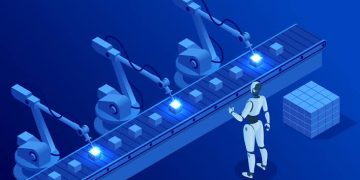
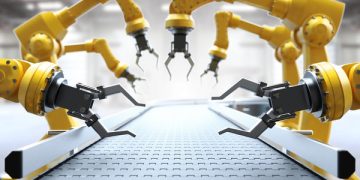
One of the most significant effects of AI on the job market is automation. Routine tasks that were once performed by humans are now increasingly being handled by AI and robotics. For example, jobs in manufacturing, logistics, and administrative support have been heavily impacted by automation. AI systems can perform tasks such as sorting inventory, processing documents, and managing supply chains with greater speed and accuracy than human workers.

However, automation does not necessarily equate to job loss. AI can also create new job roles and industries that were previously unimaginable. While certain types of work may become obsolete, other areas will see a surge in demand for human expertise, particularly in fields like AI development, data science, machine learning, and cybersecurity.

Furthermore, AI is transforming traditional roles by enhancing the capabilities of workers. For example, doctors, lawyers, and financial analysts are increasingly relying on AI tools to assist with decision-making, diagnostics, and analysis. These tools enable professionals to make more informed decisions faster and more accurately, allowing them to focus on higher-level tasks that require human judgment, creativity, and empathy.

Skills for the Future Workforce

As AI continues to shape the job market, it is critical for individuals to acquire new skills to remain competitive and adaptable. In the future, workers will need to develop a combination of technical and soft skills to thrive in an AI-driven world.

1. Technical Skills:

The rise of AI will increase demand for workers with technical expertise, particularly in fields related to computer science, data analysis, and machine learning. Some of the key technical skills that will be in demand include:

  • Programming and Coding: Knowledge of programming languages such as Python, Java, and C++ is essential for developing and maintaining AI systems. Aspiring professionals in fields like software engineering, data science, and machine learning should prioritize learning coding skills to stay ahead in an AI-powered job market.
  • Machine Learning and AI Development: As AI technology continues to evolve, there will be a growing need for professionals who can develop, implement, and optimize AI algorithms. Skills in machine learning, deep learning, neural networks, and natural language processing (NLP) will be crucial for roles in AI development and research.
  • Data Science and Analytics: AI relies heavily on data, and professionals with expertise in data analysis and data science will play a central role in training and improving AI models. Data scientists, analysts, and engineers will be responsible for collecting, organizing, and interpreting the vast amounts of data AI systems require to function.
  • Cybersecurity: As AI becomes more integrated into business operations and daily life, cybersecurity will become increasingly important. AI-powered tools are both a target and a tool for cybercriminals, and professionals with expertise in AI-powered security systems will be needed to protect businesses and individuals from cyber threats.
  • Automation and Robotics: Knowledge of automation technologies and robotics will be essential for professionals working in industries where automation is transforming traditional roles. Engineers and technicians with expertise in robotics, automation systems, and AI-driven manufacturing processes will be in high demand.

2. Soft Skills:

While technical skills are vital, soft skills will remain crucial in the future workforce. As AI takes over repetitive tasks, human workers will need to focus on areas that AI cannot replicate, such as creativity, problem-solving, and interpersonal communication. Some of the key soft skills that will be in demand include:

  • Critical Thinking and Problem-Solving: AI is designed to analyze data and recognize patterns, but human intelligence is necessary to interpret complex scenarios and make decisions in uncertain situations. Workers who can think critically, analyze problems from multiple perspectives, and devise innovative solutions will remain valuable assets in an AI-powered workplace.
  • Emotional Intelligence: AI cannot replicate human emotions, empathy, or social understanding. As workplaces become more collaborative and diverse, individuals with strong emotional intelligence will be needed to navigate interpersonal dynamics, manage teams, and build meaningful relationships with clients and colleagues.
  • Creativity and Innovation: While AI can generate ideas based on patterns, it lacks the human capacity for original thought and creativity. In fields such as marketing, design, and entertainment, individuals who can think creatively and come up with novel ideas will continue to thrive, as AI will primarily be used as a tool to enhance human creativity.
  • Collaboration and Communication: AI can assist with tasks, but it cannot replace the need for effective communication and teamwork. Workers will need to be able to collaborate with both AI tools and human colleagues, sharing ideas, feedback, and solutions in a way that maximizes the potential of both.
  • Adaptability and Lifelong Learning: The rapid pace of technological change means that workers must be adaptable and open to continuous learning. The ability to embrace new technologies and continuously update one’s skills will be crucial for staying relevant in the workforce.

The Role of Education and Training

To prepare the next generation of workers for the AI-driven economy, education systems must adapt to the changing needs of the job market. While traditional education pathways will still play a significant role, new approaches to learning will be necessary to equip individuals with the skills required for future employment.

  • STEM Education: Emphasizing science, technology, engineering, and mathematics (STEM) education is essential for building a workforce capable of meeting the demands of AI and automation. STEM-focused curriculums can foster problem-solving, critical thinking, and technical skills that are vital for working with AI technologies.
  • Upskilling and Reskilling: As many existing workers face the risk of their jobs being automated, upskilling and reskilling programs will be essential for helping individuals transition to new roles. Online courses, certification programs, and boot camps can provide workers with the necessary skills to stay competitive in an AI-driven job market.
  • Collaboration Between Industry and Academia: Strong collaboration between universities, training programs, and industries is necessary to ensure that the skills taught in educational institutions align with real-world job requirements. This partnership can help bridge the gap between academic learning and industry needs.
  • AI Literacy for All: In addition to training technical experts, there is a need to promote AI literacy across the entire workforce. Workers in all industries, even those outside of tech, will need to understand the basics of AI to work effectively with AI-powered tools and systems.

Preparing Organizations for the Future Workforce

Organizations must also adapt to the changing workforce and integrate AI into their operations in a way that enhances both employee productivity and job satisfaction. Businesses that effectively integrate AI will gain a competitive advantage, but they will also face challenges related to workforce management and the adoption of new technologies.

  • Reshaping Job Roles: As AI becomes integrated into various business functions, organizations will need to reassess job roles and responsibilities. Some jobs may become obsolete, while others will evolve. Companies must invest in retraining programs to ensure that employees can transition to new roles and work effectively alongside AI systems.
  • Building a Culture of Innovation: Companies should foster a culture that encourages innovation and adaptability. Workers should feel supported in embracing AI tools and using them to improve efficiency, creativity, and decision-making.
  • Ethical Implementation of AI: Companies must be mindful of the ethical implications of AI in the workplace. AI systems should be implemented in a way that respects privacy, promotes fairness, and mitigates the risk of bias. Businesses should also consider the potential societal impacts of AI and ensure that workers are treated fairly during the transition to an AI-powered workforce.

Conclusion

The next industrial revolution is upon us, driven by the rapid advancement of AI technologies. While AI will undoubtedly disrupt traditional job markets, it also presents immense opportunities for innovation, job creation, and transformation. To prepare for this AI-driven future, individuals must acquire a combination of technical and soft skills, while organizations and educational institutions must work together to build a workforce that is adaptable, innovative, and prepared for the challenges and opportunities of the AI age. By embracing AI as a tool for empowerment rather than displacement, we can ensure that the future of work is one that benefits everyone.

Tags: AI and Future of WorkJob Market TransformationSkills for the Future
ShareTweetShare

Related Posts

Human-Machine Collaboration and Trend Prediction: The Future of Work and Decision-Making
Interviews & Opinions

Human-Machine Collaboration and Trend Prediction: The Future of Work and Decision-Making

January 21, 2026
Global Regulatory Frameworks for AI: Progressing Towards Security, Ethics, Accountability, and Data Protection
AI News

Global Regulatory Frameworks for AI: Progressing Towards Security, Ethics, Accountability, and Data Protection

January 21, 2026
Despite AI Automation Enhancements, Human Contribution Remains Unmatched in Data Creation and Cultural Context Understanding
Interviews & Opinions

Despite AI Automation Enhancements, Human Contribution Remains Unmatched in Data Creation and Cultural Context Understanding

January 20, 2026
International Collaboration: A Key Driver for AI Technology Standards and Ecosystem Development
AI News

International Collaboration: A Key Driver for AI Technology Standards and Ecosystem Development

January 20, 2026
Investment Bubbles and Risk Management: Diverging Perspectives
Interviews & Opinions

Investment Bubbles and Risk Management: Diverging Perspectives

January 19, 2026
Industry-Leading AI Companies and Cloud Service Providers
AI News

Industry-Leading AI Companies and Cloud Service Providers

January 19, 2026
Leave Comment
  • Trending
  • Comments
  • Latest
How Artificial Intelligence is Achieving Revolutionary Breakthroughs in the Healthcare Industry: What Success Stories Teach Us

How Artificial Intelligence is Achieving Revolutionary Breakthroughs in the Healthcare Industry: What Success Stories Teach Us

July 26, 2025
AI in the Financial Sector: Which Innovative Strategies Are Driving Digital Transformation?

AI in the Financial Sector: Which Innovative Strategies Are Driving Digital Transformation?

July 26, 2025
From Beginner to Expert: Which AI Platforms Are Best for Beginners? Experts’ Take on Learning Curves and Practical Applications

From Beginner to Expert: Which AI Platforms Are Best for Beginners? Experts’ Take on Learning Curves and Practical Applications

July 23, 2025
How to Find Truly Useful AI Resources Among the Crowd? Experts Share How to Select Efficient and Innovative Tools!

How to Find Truly Useful AI Resources Among the Crowd? Experts Share How to Select Efficient and Innovative Tools!

July 23, 2025
How Artificial Intelligence Enhances Diagnostic Accuracy and Transforms Treatment Methods in Healthcare

How Artificial Intelligence Enhances Diagnostic Accuracy and Transforms Treatment Methods in Healthcare

How AI Enhances Customer Experience and Drives Sales Growth in Retail

How AI Enhances Customer Experience and Drives Sales Growth in Retail

How Artificial Intelligence Enables Precise Risk Assessment and Decision-Making

How Artificial Intelligence Enables Precise Risk Assessment and Decision-Making

How AI is Driving the Revolution in Smart Manufacturing and Production Efficiency

How AI is Driving the Revolution in Smart Manufacturing and Production Efficiency

Real-World Testing and Efficiency Evaluation of Emerging Technological Trends

Real-World Testing and Efficiency Evaluation of Emerging Technological Trends

January 21, 2026
Multidimensional Applications of AI in the Digital Transformation of Manufacturing

Multidimensional Applications of AI in the Digital Transformation of Manufacturing

January 21, 2026
Human-Machine Collaboration and Trend Prediction: The Future of Work and Decision-Making

Human-Machine Collaboration and Trend Prediction: The Future of Work and Decision-Making

January 21, 2026
AI Explainability and Ethics: Balancing Transparency, Accountability, and Trust in AI Systems

AI Explainability and Ethics: Balancing Transparency, Accountability, and Trust in AI Systems

January 21, 2026
AIInsiderUpdates

Our platform is dedicated to delivering comprehensive coverage of AI developments, featuring news, case studies, expert interviews, and valuable resources for professionals and enthusiasts alike.

© 2025 aiinsiderupdates.com. contacts:[email protected]

No Result
View All Result
  • Home
  • AI News
  • Technology Trends
  • Interviews & Opinions
  • Case Studies
  • Tools & Resources

© 2025 aiinsiderupdates.com. contacts:[email protected]

Welcome Back!

Login to your account below

Forgotten Password?

Retrieve your password

Please enter your username or email address to reset your password.

Log In