




















The healthcare sector has witnessed an extraordinary transformation over the past few decades. Among the most significant advancements is the integration of Artificial Intelligence (AI) into medical applications. AI technologies have begun to permeate various facets of healthcare, and one of the most promising areas is drug therapy. From the discovery of new drugs to personalized treatment regimens, AI is revolutionizing the way we approach medicine. This article explores the multifaceted role of AI in drug therapy, focusing on drug discovery, treatment optimization, patient management, and the future of AI in the pharmaceutical industry.
I. AI in Drug Discovery
One of the most notable applications of AI in drug therapy is its role in drug discovery. Traditional drug discovery is a lengthy, expensive, and often inefficient process, typically taking over a decade to bring a new drug from the laboratory to market. AI, however, has the potential to significantly reduce this timeline and enhance the efficiency of the process.
1. Drug Target Identification
The first critical step in drug discovery is identifying the biological target that a drug will act upon, such as a protein or receptor. AI can analyze large biological datasets, including genomics, proteomics, and transcriptomics, to predict potential drug targets. Machine learning algorithms can mine these datasets for patterns that would be challenging for human researchers to detect. For instance, AI-driven platforms like DeepMind’s AlphaFold have revolutionized protein folding predictions, aiding in the identification of novel drug targets with unprecedented accuracy.
2. Compound Screening and Design
Once a target is identified, researchers must identify chemical compounds that can effectively interact with it. AI-powered tools are now being used to predict which molecules are most likely to have therapeutic effects. Using generative models, AI can design new drug candidates by predicting the 3D structures of molecules that can bind to specific targets. By simulating interactions between proteins and potential drug candidates, AI can identify promising molecules in a fraction of the time it would take through traditional trial-and-error methods.
3. Predicting Drug Toxicity and Side Effects
A major challenge in drug development is predicting the safety of a new drug before it enters clinical trials. AI can predict the toxicity and side effects of drug candidates by analyzing historical data from previous clinical trials and drug interactions. Machine learning models can identify patterns that indicate potential adverse reactions, allowing researchers to discard compounds that may pose safety risks early in the development process.
II. AI in Treatment Optimization
AI is not only helping to develop new drugs but is also playing a pivotal role in optimizing existing treatments. Treatment optimization involves tailoring therapies to individual patients to ensure the most effective and safest outcomes.
1. Personalized Medicine
One of the most promising areas where AI has a significant impact is personalized medicine. AI allows for the integration of vast amounts of patient data—such as genetic information, medical history, and lifestyle factors—to develop customized treatment plans. Machine learning algorithms can analyze this data to predict how a patient will respond to different drugs, enabling healthcare providers to choose the most effective therapy with the least risk of adverse effects. This approach is particularly useful in oncology, where treatment regimens can be highly individualized based on genetic mutations in tumors.
2. Predicting Treatment Response
AI can help predict how patients will respond to specific treatments, especially in conditions like cancer, cardiovascular disease, and chronic conditions such as diabetes. By analyzing data from electronic health records (EHRs) and clinical trials, AI algorithms can identify trends in how different populations respond to treatments. This predictive capability can enable doctors to make more informed decisions about which drugs to prescribe and when, ultimately improving patient outcomes.
3. Adaptive Treatment Strategies
In complex diseases, treatment regimens may need to be adjusted over time based on how the patient is responding. AI can aid in developing adaptive treatment strategies by continually analyzing real-time data from a patient’s condition and adjusting treatment plans accordingly. For instance, in the treatment of chronic conditions like asthma or diabetes, AI-driven platforms can monitor patient health metrics and recommend adjustments to medication doses, minimizing side effects and improving therapeutic outcomes.
III. AI in Patient Management
Patient management involves monitoring patients, ensuring compliance with prescribed treatments, and adjusting therapies as needed. AI technologies are increasingly being used to support clinicians and patients in this area, resulting in improved healthcare delivery and better patient outcomes.
1. Virtual Health Assistants
AI-powered virtual health assistants are becoming increasingly prevalent in helping patients manage their treatments. These virtual assistants can provide reminders for medication, offer advice on lifestyle changes, and even track patient symptoms. With AI algorithms, these virtual assistants can engage in natural language conversations, offering personalized support tailored to the patient’s unique needs. In the case of chronic diseases, AI-powered assistants can help ensure patients adhere to their treatment regimens and provide early warnings if symptoms worsen.
2. Predictive Analytics for Disease Progression
AI’s predictive capabilities can also be used to monitor the progression of diseases over time. By analyzing patient data, AI models can forecast the likely course of a disease and identify potential complications before they become severe. For example, AI systems can analyze data from wearable devices and sensors to track vital signs such as heart rate, blood pressure, and oxygen levels, helping healthcare providers detect early signs of deterioration in a patient’s condition.
3. Remote Monitoring and Telemedicine
Telemedicine has experienced explosive growth in recent years, and AI is helping to further enhance its capabilities. AI-powered tools can analyze patient data remotely and provide real-time feedback, allowing clinicians to monitor patients outside of traditional healthcare settings. AI can assist in diagnosing conditions, providing guidance on treatment modifications, and ensuring that patients are following prescribed therapies. This is particularly important for elderly patients or those with chronic conditions who may have difficulty attending in-person appointments.

IV. Challenges and Ethical Considerations
While the potential of AI in drug therapy is vast, there are several challenges and ethical considerations that must be addressed.
1. Data Privacy and Security
AI systems rely on large datasets, often containing sensitive patient information. Ensuring the privacy and security of this data is a significant concern. As AI becomes more integrated into healthcare, safeguarding patient information from cyber threats and ensuring compliance with regulations such as the Health Insurance Portability and Accountability Act (HIPAA) in the United States is crucial.
2. Bias in AI Algorithms
AI models are only as good as the data they are trained on. If the data used to train AI systems is biased or unrepresentative of diverse populations, the resulting algorithms may produce inaccurate or harmful recommendations. This is a particular concern in drug therapy, as the effectiveness of treatments may vary across different demographic groups. Efforts are underway to mitigate bias in AI by using more inclusive and representative datasets.
3. Regulatory and Legal Challenges
The integration of AI into healthcare, including drug therapy, raises complex regulatory and legal issues. AI-driven drug discovery platforms must comply with rigorous safety and efficacy standards set by regulatory bodies such as the U.S. Food and Drug Administration (FDA). Additionally, the question of liability arises: who is responsible if an AI system makes an incorrect recommendation that leads to patient harm?
V. The Future of AI in Drug Therapy
The future of AI in drug therapy is incredibly promising. As technology continues to evolve, AI’s role in drug discovery, treatment optimization, and patient management will only become more sophisticated. With advancements in machine learning, deep learning, and data analytics, AI has the potential to transform healthcare by enabling more personalized, efficient, and effective treatments.
1. AI and Precision Medicine
The integration of AI with precision medicine will likely lead to even more refined and personalized treatment strategies. AI’s ability to analyze large, complex datasets, such as whole-genome sequencing data, will enable clinicians to tailor treatments based on an individual’s genetic makeup, lifestyle, and environmental factors.
2. Drug Repurposing
AI can also play a significant role in drug repurposing, a process where existing drugs are tested for new therapeutic uses. By analyzing vast databases of existing drugs and diseases, AI can suggest novel indications for drugs that were originally developed for other conditions. This can drastically reduce the time and cost required to bring a new therapy to market.
3. AI-Powered Drug Manufacturing
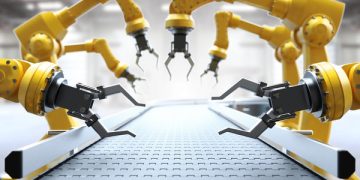
AI’s potential in drug therapy isn’t limited to discovery and treatment. AI-driven systems are also being used in the manufacturing of drugs, improving quality control, optimizing production processes, and ensuring the consistency of drug formulations. The use of AI in drug manufacturing will further streamline the pharmaceutical industry and reduce costs.
Conclusion
The application of AI in drug therapy is transforming the pharmaceutical industry in profound ways. From speeding up drug discovery to optimizing treatment regimens and improving patient management, AI is enhancing the efficiency, accuracy, and safety of drug therapies. However, as with all technological advancements, the ethical and regulatory challenges must be carefully addressed. As AI continues to evolve, its impact on drug therapy will undoubtedly expand, making healthcare more personalized and accessible for patients around the world.