


























Introduction
The world is changing at an unprecedented pace, driven by technological advancements, globalization, and shifting economic landscapes. In this environment, the future of work is evolving, and so must the systems that prepare individuals for their careers. Education transformation and retraining the workforce have become critical for ensuring that people are equipped with the skills necessary to thrive in the new economy.
As automation, artificial intelligence (AI), and digital technologies reshape industries, many traditional jobs are being displaced while new ones are emerging. This shift creates a pressing need for retraining and upskilling programs to help workers adapt. Similarly, educational institutions are being asked to redefine their role in preparing the next generation for an increasingly complex and dynamic workforce.
This article will explore the transformation of education systems, the importance of workforce retraining, the impact of technology on learning and work, and strategies for individuals and organizations to ensure ongoing skills development in the 21st century.
The Need for Education Transformation
1. The Changing Nature of Work
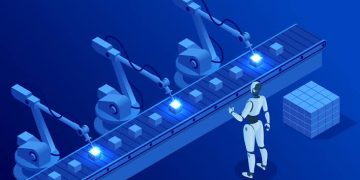
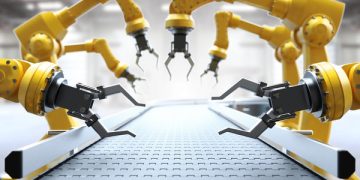
The nature of work is undergoing profound changes. Automation, AI, and robotics are replacing many routine and manual jobs, while at the same time creating new roles in fields such as data science, cybersecurity, and AI development. This shift requires workers to develop new skill sets and knowledge to remain competitive.
In parallel, the gig economy is expanding, with more people working as freelancers, contractors, or entrepreneurs. This flexibility allows workers to pursue a variety of opportunities but also places a greater responsibility on individuals to manage their own career paths and skills development.
Traditional education systems were designed for a world where people typically spent their entire careers in one job or sector. However, the current labor market is far more dynamic, requiring individuals to learn continuously and adapt rapidly. As such, education systems must evolve to accommodate the demand for lifelong learning, adaptability, and flexibility.
2. The Need for Lifelong Learning
To address these changes, lifelong learning has become a central theme in modern education. No longer is education something that happens only in childhood or early adulthood. It must now be a continuous, evolving process throughout a person’s career.
Lifelong learning involves a combination of formal education, online courses, vocational training, and on-the-job learning. This approach helps workers stay current with industry trends, learn new technologies, and develop transferable skills that are valuable across various fields. It also provides individuals with the tools to navigate career changes, acquire new roles, and remain employable in an ever-evolving job market.
3. Incorporating Technology in Education
Technology is a powerful catalyst for educational transformation. The rise of online learning platforms, virtual classrooms, and digital tools has made education more accessible, flexible, and tailored to individual needs. For example, massive open online courses (MOOCs) have democratized access to high-quality education from prestigious universities, allowing anyone with an internet connection to learn new skills and earn certifications in fields ranging from software development to business management.
The use of AI in education is also expanding, with tools that offer personalized learning experiences, adaptive assessments, and real-time feedback. This can help students progress at their own pace, focusing on areas where they need the most improvement and advancing as they master new concepts.
For workforce retraining, immersive technologies like virtual reality (VR) and augmented reality (AR) offer hands-on, experiential learning opportunities that simulate real-world environments. This can be particularly beneficial in fields like healthcare, manufacturing, and logistics, where practical experience is crucial.
The Role of Retraining and Upskilling in Workforce Development
1. Addressing Job Displacement
The widespread adoption of automation and AI is causing job displacement, particularly in sectors like manufacturing, retail, and transportation. Many low-skill, repetitive tasks are being automated, leading to job losses. However, while automation eliminates certain jobs, it also creates new roles that require higher levels of skill.
For example, workers who were previously employed as cashiers may be displaced by self-checkout machines or automated payment systems. However, these workers can be retrained for other roles, such as customer service, technical support, or data analysis.
Upskilling—the process of learning new skills or improving existing ones—is critical for helping individuals transition into these new roles. Retraining programs should focus on areas where demand is growing, such as software development, data science, cloud computing, digital marketing, and healthcare.
2. The Importance of Soft Skills
While technical skills are increasingly important in the workforce, employers are also placing a greater emphasis on soft skills—such as communication, problem-solving, critical thinking, and teamwork. These skills are essential for navigating complex, dynamic work environments and are often transferable across industries.
Retraining programs should not only focus on technical training but also emphasize the development of soft skills. This approach helps workers adapt to a wider range of job opportunities and ensures that they can thrive in roles that require collaboration, creativity, and emotional intelligence.
3. Employer-Led Retraining Programs
Employers play a key role in workforce retraining, especially in industries where rapid technological change is occurring. Many companies are investing in internal training programs, mentorship, and career development initiatives to help employees gain new skills and advance in their careers.
For example, tech giants like Google and Amazon offer comprehensive training programs that enable workers to transition into roles like software engineering, cloud computing, and data analysis. These programs often include partnerships with educational institutions, online learning platforms, and industry certifications to ensure that employees acquire the skills needed for the future workforce.
Employer-led retraining programs benefit both workers and employers. For workers, these programs provide the opportunity to gain new skills without the financial burden of external education. For employers, investing in upskilling helps retain talent, improve productivity, and fill the skills gaps that are critical for future growth.
4. Government and Public Sector Initiatives
Governments around the world are also recognizing the need for workforce retraining and upskilling. Many governments are launching initiatives to support workers who have lost their jobs due to automation or other factors. For example, unemployment benefits in some countries now include access to training programs, career counseling, and job placement services.
In the United States, the Workforce Innovation and Opportunity Act (WIOA) provides federal funding for job training programs aimed at helping individuals find stable, well-paying jobs. Similarly, countries like Germany have strong vocational training systems that are closely aligned with industry needs, ensuring that workers are always prepared for the next phase of technological innovation.

Innovative Approaches to Education and Retraining
1. Microcredentials and Certifications
As the demand for specific skills increases, traditional degrees are being supplemented by more flexible, short-term qualifications like microcredentials and certifications. These credentials allow individuals to demonstrate proficiency in a specific skill or technology without committing to a full degree program.
Microcredentials can be earned through online platforms such as Coursera, edX, and LinkedIn Learning, and cover a wide range of subjects, from cybersecurity to artificial intelligence. These programs allow workers to quickly acquire relevant skills and showcase their expertise to potential employers.
2. Apprenticeships and Work-Based Learning
In addition to formal education and online learning, work-based learning programs such as apprenticeships and internships are valuable methods for gaining practical, hands-on experience. These programs are particularly effective for fields like skilled trades, engineering, and technology, where practical skills are essential.
Apprenticeships combine on-the-job training with classroom instruction, allowing workers to learn while contributing to the workplace. This “earn-while-you-learn” model provides a sustainable pathway for workers to develop expertise while supporting the needs of employers.
3. AI and Automation in Retraining Programs
AI is also playing a significant role in workforce retraining. AI-powered platforms can analyze an individual’s skills and career history to recommend personalized retraining paths. These platforms can match workers with training programs, industry certifications, and job opportunities that align with their existing experience and future career goals.
In addition, AI can help identify emerging skills and occupations, ensuring that retraining programs are aligned with industry demand. As industries continue to evolve, AI can track market trends and help workers acquire the skills that will be in demand in the future.
Challenges in Education Transformation and Workforce Retraining
1. Access and Equity
Despite the growing availability of retraining and education programs, access to quality education and training is still a significant barrier for many individuals. People in low-income communities, rural areas, or those with limited access to technology face difficulties in participating in retraining initiatives.
To address this, policymakers, employers, and educational institutions must collaborate to ensure that training programs are accessible to everyone, regardless of their background or location. This includes improving internet access, digital literacy, and financial support for disadvantaged groups.
2. Changing Mindsets and Overcoming Resistance
There is often resistance to change, particularly among workers who may be hesitant to embrace new technologies or retraining opportunities. Overcoming this resistance requires creating a supportive learning environment, where workers feel encouraged and motivated to upskill.
Employers and educational institutions must invest in building a culture of lifelong learning, where continuous development is seen as a positive and necessary part of career growth.
Conclusion
The transformation of education and workforce retraining is essential for preparing individuals and societies for the future of work. As technology continues to evolve and disrupt traditional industries, it is crucial that educational systems and retraining programs evolve as well. Lifelong learning, upskilling, and the integration of new technologies into educational practices will be key to ensuring that workers remain competitive and adaptable in an ever-changing job market.
By embracing education transformation and retraining initiatives, we can equip individuals with the skills and knowledge necessary to thrive in the 21st century economy, benefiting both workers and employers alike.