






















AIInsiderUpdates
  • Home
  • AI News
    Application of AI in Drug Therapy

    Application of AI in Drug Therapy

    The Popularization of AI: Automation of Traditional Jobs and Its Impact on the Labor Market

    The Popularization of AI: Automation of Traditional Jobs and Its Impact on the Labor Market

    Many Industries Are Adopting AI-Driven Robots to Replace Human Labor

    Many Industries Are Adopting AI-Driven Robots to Replace Human Labor

    Artificial Intelligence Ethics and Regulations

    Artificial Intelligence Ethics and Regulations

    Ensuring Fairness and Transparency in AI Decision-Making: A Priority for Companies and Governments

    Ensuring Fairness and Transparency in AI Decision-Making: A Priority for Companies and Governments

    The Growing Global Debate on AI Ethics and Governance

    The Growing Global Debate on AI Ethics and Governance

  • Technology Trends
    Fine-tuning Large Language Models to Meet Specific Task or Industry Needs: A Key Focus in AI Research

    Fine-tuning Large Language Models to Meet Specific Task or Industry Needs: A Key Focus in AI Research

    The Convergence of Reinforcement Learning and Deep Learning: Driving Innovation Across Multiple Domains

    The Convergence of Reinforcement Learning and Deep Learning: Driving Innovation Across Multiple Domains

    The Transformer Architecture: The Core of Deep Learning

    The Transformer Architecture: The Core of Deep Learning

    Neural Architecture Search: A Revolution in Artificial Intelligence

    Neural Architecture Search: A Revolution in Artificial Intelligence

    Significant Advances in Self-Supervised Learning (SSL) Methods in Deep Learning

    Significant Advances in Self-Supervised Learning (SSL) Methods in Deep Learning

    Breakthroughs in Deep Learning and Neural Networks: Revolutionizing the Future of AI

    Breakthroughs in Deep Learning and Neural Networks: Revolutionizing the Future of AI

  • Interviews & Opinions
    AI May Replace Some Low-Skill, Repetitive Jobs, but It Will Also Create New Types of Jobs

    AI May Replace Some Low-Skill, Repetitive Jobs, but It Will Also Create New Types of Jobs

    The Future of AI Systems: Why Explainability Should Be a Core Feature

    The Future of AI Systems: Why Explainability Should Be a Core Feature

    AI and Automation Will Take on More of the Heavy Lifting

    AI and Automation Will Take on More of the Heavy Lifting

    As AI Technology Continues to Evolve, Ethical Issues Are Becoming More Prominent

    As AI Technology Continues to Evolve, Ethical Issues Are Becoming More Prominent

    AI Fairness: Addressing Bias and Promoting Equity in Artificial Intelligence

    AI Fairness: Addressing Bias and Promoting Equity in Artificial Intelligence

    The Impact of AI on the Labor Market: A Critical Examination

    The Impact of AI on the Labor Market: A Critical Examination

  • Case Studies
    AI-Based Anti-Fraud Systems

    AI-Based Anti-Fraud Systems

    The Application of AI in Retail and E-Commerce

    The Application of AI in Retail and E-Commerce

    The Application of AI in the Financial Industry

    The Application of AI in the Financial Industry

    The Application of AI in Medical Imaging: A Significant Advancement

    The Application of AI in Medical Imaging: A Significant Advancement

    AI Significantly Enhancing Disease Diagnosis Efficiency and Accuracy

    AI Significantly Enhancing Disease Diagnosis Efficiency and Accuracy

    The Application of AI in Healthcare: Revolutionizing Medicine and Patient Care

    The Application of AI in Healthcare: Revolutionizing Medicine and Patient Care

  • Tools & Resources
    AI Learning Resources and Educational Platforms

    AI Learning Resources and Educational Platforms

    AI Automation and Model Training Tools: Revolutionizing the Future of Artificial Intelligence

    AI Automation and Model Training Tools: Revolutionizing the Future of Artificial Intelligence

    Keras: Making AI Development Easier While Supporting Complex Model Designs

    Keras: Making AI Development Easier While Supporting Complex Model Designs

    PyTorch: A Flexible and Debug-Friendly Deep Learning Framework

    PyTorch: A Flexible and Debug-Friendly Deep Learning Framework

    AutoAI Tools Enable Developers to Reduce Manual Model Tuning Workload

    AutoAI Tools Enable Developers to Reduce Manual Model Tuning Workload

    AI Development Platforms and Frameworks

    AI Development Platforms and Frameworks

AIInsiderUpdates
  • Home
  • AI News
    Application of AI in Drug Therapy

    Application of AI in Drug Therapy

    The Popularization of AI: Automation of Traditional Jobs and Its Impact on the Labor Market

    The Popularization of AI: Automation of Traditional Jobs and Its Impact on the Labor Market

    Many Industries Are Adopting AI-Driven Robots to Replace Human Labor

    Many Industries Are Adopting AI-Driven Robots to Replace Human Labor

    Artificial Intelligence Ethics and Regulations

    Artificial Intelligence Ethics and Regulations

    Ensuring Fairness and Transparency in AI Decision-Making: A Priority for Companies and Governments

    Ensuring Fairness and Transparency in AI Decision-Making: A Priority for Companies and Governments

    The Growing Global Debate on AI Ethics and Governance

    The Growing Global Debate on AI Ethics and Governance

  • Technology Trends
    Fine-tuning Large Language Models to Meet Specific Task or Industry Needs: A Key Focus in AI Research

    Fine-tuning Large Language Models to Meet Specific Task or Industry Needs: A Key Focus in AI Research

    The Convergence of Reinforcement Learning and Deep Learning: Driving Innovation Across Multiple Domains

    The Convergence of Reinforcement Learning and Deep Learning: Driving Innovation Across Multiple Domains

    The Transformer Architecture: The Core of Deep Learning

    The Transformer Architecture: The Core of Deep Learning

    Neural Architecture Search: A Revolution in Artificial Intelligence

    Neural Architecture Search: A Revolution in Artificial Intelligence

    Significant Advances in Self-Supervised Learning (SSL) Methods in Deep Learning

    Significant Advances in Self-Supervised Learning (SSL) Methods in Deep Learning

    Breakthroughs in Deep Learning and Neural Networks: Revolutionizing the Future of AI

    Breakthroughs in Deep Learning and Neural Networks: Revolutionizing the Future of AI

  • Interviews & Opinions
    AI May Replace Some Low-Skill, Repetitive Jobs, but It Will Also Create New Types of Jobs

    AI May Replace Some Low-Skill, Repetitive Jobs, but It Will Also Create New Types of Jobs

    The Future of AI Systems: Why Explainability Should Be a Core Feature

    The Future of AI Systems: Why Explainability Should Be a Core Feature

    AI and Automation Will Take on More of the Heavy Lifting

    AI and Automation Will Take on More of the Heavy Lifting

    As AI Technology Continues to Evolve, Ethical Issues Are Becoming More Prominent

    As AI Technology Continues to Evolve, Ethical Issues Are Becoming More Prominent

    AI Fairness: Addressing Bias and Promoting Equity in Artificial Intelligence

    AI Fairness: Addressing Bias and Promoting Equity in Artificial Intelligence

    The Impact of AI on the Labor Market: A Critical Examination

    The Impact of AI on the Labor Market: A Critical Examination

  • Case Studies
    AI-Based Anti-Fraud Systems

    AI-Based Anti-Fraud Systems

    The Application of AI in Retail and E-Commerce

    The Application of AI in Retail and E-Commerce

    The Application of AI in the Financial Industry

    The Application of AI in the Financial Industry

    The Application of AI in Medical Imaging: A Significant Advancement

    The Application of AI in Medical Imaging: A Significant Advancement

    AI Significantly Enhancing Disease Diagnosis Efficiency and Accuracy

    AI Significantly Enhancing Disease Diagnosis Efficiency and Accuracy

    The Application of AI in Healthcare: Revolutionizing Medicine and Patient Care

    The Application of AI in Healthcare: Revolutionizing Medicine and Patient Care

  • Tools & Resources
    AI Learning Resources and Educational Platforms

    AI Learning Resources and Educational Platforms

    AI Automation and Model Training Tools: Revolutionizing the Future of Artificial Intelligence

    AI Automation and Model Training Tools: Revolutionizing the Future of Artificial Intelligence

    Keras: Making AI Development Easier While Supporting Complex Model Designs

    Keras: Making AI Development Easier While Supporting Complex Model Designs

    PyTorch: A Flexible and Debug-Friendly Deep Learning Framework

    PyTorch: A Flexible and Debug-Friendly Deep Learning Framework

    AutoAI Tools Enable Developers to Reduce Manual Model Tuning Workload

    AutoAI Tools Enable Developers to Reduce Manual Model Tuning Workload

    AI Development Platforms and Frameworks

    AI Development Platforms and Frameworks

AIInsiderUpdates
No Result
View All Result

How AI Can Create Customized Treatment Plans Based on Personal Genetic Data and Health Records, Advancing Precision Medicine

December 6, 2025
How AI Can Create Customized Treatment Plans Based on Personal Genetic Data and Health Records, Advancing Precision Medicine

Introduction

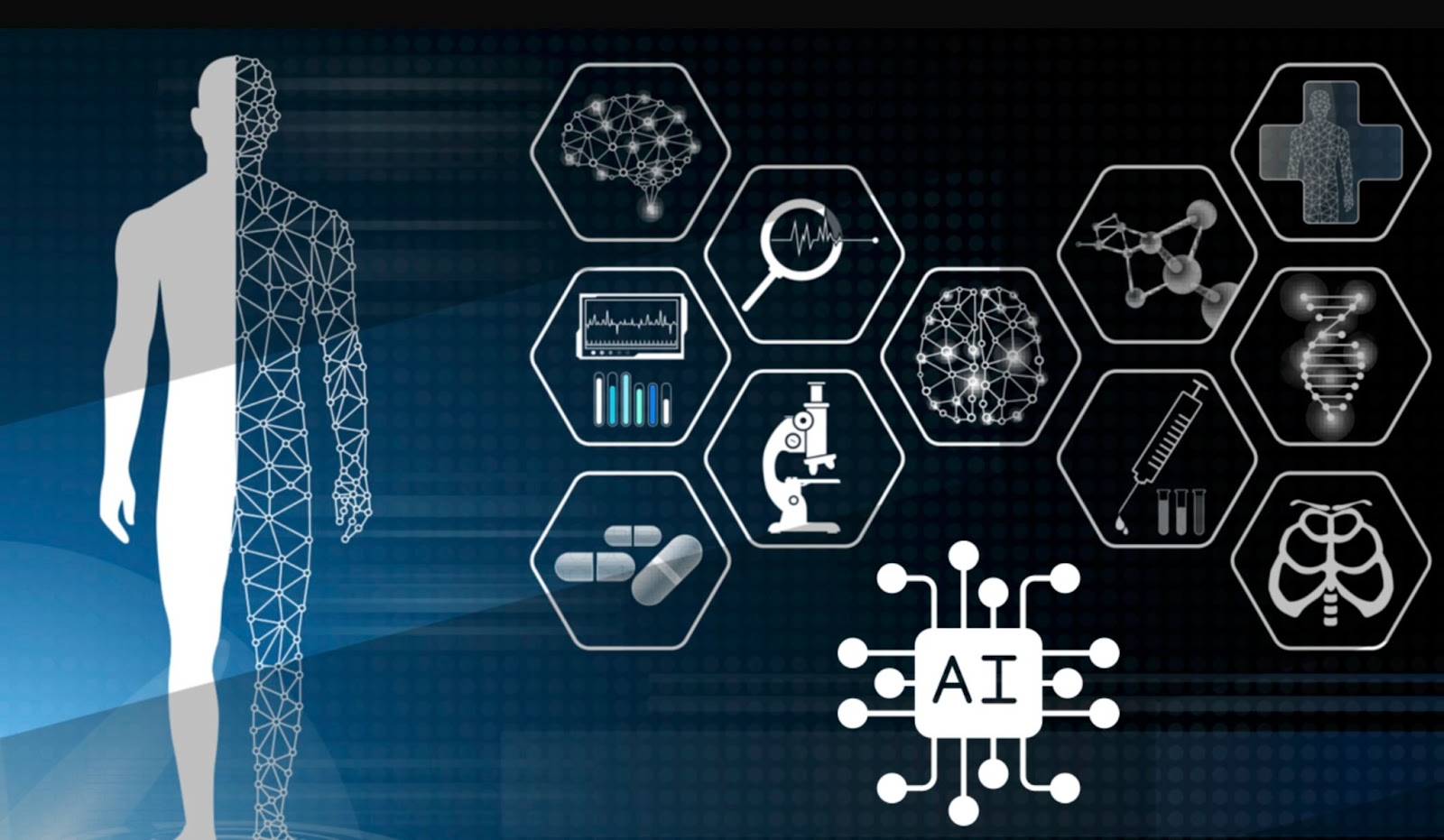
The promise of precision medicine—the ability to provide tailored medical treatments based on an individual’s unique genetic makeup, health history, and lifestyle—is rapidly becoming a reality. At the heart of this transformation is artificial intelligence (AI), a technology that is revolutionizing how healthcare providers diagnose, treat, and manage diseases. By leveraging vast amounts of genetic data, health records, and other relevant medical information, AI can create highly personalized treatment plans that offer more effective and targeted interventions.

While personalized medicine is not a new concept, the integration of AI into this field is accelerating its progress, making treatments more precise, individualized, and predictive. By analyzing genetic sequences, historical health data, lifestyle factors, and even environmental influences, AI can provide insights that were once difficult or impossible to uncover, paving the way for truly tailored therapies.

In this article, we will explore how AI is being used to create customized treatment plans, the role of genetic data and health records in this process, and how these advancements are pushing the boundaries of precision medicine. We will also discuss the challenges and ethical considerations surrounding the use of AI in healthcare.


Understanding Precision Medicine

Precision medicine, also referred to as personalized medicine, is an innovative approach to medical treatment and healthcare that takes into account individual differences in people’s genes, environments, and lifestyles. Unlike the traditional “one-size-fits-all” model of medicine, precision medicine tailors treatments to individual patients based on their unique genetic and health profiles.

The central idea behind precision medicine is that diseases and conditions are not the same for everyone, and therefore, the best treatment approach for one person may not work for another. By analyzing genomic data (such as DNA sequences) and other health-related information, healthcare providers can develop highly targeted therapies that have a higher likelihood of success and fewer side effects.

Key Components of Precision Medicine:

  1. Genomic Data: Analyzing an individual’s genetic makeup to understand genetic predispositions, mutations, and variations that influence health and disease.
  2. Health Records: Comprehensive patient data, including medical histories, test results, imaging, and treatment outcomes, which help inform treatment decisions.
  3. Lifestyle and Environmental Factors: These include diet, exercise, exposure to toxins, and other personal behaviors that can affect health and disease outcomes.

AI plays a vital role in synthesizing and interpreting these various data points to develop personalized treatment plans.


The Role of AI in Personalized Treatment Plans

AI is revolutionizing precision medicine by enabling the processing and analysis of vast amounts of data to identify patterns, correlations, and insights that would be impossible for humans to uncover manually. Through techniques such as machine learning (ML), natural language processing (NLP), and deep learning, AI can process genetic data, health records, and even environmental factors to create customized treatment regimens.

1. Genetic Data Analysis for Customized Treatments

Genetic data serves as the foundation for precision medicine. Our genes influence everything from how our bodies respond to medications to how likely we are to develop certain diseases. AI can analyze complex genetic sequences to detect variations and mutations that could affect disease susceptibility or treatment efficacy.

  • Pharmacogenomics: AI can analyze how a person’s genetic makeup influences their response to drugs. This enables doctors to prescribe medications that are more likely to work for that individual and avoid those that might cause adverse reactions.
  • Gene Editing and CRISPR: AI is also playing a role in advancing gene-editing technologies, such as CRISPR, which can correct genetic mutations associated with specific diseases. AI helps to identify the most promising targets for gene editing and optimize the process for precision and safety.

For example, patients with certain genetic mutations in their BRCA1 or BRCA2 genes are at higher risk for breast cancer. AI models can analyze the genetic data of such patients and recommend early interventions or preventive measures, such as targeted screening or specific therapies, based on the unique genetic risk profile.

2. Integrating Health Records for Holistic Treatment Plans

Personalized treatment plans are not solely based on genetic data. AI also integrates data from a patient’s health records, which include:

  • Medical History: Information about past diagnoses, treatments, surgeries, and family history of diseases.
  • Test Results: Data from diagnostic tests, including blood tests, imaging studies, and biomarkers.
  • Lifestyle Factors: Information on diet, physical activity, smoking habits, and alcohol consumption.

AI systems are capable of processing this data in real-time to identify correlations and patterns that can help predict the best treatment outcomes. By analyzing vast datasets from electronic health records (EHRs), AI can recommend therapies that are most likely to succeed based on a patient’s comprehensive health profile.

For example, if a patient has a history of hypertension, diabetes, and heart disease, AI can analyze how these conditions interact and suggest a holistic treatment plan that addresses all the relevant health factors, rather than treating each condition in isolation.

3. Predictive Analytics for Early Intervention

AI can also be used to predict the likelihood of disease development based on an individual’s genetic and health data. By analyzing patterns in large-scale datasets, AI algorithms can identify early warning signs of diseases before symptoms even appear.

  • Cancer Screening: AI-powered tools can analyze genetic markers and historical health data to predict the risk of certain cancers, such as lung, breast, or colon cancer. Based on this analysis, doctors can recommend more frequent screenings or preventive treatments.
  • Chronic Disease Management: For patients with chronic conditions like diabetes or heart disease, AI can monitor real-time data from wearable devices (e.g., glucose monitors or heart rate sensors) and provide recommendations for treatment adjustments before a serious complication arises.

This predictive ability allows for early interventions that can prevent the progression of disease, improving patient outcomes and reducing healthcare costs.

4. Tailoring Treatment Protocols

Once AI analyzes the genetic and health data, it can recommend personalized treatment protocols. For instance, in cancer treatment, AI can help determine the most effective chemotherapy drugs or radiation therapy based on the specific genetic mutations present in a patient’s tumor.

  • Cancer Immunotherapy: AI is being used to identify patients who are likely to benefit from immunotherapy, a treatment that harnesses the body’s immune system to fight cancer. By analyzing genetic data and biomarkers, AI can predict which patients will respond well to immunotherapy and recommend it as a treatment option.

In addition, AI can suggest adjustments to existing treatment protocols in real-time, ensuring that the treatment plan evolves as the patient’s condition changes. For example, if a patient’s condition improves or worsens, AI can modify the dosage or type of medication being prescribed.


The Advantages of AI-Driven Personalized Medicine

The integration of AI into precision medicine offers numerous benefits for both patients and healthcare providers:

1. Improved Treatment Outcomes

By tailoring treatments to the individual’s genetic makeup and health history, AI can increase the effectiveness of treatments, leading to better patient outcomes. Personalized therapies are more likely to work because they are designed to suit the patient’s unique genetic and physiological needs.

2. Reduced Adverse Drug Reactions

AI’s ability to predict how a patient will respond to a particular medication can help minimize adverse drug reactions. By analyzing pharmacogenomic data, AI can suggest alternative medications that are better suited to the patient’s genetic profile, improving safety and comfort.

3. Cost Efficiency

While precision medicine can initially appear expensive due to the cost of genetic testing and AI systems, it can ultimately reduce overall healthcare costs by preventing the need for trial-and-error treatments and hospitalizations. Early detection and personalized interventions can lead to better outcomes at a lower cost.

4. Empowering Patients

AI-driven precision medicine also empowers patients by providing them with a more active role in their healthcare. Patients can gain insights into their health, genetic predispositions, and treatment options, allowing for more informed decisions and better self-management.


Challenges and Ethical Considerations

While AI’s potential in precision medicine is vast, several challenges and ethical considerations need to be addressed:

1. Data Privacy and Security

The use of genetic and health data raises significant concerns regarding data privacy and security. Ensuring that personal health data is securely stored and only accessible by authorized individuals is crucial to maintaining patient trust and complying with regulatory requirements (e.g., HIPAA in the U.S. and GDPR in Europe).

2. Bias in AI Models

AI models are only as good as the data they are trained on. If the data used to train AI algorithms is biased (e.g., if it disproportionately represents certain populations or lacks diversity), the AI system may produce skewed results. This could lead to inequalities in healthcare delivery, especially for underrepresented groups.

3. Regulation and Accountability

As AI becomes more integrated into healthcare, there will be a need for regulatory frameworks to ensure that AI systems are safe, effective, and transparent. Establishing clear guidelines for AI’s role in treatment decisions, as well as accountability for errors, will be crucial in gaining widespread acceptance.


Conclusion

The integration of AI into personalized medicine marks a revolutionary shift in healthcare, allowing for the creation of customized treatment plans that are tailored to an individual’s genetic data and health history. By analyzing genetic markers, health records, and environmental factors, AI can offer more accurate diagnoses, more effective treatments, and a better overall healthcare experience.

Despite the challenges surrounding privacy, bias, and regulation, the potential of AI to drive the future of precision medicine is enormous. As technology continues to advance, AI will play an increasingly central role in transforming healthcare, offering personalized treatments that improve patient outcomes, reduce costs, and empower individuals to take control of their health.


Tags: AI newsCreate CustomizedHealth
ShareTweetShare

Related Posts

Application of AI in Drug Therapy
AI News

Application of AI in Drug Therapy

April 28, 2026
The Popularization of AI: Automation of Traditional Jobs and Its Impact on the Labor Market
AI News

The Popularization of AI: Automation of Traditional Jobs and Its Impact on the Labor Market

April 28, 2026
Many Industries Are Adopting AI-Driven Robots to Replace Human Labor
AI News

Many Industries Are Adopting AI-Driven Robots to Replace Human Labor

April 21, 2026
Artificial Intelligence Ethics and Regulations
AI News

Artificial Intelligence Ethics and Regulations

April 21, 2026
Ensuring Fairness and Transparency in AI Decision-Making: A Priority for Companies and Governments
AI News

Ensuring Fairness and Transparency in AI Decision-Making: A Priority for Companies and Governments

April 4, 2026
The Growing Global Debate on AI Ethics and Governance
AI News

The Growing Global Debate on AI Ethics and Governance

April 4, 2026
Leave Comment
  • Trending
  • Comments
  • Latest
How Artificial Intelligence is Achieving Revolutionary Breakthroughs in the Healthcare Industry: What Success Stories Teach Us

How Artificial Intelligence is Achieving Revolutionary Breakthroughs in the Healthcare Industry: What Success Stories Teach Us

July 26, 2025
Deep Learning Simulates Human Brain Signal Processing Pathways Through the Construction of Multi-Layer Neural Networks

Deep Learning Simulates Human Brain Signal Processing Pathways Through the Construction of Multi-Layer Neural Networks

January 14, 2026
From Beginner to Expert: Which AI Platforms Are Best for Beginners? Experts’ Take on Learning Curves and Practical Applications

From Beginner to Expert: Which AI Platforms Are Best for Beginners? Experts’ Take on Learning Curves and Practical Applications

July 23, 2025
AI in the Financial Sector: Which Innovative Strategies Are Driving Digital Transformation?

AI in the Financial Sector: Which Innovative Strategies Are Driving Digital Transformation?

July 26, 2025
How Artificial Intelligence Enhances Diagnostic Accuracy and Transforms Treatment Methods in Healthcare

How Artificial Intelligence Enhances Diagnostic Accuracy and Transforms Treatment Methods in Healthcare

How AI Enhances Customer Experience and Drives Sales Growth in Retail

How AI Enhances Customer Experience and Drives Sales Growth in Retail

How Artificial Intelligence Enables Precise Risk Assessment and Decision-Making

How Artificial Intelligence Enables Precise Risk Assessment and Decision-Making

How AI is Driving the Revolution in Smart Manufacturing and Production Efficiency

How AI is Driving the Revolution in Smart Manufacturing and Production Efficiency

AI Learning Resources and Educational Platforms

AI Learning Resources and Educational Platforms

April 28, 2026
AI Automation and Model Training Tools: Revolutionizing the Future of Artificial Intelligence

AI Automation and Model Training Tools: Revolutionizing the Future of Artificial Intelligence

April 28, 2026
AI-Based Anti-Fraud Systems

AI-Based Anti-Fraud Systems

April 28, 2026
The Application of AI in Retail and E-Commerce

The Application of AI in Retail and E-Commerce

April 28, 2026
AIInsiderUpdates

Our platform is dedicated to delivering comprehensive coverage of AI developments, featuring news, case studies, expert interviews, and valuable resources for professionals and enthusiasts alike.

© 2025 aiinsiderupdates.com. contacts:[email protected]

No Result
View All Result
  • Home
  • AI News
  • Technology Trends
  • Interviews & Opinions
  • Case Studies
  • Tools & Resources

© 2025 aiinsiderupdates.com. contacts:[email protected]

Welcome Back!

Login to your account below

Forgotten Password?

Retrieve your password

Please enter your username or email address to reset your password.

Log In