
















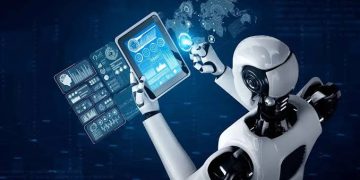





Artificial Intelligence (AI) has seen a dramatic rise in recent years, revolutionizing industries and redefining the way work is done across various sectors. While the integration of AI promises significant efficiency gains, it also raises important concerns about its impact on the labor market. One of the most discussed aspects of AI’s growth is its potential to replace low-skill, repetitive jobs. This has sparked fears of widespread unemployment and a shift in the kinds of skills required in the workforce.
However, AI’s impact on employment is not as one-dimensional as it may seem. While it is true that AI will likely replace certain types of jobs, it will simultaneously create new kinds of work that demand a different set of skills and capabilities. The key question is not whether AI will replace jobs, but rather how society can adapt to these changes and harness the potential of AI to create opportunities in the process.
This article explores how AI will impact the workforce, particularly in low-skill, repetitive jobs, while also delving into the new types of roles AI is expected to generate. We will examine both the challenges and opportunities AI presents, and how individuals, businesses, and policymakers can prepare for this evolving labor landscape.
I. The Rise of AI: A Changing Landscape for Work
1. AI’s Current Impact on the Workforce
AI has already made its mark in various industries, from automation in manufacturing to personalized recommendations in retail. Machine learning algorithms, natural language processing, and robotics have demonstrated exceptional performance in completing tasks traditionally performed by humans. In many cases, these AI systems can execute repetitive tasks faster, more accurately, and at a lower cost than their human counterparts.
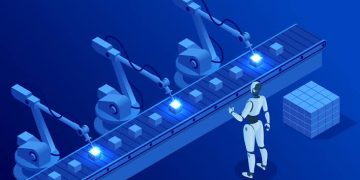
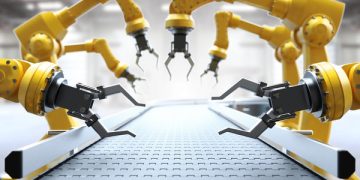
For example, in manufacturing, robots are now capable of assembling products, inspecting quality, and even performing maintenance. In retail, AI-driven chatbots handle customer service queries, while in data entry, AI systems can process and categorize large volumes of data without human intervention. These advances make it clear that AI is capable of replacing jobs that involve repetitive, manual tasks or basic decision-making processes.
2. Low-Skill, Repetitive Jobs: Vulnerable to Automation
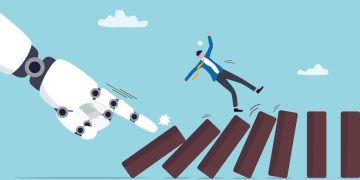
Low-skill, repetitive jobs are most vulnerable to automation due to their predictability and structure. These jobs typically require minimal education and are often based on routine tasks that can be easily standardized. Some of the key sectors affected include:
- Manufacturing and Assembly Line Jobs: Robots and AI systems have already replaced many tasks in manufacturing plants, such as assembling products or operating machinery. This trend is likely to continue as technology improves, reducing the need for human labor in these roles.
- Customer Service: AI-powered chatbots and virtual assistants can handle an increasing range of customer inquiries, reducing the need for human workers in call centers and customer support positions.
- Retail and Warehousing: AI systems are used in inventory management, order picking, and packaging. Automated warehouses, such as those used by Amazon, rely heavily on AI and robotics to replace tasks that were once performed by warehouse workers.
- Transportation and Delivery: Self-driving vehicles and drones are poised to disrupt the transportation industry, particularly for tasks such as delivery, taxi services, and even long-haul trucking.
These sectors are likely to see significant changes as AI and automation technologies advance, reducing the need for human labor in many low-skill roles.
II. The Emergence of New Job Opportunities
While AI may replace many low-skill jobs, it will also create new job opportunities, often in sectors that require higher skills and more specialized knowledge. The future workforce will demand new types of jobs, many of which are driven by the growing need to develop, maintain, and supervise AI systems. These new jobs will likely require a different set of skills, such as creativity, problem-solving, critical thinking, and emotional intelligence.
1. AI Development and Maintenance
One of the primary ways AI will create new job opportunities is through the demand for professionals who can design, develop, and maintain AI systems. The growing reliance on AI will require a skilled workforce to build, train, and optimize machine learning algorithms and neural networks. Some key roles in this field include:
- AI Engineers and Data Scientists: These professionals will be responsible for designing and developing AI models, including machine learning algorithms, neural networks, and natural language processing systems.
- AI Trainers: AI systems require extensive training on large datasets to function effectively. As AI continues to evolve, AI trainers will play an important role in curating, labeling, and preparing data for machine learning applications.
- AI Maintenance and Support: As AI systems are deployed across various sectors, technicians and engineers will be needed to ensure these systems function correctly, make improvements, and solve technical issues as they arise.
2. Human-AI Collaboration Roles
While AI will automate many tasks, there will still be a need for human involvement in decision-making processes, particularly in areas that require judgment, empathy, and creativity. The integration of AI into the workforce will create new roles that focus on human-AI collaboration. These roles will leverage both human expertise and AI’s computational power to make more informed decisions. Examples include:
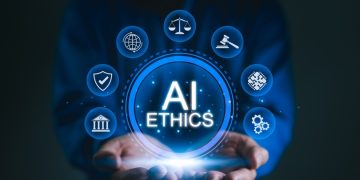
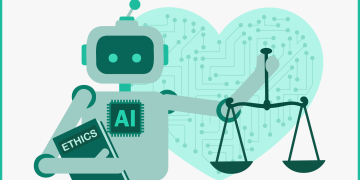
- AI Ethics Specialists: As AI systems become more integrated into decision-making processes, it will be essential to have experts who can address ethical issues related to AI deployment. These specialists will work to ensure that AI systems are fair, transparent, and aligned with societal values.
- AI-Powered Healthcare Professionals: While AI can assist in diagnosing medical conditions or recommending treatments, human healthcare professionals will continue to be essential for interpreting results, providing emotional support, and making decisions that require a deep understanding of patients’ needs.
- Creative Roles: As AI takes over routine tasks, there will be a growing demand for creative professionals who can leverage AI tools to innovate in fields like marketing, content creation, design, and entertainment. These roles will require people who can blend human creativity with AI capabilities to generate new ideas, solutions, and products.

3. AI and Data Analysis
AI systems generate vast amounts of data that must be analyzed and interpreted. This will lead to an increase in jobs that focus on managing and deriving insights from this data. For example:
- Data Analysts: As businesses use AI to collect more data, the need for professionals who can interpret this data and extract actionable insights will increase. Data analysts will be tasked with using AI tools to analyze trends, customer behavior, and market patterns.
- Business Intelligence Analysts: These professionals will use AI-driven analytics platforms to help companies make strategic decisions. By interpreting data, they will provide insights on product development, marketing strategies, and operational improvements.
4. Emerging Fields and Hybrid Roles
In addition to the more traditional roles in AI and data science, AI is likely to create entirely new industries and hybrid job roles that we cannot yet fully predict. Some examples of these emerging fields include:
- AI Integration Specialists: As AI becomes a core component of business operations, professionals will be needed to integrate AI systems into existing infrastructures. These specialists will focus on ensuring that AI tools work seamlessly with traditional business processes.
- Virtual Reality (VR) and Augmented Reality (AR) Developers: AI will play a key role in enhancing VR and AR experiences. As these technologies grow, demand will increase for developers who can create immersive environments that combine AI with VR/AR.
- Personalized Education Experts: AI is expected to revolutionize education by enabling personalized learning experiences. Educators will be needed to work alongside AI tools to develop curricula tailored to individual learning styles and needs.
III. Preparing for the Future Workforce
As AI continues to reshape the labor market, both individuals and businesses must adapt to these changes. For individuals, acquiring new skills and staying updated with technological advancements will be essential for staying competitive in the job market. For businesses, embracing AI as a tool to augment human capabilities rather than a replacement for workers will be key to achieving long-term success.
1. Reskilling and Upskilling
In order to thrive in an AI-driven economy, workers must develop new skills, particularly those that complement AI technologies. This includes:
- Technical Skills: Learning how to work with AI and machine learning tools will be crucial for many roles. Basic programming knowledge, data analysis, and understanding AI concepts will become increasingly important across industries.
- Soft Skills: As AI automates routine tasks, human skills like critical thinking, problem-solving, emotional intelligence, and creativity will become more valuable. These soft skills will be essential for tasks that require human judgment or interpersonal interaction.
2. AI Literacy
AI literacy will become a vital skill in the future workforce. Understanding how AI works, its limitations, and its ethical considerations will be essential for individuals in both technical and non-technical roles. By improving AI literacy across the population, we can ensure that people are better prepared to work alongside AI systems and take advantage of the opportunities they present.
3. Policy and Ethical Considerations
Governments and organizations must also play a role in preparing for the future workforce by implementing policies that support reskilling, protect workers from job displacement, and ensure ethical AI deployment. This includes creating frameworks for workers to transition to new roles, as well as ensuring that AI is used to benefit society as a whole.
IV. Conclusion
AI has the potential to dramatically change the future of work. While it will replace certain low-skill, repetitive jobs, it will also create new roles that require higher-level skills and human judgment. By embracing AI as a tool to augment human work rather than replace it, society can harness the potential of this transformative technology to create more meaningful, innovative, and rewarding jobs.
As we move forward, the key to successfully navigating this shift lies in reskilling, fostering AI literacy, and developing policies that help workers transition into new roles. By doing so, we can ensure that AI’s rise leads to a future of work that benefits everyone, driving economic growth and creating opportunities for all