

























AIInsiderUpdates
  • Home
  • AI News
    Application of AI in Drug Therapy

    Application of AI in Drug Therapy

    The Popularization of AI: Automation of Traditional Jobs and Its Impact on the Labor Market

    The Popularization of AI: Automation of Traditional Jobs and Its Impact on the Labor Market

    Many Industries Are Adopting AI-Driven Robots to Replace Human Labor

    Many Industries Are Adopting AI-Driven Robots to Replace Human Labor

    Artificial Intelligence Ethics and Regulations

    Artificial Intelligence Ethics and Regulations

    Ensuring Fairness and Transparency in AI Decision-Making: A Priority for Companies and Governments

    Ensuring Fairness and Transparency in AI Decision-Making: A Priority for Companies and Governments

    The Growing Global Debate on AI Ethics and Governance

    The Growing Global Debate on AI Ethics and Governance

  • Technology Trends
    Fine-tuning Large Language Models to Meet Specific Task or Industry Needs: A Key Focus in AI Research

    Fine-tuning Large Language Models to Meet Specific Task or Industry Needs: A Key Focus in AI Research

    The Convergence of Reinforcement Learning and Deep Learning: Driving Innovation Across Multiple Domains

    The Convergence of Reinforcement Learning and Deep Learning: Driving Innovation Across Multiple Domains

    The Transformer Architecture: The Core of Deep Learning

    The Transformer Architecture: The Core of Deep Learning

    Neural Architecture Search: A Revolution in Artificial Intelligence

    Neural Architecture Search: A Revolution in Artificial Intelligence

    Significant Advances in Self-Supervised Learning (SSL) Methods in Deep Learning

    Significant Advances in Self-Supervised Learning (SSL) Methods in Deep Learning

    Breakthroughs in Deep Learning and Neural Networks: Revolutionizing the Future of AI

    Breakthroughs in Deep Learning and Neural Networks: Revolutionizing the Future of AI

  • Interviews & Opinions
    AI May Replace Some Low-Skill, Repetitive Jobs, but It Will Also Create New Types of Jobs

    AI May Replace Some Low-Skill, Repetitive Jobs, but It Will Also Create New Types of Jobs

    The Future of AI Systems: Why Explainability Should Be a Core Feature

    The Future of AI Systems: Why Explainability Should Be a Core Feature

    AI and Automation Will Take on More of the Heavy Lifting

    AI and Automation Will Take on More of the Heavy Lifting

    As AI Technology Continues to Evolve, Ethical Issues Are Becoming More Prominent

    As AI Technology Continues to Evolve, Ethical Issues Are Becoming More Prominent

    AI Fairness: Addressing Bias and Promoting Equity in Artificial Intelligence

    AI Fairness: Addressing Bias and Promoting Equity in Artificial Intelligence

    The Impact of AI on the Labor Market: A Critical Examination

    The Impact of AI on the Labor Market: A Critical Examination

  • Case Studies
    AI-Based Anti-Fraud Systems

    AI-Based Anti-Fraud Systems

    The Application of AI in Retail and E-Commerce

    The Application of AI in Retail and E-Commerce

    The Application of AI in the Financial Industry

    The Application of AI in the Financial Industry

    The Application of AI in Medical Imaging: A Significant Advancement

    The Application of AI in Medical Imaging: A Significant Advancement

    AI Significantly Enhancing Disease Diagnosis Efficiency and Accuracy

    AI Significantly Enhancing Disease Diagnosis Efficiency and Accuracy

    The Application of AI in Healthcare: Revolutionizing Medicine and Patient Care

    The Application of AI in Healthcare: Revolutionizing Medicine and Patient Care

  • Tools & Resources
    AI Learning Resources and Educational Platforms

    AI Learning Resources and Educational Platforms

    AI Automation and Model Training Tools: Revolutionizing the Future of Artificial Intelligence

    AI Automation and Model Training Tools: Revolutionizing the Future of Artificial Intelligence

    Keras: Making AI Development Easier While Supporting Complex Model Designs

    Keras: Making AI Development Easier While Supporting Complex Model Designs

    PyTorch: A Flexible and Debug-Friendly Deep Learning Framework

    PyTorch: A Flexible and Debug-Friendly Deep Learning Framework

    AutoAI Tools Enable Developers to Reduce Manual Model Tuning Workload

    AutoAI Tools Enable Developers to Reduce Manual Model Tuning Workload

    AI Development Platforms and Frameworks

    AI Development Platforms and Frameworks

AIInsiderUpdates
  • Home
  • AI News
    Application of AI in Drug Therapy

    Application of AI in Drug Therapy

    The Popularization of AI: Automation of Traditional Jobs and Its Impact on the Labor Market

    The Popularization of AI: Automation of Traditional Jobs and Its Impact on the Labor Market

    Many Industries Are Adopting AI-Driven Robots to Replace Human Labor

    Many Industries Are Adopting AI-Driven Robots to Replace Human Labor

    Artificial Intelligence Ethics and Regulations

    Artificial Intelligence Ethics and Regulations

    Ensuring Fairness and Transparency in AI Decision-Making: A Priority for Companies and Governments

    Ensuring Fairness and Transparency in AI Decision-Making: A Priority for Companies and Governments

    The Growing Global Debate on AI Ethics and Governance

    The Growing Global Debate on AI Ethics and Governance

  • Technology Trends
    Fine-tuning Large Language Models to Meet Specific Task or Industry Needs: A Key Focus in AI Research

    Fine-tuning Large Language Models to Meet Specific Task or Industry Needs: A Key Focus in AI Research

    The Convergence of Reinforcement Learning and Deep Learning: Driving Innovation Across Multiple Domains

    The Convergence of Reinforcement Learning and Deep Learning: Driving Innovation Across Multiple Domains

    The Transformer Architecture: The Core of Deep Learning

    The Transformer Architecture: The Core of Deep Learning

    Neural Architecture Search: A Revolution in Artificial Intelligence

    Neural Architecture Search: A Revolution in Artificial Intelligence

    Significant Advances in Self-Supervised Learning (SSL) Methods in Deep Learning

    Significant Advances in Self-Supervised Learning (SSL) Methods in Deep Learning

    Breakthroughs in Deep Learning and Neural Networks: Revolutionizing the Future of AI

    Breakthroughs in Deep Learning and Neural Networks: Revolutionizing the Future of AI

  • Interviews & Opinions
    AI May Replace Some Low-Skill, Repetitive Jobs, but It Will Also Create New Types of Jobs

    AI May Replace Some Low-Skill, Repetitive Jobs, but It Will Also Create New Types of Jobs

    The Future of AI Systems: Why Explainability Should Be a Core Feature

    The Future of AI Systems: Why Explainability Should Be a Core Feature

    AI and Automation Will Take on More of the Heavy Lifting

    AI and Automation Will Take on More of the Heavy Lifting

    As AI Technology Continues to Evolve, Ethical Issues Are Becoming More Prominent

    As AI Technology Continues to Evolve, Ethical Issues Are Becoming More Prominent

    AI Fairness: Addressing Bias and Promoting Equity in Artificial Intelligence

    AI Fairness: Addressing Bias and Promoting Equity in Artificial Intelligence

    The Impact of AI on the Labor Market: A Critical Examination

    The Impact of AI on the Labor Market: A Critical Examination

  • Case Studies
    AI-Based Anti-Fraud Systems

    AI-Based Anti-Fraud Systems

    The Application of AI in Retail and E-Commerce

    The Application of AI in Retail and E-Commerce

    The Application of AI in the Financial Industry

    The Application of AI in the Financial Industry

    The Application of AI in Medical Imaging: A Significant Advancement

    The Application of AI in Medical Imaging: A Significant Advancement

    AI Significantly Enhancing Disease Diagnosis Efficiency and Accuracy

    AI Significantly Enhancing Disease Diagnosis Efficiency and Accuracy

    The Application of AI in Healthcare: Revolutionizing Medicine and Patient Care

    The Application of AI in Healthcare: Revolutionizing Medicine and Patient Care

  • Tools & Resources
    AI Learning Resources and Educational Platforms

    AI Learning Resources and Educational Platforms

    AI Automation and Model Training Tools: Revolutionizing the Future of Artificial Intelligence

    AI Automation and Model Training Tools: Revolutionizing the Future of Artificial Intelligence

    Keras: Making AI Development Easier While Supporting Complex Model Designs

    Keras: Making AI Development Easier While Supporting Complex Model Designs

    PyTorch: A Flexible and Debug-Friendly Deep Learning Framework

    PyTorch: A Flexible and Debug-Friendly Deep Learning Framework

    AutoAI Tools Enable Developers to Reduce Manual Model Tuning Workload

    AutoAI Tools Enable Developers to Reduce Manual Model Tuning Workload

    AI Development Platforms and Frameworks

    AI Development Platforms and Frameworks

AIInsiderUpdates
No Result
View All Result

AI in Transportation: Shaping the Future of Mobility

February 20, 2025
AI in Transportation: Shaping the Future of Mobility

The transportation sector is undergoing a radical transformation, driven by the increasing integration of Artificial Intelligence (AI) into autonomous vehicles and smart transportation systems. With the potential to improve safety, efficiency, and accessibility, AI is set to reshape the way we move people and goods. From self-driving cars and trucks to AI-powered traffic management systems and predictive maintenance technologies, AI is pushing the boundaries of what’s possible in transportation, and this revolution is only just beginning. This article explores how AI is impacting autonomous vehicles and smart transportation systems, offering a glimpse into the future of mobility.

The Rise of Autonomous Vehicles: The Role of AI in Self-Driving Cars

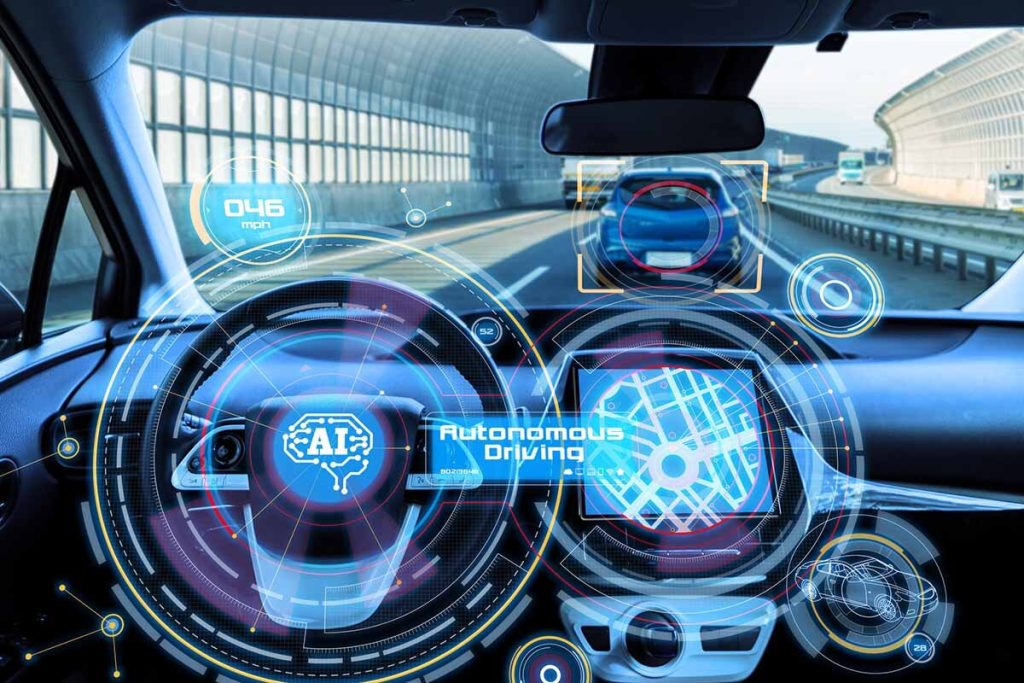
Autonomous vehicles (AVs) represent one of the most exciting and disruptive applications of AI in transportation. With the promise of reducing traffic accidents, improving fuel efficiency, and transforming the way we commute, self-driving cars are fast becoming a focal point of technological innovation in the mobility sector. AI is at the heart of these advancements, enabling vehicles to navigate and operate without human intervention.

1. Machine Learning and Computer Vision for Navigation

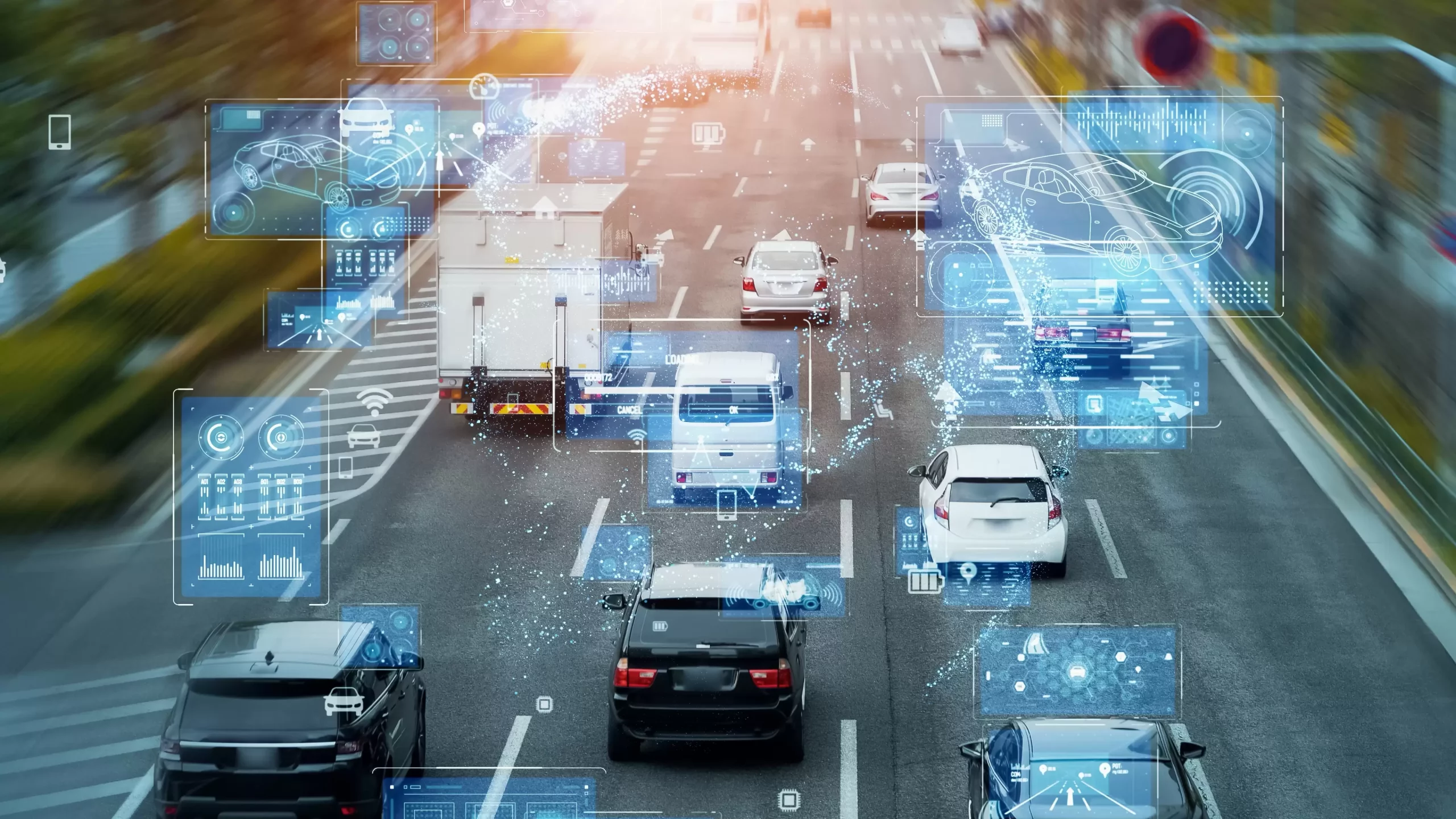
At the core of autonomous vehicles lies a suite of AI technologies that enable the car to perceive and understand its surroundings. Machine learning and computer vision algorithms process data from sensors, cameras, LIDAR (Light Detection and Ranging), and radar to help the vehicle recognize objects, pedestrians, road signs, and other vehicles in real time.

For instance, computer vision enables the car to detect and interpret road markings, traffic lights, and obstacles on the road. Machine learning algorithms process this visual information to predict and react to potential hazards. By combining sensor data from various sources, AI allows autonomous vehicles to build a detailed 360-degree view of the environment, making it possible for the vehicle to make decisions, such as when to accelerate, brake, or change lanes.

2. AI in Decision-Making: Navigating Complex Scenarios

One of the greatest challenges in developing fully autonomous vehicles is ensuring they can handle the unpredictable and often complex nature of real-world driving. Human drivers rely on intuition, experience, and judgment to navigate challenging scenarios, but AI must be programmed to respond in a similar manner, making split-second decisions that prioritize safety.

Through reinforcement learning, AI systems are trained to make decisions in complex driving scenarios by simulating millions of miles of driving experience in virtual environments. These algorithms enable self-driving cars to learn the most effective actions to take in various situations—such as navigating through dense traffic, responding to emergency vehicles, or managing unpredictable weather conditions—thereby improving their overall driving performance.

3. AI and Vehicle-to-Vehicle (V2V) Communication

AI also plays a critical role in enabling communication between vehicles, a concept known as vehicle-to-vehicle (V2V) communication. V2V technology allows vehicles to share information about their speed, location, and direction, which can be used to prevent accidents, reduce congestion, and improve traffic flow.

For example, when a vehicle detects a sudden slowdown or obstruction, it can transmit this information to nearby vehicles, allowing them to adjust their speed or change lanes proactively. By incorporating AI into V2V communication systems, autonomous vehicles can better coordinate with one another, creating a safer and more efficient transportation environment.

Smart Transportation Systems: Enhancing Efficiency and Reducing Congestion

In addition to autonomous vehicles, AI is also transforming traditional transportation infrastructure through smart transportation systems. These systems leverage AI, data analytics, and IoT (Internet of Things) technologies to optimize traffic management, reduce congestion, and improve overall mobility.

1. AI-Powered Traffic Management

AI is helping cities manage traffic flow more effectively, using real-time data and predictive analytics to optimize traffic lights, control the flow of vehicles, and reduce congestion. By analyzing data from sensors, cameras, and GPS systems embedded in vehicles, AI algorithms can predict traffic patterns and adjust traffic signals dynamically to improve the flow of traffic.

For instance, in a smart city, AI can monitor the number of vehicles at intersections and adjust signal timing to reduce waiting times. AI can also detect accidents or road closures in real time and reroute traffic to avoid bottlenecks. In doing so, smart traffic management systems can reduce congestion, improve fuel efficiency, and cut down on travel times for commuters.

2. AI and Public Transportation Systems

AI is also being integrated into public transportation systems to make them more efficient and user-friendly. By analyzing historical data, AI can predict demand patterns, allowing transit authorities to optimize schedules, routes, and vehicle capacities to better meet passenger needs.

For example, AI-powered systems can analyze passenger flows to ensure that buses, trains, and subways are deployed efficiently. AI can also be used to predict delays and adjust schedules in real time, providing passengers with accurate information and improving the overall travel experience. Autonomous buses and shuttles are also being piloted in several cities, offering on-demand, driverless transportation services that improve accessibility and reduce the need for human drivers.

3. Mobility-as-a-Service (MaaS) and AI Integration

The concept of Mobility-as-a-Service (MaaS) envisions a seamless transportation experience in which users can plan, book, and pay for a variety of transportation options (e.g., taxis, public transit, bike-sharing) through a single digital platform. AI is playing a key role in enabling MaaS by analyzing user preferences, traffic conditions, and real-time data to provide optimized travel routes and pricing options.

For example, AI algorithms can calculate the fastest or most cost-effective route for a user based on real-time traffic conditions and available transportation options. This integration of AI into MaaS systems is making transportation more flexible, efficient, and personalized, allowing users to make smarter decisions about how they travel.
AI in Fleet Management: Revolutionizing the Logistics Industry

AI is not just transforming passenger transportation; it is also reshaping the logistics and freight industries. Autonomous trucks and AI-powered fleet management systems are streamlining the movement of goods, improving delivery times, and reducing operational costs.

1. Autonomous Trucks and AI-Driven Logistics

Self-driving trucks are expected to revolutionize the logistics industry by reducing the need for human drivers and enhancing the efficiency of freight transport. AI systems in autonomous trucks are designed to manage long-haul driving, including navigation, obstacle detection, and route optimization, making the process more cost-effective and safer.

In addition to autonomous vehicles, AI is also being used in fleet management to optimize routes, monitor vehicle health, and predict maintenance needs. AI-powered systems can analyze data from trucks to detect issues before they lead to breakdowns, ensuring that vehicles are always running efficiently. Predictive analytics can also help logistics companies optimize delivery schedules, reducing delays and improving supply chain management.

2. AI in Supply Chain Optimization

AI is increasingly being used to optimize supply chain management, helping companies reduce inefficiencies and improve delivery accuracy. By analyzing historical data, AI can predict demand patterns and adjust inventory levels, ensuring that goods are available when needed. Machine learning algorithms can also optimize delivery routes, taking into account traffic conditions, weather, and other variables to ensure timely deliveries.

AI-powered robotics and automation are also playing a role in warehouse management, where robots equipped with AI systems can autonomously organize, pick, and pack goods, improving the speed and accuracy of order fulfillment.

The Challenges of AI in Transportation

While AI holds immense potential to improve transportation systems, there are several challenges that need to be addressed for widespread adoption. One of the primary concerns is safety. Although autonomous vehicles have demonstrated significant advancements in safety, there is still a risk of accidents, particularly in complex driving environments. Ensuring that AI systems can handle every possible driving scenario remains a significant hurdle.

Another challenge is the regulatory landscape. Governments around the world are still grappling with how to regulate autonomous vehicles and AI-powered transportation systems. Issues such as data privacy, cybersecurity, and liability in the event of accidents need to be carefully addressed to ensure public trust and safety.

Finally, the widespread adoption of AI in transportation may disrupt existing jobs, particularly those in driving and logistics. As autonomous vehicles and AI-powered systems become more prevalent, there will be a need to retrain workers and develop new roles to accommodate these technological advancements.

Conclusion: The Future of Mobility

AI is driving a revolution in transportation, reshaping the way we think about mobility. From autonomous vehicles and smart traffic management systems to AI-driven logistics and public transit, AI is helping create safer, more efficient, and more accessible transportation systems. While there are still challenges to overcome, the potential for AI to transform transportation is immense, offering a glimpse into a future where mobility is more sustainable, personalized, and automated.

As we continue to explore and refine AI’s role in transportation, it is clear that the future of mobility will be shaped by the ongoing evolution of AI technologies, bringing unprecedented changes to how we move people and goods across the globe.

Tags: AI in MobilityAI in TransportationAutonomous VehiclesSelf-Driving Cars
ShareTweetShare

Related Posts

AI May Replace Some Low-Skill, Repetitive Jobs, but It Will Also Create New Types of Jobs
Interviews & Opinions

AI May Replace Some Low-Skill, Repetitive Jobs, but It Will Also Create New Types of Jobs

April 28, 2026
The Future of AI Systems: Why Explainability Should Be a Core Feature
Interviews & Opinions

The Future of AI Systems: Why Explainability Should Be a Core Feature

April 28, 2026
Application of AI in Drug Therapy
AI News

Application of AI in Drug Therapy

April 28, 2026
The Popularization of AI: Automation of Traditional Jobs and Its Impact on the Labor Market
AI News

The Popularization of AI: Automation of Traditional Jobs and Its Impact on the Labor Market

April 28, 2026
AI and Automation Will Take on More of the Heavy Lifting
Interviews & Opinions

AI and Automation Will Take on More of the Heavy Lifting

April 21, 2026
As AI Technology Continues to Evolve, Ethical Issues Are Becoming More Prominent
Interviews & Opinions

As AI Technology Continues to Evolve, Ethical Issues Are Becoming More Prominent

April 21, 2026
Leave Comment
  • Trending
  • Comments
  • Latest
How Artificial Intelligence is Achieving Revolutionary Breakthroughs in the Healthcare Industry: What Success Stories Teach Us

How Artificial Intelligence is Achieving Revolutionary Breakthroughs in the Healthcare Industry: What Success Stories Teach Us

July 26, 2025
Deep Learning Simulates Human Brain Signal Processing Pathways Through the Construction of Multi-Layer Neural Networks

Deep Learning Simulates Human Brain Signal Processing Pathways Through the Construction of Multi-Layer Neural Networks

January 14, 2026
From Beginner to Expert: Which AI Platforms Are Best for Beginners? Experts’ Take on Learning Curves and Practical Applications

From Beginner to Expert: Which AI Platforms Are Best for Beginners? Experts’ Take on Learning Curves and Practical Applications

July 23, 2025
AI in the Financial Sector: Which Innovative Strategies Are Driving Digital Transformation?

AI in the Financial Sector: Which Innovative Strategies Are Driving Digital Transformation?

July 26, 2025
How Artificial Intelligence Enhances Diagnostic Accuracy and Transforms Treatment Methods in Healthcare

How Artificial Intelligence Enhances Diagnostic Accuracy and Transforms Treatment Methods in Healthcare

How AI Enhances Customer Experience and Drives Sales Growth in Retail

How AI Enhances Customer Experience and Drives Sales Growth in Retail

How Artificial Intelligence Enables Precise Risk Assessment and Decision-Making

How Artificial Intelligence Enables Precise Risk Assessment and Decision-Making

How AI is Driving the Revolution in Smart Manufacturing and Production Efficiency

How AI is Driving the Revolution in Smart Manufacturing and Production Efficiency

AI Learning Resources and Educational Platforms

AI Learning Resources and Educational Platforms

April 28, 2026
AI Automation and Model Training Tools: Revolutionizing the Future of Artificial Intelligence

AI Automation and Model Training Tools: Revolutionizing the Future of Artificial Intelligence

April 28, 2026
AI-Based Anti-Fraud Systems

AI-Based Anti-Fraud Systems

April 28, 2026
The Application of AI in Retail and E-Commerce

The Application of AI in Retail and E-Commerce

April 28, 2026
AIInsiderUpdates

Our platform is dedicated to delivering comprehensive coverage of AI developments, featuring news, case studies, expert interviews, and valuable resources for professionals and enthusiasts alike.

© 2025 aiinsiderupdates.com. contacts:[email protected]

No Result
View All Result
  • Home
  • AI News
  • Technology Trends
  • Interviews & Opinions
  • Case Studies
  • Tools & Resources

© 2025 aiinsiderupdates.com. contacts:[email protected]

Welcome Back!

Login to your account below

Forgotten Password?

Retrieve your password

Please enter your username or email address to reset your password.

Log In