












AIInsiderUpdates
  • Home
  • AI News
    Global AI Competition: Dominance in the AI Chip Sector, with NVIDIA Maintaining Its Leading Position

    Global AI Competition: Dominance in the AI Chip Sector, with NVIDIA Maintaining Its Leading Position

    AI Is No Longer Confined to Text Generation: Toward Integrated Capabilities in Vision, Perception, and Embodied Robotics

    AI Is No Longer Confined to Text Generation: Toward Integrated Capabilities in Vision, Perception, and Embodied Robotics

    AI Technology and Its Integration with Traditional Industries as a Key to Enhancing Enterprise Competitiveness

    AI Technology and Its Integration with Traditional Industries as a Key to Enhancing Enterprise Competitiveness

    AI Has Entered the ‘Breaking Wall’ Stage: From Laboratory Development to Large-Scale Industrial Applications

    AI Has Entered the ‘Breaking Wall’ Stage: From Laboratory Development to Large-Scale Industrial Applications

    AI and the Intensifying Competition in the Semiconductor Industry

    AI and the Intensifying Competition in the Semiconductor Industry

    New AI Chips and Heterogeneous Architectures Driving the Computational Power Revolution

    New AI Chips and Heterogeneous Architectures Driving the Computational Power Revolution

  • Technology Trends
    Natural Language Processing: One of the Core Pillars of AI

    Natural Language Processing: One of the Core Pillars of AI

    Deep Learning Simulates Human Brain Signal Processing Pathways Through the Construction of Multi-Layer Neural Networks

    Deep Learning Simulates Human Brain Signal Processing Pathways Through the Construction of Multi-Layer Neural Networks

    Autonomous Driving and Robotics: Continuous Advancements in Perception and Intelligent Decision-Making Capabilities

    Autonomous Driving and Robotics: Continuous Advancements in Perception and Intelligent Decision-Making Capabilities

    AI in Assisting Pathological Image Recognition, Disease Diagnosis, and Personalized Treatment Plans

    AI in Assisting Pathological Image Recognition, Disease Diagnosis, and Personalized Treatment Plans

    NLP Technologies: From Understanding to Generation

    NLP Technologies: From Understanding to Generation

    Self-Supervised Learning, Federated Learning, and Other Emerging Training Methods: Reducing the Dependence on Labeled Data and Improving Model Generalization

    Self-Supervised Learning, Federated Learning, and Other Emerging Training Methods: Reducing the Dependence on Labeled Data and Improving Model Generalization

  • Interviews & Opinions
    Experts Predict That Future AI Data Labeling and Training Will Rely More on Domain Expert Skills Rather Than Fully Synthetic Data

    Experts Predict That Future AI Data Labeling and Training Will Rely More on Domain Expert Skills Rather Than Fully Synthetic Data

    Public Attention on the Immediate Impact of Artificial Intelligence on Employment and Privacy

    Public Attention on the Immediate Impact of Artificial Intelligence on Employment and Privacy

    The Role of AI in Think Tanks and Strategic Research

    The Role of AI in Think Tanks and Strategic Research

    AI Security and Responsible Development: Perspectives and Insights

    AI Security and Responsible Development: Perspectives and Insights

    AI’s Impact on Industry and Employment

    AI’s Impact on Industry and Employment

    Multimodal and the Next-Generation AI Models Breakthroughs

    Multimodal and the Next-Generation AI Models Breakthroughs

  • Case Studies
    BMW Leverages AI + Digital Twin Technology to Simulate Production Processes and Train Models for Defect Detection

    BMW Leverages AI + Digital Twin Technology to Simulate Production Processes and Train Models for Defect Detection

    Traditional Industries Such as Retail and Manufacturing Apply Artificial Intelligence to Predictive Maintenance and Demand Forecasting

    Traditional Industries Such as Retail and Manufacturing Apply Artificial Intelligence to Predictive Maintenance and Demand Forecasting

    Financial Industry: Risk Control and Intelligent Customer Service

    Financial Industry: Risk Control and Intelligent Customer Service

    Retail and E-Commerce: Smart Forecasting and Enhancing User Experience

    Retail and E-Commerce: Smart Forecasting and Enhancing User Experience

    Automated Health Management and Process Optimization

    Automated Health Management and Process Optimization

    Medical Imaging and Diagnostic Assistance

    Medical Imaging and Diagnostic Assistance

  • Tools & Resources
    How to Start Learning AI from Scratch: A Roadmap and Time Plan

    How to Start Learning AI from Scratch: A Roadmap and Time Plan

    Anthropic Claude: A Large Language Model Focused on Model Safety and Conversational Control, Emphasizing “Controllable and Trustworthy” AI Capabilities

    Anthropic Claude: A Large Language Model Focused on Model Safety and Conversational Control, Emphasizing “Controllable and Trustworthy” AI Capabilities

    AI Model Repositories and Open-Source Resources: A Comprehensive Guide

    AI Model Repositories and Open-Source Resources: A Comprehensive Guide

    The Proliferation of Generative AI Models and Platforms in the Market

    The Proliferation of Generative AI Models and Platforms in the Market

    AI Learning Resources and Tutorial Recommendations

    AI Learning Resources and Tutorial Recommendations

    Cloud Services and Training/Inference Platforms

    Cloud Services and Training/Inference Platforms

AIInsiderUpdates
  • Home
  • AI News
    Global AI Competition: Dominance in the AI Chip Sector, with NVIDIA Maintaining Its Leading Position

    Global AI Competition: Dominance in the AI Chip Sector, with NVIDIA Maintaining Its Leading Position

    AI Is No Longer Confined to Text Generation: Toward Integrated Capabilities in Vision, Perception, and Embodied Robotics

    AI Is No Longer Confined to Text Generation: Toward Integrated Capabilities in Vision, Perception, and Embodied Robotics

    AI Technology and Its Integration with Traditional Industries as a Key to Enhancing Enterprise Competitiveness

    AI Technology and Its Integration with Traditional Industries as a Key to Enhancing Enterprise Competitiveness

    AI Has Entered the ‘Breaking Wall’ Stage: From Laboratory Development to Large-Scale Industrial Applications

    AI Has Entered the ‘Breaking Wall’ Stage: From Laboratory Development to Large-Scale Industrial Applications

    AI and the Intensifying Competition in the Semiconductor Industry

    AI and the Intensifying Competition in the Semiconductor Industry

    New AI Chips and Heterogeneous Architectures Driving the Computational Power Revolution

    New AI Chips and Heterogeneous Architectures Driving the Computational Power Revolution

  • Technology Trends
    Natural Language Processing: One of the Core Pillars of AI

    Natural Language Processing: One of the Core Pillars of AI

    Deep Learning Simulates Human Brain Signal Processing Pathways Through the Construction of Multi-Layer Neural Networks

    Deep Learning Simulates Human Brain Signal Processing Pathways Through the Construction of Multi-Layer Neural Networks

    Autonomous Driving and Robotics: Continuous Advancements in Perception and Intelligent Decision-Making Capabilities

    Autonomous Driving and Robotics: Continuous Advancements in Perception and Intelligent Decision-Making Capabilities

    AI in Assisting Pathological Image Recognition, Disease Diagnosis, and Personalized Treatment Plans

    AI in Assisting Pathological Image Recognition, Disease Diagnosis, and Personalized Treatment Plans

    NLP Technologies: From Understanding to Generation

    NLP Technologies: From Understanding to Generation

    Self-Supervised Learning, Federated Learning, and Other Emerging Training Methods: Reducing the Dependence on Labeled Data and Improving Model Generalization

    Self-Supervised Learning, Federated Learning, and Other Emerging Training Methods: Reducing the Dependence on Labeled Data and Improving Model Generalization

  • Interviews & Opinions
    Experts Predict That Future AI Data Labeling and Training Will Rely More on Domain Expert Skills Rather Than Fully Synthetic Data

    Experts Predict That Future AI Data Labeling and Training Will Rely More on Domain Expert Skills Rather Than Fully Synthetic Data

    Public Attention on the Immediate Impact of Artificial Intelligence on Employment and Privacy

    Public Attention on the Immediate Impact of Artificial Intelligence on Employment and Privacy

    The Role of AI in Think Tanks and Strategic Research

    The Role of AI in Think Tanks and Strategic Research

    AI Security and Responsible Development: Perspectives and Insights

    AI Security and Responsible Development: Perspectives and Insights

    AI’s Impact on Industry and Employment

    AI’s Impact on Industry and Employment

    Multimodal and the Next-Generation AI Models Breakthroughs

    Multimodal and the Next-Generation AI Models Breakthroughs

  • Case Studies
    BMW Leverages AI + Digital Twin Technology to Simulate Production Processes and Train Models for Defect Detection

    BMW Leverages AI + Digital Twin Technology to Simulate Production Processes and Train Models for Defect Detection

    Traditional Industries Such as Retail and Manufacturing Apply Artificial Intelligence to Predictive Maintenance and Demand Forecasting

    Traditional Industries Such as Retail and Manufacturing Apply Artificial Intelligence to Predictive Maintenance and Demand Forecasting

    Financial Industry: Risk Control and Intelligent Customer Service

    Financial Industry: Risk Control and Intelligent Customer Service

    Retail and E-Commerce: Smart Forecasting and Enhancing User Experience

    Retail and E-Commerce: Smart Forecasting and Enhancing User Experience

    Automated Health Management and Process Optimization

    Automated Health Management and Process Optimization

    Medical Imaging and Diagnostic Assistance

    Medical Imaging and Diagnostic Assistance

  • Tools & Resources
    How to Start Learning AI from Scratch: A Roadmap and Time Plan

    How to Start Learning AI from Scratch: A Roadmap and Time Plan

    Anthropic Claude: A Large Language Model Focused on Model Safety and Conversational Control, Emphasizing “Controllable and Trustworthy” AI Capabilities

    Anthropic Claude: A Large Language Model Focused on Model Safety and Conversational Control, Emphasizing “Controllable and Trustworthy” AI Capabilities

    AI Model Repositories and Open-Source Resources: A Comprehensive Guide

    AI Model Repositories and Open-Source Resources: A Comprehensive Guide

    The Proliferation of Generative AI Models and Platforms in the Market

    The Proliferation of Generative AI Models and Platforms in the Market

    AI Learning Resources and Tutorial Recommendations

    AI Learning Resources and Tutorial Recommendations

    Cloud Services and Training/Inference Platforms

    Cloud Services and Training/Inference Platforms

AIInsiderUpdates
No Result
View All Result

Is the Future of Work Truly AI-Driven?

February 19, 2025
Is the Future of Work Truly AI-Driven?

Views from HR Leaders and Technologists on AI’s Impact on Jobs and Employment

The rise of Artificial Intelligence (AI) has sparked intense debates on its potential to transform the workforce. Many fear that the rapid advancement of AI and automation will lead to widespread job displacement, while others argue that it will create new opportunities and redefine the nature of work itself. To better understand the trajectory of AI in the workplace, we spoke to several human resources (HR) leaders and technologists about their views on AI’s impact on employment and how businesses are preparing for this inevitable change.

Dr. Emma Thompson, a leading HR strategist and researcher at the University of Chicago, believes that AI will not necessarily lead to mass unemployment, but rather a shift in the types of jobs available. “AI will automate routine, repetitive tasks—jobs that don’t require human creativity, emotional intelligence, or complex decision-making,” she explains. “However, it’s crucial to note that AI will create new roles as well. People will be needed to work alongside AI, manage AI systems, and leverage its capabilities for decision-making in ways that we can’t yet fully predict.”

While automation has already begun to reshape industries like manufacturing, logistics, and customer service, Dr. Thompson suggests that the impact on other sectors will be more gradual. “AI’s role in sectors such as healthcare, education, and finance will largely involve augmenting human work, not replacing it. For instance, AI can assist doctors with diagnostics, but the human element in patient care remains irreplaceable,” she points out. This aligns with the idea of “collaborative intelligence,” where AI acts as a tool to enhance human capabilities rather than supplant them.

From a technological perspective, experts like Tom Jackson, a senior AI developer at a leading tech firm, emphasize that AI will be most impactful in roles that rely heavily on data processing, pattern recognition, and predictive analytics. “AI systems are particularly good at managing and analyzing vast amounts of data to make informed predictions,” Jackson says. “In industries like marketing, retail, and finance, AI is already improving decision-making, driving efficiency, and creating opportunities for employees to focus on higher-value, strategic tasks.”

However, Jackson also stresses the importance of reskilling and upskilling the workforce. “In order for employees to thrive in an AI-driven world, they’ll need to develop new skill sets, such as data literacy, problem-solving, and emotional intelligence. Organizations that invest in training their workers will be better positioned to integrate AI into their operations successfully.”
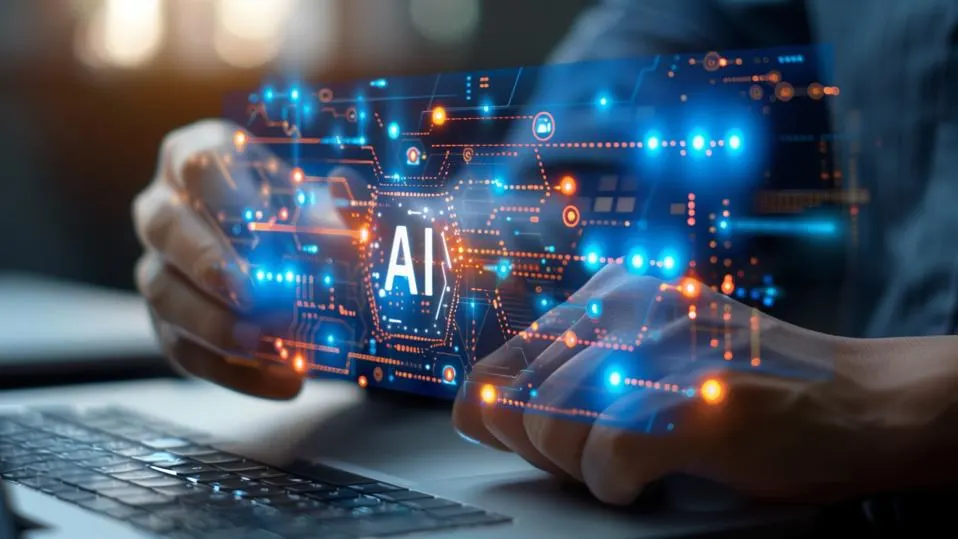
Predictions on How AI Will Redefine Work-Life Balance and Labor Markets

While AI’s impact on jobs is a key area of concern, another significant question is how it will affect work-life balance and the broader labor market. Experts predict that AI will not only redefine the nature of work but also lead to shifts in how work is organized, where it takes place, and how employees balance their professional and personal lives.

One of the most immediate changes is the rise of remote work, which has been accelerated by the pandemic and is expected to continue in the AI-driven future. Dr. Thompson predicts that AI tools will allow employees to collaborate more efficiently across time zones and geographies, making remote work and flexible work arrangements the norm. “AI-powered communication tools, virtual assistants, and task management systems are already helping teams work together seamlessly, regardless of location,” she says. “In the future, AI will continue to improve these systems, making remote work more productive and less dependent on traditional office environments.”

Beyond remote work, AI is also expected to impact the structure of the workday itself. With automation taking care of many routine tasks, employees may find themselves with more time to focus on creative and strategic thinking. According to Jackson, this could result in a more flexible work-life balance. “As AI handles more administrative and operational tasks, workers may be able to have more control over their schedules, potentially leading to less burnout and more time for personal pursuits,” he notes. However, Jackson also cautions that companies will need to ensure that AI is used in ways that genuinely enhance employee well-being, rather than increasing expectations for productivity.

Another important shift will likely be in labor markets, as AI changes the demand for certain skill sets and professions. As AI technologies become more integrated into industries, there will be a growing demand for workers who can manage, maintain, and optimize these systems. Professions such as AI development, machine learning engineering, and data science are expected to see continued growth. However, at the same time, jobs in fields like routine manufacturing and administrative support are likely to diminish.

For HR leaders, adapting to this changing landscape means preparing for a workforce that is not only skilled in traditional roles but also equipped with the technical competencies to thrive alongside AI. “The future of work will require a deep integration of human talent and machine intelligence,” says Dr. Thompson. “Organizations that invest in building a workforce with diverse skills, including AI literacy, will be in a strong position to adapt to the evolving labor market.”

At the same time, there are concerns about the potential for AI to exacerbate inequality. “While some jobs will be displaced, others will be created. However, the challenge will be ensuring that the transition is equitable,” says Jackson. “If AI leads to job losses in lower-income industries and creates new opportunities in high-tech sectors, there’s a risk that inequality will widen unless proper reskilling and social safety nets are put in place.”

AI and the Evolution of Leadership in the Workplace

As AI continues to play an increasingly central role in the workplace, the role of leadership will also need to evolve. According to Dr. Thompson, leaders will need to adapt to a world in which AI is not just a tool but a partner. “The traditional model of leadership—where decision-making is top-down and centralized—will need to shift to a more collaborative approach,” she says. “Leaders will need to understand AI’s potential and limitations, use it to augment decision-making, and foster a work environment where humans and machines work together to solve complex problems.”

Leadership will also involve managing the ethical implications of AI in the workplace. As AI systems take on more decision-making responsibilities, leaders will need to ensure that algorithms are fair, transparent, and free from bias. “AI-driven decisions, especially in areas like hiring, performance evaluation, and promotions, have the potential to perpetuate biases if not carefully managed,” Dr. Thompson notes. “Leaders will need to be vigilant in monitoring AI systems to ensure that they are aligned with the organization’s values and ethical standards.”

Conclusion: Embracing AI’s Impact on the Future of Work

AI is undeniably poised to redefine the future of work, bringing both challenges and opportunities. While concerns about job displacement are valid, AI is also expected to create new roles, improve work-life balance, and open up opportunities for collaboration between humans and machines. HR leaders and technologists agree that the key to a successful AI-driven future lies in reskilling the workforce, promoting adaptability, and ensuring that AI is deployed in ways that enhance human well-being.

By embracing AI as a tool for collaboration rather than competition, businesses can harness its power to create a more efficient, flexible, and inclusive workplace. As we move forward into this new era, organizations and workers alike must be prepared to adapt to the changing landscape, ensuring that AI’s potential is realized in a way that benefits everyone.


Tags: AI in the workplaceAI-driven jobsfuture of workwork-life balance
ShareTweetShare

Related Posts

Experts Predict That Future AI Data Labeling and Training Will Rely More on Domain Expert Skills Rather Than Fully Synthetic Data
Interviews & Opinions

Experts Predict That Future AI Data Labeling and Training Will Rely More on Domain Expert Skills Rather Than Fully Synthetic Data

January 15, 2026
Global AI Competition: Dominance in the AI Chip Sector, with NVIDIA Maintaining Its Leading Position
AI News

Global AI Competition: Dominance in the AI Chip Sector, with NVIDIA Maintaining Its Leading Position

January 15, 2026
Public Attention on the Immediate Impact of Artificial Intelligence on Employment and Privacy
Interviews & Opinions

Public Attention on the Immediate Impact of Artificial Intelligence on Employment and Privacy

January 14, 2026
AI Is No Longer Confined to Text Generation: Toward Integrated Capabilities in Vision, Perception, and Embodied Robotics
AI News

AI Is No Longer Confined to Text Generation: Toward Integrated Capabilities in Vision, Perception, and Embodied Robotics

January 14, 2026
The Role of AI in Think Tanks and Strategic Research
Interviews & Opinions

The Role of AI in Think Tanks and Strategic Research

January 13, 2026
AI Technology and Its Integration with Traditional Industries as a Key to Enhancing Enterprise Competitiveness
AI News

AI Technology and Its Integration with Traditional Industries as a Key to Enhancing Enterprise Competitiveness

January 13, 2026
Leave Comment
  • Trending
  • Comments
  • Latest
How Artificial Intelligence is Achieving Revolutionary Breakthroughs in the Healthcare Industry: What Success Stories Teach Us

How Artificial Intelligence is Achieving Revolutionary Breakthroughs in the Healthcare Industry: What Success Stories Teach Us

July 26, 2025
AI in the Financial Sector: Which Innovative Strategies Are Driving Digital Transformation?

AI in the Financial Sector: Which Innovative Strategies Are Driving Digital Transformation?

July 26, 2025
From Beginner to Expert: Which AI Platforms Are Best for Beginners? Experts’ Take on Learning Curves and Practical Applications

From Beginner to Expert: Which AI Platforms Are Best for Beginners? Experts’ Take on Learning Curves and Practical Applications

July 23, 2025
How to Find Truly Useful AI Resources Among the Crowd? Experts Share How to Select Efficient and Innovative Tools!

How to Find Truly Useful AI Resources Among the Crowd? Experts Share How to Select Efficient and Innovative Tools!

July 23, 2025
How Artificial Intelligence Enhances Diagnostic Accuracy and Transforms Treatment Methods in Healthcare

How Artificial Intelligence Enhances Diagnostic Accuracy and Transforms Treatment Methods in Healthcare

How AI Enhances Customer Experience and Drives Sales Growth in Retail

How AI Enhances Customer Experience and Drives Sales Growth in Retail

How Artificial Intelligence Enables Precise Risk Assessment and Decision-Making

How Artificial Intelligence Enables Precise Risk Assessment and Decision-Making

How AI is Driving the Revolution in Smart Manufacturing and Production Efficiency

How AI is Driving the Revolution in Smart Manufacturing and Production Efficiency

How to Start Learning AI from Scratch: A Roadmap and Time Plan

How to Start Learning AI from Scratch: A Roadmap and Time Plan

January 15, 2026
BMW Leverages AI + Digital Twin Technology to Simulate Production Processes and Train Models for Defect Detection

BMW Leverages AI + Digital Twin Technology to Simulate Production Processes and Train Models for Defect Detection

January 15, 2026
Experts Predict That Future AI Data Labeling and Training Will Rely More on Domain Expert Skills Rather Than Fully Synthetic Data

Experts Predict That Future AI Data Labeling and Training Will Rely More on Domain Expert Skills Rather Than Fully Synthetic Data

January 15, 2026
Natural Language Processing: One of the Core Pillars of AI

Natural Language Processing: One of the Core Pillars of AI

January 15, 2026
AIInsiderUpdates

Our platform is dedicated to delivering comprehensive coverage of AI developments, featuring news, case studies, expert interviews, and valuable resources for professionals and enthusiasts alike.

© 2025 aiinsiderupdates.com. contacts:[email protected]

No Result
View All Result
  • Home
  • AI News
  • Technology Trends
  • Interviews & Opinions
  • Case Studies
  • Tools & Resources

© 2025 aiinsiderupdates.com. contacts:[email protected]

Welcome Back!

Login to your account below

Forgotten Password?

Retrieve your password

Please enter your username or email address to reset your password.

Log In