






















Introduction
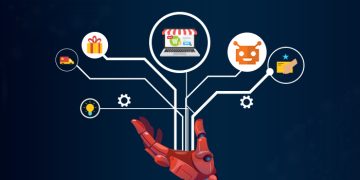
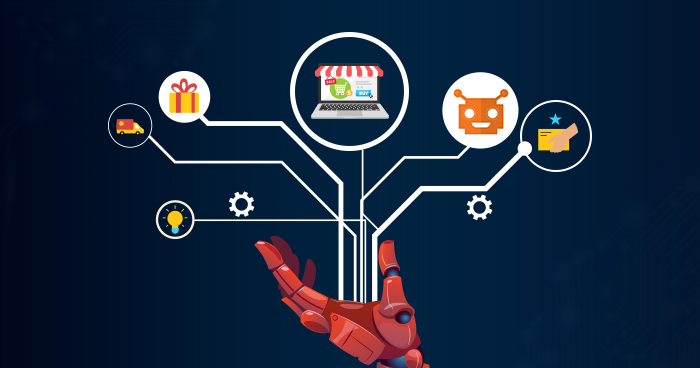
Artificial Intelligence (AI) has revolutionized multiple industries, and retail and e-commerce are no exceptions. With technological advancements, AI has become an essential tool for businesses looking to enhance customer experiences, optimize operations, and drive growth. By leveraging AI in areas such as personalization, inventory management, customer service, and marketing, companies can create smarter, more efficient, and more scalable business models. This article explores the profound impact of AI on the retail and e-commerce sectors, highlighting key use cases, benefits, and the future of AI in these industries.
The Role of AI in Retail and E-Commerce
1. Personalization and Customer Experience
One of the most transformative impacts of AI in retail and e-commerce is personalization. AI algorithms can analyze vast amounts of customer data, including browsing history, purchase behavior, and preferences, to create personalized experiences for shoppers. This personalization can take several forms, such as product recommendations, targeted advertisements, and customized discounts.
For example, e-commerce giants like Amazon and Netflix use AI-driven recommendation engines to suggest products or content based on previous interactions. By delivering a more tailored shopping experience, businesses can increase customer satisfaction, loyalty, and ultimately, sales.
Additionally, AI chatbots and virtual assistants are being used to enhance customer service. These AI-powered tools can answer customer queries, assist with order tracking, and even offer personalized shopping advice, all while reducing the need for human intervention. This leads to faster, more efficient service and a better overall experience for consumers.
2. AI-Powered Search and Visual Recognition
AI is also revolutionizing how customers search for products online. Traditional search engines rely on keywords, but AI-powered search engines use machine learning (ML) and natural language processing (NLP) to understand the intent behind a user’s query. This enables customers to find the products they’re looking for more quickly and accurately, even if they don’t use the exact keywords or phrases.
Moreover, AI-driven visual recognition technology allows customers to search for products using images rather than words. This technology enables users to upload photos of items they like, and the AI system can then suggest similar products available in the retailer’s catalog. For example, platforms like Pinterest and Google have integrated image recognition into their search tools, making it easier for shoppers to discover products visually.
3. Inventory and Supply Chain Management
AI’s ability to analyze large datasets extends beyond customer-facing applications to backend operations like inventory management and supply chain logistics. In retail and e-commerce, AI can help optimize inventory levels, predict demand, and ensure timely product restocking. This not only prevents stockouts or overstocking but also helps retailers manage their warehouses more efficiently.
Machine learning models can analyze past sales data, seasonal trends, and other factors to predict future demand for specific products. This allows retailers to stock their inventory more intelligently, reducing both excess inventory and the risk of losing sales due to stockouts.
Additionally, AI can be used to optimize the entire supply chain process, from supplier selection to delivery logistics. Autonomous delivery systems, such as self-driving vehicles and drones, are starting to gain traction in the e-commerce sector, offering the potential for faster and more cost-effective delivery services.
4. AI in Pricing Strategy
Dynamic pricing is another area where AI has a significant impact. AI can help retailers optimize their pricing strategies by continuously analyzing market conditions, competitor prices, and consumer demand. With machine learning, AI algorithms can automatically adjust prices in real-time to maximize profits and maintain competitiveness.
For instance, e-commerce platforms like Amazon use dynamic pricing to offer competitive prices based on factors such as time of day, user location, inventory levels, and competitor pricing. This allows retailers to remain agile in the face of market fluctuations and to tailor pricing strategies to individual customers or specific segments.
5. Fraud Detection and Security
As the e-commerce industry grows, so does the prevalence of fraudulent activities, such as payment fraud, account takeovers, and identity theft. AI plays a critical role in detecting and preventing fraud by analyzing transaction patterns and identifying anomalies that may indicate fraudulent activity.
Machine learning algorithms can detect suspicious behaviors, such as multiple failed login attempts, unusual purchasing patterns, or abnormal payment methods, and flag them for further review. This helps reduce chargebacks, protect customer data, and prevent losses from fraudulent transactions.
In addition to fraud detection, AI-powered security systems can enhance the overall safety of e-commerce platforms by securing customer data, ensuring compliance with privacy regulations, and mitigating cyber threats.
6. AI-Driven Marketing and Advertising
AI is transforming marketing and advertising in the retail and e-commerce sectors by enabling highly targeted campaigns. Machine learning algorithms analyze consumer behavior data, segment audiences, and predict which products are most likely to resonate with specific customer groups.
Through AI-driven insights, businesses can create hyper-personalized marketing campaigns that increase the likelihood of conversion. For instance, AI tools can optimize email marketing, creating tailored messages for individual customers based on their preferences and past behavior. Similarly, AI can enhance digital advertising by identifying the most effective ad placements and targeting strategies for each customer.
Furthermore, AI-powered tools can analyze the performance of marketing campaigns in real-time, allowing businesses to quickly adjust their strategies and maximize return on investment (ROI).
7. Enhancing the In-Store Experience
AI is also making waves in physical retail locations by enhancing the in-store experience. For example, AI-driven cameras and sensors are being used to track customer movements and behavior in stores, providing retailers with valuable insights into shopper preferences and traffic patterns.
Some retailers have implemented smart mirrors and interactive displays powered by AI, allowing customers to try on clothes virtually or get product recommendations based on their preferences. AI-driven checkout systems, such as Amazon Go, are enabling a seamless shopping experience by eliminating the need for traditional cashiers. Shoppers can simply pick up the items they want and walk out of the store, with AI handling the payment process automatically.
Moreover, AI-powered robots are being deployed in stores to assist with tasks like restocking shelves, guiding customers to products, and even providing personalized recommendations.
8. The Future of AI in Retail and E-Commerce
Looking ahead, the role of AI in retail and e-commerce will continue to expand and evolve. As AI technologies become more advanced, businesses will be able to leverage even more sophisticated tools for customer engagement, operational optimization, and business intelligence.
One exciting development is the integration of AI with augmented reality (AR) and virtual reality (VR). These technologies have the potential to create immersive shopping experiences, where customers can try on clothes virtually or explore products in 3D before making a purchase. For instance, AI-powered AR apps could allow customers to visualize how a piece of furniture might look in their home or try on makeup virtually.
Another promising area is the use of AI in sustainability. As consumers become more eco-conscious, AI can help retailers optimize supply chains to reduce waste, minimize carbon footprints, and improve sustainability efforts. AI-driven tools can predict demand more accurately, reducing overproduction, and assist in selecting environmentally-friendly materials and production methods.
AI will also continue to play a key role in automating many aspects of retail and e-commerce operations, from customer service to inventory management. As automation becomes more advanced, businesses can lower operational costs, improve efficiency, and offer more streamlined customer experiences.
Conclusion
The application of AI in retail and e-commerce has already had a profound impact on how businesses operate and interact with consumers. From personalized shopping experiences and inventory optimization to dynamic pricing and fraud prevention, AI is driving innovation and providing businesses with powerful tools to stay competitive in an increasingly digital world.
As AI technologies continue to advance, the future of retail and e-commerce looks even more exciting, with opportunities for enhanced customer experiences, greater operational efficiency, and more sustainable business practices. Retailers and e-commerce platforms that embrace AI will be well-positioned to meet the demands of tomorrow’s consumers and remain at the forefront of the industry.