





















AIInsiderUpdates
  • Home
  • AI News
    Many Industries Are Adopting AI-Driven Robots to Replace Human Labor

    Many Industries Are Adopting AI-Driven Robots to Replace Human Labor

    Artificial Intelligence Ethics and Regulations

    Artificial Intelligence Ethics and Regulations

    Ensuring Fairness and Transparency in AI Decision-Making: A Priority for Companies and Governments

    Ensuring Fairness and Transparency in AI Decision-Making: A Priority for Companies and Governments

    The Growing Global Debate on AI Ethics and Governance

    The Growing Global Debate on AI Ethics and Governance

    Global Regulatory Frameworks for AI: Progressing Towards Security, Ethics, Accountability, and Data Protection

    Global Regulatory Frameworks for AI: Progressing Towards Security, Ethics, Accountability, and Data Protection

    International Collaboration: A Key Driver for AI Technology Standards and Ecosystem Development

    International Collaboration: A Key Driver for AI Technology Standards and Ecosystem Development

  • Technology Trends
    The Transformer Architecture: The Core of Deep Learning

    The Transformer Architecture: The Core of Deep Learning

    Neural Architecture Search: A Revolution in Artificial Intelligence

    Neural Architecture Search: A Revolution in Artificial Intelligence

    Significant Advances in Self-Supervised Learning (SSL) Methods in Deep Learning

    Significant Advances in Self-Supervised Learning (SSL) Methods in Deep Learning

    Breakthroughs in Deep Learning and Neural Networks: Revolutionizing the Future of AI

    Breakthroughs in Deep Learning and Neural Networks: Revolutionizing the Future of AI

    AI Explainability and Ethics: Balancing Transparency, Accountability, and Trust in AI Systems

    AI Explainability and Ethics: Balancing Transparency, Accountability, and Trust in AI Systems

    Multimodal AI: Revolutionizing Data Integration and Understanding

    Multimodal AI: Revolutionizing Data Integration and Understanding

  • Interviews & Opinions
    AI and Automation Will Take on More of the Heavy Lifting

    AI and Automation Will Take on More of the Heavy Lifting

    As AI Technology Continues to Evolve, Ethical Issues Are Becoming More Prominent

    As AI Technology Continues to Evolve, Ethical Issues Are Becoming More Prominent

    AI Fairness: Addressing Bias and Promoting Equity in Artificial Intelligence

    AI Fairness: Addressing Bias and Promoting Equity in Artificial Intelligence

    The Impact of AI on the Labor Market: A Critical Examination

    The Impact of AI on the Labor Market: A Critical Examination

    Human-Machine Collaboration and Trend Prediction: The Future of Work and Decision-Making

    Human-Machine Collaboration and Trend Prediction: The Future of Work and Decision-Making

    Despite AI Automation Enhancements, Human Contribution Remains Unmatched in Data Creation and Cultural Context Understanding

    Despite AI Automation Enhancements, Human Contribution Remains Unmatched in Data Creation and Cultural Context Understanding

  • Case Studies
    The Application of AI in the Financial Industry

    The Application of AI in the Financial Industry

    The Application of AI in Medical Imaging: A Significant Advancement

    The Application of AI in Medical Imaging: A Significant Advancement

    AI Significantly Enhancing Disease Diagnosis Efficiency and Accuracy

    AI Significantly Enhancing Disease Diagnosis Efficiency and Accuracy

    The Application of AI in Healthcare: Revolutionizing Medicine and Patient Care

    The Application of AI in Healthcare: Revolutionizing Medicine and Patient Care

    Multidimensional Applications of AI in the Digital Transformation of Manufacturing

    Multidimensional Applications of AI in the Digital Transformation of Manufacturing

    AI Customer Service Bots and Smart Advisors: Helping Banks Reduce Human Customer Support Costs While Enhancing Response Efficiency, User Engagement, and Satisfaction

    AI Customer Service Bots and Smart Advisors: Helping Banks Reduce Human Customer Support Costs While Enhancing Response Efficiency, User Engagement, and Satisfaction

  • Tools & Resources
    Keras: Making AI Development Easier While Supporting Complex Model Designs

    Keras: Making AI Development Easier While Supporting Complex Model Designs

    PyTorch: A Flexible and Debug-Friendly Deep Learning Framework

    PyTorch: A Flexible and Debug-Friendly Deep Learning Framework

    AutoAI Tools Enable Developers to Reduce Manual Model Tuning Workload

    AutoAI Tools Enable Developers to Reduce Manual Model Tuning Workload

    AI Development Platforms and Frameworks

    AI Development Platforms and Frameworks

    Real-World Testing and Efficiency Evaluation of Emerging Technological Trends

    Real-World Testing and Efficiency Evaluation of Emerging Technological Trends

    Auxiliary AI Toolset: Enhancing Productivity, Innovation, and Problem Solving Across Industries

    Auxiliary AI Toolset: Enhancing Productivity, Innovation, and Problem Solving Across Industries

AIInsiderUpdates
  • Home
  • AI News
    Many Industries Are Adopting AI-Driven Robots to Replace Human Labor

    Many Industries Are Adopting AI-Driven Robots to Replace Human Labor

    Artificial Intelligence Ethics and Regulations

    Artificial Intelligence Ethics and Regulations

    Ensuring Fairness and Transparency in AI Decision-Making: A Priority for Companies and Governments

    Ensuring Fairness and Transparency in AI Decision-Making: A Priority for Companies and Governments

    The Growing Global Debate on AI Ethics and Governance

    The Growing Global Debate on AI Ethics and Governance

    Global Regulatory Frameworks for AI: Progressing Towards Security, Ethics, Accountability, and Data Protection

    Global Regulatory Frameworks for AI: Progressing Towards Security, Ethics, Accountability, and Data Protection

    International Collaboration: A Key Driver for AI Technology Standards and Ecosystem Development

    International Collaboration: A Key Driver for AI Technology Standards and Ecosystem Development

  • Technology Trends
    The Transformer Architecture: The Core of Deep Learning

    The Transformer Architecture: The Core of Deep Learning

    Neural Architecture Search: A Revolution in Artificial Intelligence

    Neural Architecture Search: A Revolution in Artificial Intelligence

    Significant Advances in Self-Supervised Learning (SSL) Methods in Deep Learning

    Significant Advances in Self-Supervised Learning (SSL) Methods in Deep Learning

    Breakthroughs in Deep Learning and Neural Networks: Revolutionizing the Future of AI

    Breakthroughs in Deep Learning and Neural Networks: Revolutionizing the Future of AI

    AI Explainability and Ethics: Balancing Transparency, Accountability, and Trust in AI Systems

    AI Explainability and Ethics: Balancing Transparency, Accountability, and Trust in AI Systems

    Multimodal AI: Revolutionizing Data Integration and Understanding

    Multimodal AI: Revolutionizing Data Integration and Understanding

  • Interviews & Opinions
    AI and Automation Will Take on More of the Heavy Lifting

    AI and Automation Will Take on More of the Heavy Lifting

    As AI Technology Continues to Evolve, Ethical Issues Are Becoming More Prominent

    As AI Technology Continues to Evolve, Ethical Issues Are Becoming More Prominent

    AI Fairness: Addressing Bias and Promoting Equity in Artificial Intelligence

    AI Fairness: Addressing Bias and Promoting Equity in Artificial Intelligence

    The Impact of AI on the Labor Market: A Critical Examination

    The Impact of AI on the Labor Market: A Critical Examination

    Human-Machine Collaboration and Trend Prediction: The Future of Work and Decision-Making

    Human-Machine Collaboration and Trend Prediction: The Future of Work and Decision-Making

    Despite AI Automation Enhancements, Human Contribution Remains Unmatched in Data Creation and Cultural Context Understanding

    Despite AI Automation Enhancements, Human Contribution Remains Unmatched in Data Creation and Cultural Context Understanding

  • Case Studies
    The Application of AI in the Financial Industry

    The Application of AI in the Financial Industry

    The Application of AI in Medical Imaging: A Significant Advancement

    The Application of AI in Medical Imaging: A Significant Advancement

    AI Significantly Enhancing Disease Diagnosis Efficiency and Accuracy

    AI Significantly Enhancing Disease Diagnosis Efficiency and Accuracy

    The Application of AI in Healthcare: Revolutionizing Medicine and Patient Care

    The Application of AI in Healthcare: Revolutionizing Medicine and Patient Care

    Multidimensional Applications of AI in the Digital Transformation of Manufacturing

    Multidimensional Applications of AI in the Digital Transformation of Manufacturing

    AI Customer Service Bots and Smart Advisors: Helping Banks Reduce Human Customer Support Costs While Enhancing Response Efficiency, User Engagement, and Satisfaction

    AI Customer Service Bots and Smart Advisors: Helping Banks Reduce Human Customer Support Costs While Enhancing Response Efficiency, User Engagement, and Satisfaction

  • Tools & Resources
    Keras: Making AI Development Easier While Supporting Complex Model Designs

    Keras: Making AI Development Easier While Supporting Complex Model Designs

    PyTorch: A Flexible and Debug-Friendly Deep Learning Framework

    PyTorch: A Flexible and Debug-Friendly Deep Learning Framework

    AutoAI Tools Enable Developers to Reduce Manual Model Tuning Workload

    AutoAI Tools Enable Developers to Reduce Manual Model Tuning Workload

    AI Development Platforms and Frameworks

    AI Development Platforms and Frameworks

    Real-World Testing and Efficiency Evaluation of Emerging Technological Trends

    Real-World Testing and Efficiency Evaluation of Emerging Technological Trends

    Auxiliary AI Toolset: Enhancing Productivity, Innovation, and Problem Solving Across Industries

    Auxiliary AI Toolset: Enhancing Productivity, Innovation, and Problem Solving Across Industries

AIInsiderUpdates
No Result
View All Result

The Application of AI in Medical Imaging: A Significant Advancement

April 21, 2026
The Application of AI in Medical Imaging: A Significant Advancement

Introduction

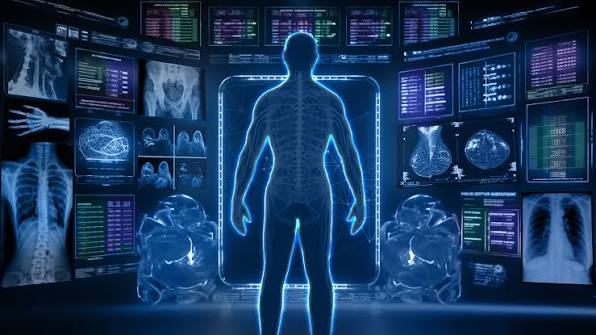
Medical imaging has long been a cornerstone of modern medicine, allowing healthcare professionals to diagnose and treat diseases with precision and accuracy. The ability to visualize the inside of the human body through various imaging techniques such as X-rays, CT scans, MRIs, and ultrasounds has revolutionized the way clinicians approach patient care. However, despite significant advancements in imaging technology, there remains a constant demand for improvement in accuracy, speed, and efficiency in interpreting these complex images.

In recent years, the introduction of Artificial Intelligence (AI) into the field of medical imaging has emerged as a transformative force. By leveraging machine learning, deep learning, and neural networks, AI algorithms are capable of analyzing medical images faster, more accurately, and more comprehensively than traditional methods. This article explores the impact of AI in the field of medical imaging, highlighting its applications, benefits, challenges, and future potential.

The Role of AI in Medical Imaging

AI in medical imaging primarily involves the use of algorithms that can learn to interpret and analyze medical images. This process typically requires large datasets of labeled images to train the AI models. Deep learning, a subset of machine learning, is especially powerful in medical imaging, as it can automatically learn features from raw image data and make predictions or classifications.

There are several key areas where AI is currently making a significant impact in medical imaging:

  1. Image Interpretation and Diagnosis Traditionally, medical imaging interpretation has relied heavily on the expertise of radiologists and clinicians, who manually assess images for signs of disease or abnormalities. However, the increasing complexity and volume of medical images have made this process time-consuming and prone to human error. AI is helping to automate and augment this process by analyzing medical images with high precision and identifying patterns that may be difficult for the human eye to detect. For example, AI algorithms can analyze X-rays, CT scans, MRI scans, and ultrasound images to detect conditions such as tumors, fractures, neurological diseases, heart disease, and lung disorders. These algorithms are trained to detect specific features within the images, such as the shape, size, and location of abnormal structures, to assist radiologists in making more accurate diagnoses. AI-driven tools like computer-aided detection (CAD) and deep learning-based diagnostic systems have already been implemented in several medical imaging modalities, and studies have shown that AI systems can match or even outperform human radiologists in tasks like detecting breast cancer on mammograms, identifying lung nodules in chest X-rays, and diagnosing diabetic retinopathy in retinal images.
  2. Automating Image Analysis One of the key advantages of AI in medical imaging is its ability to automate the analysis of large volumes of images. In hospitals and clinics, radiologists are often faced with a huge backlog of images to analyze, which can lead to delays in diagnosis and treatment. AI systems can help by quickly processing and analyzing images, flagging those that require urgent attention and providing automated measurements of key parameters, such as tumor size or organ volume. In oncology, for instance, AI can automatically quantify tumor size and detect changes over time, allowing clinicians to track the progression of cancer more efficiently. This automation can not only speed up the diagnostic process but also reduce the workload of radiologists, enabling them to focus on more complex cases or patient interactions.
  3. Personalized Medicine Personalized medicine is a growing field that aims to tailor treatment plans to individual patients based on their specific genetic makeup, medical history, and lifestyle. AI plays an important role in advancing personalized medicine by analyzing medical images in conjunction with other patient data, such as genetic information and clinical history, to provide a more comprehensive and accurate diagnosis. For example, AI models can be used to predict how a patient’s cancer might respond to specific treatments by analyzing the characteristics of tumors in imaging data. This allows for more personalized treatment plans, ensuring that patients receive the most effective therapies based on their unique circumstances. Additionally, AI algorithms can analyze longitudinal imaging data to track how diseases evolve over time, helping doctors predict disease progression and adjust treatment plans accordingly. This can improve patient outcomes by providing timely interventions and reducing unnecessary treatments.
  4. Early Detection and Prevention Early detection of diseases, especially cancers, is one of the most promising applications of AI in medical imaging. Many conditions, such as lung cancer, breast cancer, and brain tumors, can be treated more effectively when caught early. However, early-stage diseases often present subtle changes in imaging data that may not be obvious to human clinicians. AI algorithms are highly effective at identifying early-stage diseases by analyzing medical images for even the most minor abnormalities. For instance, AI can detect micro-calcifications in mammograms, which may indicate early breast cancer, or small lung nodules in chest X-rays, which could be early signs of lung cancer. These algorithms are designed to spot patterns and anomalies that may go unnoticed by human radiologists, leading to earlier diagnoses and better treatment outcomes. Furthermore, AI can also be used for preventive health screening. By analyzing large populations of medical images, AI can identify individuals who are at high risk of developing certain conditions, allowing for early interventions and preventative measures. For example, AI models can be used to screen for conditions like diabetic retinopathy or stroke and identify individuals who may require closer monitoring or lifestyle changes.
  5. Improving Workflow and Efficiency The integration of AI into medical imaging workflows has the potential to streamline processes and improve overall healthcare efficiency. Radiologists are often overwhelmed by the sheer volume of imaging studies that they need to interpret, leading to long wait times for patients and potential burnout among healthcare professionals. AI can alleviate some of these pressures by automating routine tasks, such as image segmentation, lesion detection, and image comparison. AI can also help reduce the likelihood of errors caused by human fatigue or oversight. By automatically flagging abnormal findings and prioritizing urgent cases, AI can assist radiologists in making more informed decisions and improve the overall quality of care.
Benefits of AI in Medical Imaging

  1. Improved Accuracy and Consistency One of the major advantages of AI in medical imaging is its ability to provide highly accurate and consistent results. AI models are trained on large, annotated datasets and can analyze medical images without the variability associated with human interpretation. This helps to reduce the likelihood of misdiagnoses, missed abnormalities, and inconsistencies in image interpretation. AI also has the ability to detect patterns that may be invisible to the human eye, leading to earlier and more accurate diagnoses. By providing additional insights, AI complements the expertise of radiologists and enhances their decision-making process.
  2. Increased Efficiency and Faster Diagnosis The speed at which AI can process and analyze medical images far surpasses that of human radiologists. In emergency situations, such as trauma cases, AI can quickly assess imaging studies and flag critical findings, ensuring that patients receive timely care. This can be particularly important in areas with limited access to radiologists or in regions with healthcare worker shortages. AI also accelerates the diagnostic process by automating routine tasks and providing real-time insights. This is especially valuable in settings where large volumes of images need to be processed, such as screening programs or large hospitals. With faster analysis, clinicians can make more informed decisions and offer prompt treatments.
  3. Cost-Effective Solutions While the initial cost of implementing AI in medical imaging can be high, the long-term benefits include potential cost savings. AI can help reduce the need for manual labor and minimize the chances of misdiagnoses that could lead to expensive treatments or legal claims. Additionally, AI can help optimize the use of medical resources, ensuring that imaging equipment is used efficiently and that patients are seen in a timely manner. Moreover, AI can improve access to healthcare, particularly in underserved areas. With AI-powered diagnostic tools, hospitals in remote regions can provide high-quality diagnostic services without the need for highly specialized radiologists on-site. This democratization of healthcare could lead to better outcomes for underserved populations.

Challenges and Limitations of AI in Medical Imaging

  1. Data Quality and Availability One of the primary challenges in implementing AI in medical imaging is the availability and quality of data. AI models require large, annotated datasets to train effectively, but these datasets are often not readily available due to privacy concerns, data sharing restrictions, and inconsistencies in data labeling. Ensuring that the data used to train AI models is diverse and representative is essential to avoid bias and ensure generalizability across different populations.
  2. Regulatory and Ethical Concerns The use of AI in medical imaging raises important regulatory and ethical questions. In many countries, medical imaging devices and software must be approved by regulatory bodies such as the FDA or the European Medicines Agency (EMA) before they can be used in clinical practice. Ensuring that AI systems meet these regulatory standards is crucial for patient safety. Additionally, there are ethical concerns about data privacy and the potential for AI to make decisions without human oversight. Patients must be assured that their medical data is secure and that AI is being used to augment, rather than replace, the clinical decision-making process.
  3. Integration into Clinical Practice Although AI has shown tremendous promise in medical imaging, its integration into everyday clinical practice is still a work in progress. AI systems must be able to seamlessly integrate with existing healthcare infrastructures, including electronic health records (EHRs), imaging systems, and workflows. Ensuring that AI tools are user-friendly, compatible with existing systems, and properly integrated into the clinical workflow is crucial for their successful adoption.
  4. Dependence on AI and Over-reliance While AI has the potential to significantly improve the efficiency and accuracy of medical imaging, there is a risk of over-reliance on these systems. It is essential that AI is seen as a tool to assist clinicians, not replace them. Radiologists and other healthcare professionals must remain actively involved in the decision-making process, interpreting the

results provided by AI systems and considering the broader context of the patient’s condition.

The Future of AI in Medical Imaging

The future of AI in medical imaging is bright, with continued advancements expected in both the capabilities of AI systems and their integration into clinical practice. As AI algorithms become more sophisticated and datasets become larger and more diverse, the accuracy and reliability of AI-based diagnostic tools will continue to improve.

AI is expected to become increasingly integrated into the broader healthcare ecosystem, providing clinicians with powerful tools to enhance patient care. Additionally, the development of explainable AI will address some of the current limitations around transparency and trust, allowing clinicians to better understand and interpret the decisions made by AI systems.

In the long term, AI’s role in medical imaging will likely extend beyond diagnosis to include areas such as treatment planning, personalized medicine, and predictive analytics. The integration of AI into these areas will help ensure that healthcare is more proactive, personalized, and efficient, leading to better outcomes for patients.

Conclusion

The application of AI in medical imaging has already brought significant advancements in terms of accuracy, efficiency, and accessibility. By automating routine tasks, improving diagnostic accuracy, and enabling earlier detection of diseases, AI is transforming the way medical imaging is used to diagnose and treat patients. While challenges remain, including data quality, regulatory issues, and ethical concerns, the future of AI in medical imaging is promising. As the technology evolves, it will play an increasingly vital role in shaping the future of healthcare, ensuring that patients receive the best possible care.

Tags: aiCase StudiesMedical Imaging
ShareTweetShare

Related Posts

The Application of AI in the Financial Industry
Case Studies

The Application of AI in the Financial Industry

April 21, 2026
AI Significantly Enhancing Disease Diagnosis Efficiency and Accuracy
Case Studies

AI Significantly Enhancing Disease Diagnosis Efficiency and Accuracy

April 4, 2026
The Application of AI in Healthcare: Revolutionizing Medicine and Patient Care
Case Studies

The Application of AI in Healthcare: Revolutionizing Medicine and Patient Care

April 4, 2026
Multidimensional Applications of AI in the Digital Transformation of Manufacturing
Case Studies

Multidimensional Applications of AI in the Digital Transformation of Manufacturing

January 21, 2026
AI Customer Service Bots and Smart Advisors: Helping Banks Reduce Human Customer Support Costs While Enhancing Response Efficiency, User Engagement, and Satisfaction
Case Studies

AI Customer Service Bots and Smart Advisors: Helping Banks Reduce Human Customer Support Costs While Enhancing Response Efficiency, User Engagement, and Satisfaction

January 20, 2026
Personalized Recommendation and Inventory Optimization
Case Studies

Personalized Recommendation and Inventory Optimization

January 19, 2026
Leave Comment
  • Trending
  • Comments
  • Latest
How Artificial Intelligence is Achieving Revolutionary Breakthroughs in the Healthcare Industry: What Success Stories Teach Us

How Artificial Intelligence is Achieving Revolutionary Breakthroughs in the Healthcare Industry: What Success Stories Teach Us

July 26, 2025
Deep Learning Simulates Human Brain Signal Processing Pathways Through the Construction of Multi-Layer Neural Networks

Deep Learning Simulates Human Brain Signal Processing Pathways Through the Construction of Multi-Layer Neural Networks

January 14, 2026
From Beginner to Expert: Which AI Platforms Are Best for Beginners? Experts’ Take on Learning Curves and Practical Applications

From Beginner to Expert: Which AI Platforms Are Best for Beginners? Experts’ Take on Learning Curves and Practical Applications

July 23, 2025
AI in the Financial Sector: Which Innovative Strategies Are Driving Digital Transformation?

AI in the Financial Sector: Which Innovative Strategies Are Driving Digital Transformation?

July 26, 2025
How Artificial Intelligence Enhances Diagnostic Accuracy and Transforms Treatment Methods in Healthcare

How Artificial Intelligence Enhances Diagnostic Accuracy and Transforms Treatment Methods in Healthcare

How AI Enhances Customer Experience and Drives Sales Growth in Retail

How AI Enhances Customer Experience and Drives Sales Growth in Retail

How Artificial Intelligence Enables Precise Risk Assessment and Decision-Making

How Artificial Intelligence Enables Precise Risk Assessment and Decision-Making

How AI is Driving the Revolution in Smart Manufacturing and Production Efficiency

How AI is Driving the Revolution in Smart Manufacturing and Production Efficiency

Keras: Making AI Development Easier While Supporting Complex Model Designs

Keras: Making AI Development Easier While Supporting Complex Model Designs

April 21, 2026
PyTorch: A Flexible and Debug-Friendly Deep Learning Framework

PyTorch: A Flexible and Debug-Friendly Deep Learning Framework

April 21, 2026
The Application of AI in the Financial Industry

The Application of AI in the Financial Industry

April 21, 2026
The Application of AI in Medical Imaging: A Significant Advancement

The Application of AI in Medical Imaging: A Significant Advancement

April 21, 2026
AIInsiderUpdates

Our platform is dedicated to delivering comprehensive coverage of AI developments, featuring news, case studies, expert interviews, and valuable resources for professionals and enthusiasts alike.

© 2025 aiinsiderupdates.com. contacts:[email protected]

No Result
View All Result
  • Home
  • AI News
  • Technology Trends
  • Interviews & Opinions
  • Case Studies
  • Tools & Resources

© 2025 aiinsiderupdates.com. contacts:[email protected]

Welcome Back!

Login to your account below

Forgotten Password?

Retrieve your password

Please enter your username or email address to reset your password.

Log In