





















AIInsiderUpdates
  • Home
  • AI News
    Many Industries Are Adopting AI-Driven Robots to Replace Human Labor

    Many Industries Are Adopting AI-Driven Robots to Replace Human Labor

    Artificial Intelligence Ethics and Regulations

    Artificial Intelligence Ethics and Regulations

    Ensuring Fairness and Transparency in AI Decision-Making: A Priority for Companies and Governments

    Ensuring Fairness and Transparency in AI Decision-Making: A Priority for Companies and Governments

    The Growing Global Debate on AI Ethics and Governance

    The Growing Global Debate on AI Ethics and Governance

    Global Regulatory Frameworks for AI: Progressing Towards Security, Ethics, Accountability, and Data Protection

    Global Regulatory Frameworks for AI: Progressing Towards Security, Ethics, Accountability, and Data Protection

    International Collaboration: A Key Driver for AI Technology Standards and Ecosystem Development

    International Collaboration: A Key Driver for AI Technology Standards and Ecosystem Development

  • Technology Trends
    The Transformer Architecture: The Core of Deep Learning

    The Transformer Architecture: The Core of Deep Learning

    Neural Architecture Search: A Revolution in Artificial Intelligence

    Neural Architecture Search: A Revolution in Artificial Intelligence

    Significant Advances in Self-Supervised Learning (SSL) Methods in Deep Learning

    Significant Advances in Self-Supervised Learning (SSL) Methods in Deep Learning

    Breakthroughs in Deep Learning and Neural Networks: Revolutionizing the Future of AI

    Breakthroughs in Deep Learning and Neural Networks: Revolutionizing the Future of AI

    AI Explainability and Ethics: Balancing Transparency, Accountability, and Trust in AI Systems

    AI Explainability and Ethics: Balancing Transparency, Accountability, and Trust in AI Systems

    Multimodal AI: Revolutionizing Data Integration and Understanding

    Multimodal AI: Revolutionizing Data Integration and Understanding

  • Interviews & Opinions
    AI and Automation Will Take on More of the Heavy Lifting

    AI and Automation Will Take on More of the Heavy Lifting

    As AI Technology Continues to Evolve, Ethical Issues Are Becoming More Prominent

    As AI Technology Continues to Evolve, Ethical Issues Are Becoming More Prominent

    AI Fairness: Addressing Bias and Promoting Equity in Artificial Intelligence

    AI Fairness: Addressing Bias and Promoting Equity in Artificial Intelligence

    The Impact of AI on the Labor Market: A Critical Examination

    The Impact of AI on the Labor Market: A Critical Examination

    Human-Machine Collaboration and Trend Prediction: The Future of Work and Decision-Making

    Human-Machine Collaboration and Trend Prediction: The Future of Work and Decision-Making

    Despite AI Automation Enhancements, Human Contribution Remains Unmatched in Data Creation and Cultural Context Understanding

    Despite AI Automation Enhancements, Human Contribution Remains Unmatched in Data Creation and Cultural Context Understanding

  • Case Studies
    The Application of AI in the Financial Industry

    The Application of AI in the Financial Industry

    The Application of AI in Medical Imaging: A Significant Advancement

    The Application of AI in Medical Imaging: A Significant Advancement

    AI Significantly Enhancing Disease Diagnosis Efficiency and Accuracy

    AI Significantly Enhancing Disease Diagnosis Efficiency and Accuracy

    The Application of AI in Healthcare: Revolutionizing Medicine and Patient Care

    The Application of AI in Healthcare: Revolutionizing Medicine and Patient Care

    Multidimensional Applications of AI in the Digital Transformation of Manufacturing

    Multidimensional Applications of AI in the Digital Transformation of Manufacturing

    AI Customer Service Bots and Smart Advisors: Helping Banks Reduce Human Customer Support Costs While Enhancing Response Efficiency, User Engagement, and Satisfaction

    AI Customer Service Bots and Smart Advisors: Helping Banks Reduce Human Customer Support Costs While Enhancing Response Efficiency, User Engagement, and Satisfaction

  • Tools & Resources
    Keras: Making AI Development Easier While Supporting Complex Model Designs

    Keras: Making AI Development Easier While Supporting Complex Model Designs

    PyTorch: A Flexible and Debug-Friendly Deep Learning Framework

    PyTorch: A Flexible and Debug-Friendly Deep Learning Framework

    AutoAI Tools Enable Developers to Reduce Manual Model Tuning Workload

    AutoAI Tools Enable Developers to Reduce Manual Model Tuning Workload

    AI Development Platforms and Frameworks

    AI Development Platforms and Frameworks

    Real-World Testing and Efficiency Evaluation of Emerging Technological Trends

    Real-World Testing and Efficiency Evaluation of Emerging Technological Trends

    Auxiliary AI Toolset: Enhancing Productivity, Innovation, and Problem Solving Across Industries

    Auxiliary AI Toolset: Enhancing Productivity, Innovation, and Problem Solving Across Industries

AIInsiderUpdates
  • Home
  • AI News
    Many Industries Are Adopting AI-Driven Robots to Replace Human Labor

    Many Industries Are Adopting AI-Driven Robots to Replace Human Labor

    Artificial Intelligence Ethics and Regulations

    Artificial Intelligence Ethics and Regulations

    Ensuring Fairness and Transparency in AI Decision-Making: A Priority for Companies and Governments

    Ensuring Fairness and Transparency in AI Decision-Making: A Priority for Companies and Governments

    The Growing Global Debate on AI Ethics and Governance

    The Growing Global Debate on AI Ethics and Governance

    Global Regulatory Frameworks for AI: Progressing Towards Security, Ethics, Accountability, and Data Protection

    Global Regulatory Frameworks for AI: Progressing Towards Security, Ethics, Accountability, and Data Protection

    International Collaboration: A Key Driver for AI Technology Standards and Ecosystem Development

    International Collaboration: A Key Driver for AI Technology Standards and Ecosystem Development

  • Technology Trends
    The Transformer Architecture: The Core of Deep Learning

    The Transformer Architecture: The Core of Deep Learning

    Neural Architecture Search: A Revolution in Artificial Intelligence

    Neural Architecture Search: A Revolution in Artificial Intelligence

    Significant Advances in Self-Supervised Learning (SSL) Methods in Deep Learning

    Significant Advances in Self-Supervised Learning (SSL) Methods in Deep Learning

    Breakthroughs in Deep Learning and Neural Networks: Revolutionizing the Future of AI

    Breakthroughs in Deep Learning and Neural Networks: Revolutionizing the Future of AI

    AI Explainability and Ethics: Balancing Transparency, Accountability, and Trust in AI Systems

    AI Explainability and Ethics: Balancing Transparency, Accountability, and Trust in AI Systems

    Multimodal AI: Revolutionizing Data Integration and Understanding

    Multimodal AI: Revolutionizing Data Integration and Understanding

  • Interviews & Opinions
    AI and Automation Will Take on More of the Heavy Lifting

    AI and Automation Will Take on More of the Heavy Lifting

    As AI Technology Continues to Evolve, Ethical Issues Are Becoming More Prominent

    As AI Technology Continues to Evolve, Ethical Issues Are Becoming More Prominent

    AI Fairness: Addressing Bias and Promoting Equity in Artificial Intelligence

    AI Fairness: Addressing Bias and Promoting Equity in Artificial Intelligence

    The Impact of AI on the Labor Market: A Critical Examination

    The Impact of AI on the Labor Market: A Critical Examination

    Human-Machine Collaboration and Trend Prediction: The Future of Work and Decision-Making

    Human-Machine Collaboration and Trend Prediction: The Future of Work and Decision-Making

    Despite AI Automation Enhancements, Human Contribution Remains Unmatched in Data Creation and Cultural Context Understanding

    Despite AI Automation Enhancements, Human Contribution Remains Unmatched in Data Creation and Cultural Context Understanding

  • Case Studies
    The Application of AI in the Financial Industry

    The Application of AI in the Financial Industry

    The Application of AI in Medical Imaging: A Significant Advancement

    The Application of AI in Medical Imaging: A Significant Advancement

    AI Significantly Enhancing Disease Diagnosis Efficiency and Accuracy

    AI Significantly Enhancing Disease Diagnosis Efficiency and Accuracy

    The Application of AI in Healthcare: Revolutionizing Medicine and Patient Care

    The Application of AI in Healthcare: Revolutionizing Medicine and Patient Care

    Multidimensional Applications of AI in the Digital Transformation of Manufacturing

    Multidimensional Applications of AI in the Digital Transformation of Manufacturing

    AI Customer Service Bots and Smart Advisors: Helping Banks Reduce Human Customer Support Costs While Enhancing Response Efficiency, User Engagement, and Satisfaction

    AI Customer Service Bots and Smart Advisors: Helping Banks Reduce Human Customer Support Costs While Enhancing Response Efficiency, User Engagement, and Satisfaction

  • Tools & Resources
    Keras: Making AI Development Easier While Supporting Complex Model Designs

    Keras: Making AI Development Easier While Supporting Complex Model Designs

    PyTorch: A Flexible and Debug-Friendly Deep Learning Framework

    PyTorch: A Flexible and Debug-Friendly Deep Learning Framework

    AutoAI Tools Enable Developers to Reduce Manual Model Tuning Workload

    AutoAI Tools Enable Developers to Reduce Manual Model Tuning Workload

    AI Development Platforms and Frameworks

    AI Development Platforms and Frameworks

    Real-World Testing and Efficiency Evaluation of Emerging Technological Trends

    Real-World Testing and Efficiency Evaluation of Emerging Technological Trends

    Auxiliary AI Toolset: Enhancing Productivity, Innovation, and Problem Solving Across Industries

    Auxiliary AI Toolset: Enhancing Productivity, Innovation, and Problem Solving Across Industries

AIInsiderUpdates
No Result
View All Result

Many Industries Are Adopting AI-Driven Robots to Replace Human Labor

April 21, 2026
Many Industries Are Adopting AI-Driven Robots to Replace Human Labor

Introduction

In recent years, artificial intelligence (AI) and robotics have begun to converge in ways that are reshaping the global workforce. As industries seek to boost efficiency, reduce costs, and innovate processes, AI-driven robots are emerging as viable alternatives to human labor. From manufacturing plants to healthcare facilities, AI-powered robots are revolutionizing a wide range of sectors by automating tasks traditionally performed by humans. This shift promises numerous benefits but also raises critical concerns regarding employment, ethics, and the future of work. This article delves into the impact of AI-driven robots on various industries, their advantages, challenges, and the implications for the labor market.

The Rise of AI-Driven Robots in Industry

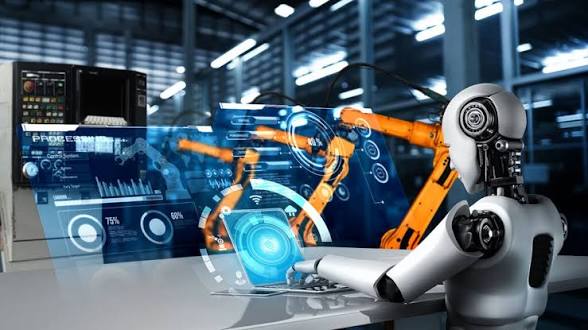
AI-driven robots are machines equipped with intelligent software that enables them to perform tasks autonomously. These robots leverage machine learning (ML), computer vision, and natural language processing to analyze data, make decisions, and perform tasks with minimal human intervention. Unlike traditional robots, which are limited to repetitive actions, AI-powered robots can adapt to changing conditions, learn from experience, and improve their performance over time.

  1. Manufacturing and Production
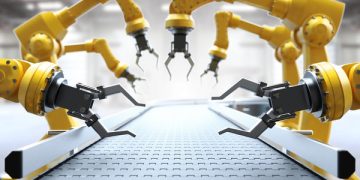
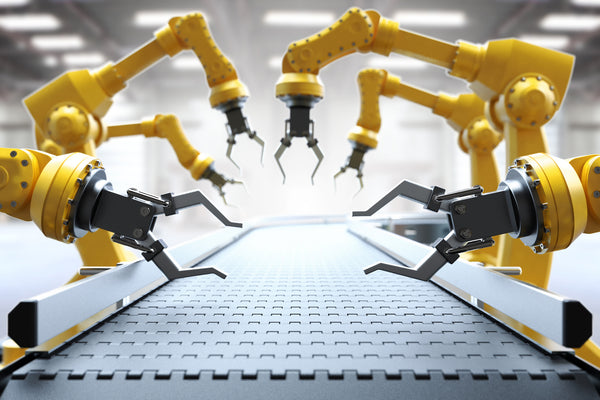
    The manufacturing industry has long been a prime adopter of robotics. However, the advent of AI-driven robots is taking automation to new heights. In traditional manufacturing, robots are typically used to perform repetitive, physically demanding tasks such as assembly line work, welding, or painting. AI-driven robots, however, go beyond simple task automation.
    With AI capabilities, robots can now make real-time decisions about how to optimize production processes. For example, AI-driven robots can analyze production data, detect anomalies in real-time, and adjust their actions accordingly to minimize waste or downtime. This ability to self-optimize is particularly valuable in industries like automotive manufacturing, where precision and speed are critical. In addition, AI-powered robots can assist with complex tasks, such as quality control, by inspecting products for defects and making adjustments without human supervision.
    Companies like Tesla and General Motors have already deployed AI-driven robots in their production lines to streamline operations and reduce labor costs. As AI continues to evolve, the potential for further automation in manufacturing is vast, leading to faster, more cost-effective production.
  2. Healthcare and Medicine
    The healthcare industry is another sector that stands to benefit significantly from AI-driven robots. In hospitals, AI-powered robotic systems are being used for surgeries, patient care, and administrative tasks. Surgical robots, such as those developed by companies like Intuitive Surgical (the makers of the da Vinci Surgical System), enable surgeons to perform complex procedures with greater precision and minimal invasiveness. These robots are equipped with AI algorithms that assist in planning surgeries, monitoring patient vitals in real time, and adapting to changing conditions during the procedure.
    Beyond surgery, AI-driven robots are also being used for tasks like delivering medications, disinfecting hospital rooms, and assisting with rehabilitation. Robots like Moxi, an AI-powered robot developed by Diligent Robotics, help nurses and staff by performing routine tasks such as fetching supplies, allowing healthcare workers to focus more on patient care.
    While AI in healthcare offers incredible potential for improving patient outcomes, it also raises concerns about the dehumanization of care. Critics argue that while robots can improve efficiency, the personal touch and emotional connection provided by human healthcare professionals cannot be replicated by machines.
  3. Logistics and Supply Chain
    Logistics and supply chain management is another industry where AI-driven robots are making a significant impact. With the rise of e-commerce, companies are under increasing pressure to speed up order fulfillment and reduce operational costs. AI-powered robots, such as autonomous delivery drones and warehouse robots, are helping to meet these demands.
    In warehouses, robots equipped with AI can navigate the facility, identify inventory, pick and pack goods, and even perform quality checks without human intervention. Amazon’s use of robots in its fulfillment centers is one example of how AI-driven robots are transforming logistics. These robots, which use AI to optimize their movements and interact with humans safely, are dramatically improving the speed and efficiency of warehouse operations.
    In transportation, autonomous delivery vehicles and drones are beginning to replace traditional delivery methods. AI algorithms allow these machines to calculate the most efficient routes, navigate obstacles, and make real-time decisions about weather and traffic conditions. The widespread adoption of autonomous delivery systems could reduce labor costs and increase the speed of deliveries.
  4. Retail and Customer Service
    Retail is another sector where AI-driven robots are gradually replacing human labor. From automated checkout systems to robots that assist customers in finding products, AI is making its mark on how retail businesses operate. For example, companies like Lowe’s have introduced robots that roam the aisles, helping customers locate products and providing information about inventory.
    Additionally, AI-driven robots are being used in customer service roles, particularly in environments like hotels, restaurants, and airports. Robots like Pepper, a humanoid robot developed by SoftBank, interact with customers to answer questions, provide directions, and even offer personalized recommendations. While these robots can improve efficiency and customer experience, they also raise questions about the role of human workers in customer-facing positions.
    As AI continues to advance, it’s possible that robots could fully replace cashiers, sales associates, and even managers in certain retail environments, especially in self-service stores.
  5. Agriculture and Farming
    Agriculture is another industry that is increasingly adopting AI-driven robots to replace human labor. AI-powered robots are being used for tasks like planting crops, harvesting, weeding, and monitoring crop health. For example, robots like Octinion’s Rubion, a strawberry-picking robot, can autonomously pick ripe strawberries from fields with precision and speed that outpaces human workers.
    Drones are also being employed in agriculture to monitor crop health and optimize irrigation. By using AI algorithms to analyze aerial images, drones can detect issues like pest infestations, nutrient deficiencies, and water stress, enabling farmers to take action before problems become widespread.
    The adoption of AI-driven robots in agriculture promises to address labor shortages in farming, particularly in areas where migrant labor is becoming less available. It can also improve sustainability by reducing pesticide use, optimizing irrigation, and reducing waste.

Advantages of AI-Driven Robots

The adoption of AI-driven robots offers numerous advantages across various industries:

  1. Increased Efficiency and Productivity
    One of the most significant advantages of AI-driven robots is their ability to increase efficiency and productivity. Robots can work around the clock without the need for breaks, reducing the time required to complete tasks. AI allows these robots to optimize their actions, continually learning from their environment and improving performance.
  2. Cost Reduction
    By automating repetitive tasks, businesses can significantly reduce labor costs. AI-driven robots eliminate the need for human workers to perform dangerous or monotonous jobs, allowing organizations to allocate resources more effectively. Additionally, robots can minimize errors, waste, and downtime, further driving down costs.
  3. Precision and Accuracy
    AI-powered robots can perform tasks with a level of precision and accuracy that humans cannot match. In fields like manufacturing and healthcare, this is especially critical, as small errors can have significant consequences. AI-driven robots excel in performing repetitive tasks with consistency, ensuring high-quality output every time.
  4. Safety and Risk Mitigation
    In industries where workers are exposed to hazardous environments, such as mining, construction, and chemical production, AI-driven robots can reduce the risk of human injury. Robots can take over dangerous tasks, such as handling toxic substances, navigating hazardous areas, or performing high-risk procedures, thereby protecting human workers.
Challenges and Ethical Considerations

While the advantages of AI-driven robots are clear, their adoption also presents several challenges:

  1. Job Displacement and Unemployment
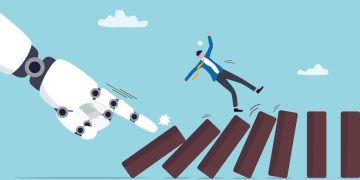
    Perhaps the most significant concern surrounding the widespread adoption of AI-driven robots is job displacement. As robots take over tasks traditionally performed by humans, workers in industries like manufacturing, logistics, and retail are at risk of losing their jobs. This shift could lead to significant economic disruption, particularly in regions where industries are heavily reliant on human labor.
    Governments and businesses must consider how to address the social and economic impact of automation. This could include investing in workforce retraining programs, promoting policies that support job creation in emerging sectors, and implementing social safety nets for displaced workers.
  2. Ethical Concerns about AI Decision-Making
    The ethical implications of AI-driven robots are another important consideration. As robots become more autonomous, questions arise about accountability when things go wrong. For example, if an AI-powered robot in a healthcare setting makes a mistake that leads to patient harm, who is responsible—the robot, the developer, or the healthcare provider?
    Additionally, the use of AI-driven robots raises concerns about privacy and data security. Robots often collect large amounts of data to improve their performance, and if this data is not properly secured, it could be exploited by malicious actors.
  3. Human-Robot Interaction
    As robots begin to interact more with humans, whether in customer service or healthcare, issues surrounding human-robot relationships emerge. There is the potential for robots to reduce human interaction and socialization, leading to concerns about isolation and the erosion of human connections. Striking the right balance between robot autonomy and human engagement will be crucial.

Conclusion

The widespread adoption of AI-driven robots in industries across the globe is ushering in a new era of automation. While these robots promise to increase efficiency, reduce costs, and improve precision, they also raise significant concerns related to job displacement, ethics, and human interaction. As AI continues to evolve, it is essential for businesses, governments, and societies to address these challenges thoughtfully and responsibly.

As industries continue to adopt AI-driven robots, it will be crucial to strike a balance between embracing technological innovation and ensuring that the human workforce is not left behind. With careful planning and consideration, AI-driven robots can be a powerful tool for improving productivity, enhancing safety, and creating new opportunities in the workforce.

Tags: aiAI newsRobots
ShareTweetShare

Related Posts

Artificial Intelligence Ethics and Regulations
AI News

Artificial Intelligence Ethics and Regulations

April 21, 2026
Ensuring Fairness and Transparency in AI Decision-Making: A Priority for Companies and Governments
AI News

Ensuring Fairness and Transparency in AI Decision-Making: A Priority for Companies and Governments

April 4, 2026
The Growing Global Debate on AI Ethics and Governance
AI News

The Growing Global Debate on AI Ethics and Governance

April 4, 2026
Global Regulatory Frameworks for AI: Progressing Towards Security, Ethics, Accountability, and Data Protection
AI News

Global Regulatory Frameworks for AI: Progressing Towards Security, Ethics, Accountability, and Data Protection

January 21, 2026
International Collaboration: A Key Driver for AI Technology Standards and Ecosystem Development
AI News

International Collaboration: A Key Driver for AI Technology Standards and Ecosystem Development

January 20, 2026
Industry-Leading AI Companies and Cloud Service Providers
AI News

Industry-Leading AI Companies and Cloud Service Providers

January 19, 2026
Leave Comment
  • Trending
  • Comments
  • Latest
How Artificial Intelligence is Achieving Revolutionary Breakthroughs in the Healthcare Industry: What Success Stories Teach Us

How Artificial Intelligence is Achieving Revolutionary Breakthroughs in the Healthcare Industry: What Success Stories Teach Us

July 26, 2025
Deep Learning Simulates Human Brain Signal Processing Pathways Through the Construction of Multi-Layer Neural Networks

Deep Learning Simulates Human Brain Signal Processing Pathways Through the Construction of Multi-Layer Neural Networks

January 14, 2026
From Beginner to Expert: Which AI Platforms Are Best for Beginners? Experts’ Take on Learning Curves and Practical Applications

From Beginner to Expert: Which AI Platforms Are Best for Beginners? Experts’ Take on Learning Curves and Practical Applications

July 23, 2025
AI in the Financial Sector: Which Innovative Strategies Are Driving Digital Transformation?

AI in the Financial Sector: Which Innovative Strategies Are Driving Digital Transformation?

July 26, 2025
How Artificial Intelligence Enhances Diagnostic Accuracy and Transforms Treatment Methods in Healthcare

How Artificial Intelligence Enhances Diagnostic Accuracy and Transforms Treatment Methods in Healthcare

How AI Enhances Customer Experience and Drives Sales Growth in Retail

How AI Enhances Customer Experience and Drives Sales Growth in Retail

How Artificial Intelligence Enables Precise Risk Assessment and Decision-Making

How Artificial Intelligence Enables Precise Risk Assessment and Decision-Making

How AI is Driving the Revolution in Smart Manufacturing and Production Efficiency

How AI is Driving the Revolution in Smart Manufacturing and Production Efficiency

Keras: Making AI Development Easier While Supporting Complex Model Designs

Keras: Making AI Development Easier While Supporting Complex Model Designs

April 21, 2026
PyTorch: A Flexible and Debug-Friendly Deep Learning Framework

PyTorch: A Flexible and Debug-Friendly Deep Learning Framework

April 21, 2026
The Application of AI in the Financial Industry

The Application of AI in the Financial Industry

April 21, 2026
The Application of AI in Medical Imaging: A Significant Advancement

The Application of AI in Medical Imaging: A Significant Advancement

April 21, 2026
AIInsiderUpdates

Our platform is dedicated to delivering comprehensive coverage of AI developments, featuring news, case studies, expert interviews, and valuable resources for professionals and enthusiasts alike.

© 2025 aiinsiderupdates.com. contacts:[email protected]

No Result
View All Result
  • Home
  • AI News
  • Technology Trends
  • Interviews & Opinions
  • Case Studies
  • Tools & Resources

© 2025 aiinsiderupdates.com. contacts:[email protected]

Welcome Back!

Login to your account below

Forgotten Password?

Retrieve your password

Please enter your username or email address to reset your password.

Log In