
























AIInsiderUpdates
  • Home
  • AI News
    Ensuring Fairness and Transparency in AI Decision-Making: A Priority for Companies and Governments

    Ensuring Fairness and Transparency in AI Decision-Making: A Priority for Companies and Governments

    The Growing Global Debate on AI Ethics and Governance

    The Growing Global Debate on AI Ethics and Governance

    Global Regulatory Frameworks for AI: Progressing Towards Security, Ethics, Accountability, and Data Protection

    Global Regulatory Frameworks for AI: Progressing Towards Security, Ethics, Accountability, and Data Protection

    International Collaboration: A Key Driver for AI Technology Standards and Ecosystem Development

    International Collaboration: A Key Driver for AI Technology Standards and Ecosystem Development

    Industry-Leading AI Companies and Cloud Service Providers

    Industry-Leading AI Companies and Cloud Service Providers

    An Increasing Number of Enterprises Integrating AI into Core Strategy

    An Increasing Number of Enterprises Integrating AI into Core Strategy

  • Technology Trends
    Significant Advances in Self-Supervised Learning (SSL) Methods in Deep Learning

    Significant Advances in Self-Supervised Learning (SSL) Methods in Deep Learning

    Breakthroughs in Deep Learning and Neural Networks: Revolutionizing the Future of AI

    Breakthroughs in Deep Learning and Neural Networks: Revolutionizing the Future of AI

    AI Explainability and Ethics: Balancing Transparency, Accountability, and Trust in AI Systems

    AI Explainability and Ethics: Balancing Transparency, Accountability, and Trust in AI Systems

    Multimodal AI: Revolutionizing Data Integration and Understanding

    Multimodal AI: Revolutionizing Data Integration and Understanding

    Smart Manufacturing and Industrial AI

    Smart Manufacturing and Industrial AI

    Multilingual Understanding and Generation, Especially in Non-English Language Contexts: A Global Innovation Frontier

    Multilingual Understanding and Generation, Especially in Non-English Language Contexts: A Global Innovation Frontier

  • Interviews & Opinions
    AI Fairness: Addressing Bias and Promoting Equity in Artificial Intelligence

    AI Fairness: Addressing Bias and Promoting Equity in Artificial Intelligence

    The Impact of AI on the Labor Market: A Critical Examination

    The Impact of AI on the Labor Market: A Critical Examination

    Human-Machine Collaboration and Trend Prediction: The Future of Work and Decision-Making

    Human-Machine Collaboration and Trend Prediction: The Future of Work and Decision-Making

    Despite AI Automation Enhancements, Human Contribution Remains Unmatched in Data Creation and Cultural Context Understanding

    Despite AI Automation Enhancements, Human Contribution Remains Unmatched in Data Creation and Cultural Context Understanding

    Investment Bubbles and Risk Management: Diverging Perspectives

    Investment Bubbles and Risk Management: Diverging Perspectives

    CEO Perspectives on AI Data Contribution and the Role of Humans

    CEO Perspectives on AI Data Contribution and the Role of Humans

  • Case Studies
    AI Significantly Enhancing Disease Diagnosis Efficiency and Accuracy

    AI Significantly Enhancing Disease Diagnosis Efficiency and Accuracy

    The Application of AI in Healthcare: Revolutionizing Medicine and Patient Care

    The Application of AI in Healthcare: Revolutionizing Medicine and Patient Care

    Multidimensional Applications of AI in the Digital Transformation of Manufacturing

    Multidimensional Applications of AI in the Digital Transformation of Manufacturing

    AI Customer Service Bots and Smart Advisors: Helping Banks Reduce Human Customer Support Costs While Enhancing Response Efficiency, User Engagement, and Satisfaction

    AI Customer Service Bots and Smart Advisors: Helping Banks Reduce Human Customer Support Costs While Enhancing Response Efficiency, User Engagement, and Satisfaction

    Personalized Recommendation and Inventory Optimization

    Personalized Recommendation and Inventory Optimization

    How Retailers Use AI Models to Predict Sales Trends and Optimize Inventory Levels

    How Retailers Use AI Models to Predict Sales Trends and Optimize Inventory Levels

  • Tools & Resources
    AutoAI Tools Enable Developers to Reduce Manual Model Tuning Workload

    AutoAI Tools Enable Developers to Reduce Manual Model Tuning Workload

    AI Development Platforms and Frameworks

    AI Development Platforms and Frameworks

    Real-World Testing and Efficiency Evaluation of Emerging Technological Trends

    Real-World Testing and Efficiency Evaluation of Emerging Technological Trends

    Auxiliary AI Toolset: Enhancing Productivity, Innovation, and Problem Solving Across Industries

    Auxiliary AI Toolset: Enhancing Productivity, Innovation, and Problem Solving Across Industries

    Dataset Preprocessing and Labeling Strategies: A Resource Guide

    Dataset Preprocessing and Labeling Strategies: A Resource Guide

    Recommended Open Source Model Trade-Off Strategies

    Recommended Open Source Model Trade-Off Strategies

AIInsiderUpdates
  • Home
  • AI News
    Ensuring Fairness and Transparency in AI Decision-Making: A Priority for Companies and Governments

    Ensuring Fairness and Transparency in AI Decision-Making: A Priority for Companies and Governments

    The Growing Global Debate on AI Ethics and Governance

    The Growing Global Debate on AI Ethics and Governance

    Global Regulatory Frameworks for AI: Progressing Towards Security, Ethics, Accountability, and Data Protection

    Global Regulatory Frameworks for AI: Progressing Towards Security, Ethics, Accountability, and Data Protection

    International Collaboration: A Key Driver for AI Technology Standards and Ecosystem Development

    International Collaboration: A Key Driver for AI Technology Standards and Ecosystem Development

    Industry-Leading AI Companies and Cloud Service Providers

    Industry-Leading AI Companies and Cloud Service Providers

    An Increasing Number of Enterprises Integrating AI into Core Strategy

    An Increasing Number of Enterprises Integrating AI into Core Strategy

  • Technology Trends
    Significant Advances in Self-Supervised Learning (SSL) Methods in Deep Learning

    Significant Advances in Self-Supervised Learning (SSL) Methods in Deep Learning

    Breakthroughs in Deep Learning and Neural Networks: Revolutionizing the Future of AI

    Breakthroughs in Deep Learning and Neural Networks: Revolutionizing the Future of AI

    AI Explainability and Ethics: Balancing Transparency, Accountability, and Trust in AI Systems

    AI Explainability and Ethics: Balancing Transparency, Accountability, and Trust in AI Systems

    Multimodal AI: Revolutionizing Data Integration and Understanding

    Multimodal AI: Revolutionizing Data Integration and Understanding

    Smart Manufacturing and Industrial AI

    Smart Manufacturing and Industrial AI

    Multilingual Understanding and Generation, Especially in Non-English Language Contexts: A Global Innovation Frontier

    Multilingual Understanding and Generation, Especially in Non-English Language Contexts: A Global Innovation Frontier

  • Interviews & Opinions
    AI Fairness: Addressing Bias and Promoting Equity in Artificial Intelligence

    AI Fairness: Addressing Bias and Promoting Equity in Artificial Intelligence

    The Impact of AI on the Labor Market: A Critical Examination

    The Impact of AI on the Labor Market: A Critical Examination

    Human-Machine Collaboration and Trend Prediction: The Future of Work and Decision-Making

    Human-Machine Collaboration and Trend Prediction: The Future of Work and Decision-Making

    Despite AI Automation Enhancements, Human Contribution Remains Unmatched in Data Creation and Cultural Context Understanding

    Despite AI Automation Enhancements, Human Contribution Remains Unmatched in Data Creation and Cultural Context Understanding

    Investment Bubbles and Risk Management: Diverging Perspectives

    Investment Bubbles and Risk Management: Diverging Perspectives

    CEO Perspectives on AI Data Contribution and the Role of Humans

    CEO Perspectives on AI Data Contribution and the Role of Humans

  • Case Studies
    AI Significantly Enhancing Disease Diagnosis Efficiency and Accuracy

    AI Significantly Enhancing Disease Diagnosis Efficiency and Accuracy

    The Application of AI in Healthcare: Revolutionizing Medicine and Patient Care

    The Application of AI in Healthcare: Revolutionizing Medicine and Patient Care

    Multidimensional Applications of AI in the Digital Transformation of Manufacturing

    Multidimensional Applications of AI in the Digital Transformation of Manufacturing

    AI Customer Service Bots and Smart Advisors: Helping Banks Reduce Human Customer Support Costs While Enhancing Response Efficiency, User Engagement, and Satisfaction

    AI Customer Service Bots and Smart Advisors: Helping Banks Reduce Human Customer Support Costs While Enhancing Response Efficiency, User Engagement, and Satisfaction

    Personalized Recommendation and Inventory Optimization

    Personalized Recommendation and Inventory Optimization

    How Retailers Use AI Models to Predict Sales Trends and Optimize Inventory Levels

    How Retailers Use AI Models to Predict Sales Trends and Optimize Inventory Levels

  • Tools & Resources
    AutoAI Tools Enable Developers to Reduce Manual Model Tuning Workload

    AutoAI Tools Enable Developers to Reduce Manual Model Tuning Workload

    AI Development Platforms and Frameworks

    AI Development Platforms and Frameworks

    Real-World Testing and Efficiency Evaluation of Emerging Technological Trends

    Real-World Testing and Efficiency Evaluation of Emerging Technological Trends

    Auxiliary AI Toolset: Enhancing Productivity, Innovation, and Problem Solving Across Industries

    Auxiliary AI Toolset: Enhancing Productivity, Innovation, and Problem Solving Across Industries

    Dataset Preprocessing and Labeling Strategies: A Resource Guide

    Dataset Preprocessing and Labeling Strategies: A Resource Guide

    Recommended Open Source Model Trade-Off Strategies

    Recommended Open Source Model Trade-Off Strategies

AIInsiderUpdates
No Result
View All Result

The Application of AI in Healthcare: Revolutionizing Medicine and Patient Care

April 4, 2026
The Application of AI in Healthcare: Revolutionizing Medicine and Patient Care

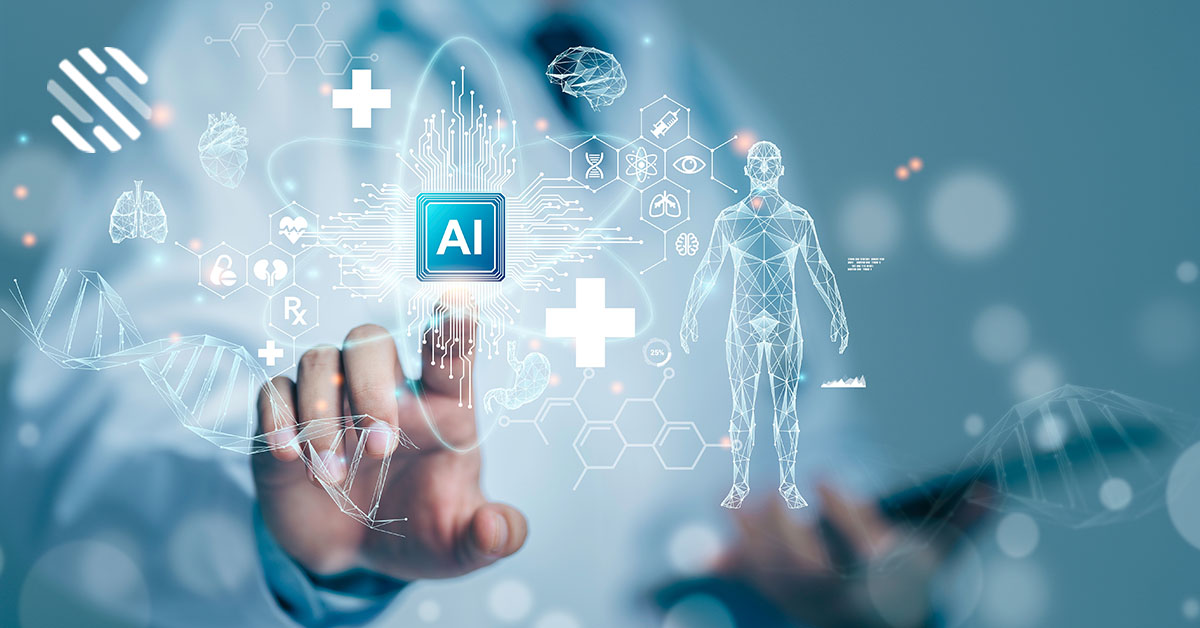
Artificial intelligence (AI) is reshaping industries across the globe, and healthcare is no exception. With its remarkable ability to process vast amounts of data, learn from patterns, and make predictions, AI has the potential to revolutionize how healthcare is delivered. From improving diagnostic accuracy to optimizing treatment plans, AI applications in healthcare are transforming patient outcomes and healthcare systems worldwide. This article explores the various applications of AI in healthcare, including its role in diagnostics, personalized treatment, drug discovery, and the management of healthcare systems. Additionally, it addresses the challenges and ethical considerations that come with the integration of AI in healthcare.

1. Introduction to AI in Healthcare

1.1 What is AI in Healthcare?

AI in healthcare refers to the use of machine learning algorithms, deep learning, and other AI technologies to assist in the diagnosis, treatment, and management of diseases. These systems are capable of processing large amounts of data, such as medical images, patient records, and genomic information, to provide insights that would be difficult for humans to uncover. AI can automate repetitive tasks, assist healthcare professionals in decision-making, and even predict patient outcomes, making it a transformative force in the industry.

AI’s capacity to learn from historical data, adapt to new situations, and continuously improve its performance makes it a powerful tool in various aspects of healthcare. Whether it’s improving early disease detection, accelerating drug development, or providing personalized treatment plans, AI is poised to become an indispensable part of modern medicine.

1.2 Why AI is Transforming Healthcare

The healthcare industry faces numerous challenges, including rising costs, uneven access to quality care, and increasing demand for services due to aging populations and the prevalence of chronic diseases. AI has the potential to address these challenges by enhancing the efficiency, accuracy, and scalability of healthcare delivery.

AI can assist healthcare professionals in making better-informed decisions by providing real-time access to patient data, offering decision support, and identifying patterns that may not be immediately obvious. Moreover, AI’s ability to process vast amounts of information quickly allows for faster diagnoses and personalized treatment options, ultimately improving patient outcomes.

2. AI Applications in Diagnostics

2.1 Medical Imaging and Radiology

One of the most prominent areas where AI is making a significant impact is medical imaging. Traditional diagnostic methods such as X-rays, MRIs, and CT scans rely on the expertise of radiologists to identify abnormalities or diseases. However, AI systems are increasingly being used to assist radiologists in interpreting medical images, providing faster and more accurate diagnoses.

AI algorithms, particularly deep learning models, have shown impressive performance in detecting conditions such as cancer, fractures, and heart disease. For example, AI-powered systems can analyze mammograms to detect early signs of breast cancer with accuracy that matches or even surpasses that of human radiologists. Similarly, AI systems are being used to detect lung cancer, identify brain tumors, and monitor the progression of diseases such as Alzheimer’s and Parkinson’s.

The use of AI in radiology not only improves diagnostic accuracy but also helps reduce the workload of radiologists, enabling them to focus on more complex cases and enhancing overall productivity in healthcare facilities.

2.2 Pathology and Histopathology

In pathology, AI is being used to analyze tissue samples and identify diseases at the cellular level. Histopathology, which involves examining tissues under a microscope to diagnose diseases like cancer, is a critical area where AI has demonstrated its potential. AI-powered algorithms can analyze biopsy slides to detect cancerous cells, measure tumor size, and determine the aggressiveness of the disease.

In a study published by the journal Nature Medicine, an AI system developed by researchers at Google Health outperformed pathologists in detecting breast cancer in tissue samples. The system was able to identify cancer with greater accuracy and fewer false positives, which can ultimately lead to better treatment outcomes for patients.

2.3 Dermatology and Skin Cancer Detection

AI is also being used in dermatology to identify and diagnose skin conditions, particularly skin cancer. AI algorithms can analyze images of moles and skin lesions, comparing them to vast databases of images to detect early signs of skin cancer, such as melanoma. These systems have been shown to have diagnostic capabilities that rival those of experienced dermatologists.

For example, a deep learning algorithm developed by researchers at Stanford University achieved an accuracy rate of 91% in diagnosing skin cancer from images of lesions, surpassing the performance of board-certified dermatologists in some cases. This technology has the potential to enhance early detection and improve survival rates for patients with skin cancer.

3. AI in Personalized Treatment

3.1 Precision Medicine and Genomic Data

Personalized medicine, also known as precision medicine, refers to tailoring medical treatment to individual patients based on their genetic makeup, lifestyle, and environmental factors. AI plays a crucial role in precision medicine by analyzing vast amounts of genomic data to identify genetic variations that may influence a patient’s response to treatment.

For example, AI algorithms can analyze genetic sequencing data to identify mutations in genes that are associated with diseases such as cancer, cystic fibrosis, and rare genetic disorders. This information can then be used to develop targeted therapies that are more effective and have fewer side effects compared to traditional one-size-fits-all treatments.

AI can also help predict which patients are likely to respond to certain treatments, optimizing drug regimens and reducing trial-and-error approaches to prescribing medications.

3.2 Drug Discovery and Development

The process of discovering new drugs is time-consuming, expensive, and often yields limited results. AI is transforming drug discovery by accelerating the identification of potential drug candidates, improving the design of clinical trials, and predicting how drugs will interact with the body.

Machine learning models can analyze vast datasets, including biological data, chemical structures, and patient outcomes, to identify patterns that could lead to new treatments. For instance, AI has been used to identify promising compounds for treating diseases such as Alzheimer’s, cancer, and COVID-19. In fact, during the COVID-19 pandemic, AI was instrumental in helping scientists identify existing drugs that could potentially be repurposed to treat the virus.

AI can also streamline the process of clinical trials by identifying the most appropriate patients for trials, reducing recruitment time, and optimizing trial design to ensure more accurate and faster results.

4. AI in Healthcare Management

4.1 Predictive Analytics for Patient Outcomes

AI-powered predictive analytics can help healthcare providers anticipate patient needs and make proactive decisions. By analyzing patient data, such as medical history, lab results, and vital signs, AI systems can predict the likelihood of certain events, such as hospital readmissions, disease progression, or adverse reactions to medications.

For example, AI algorithms have been used to predict which patients are at high risk for developing sepsis, a life-threatening condition that requires immediate treatment. By identifying high-risk patients early, healthcare providers can intervene sooner, improving outcomes and potentially saving lives.

Predictive analytics can also be applied to managing chronic conditions, such as diabetes or heart disease, by monitoring patients’ health metrics in real time and alerting clinicians to potential problems before they become critical.

4.2 Healthcare Administration and Workflow Optimization

AI is also being used to streamline administrative tasks in healthcare settings, such as scheduling, billing, and patient records management. These tasks, while essential, are often time-consuming and prone to human error. AI systems can automate administrative processes, reducing administrative burden and freeing up healthcare professionals to focus on patient care.

AI-powered chatbots are also being used in healthcare to improve patient engagement and support. These chatbots can answer patient questions, provide appointment reminders, and even offer basic medical advice, ensuring that patients receive timely information without overwhelming healthcare staff.

5. Challenges and Ethical Considerations

While AI has the potential to revolutionize healthcare, its adoption is not without challenges. These challenges include data privacy concerns, the potential for bias in AI algorithms, and the need for transparency and explainability in AI decision-making.

5.1 Data Privacy and Security

AI systems rely on large datasets, often containing sensitive patient information, to function effectively. Ensuring the privacy and security of patient data is crucial, as breaches could result in serious consequences, including identity theft and the misuse of medical information. Healthcare organizations must implement robust data protection measures, such as encryption and secure access controls, to safeguard patient privacy.

5.2 Bias in AI Algorithms

AI algorithms are only as good as the data they are trained on. If training data is biased or incomplete, AI systems may make inaccurate or discriminatory decisions. For example, if an AI system is trained on data that predominantly represents a specific demographic group, it may not perform well when applied to other groups. Ensuring that AI algorithms are trained on diverse, representative data is essential to prevent bias and ensure equitable outcomes.

5.3 Transparency and Accountability

As AI becomes more integrated into healthcare decision-making, it is essential that these systems are transparent and accountable. Healthcare providers and patients must be able to understand how AI algorithms arrive at their decisions, particularly in high-stakes situations. Efforts to improve explainability in AI systems are ongoing, but there is still much work to be done to ensure that AI decision-making processes are understandable and trustworthy.

6. Future Outlook

AI’s role in healthcare is expected to expand significantly in the coming years, as technology continues to improve and new applications are developed. The integration of AI with other emerging technologies, such as blockchain, telemedicine, and wearable devices, will further enhance the ability of healthcare systems to deliver personalized, efficient, and cost-effective care.

In the long term, AI has the potential to democratize healthcare by making high-quality medical services more accessible to people in underserved regions and low-resource settings. AI-driven tools, such as diagnostic apps and telemedicine platforms, can enable patients to receive timely care, even in remote areas.

7. Conclusion

AI is transforming healthcare in profound ways, improving diagnostic accuracy, enabling personalized treatment, and streamlining healthcare management. As AI continues to evolve, its

potential to improve patient outcomes and healthcare efficiency will only grow. However, the challenges related to data privacy, bias, and transparency must be addressed to ensure that AI is used ethically and responsibly. With the right safeguards in place, AI has the power to revolutionize healthcare, making it more efficient, accessible, and equitable for all.


Tags: aiCase StudiesHealthcare
ShareTweetShare

Related Posts

AI Significantly Enhancing Disease Diagnosis Efficiency and Accuracy
Case Studies

AI Significantly Enhancing Disease Diagnosis Efficiency and Accuracy

April 4, 2026
Multidimensional Applications of AI in the Digital Transformation of Manufacturing
Case Studies

Multidimensional Applications of AI in the Digital Transformation of Manufacturing

January 21, 2026
AI Customer Service Bots and Smart Advisors: Helping Banks Reduce Human Customer Support Costs While Enhancing Response Efficiency, User Engagement, and Satisfaction
Case Studies

AI Customer Service Bots and Smart Advisors: Helping Banks Reduce Human Customer Support Costs While Enhancing Response Efficiency, User Engagement, and Satisfaction

January 20, 2026
Personalized Recommendation and Inventory Optimization
Case Studies

Personalized Recommendation and Inventory Optimization

January 19, 2026
How Retailers Use AI Models to Predict Sales Trends and Optimize Inventory Levels
Case Studies

How Retailers Use AI Models to Predict Sales Trends and Optimize Inventory Levels

January 18, 2026
AI Not Only Enhances Diagnostic Capabilities but Also Significantly Improves Backend Healthcare Services
Case Studies

AI Not Only Enhances Diagnostic Capabilities but Also Significantly Improves Backend Healthcare Services

January 17, 2026
Leave Comment
  • Trending
  • Comments
  • Latest
How Artificial Intelligence is Achieving Revolutionary Breakthroughs in the Healthcare Industry: What Success Stories Teach Us

How Artificial Intelligence is Achieving Revolutionary Breakthroughs in the Healthcare Industry: What Success Stories Teach Us

July 26, 2025
From Beginner to Expert: Which AI Platforms Are Best for Beginners? Experts’ Take on Learning Curves and Practical Applications

From Beginner to Expert: Which AI Platforms Are Best for Beginners? Experts’ Take on Learning Curves and Practical Applications

July 23, 2025
AI in the Financial Sector: Which Innovative Strategies Are Driving Digital Transformation?

AI in the Financial Sector: Which Innovative Strategies Are Driving Digital Transformation?

July 26, 2025
Deep Learning Simulates Human Brain Signal Processing Pathways Through the Construction of Multi-Layer Neural Networks

Deep Learning Simulates Human Brain Signal Processing Pathways Through the Construction of Multi-Layer Neural Networks

January 14, 2026
How Artificial Intelligence Enhances Diagnostic Accuracy and Transforms Treatment Methods in Healthcare

How Artificial Intelligence Enhances Diagnostic Accuracy and Transforms Treatment Methods in Healthcare

How AI Enhances Customer Experience and Drives Sales Growth in Retail

How AI Enhances Customer Experience and Drives Sales Growth in Retail

How Artificial Intelligence Enables Precise Risk Assessment and Decision-Making

How Artificial Intelligence Enables Precise Risk Assessment and Decision-Making

How AI is Driving the Revolution in Smart Manufacturing and Production Efficiency

How AI is Driving the Revolution in Smart Manufacturing and Production Efficiency

AutoAI Tools Enable Developers to Reduce Manual Model Tuning Workload

AutoAI Tools Enable Developers to Reduce Manual Model Tuning Workload

April 4, 2026
AI Development Platforms and Frameworks

AI Development Platforms and Frameworks

April 4, 2026
AI Significantly Enhancing Disease Diagnosis Efficiency and Accuracy

AI Significantly Enhancing Disease Diagnosis Efficiency and Accuracy

April 4, 2026
The Application of AI in Healthcare: Revolutionizing Medicine and Patient Care

The Application of AI in Healthcare: Revolutionizing Medicine and Patient Care

April 4, 2026
AIInsiderUpdates

Our platform is dedicated to delivering comprehensive coverage of AI developments, featuring news, case studies, expert interviews, and valuable resources for professionals and enthusiasts alike.

© 2025 aiinsiderupdates.com. contacts:[email protected]

No Result
View All Result
  • Home
  • AI News
  • Technology Trends
  • Interviews & Opinions
  • Case Studies
  • Tools & Resources

© 2025 aiinsiderupdates.com. contacts:[email protected]

Welcome Back!

Login to your account below

Forgotten Password?

Retrieve your password

Please enter your username or email address to reset your password.

Log In