






















AIInsiderUpdates
  • Home
  • AI News
    Application of AI in Drug Therapy

    Application of AI in Drug Therapy

    The Popularization of AI: Automation of Traditional Jobs and Its Impact on the Labor Market

    The Popularization of AI: Automation of Traditional Jobs and Its Impact on the Labor Market

    Many Industries Are Adopting AI-Driven Robots to Replace Human Labor

    Many Industries Are Adopting AI-Driven Robots to Replace Human Labor

    Artificial Intelligence Ethics and Regulations

    Artificial Intelligence Ethics and Regulations

    Ensuring Fairness and Transparency in AI Decision-Making: A Priority for Companies and Governments

    Ensuring Fairness and Transparency in AI Decision-Making: A Priority for Companies and Governments

    The Growing Global Debate on AI Ethics and Governance

    The Growing Global Debate on AI Ethics and Governance

  • Technology Trends
    Fine-tuning Large Language Models to Meet Specific Task or Industry Needs: A Key Focus in AI Research

    Fine-tuning Large Language Models to Meet Specific Task or Industry Needs: A Key Focus in AI Research

    The Convergence of Reinforcement Learning and Deep Learning: Driving Innovation Across Multiple Domains

    The Convergence of Reinforcement Learning and Deep Learning: Driving Innovation Across Multiple Domains

    The Transformer Architecture: The Core of Deep Learning

    The Transformer Architecture: The Core of Deep Learning

    Neural Architecture Search: A Revolution in Artificial Intelligence

    Neural Architecture Search: A Revolution in Artificial Intelligence

    Significant Advances in Self-Supervised Learning (SSL) Methods in Deep Learning

    Significant Advances in Self-Supervised Learning (SSL) Methods in Deep Learning

    Breakthroughs in Deep Learning and Neural Networks: Revolutionizing the Future of AI

    Breakthroughs in Deep Learning and Neural Networks: Revolutionizing the Future of AI

  • Interviews & Opinions
    AI May Replace Some Low-Skill, Repetitive Jobs, but It Will Also Create New Types of Jobs

    AI May Replace Some Low-Skill, Repetitive Jobs, but It Will Also Create New Types of Jobs

    The Future of AI Systems: Why Explainability Should Be a Core Feature

    The Future of AI Systems: Why Explainability Should Be a Core Feature

    AI and Automation Will Take on More of the Heavy Lifting

    AI and Automation Will Take on More of the Heavy Lifting

    As AI Technology Continues to Evolve, Ethical Issues Are Becoming More Prominent

    As AI Technology Continues to Evolve, Ethical Issues Are Becoming More Prominent

    AI Fairness: Addressing Bias and Promoting Equity in Artificial Intelligence

    AI Fairness: Addressing Bias and Promoting Equity in Artificial Intelligence

    The Impact of AI on the Labor Market: A Critical Examination

    The Impact of AI on the Labor Market: A Critical Examination

  • Case Studies
    AI-Based Anti-Fraud Systems

    AI-Based Anti-Fraud Systems

    The Application of AI in Retail and E-Commerce

    The Application of AI in Retail and E-Commerce

    The Application of AI in the Financial Industry

    The Application of AI in the Financial Industry

    The Application of AI in Medical Imaging: A Significant Advancement

    The Application of AI in Medical Imaging: A Significant Advancement

    AI Significantly Enhancing Disease Diagnosis Efficiency and Accuracy

    AI Significantly Enhancing Disease Diagnosis Efficiency and Accuracy

    The Application of AI in Healthcare: Revolutionizing Medicine and Patient Care

    The Application of AI in Healthcare: Revolutionizing Medicine and Patient Care

  • Tools & Resources
    AI Learning Resources and Educational Platforms

    AI Learning Resources and Educational Platforms

    AI Automation and Model Training Tools: Revolutionizing the Future of Artificial Intelligence

    AI Automation and Model Training Tools: Revolutionizing the Future of Artificial Intelligence

    Keras: Making AI Development Easier While Supporting Complex Model Designs

    Keras: Making AI Development Easier While Supporting Complex Model Designs

    PyTorch: A Flexible and Debug-Friendly Deep Learning Framework

    PyTorch: A Flexible and Debug-Friendly Deep Learning Framework

    AutoAI Tools Enable Developers to Reduce Manual Model Tuning Workload

    AutoAI Tools Enable Developers to Reduce Manual Model Tuning Workload

    AI Development Platforms and Frameworks

    AI Development Platforms and Frameworks

AIInsiderUpdates
  • Home
  • AI News
    Application of AI in Drug Therapy

    Application of AI in Drug Therapy

    The Popularization of AI: Automation of Traditional Jobs and Its Impact on the Labor Market

    The Popularization of AI: Automation of Traditional Jobs and Its Impact on the Labor Market

    Many Industries Are Adopting AI-Driven Robots to Replace Human Labor

    Many Industries Are Adopting AI-Driven Robots to Replace Human Labor

    Artificial Intelligence Ethics and Regulations

    Artificial Intelligence Ethics and Regulations

    Ensuring Fairness and Transparency in AI Decision-Making: A Priority for Companies and Governments

    Ensuring Fairness and Transparency in AI Decision-Making: A Priority for Companies and Governments

    The Growing Global Debate on AI Ethics and Governance

    The Growing Global Debate on AI Ethics and Governance

  • Technology Trends
    Fine-tuning Large Language Models to Meet Specific Task or Industry Needs: A Key Focus in AI Research

    Fine-tuning Large Language Models to Meet Specific Task or Industry Needs: A Key Focus in AI Research

    The Convergence of Reinforcement Learning and Deep Learning: Driving Innovation Across Multiple Domains

    The Convergence of Reinforcement Learning and Deep Learning: Driving Innovation Across Multiple Domains

    The Transformer Architecture: The Core of Deep Learning

    The Transformer Architecture: The Core of Deep Learning

    Neural Architecture Search: A Revolution in Artificial Intelligence

    Neural Architecture Search: A Revolution in Artificial Intelligence

    Significant Advances in Self-Supervised Learning (SSL) Methods in Deep Learning

    Significant Advances in Self-Supervised Learning (SSL) Methods in Deep Learning

    Breakthroughs in Deep Learning and Neural Networks: Revolutionizing the Future of AI

    Breakthroughs in Deep Learning and Neural Networks: Revolutionizing the Future of AI

  • Interviews & Opinions
    AI May Replace Some Low-Skill, Repetitive Jobs, but It Will Also Create New Types of Jobs

    AI May Replace Some Low-Skill, Repetitive Jobs, but It Will Also Create New Types of Jobs

    The Future of AI Systems: Why Explainability Should Be a Core Feature

    The Future of AI Systems: Why Explainability Should Be a Core Feature

    AI and Automation Will Take on More of the Heavy Lifting

    AI and Automation Will Take on More of the Heavy Lifting

    As AI Technology Continues to Evolve, Ethical Issues Are Becoming More Prominent

    As AI Technology Continues to Evolve, Ethical Issues Are Becoming More Prominent

    AI Fairness: Addressing Bias and Promoting Equity in Artificial Intelligence

    AI Fairness: Addressing Bias and Promoting Equity in Artificial Intelligence

    The Impact of AI on the Labor Market: A Critical Examination

    The Impact of AI on the Labor Market: A Critical Examination

  • Case Studies
    AI-Based Anti-Fraud Systems

    AI-Based Anti-Fraud Systems

    The Application of AI in Retail and E-Commerce

    The Application of AI in Retail and E-Commerce

    The Application of AI in the Financial Industry

    The Application of AI in the Financial Industry

    The Application of AI in Medical Imaging: A Significant Advancement

    The Application of AI in Medical Imaging: A Significant Advancement

    AI Significantly Enhancing Disease Diagnosis Efficiency and Accuracy

    AI Significantly Enhancing Disease Diagnosis Efficiency and Accuracy

    The Application of AI in Healthcare: Revolutionizing Medicine and Patient Care

    The Application of AI in Healthcare: Revolutionizing Medicine and Patient Care

  • Tools & Resources
    AI Learning Resources and Educational Platforms

    AI Learning Resources and Educational Platforms

    AI Automation and Model Training Tools: Revolutionizing the Future of Artificial Intelligence

    AI Automation and Model Training Tools: Revolutionizing the Future of Artificial Intelligence

    Keras: Making AI Development Easier While Supporting Complex Model Designs

    Keras: Making AI Development Easier While Supporting Complex Model Designs

    PyTorch: A Flexible and Debug-Friendly Deep Learning Framework

    PyTorch: A Flexible and Debug-Friendly Deep Learning Framework

    AutoAI Tools Enable Developers to Reduce Manual Model Tuning Workload

    AutoAI Tools Enable Developers to Reduce Manual Model Tuning Workload

    AI Development Platforms and Frameworks

    AI Development Platforms and Frameworks

AIInsiderUpdates
No Result
View All Result

AI Applications in Autonomous Driving and Transportation

December 7, 2025
AI Applications in Autonomous Driving and Transportation

Introduction

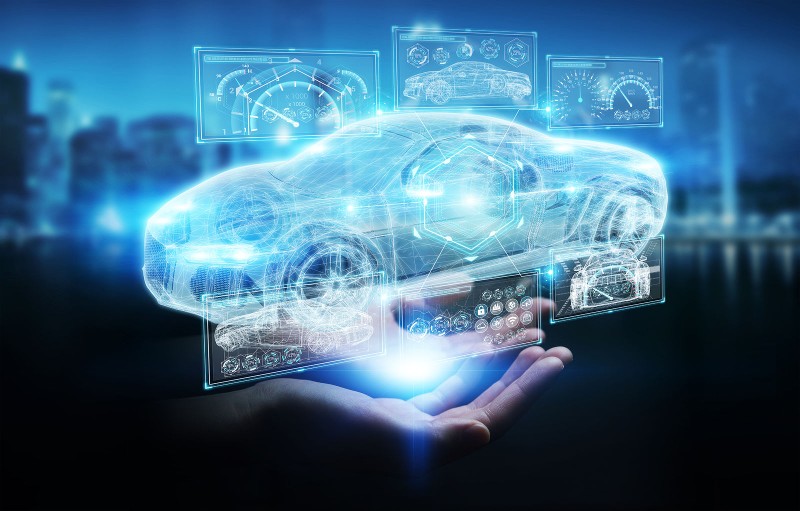
The evolution of autonomous driving and intelligent transportation systems is one of the most exciting and transformative developments in modern technology. Artificial intelligence (AI) plays a pivotal role in shaping the future of mobility, driving innovation in everything from self-driving cars to smart traffic management systems. The integration of AI into the transportation sector promises to revolutionize how we move, reducing congestion, improving safety, and increasing overall efficiency.

This article explores how AI is applied in autonomous driving and the broader transportation ecosystem. We will examine the key technologies, applications, and challenges associated with AI in transportation, as well as the potential benefits and future implications for urban mobility and global infrastructure.


Understanding Autonomous Driving and AI’s Role

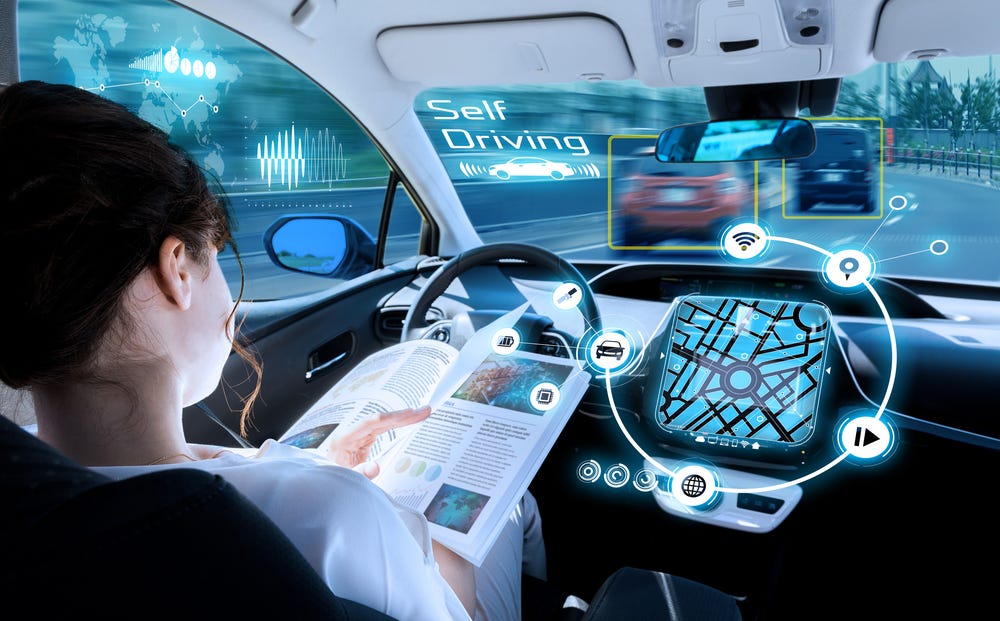
Autonomous driving refers to the capability of a vehicle to operate without human intervention, relying on a combination of sensors, software, and AI algorithms to navigate and respond to environmental conditions. While the concept of self-driving cars has been around for decades, it is only in recent years that AI technologies have matured enough to bring autonomous driving to the brink of commercialization.

At the heart of autonomous vehicles (AVs) is AI-powered machine learning and computer vision, which enable vehicles to perceive their surroundings, make decisions, and plan safe routes. These technologies work together to mimic human driving behavior, interpreting real-time data from cameras, LIDAR (Light Detection and Ranging) sensors, radar, and other tools that provide a detailed understanding of the environment.

Key AI technologies used in autonomous driving include:

  • Machine Learning (ML): A subset of AI, ML enables vehicles to learn from experience and adapt their behavior based on data. This is crucial for AVs to improve over time and handle new, previously unseen scenarios.
  • Computer Vision: Computer vision algorithms allow vehicles to “see” and understand their environment by analyzing images captured by cameras and LIDAR sensors. This technology is used for object detection, lane recognition, pedestrian tracking, and more.
  • Sensor Fusion: Autonomous vehicles rely on a combination of different sensors to build a comprehensive understanding of the world around them. Sensor fusion involves combining data from various sources (cameras, radar, LIDAR) to create a unified representation of the vehicle’s surroundings.
  • Path Planning and Decision-Making Algorithms: These AI algorithms enable AVs to make real-time decisions, such as choosing the best route, avoiding obstacles, and responding to dynamic traffic situations.

Applications of AI in Autonomous Driving

1. Self-Driving Cars

The most visible application of AI in the transportation sector is in the development of self-driving cars. Major tech companies, automakers, and startups have invested heavily in the development of AVs, with companies like Tesla, Waymo, Uber, and Cruise leading the charge.

Self-driving cars rely on a combination of machine learning, computer vision, and advanced sensor systems to navigate roads and traffic without human intervention. These vehicles can interpret complex road conditions, make decisions based on real-time data, and even react to unexpected events, such as a pedestrian crossing the road or another vehicle changing lanes.

Key Benefits of Self-Driving Cars:
  • Safety: AI-powered vehicles are expected to significantly reduce accidents caused by human error, such as distracted driving, fatigue, and impaired driving.
  • Efficiency: Autonomous vehicles can optimize routes and traffic flow, reducing congestion and lowering fuel consumption.
  • Accessibility: Self-driving cars have the potential to provide mobility solutions for people with disabilities or those who cannot drive due to age or health conditions.

Despite the promise, the full deployment of self-driving cars faces challenges such as regulatory hurdles, technological limitations, and public perception. The technology is still evolving, and issues such as weather conditions, AI decision-making transparency, and handling unpredictable scenarios remain points of contention.

2. Autonomous Delivery Vehicles and Drones

AI is also revolutionizing the delivery industry. Autonomous delivery vehicles and drones powered by AI are already being used to transport goods in specific areas, from food delivery services to e-commerce logistics.

For instance, companies like Amazon and Starship Technologies are developing self-driving robots and drones for last-mile delivery. These autonomous vehicles rely on AI to navigate sidewalks, parking lots, and streets, delivering goods efficiently and safely to consumers.

Applications in Delivery:
  • Last-Mile Delivery: AI-powered autonomous delivery robots are used for short-distance, low-cost deliveries.
  • Drone Delivery: AI enables drones to autonomously navigate urban environments, delivering packages directly to homes or businesses without the need for human intervention.

The widespread use of autonomous delivery vehicles could reduce delivery costs, decrease traffic congestion, and improve delivery times. However, regulatory challenges, safety concerns, and the need for robust infrastructure remain significant obstacles.

3. Autonomous Trucks

AI-powered autonomous trucks are transforming the freight industry. Companies such as TuSimple, Embark, and Waymo Via are developing autonomous trucks capable of transporting goods across long distances without human drivers.

Autonomous trucks leverage AI for real-time decision-making, such as lane-keeping, adaptive cruise control, and route optimization. AI allows trucks to navigate highways autonomously while human drivers remain available for more complex urban driving tasks.

Benefits for the Freight Industry:
  • Increased Efficiency: Autonomous trucks can operate 24/7, reducing delivery times and increasing throughput in the supply chain.
  • Safety: By reducing driver fatigue and human error, autonomous trucks are expected to reduce road accidents and improve road safety for both truck drivers and other vehicles.
  • Cost Reduction: Autonomous trucking can reduce labor costs and improve fuel efficiency, lowering the overall cost of transportation.

Despite their potential, challenges such as regulatory approval, safety standards, and the ability to handle complex urban environments remain significant for fully autonomous trucks.

AI in Traffic Management and Smart Cities

Beyond self-driving vehicles, AI is also playing a key role in optimizing traffic management and supporting the development of smart cities. AI-powered systems are being used to improve the flow of traffic, reduce congestion, and enhance overall transportation infrastructure.

1. Intelligent Traffic Signals

AI-powered intelligent traffic signals are being used in cities around the world to optimize traffic flow. These systems use real-time data from sensors, cameras, and connected vehicles to adjust traffic signal timings based on current conditions. AI algorithms can predict traffic patterns, minimize delays, and improve the efficiency of public transportation systems.

How it Works:
  • Data Collection: Sensors and cameras collect data on vehicle flow, traffic density, and pedestrian activity.
  • Real-Time Optimization: AI algorithms analyze this data and dynamically adjust traffic light timings to reduce congestion and improve vehicle throughput.

By leveraging AI, cities can reduce traffic jams, lower emissions, and make transportation systems more efficient.

2. Autonomous Traffic Control

Another promising application of AI in transportation is autonomous traffic control systems that can dynamically manage traffic in real-time. These systems utilize machine learning and data analytics to control the flow of vehicles across urban landscapes, potentially reducing accidents, congestion, and pollution.

For example, AI can monitor traffic patterns, detect accidents or blockages, and redirect traffic accordingly. In the future, AI-powered traffic control could integrate seamlessly with autonomous vehicles, enabling fully automated cities where traffic systems and vehicles communicate directly with one another.

3. AI in Public Transportation

Public transportation systems are also being enhanced by AI. By using predictive analytics, AI can help improve service reliability, optimize routes, and enhance customer experience.

  • Predictive Maintenance: AI can predict when buses or trains need maintenance, reducing downtime and preventing service disruptions.
  • Route Optimization: AI algorithms analyze ridership data and optimize bus or train routes to ensure maximum efficiency and reduce travel times for passengers.
  • Passenger Demand Forecasting: AI helps predict peak times for bus and train services, allowing public transportation agencies to allocate resources effectively and improve service delivery.

AI in public transportation can reduce operational costs, increase efficiency, and improve the overall passenger experience.


Challenges in AI for Autonomous Driving and Transportation

While AI in autonomous driving and transportation offers significant benefits, several challenges remain:

1. Safety and Reliability

Ensuring the safety and reliability of AI systems in autonomous vehicles is critical. AI must be able to handle a wide range of complex, real-world scenarios and operate in unpredictable conditions. Incidents involving autonomous vehicles, such as the fatal Uber self-driving car accident in 2018, have raised concerns about the technology’s safety.

2. Regulatory and Legal Issues

The widespread adoption of autonomous vehicles requires clear regulatory frameworks to ensure safety, fairness, and accountability. Governments around the world are still in the process of creating and updating legislation related to autonomous driving, which could slow down the adoption of self-driving technology.

3. Ethical Considerations

AI in autonomous vehicles and transportation raises ethical questions about decision-making. For example, in an emergency situation, how should an autonomous vehicle decide whom to harm in order to avoid a greater accident? Addressing these ethical dilemmas requires careful consideration and clear guidelines.


Conclusion

AI is set to revolutionize the transportation industry by improving safety, efficiency, and convenience across various domains—from self-driving cars and trucks to intelligent traffic systems and public transportation. While challenges such as safety, regulation, and ethical concerns remain, the potential of AI in transforming transportation is undeniable.

As technology continues to evolve and regulatory frameworks catch up, the future of autonomous driving and AI-powered transportation looks promising, offering a more efficient, safer, and sustainable mobility ecosystem for people and goods.

Tags: AI newsAutonomous DrivingTransportation
ShareTweetShare

Related Posts

Application of AI in Drug Therapy
AI News

Application of AI in Drug Therapy

April 28, 2026
The Popularization of AI: Automation of Traditional Jobs and Its Impact on the Labor Market
AI News

The Popularization of AI: Automation of Traditional Jobs and Its Impact on the Labor Market

April 28, 2026
Many Industries Are Adopting AI-Driven Robots to Replace Human Labor
AI News

Many Industries Are Adopting AI-Driven Robots to Replace Human Labor

April 21, 2026
Artificial Intelligence Ethics and Regulations
AI News

Artificial Intelligence Ethics and Regulations

April 21, 2026
Ensuring Fairness and Transparency in AI Decision-Making: A Priority for Companies and Governments
AI News

Ensuring Fairness and Transparency in AI Decision-Making: A Priority for Companies and Governments

April 4, 2026
The Growing Global Debate on AI Ethics and Governance
AI News

The Growing Global Debate on AI Ethics and Governance

April 4, 2026
Leave Comment
  • Trending
  • Comments
  • Latest
How Artificial Intelligence is Achieving Revolutionary Breakthroughs in the Healthcare Industry: What Success Stories Teach Us

How Artificial Intelligence is Achieving Revolutionary Breakthroughs in the Healthcare Industry: What Success Stories Teach Us

July 26, 2025
Deep Learning Simulates Human Brain Signal Processing Pathways Through the Construction of Multi-Layer Neural Networks

Deep Learning Simulates Human Brain Signal Processing Pathways Through the Construction of Multi-Layer Neural Networks

January 14, 2026
From Beginner to Expert: Which AI Platforms Are Best for Beginners? Experts’ Take on Learning Curves and Practical Applications

From Beginner to Expert: Which AI Platforms Are Best for Beginners? Experts’ Take on Learning Curves and Practical Applications

July 23, 2025
AI in the Financial Sector: Which Innovative Strategies Are Driving Digital Transformation?

AI in the Financial Sector: Which Innovative Strategies Are Driving Digital Transformation?

July 26, 2025
How Artificial Intelligence Enhances Diagnostic Accuracy and Transforms Treatment Methods in Healthcare

How Artificial Intelligence Enhances Diagnostic Accuracy and Transforms Treatment Methods in Healthcare

How AI Enhances Customer Experience and Drives Sales Growth in Retail

How AI Enhances Customer Experience and Drives Sales Growth in Retail

How Artificial Intelligence Enables Precise Risk Assessment and Decision-Making

How Artificial Intelligence Enables Precise Risk Assessment and Decision-Making

How AI is Driving the Revolution in Smart Manufacturing and Production Efficiency

How AI is Driving the Revolution in Smart Manufacturing and Production Efficiency

AI Learning Resources and Educational Platforms

AI Learning Resources and Educational Platforms

April 28, 2026
AI Automation and Model Training Tools: Revolutionizing the Future of Artificial Intelligence

AI Automation and Model Training Tools: Revolutionizing the Future of Artificial Intelligence

April 28, 2026
AI-Based Anti-Fraud Systems

AI-Based Anti-Fraud Systems

April 28, 2026
The Application of AI in Retail and E-Commerce

The Application of AI in Retail and E-Commerce

April 28, 2026
AIInsiderUpdates

Our platform is dedicated to delivering comprehensive coverage of AI developments, featuring news, case studies, expert interviews, and valuable resources for professionals and enthusiasts alike.

© 2025 aiinsiderupdates.com. contacts:[email protected]

No Result
View All Result
  • Home
  • AI News
  • Technology Trends
  • Interviews & Opinions
  • Case Studies
  • Tools & Resources

© 2025 aiinsiderupdates.com. contacts:[email protected]

Welcome Back!

Login to your account below

Forgotten Password?

Retrieve your password

Please enter your username or email address to reset your password.

Log In