



























AIInsiderUpdates
  • Home
  • AI News
    AI Models in Medicine: Accelerating Medical Research and Clinical Applications

    AI Models in Medicine: Accelerating Medical Research and Clinical Applications

    As Artificial Intelligence Rapidly Develops, AI Ethics and Regulatory Issues Become a Global Focus

    As Artificial Intelligence Rapidly Develops, AI Ethics and Regulatory Issues Become a Global Focus

    The Growing Role of Artificial Intelligence in Healthcare: Disease Diagnosis, Drug Development, and Personalized Medicine

    The Growing Role of Artificial Intelligence in Healthcare: Disease Diagnosis, Drug Development, and Personalized Medicine

    Addressing AI Bias, Data Privacy, and Social Inequality: Global Conversations on the Future of Artificial Intelligence

    Addressing AI Bias, Data Privacy, and Social Inequality: Global Conversations on the Future of Artificial Intelligence

    The European Union and Other Regions Advancing the Artificial Intelligence Act (AI Act)

    The European Union and Other Regions Advancing the Artificial Intelligence Act (AI Act)

    Governments and International Organizations Efforts to Develop Policies for Ethical and Safe Use of AI

    Governments and International Organizations Efforts to Develop Policies for Ethical and Safe Use of AI

  • Technology Trends
    Self-Supervised Learning: The Next Big Breakthrough in Deep Learning

    Self-Supervised Learning: The Next Big Breakthrough in Deep Learning

    Multimodal Learning: The Future of AI and Deep Learning

    Multimodal Learning: The Future of AI and Deep Learning

    Reducing Dependency on Manually Labeled Data: A Game Changer for Training AI Models

    Reducing Dependency on Manually Labeled Data: A Game Changer for Training AI Models

    Enhancing AI Understanding Through Self-Supervised Learning: Unlocking the Power of Raw Data Representations

    Enhancing AI Understanding Through Self-Supervised Learning: Unlocking the Power of Raw Data Representations

    Self-Supervised Learning: A Cutting-Edge Trend in the Field of Machine Learning

    Self-Supervised Learning: A Cutting-Edge Trend in the Field of Machine Learning

    Artificial Intelligence (AI) Has Made Leapfrog Advancements in Recent Years

    Artificial Intelligence (AI) Has Made Leapfrog Advancements in Recent Years

  • Interviews & Opinions
    Human-AI Collaboration: Fei-Fei Li’s Vision of Enhancing Productivity and Creativity Together, Not Simply “Replacing” Humans

    Human-AI Collaboration: Fei-Fei Li’s Vision of Enhancing Productivity and Creativity Together, Not Simply “Replacing” Humans

    AI Algorithm Bias and Injustice: One of the Biggest Challenges Today

    AI Algorithm Bias and Injustice: One of the Biggest Challenges Today

    Ensuring Fairness, Transparency, and Compliance in AI Systems: A Global Imperative

    Ensuring Fairness, Transparency, and Compliance in AI Systems: A Global Imperative

    The Proliferation of AI: Preparing Education Systems for the Workforce of Tomorrow

    The Proliferation of AI: Preparing Education Systems for the Workforce of Tomorrow

    AI May Replace Some Jobs, But It Will Also Create New Career Opportunities

    AI May Replace Some Jobs, But It Will Also Create New Career Opportunities

    Unemployment and Transformation: The Future of Work in an Evolving World

    Unemployment and Transformation: The Future of Work in an Evolving World

  • Case Studies
    Using AI to Analyze Client Risk Preferences for Personalized Asset Allocation

    Using AI to Analyze Client Risk Preferences for Personalized Asset Allocation

    Personalized Medicine: The Future of Healthcare

    Personalized Medicine: The Future of Healthcare

    Risk Management and Fraud Detection: Harnessing Technology for Secure Financial Systems

    Risk Management and Fraud Detection: Harnessing Technology for Secure Financial Systems

    Artificial Intelligence in Finance: Risk Control, Investment Analysis, and Customer Service as Classic Case Studies

    Artificial Intelligence in Finance: Risk Control, Investment Analysis, and Customer Service as Classic Case Studies

    Pandemic Prediction and Management: Harnessing Technology for Global Health

    Pandemic Prediction and Management: Harnessing Technology for Global Health

    Utilizing AI to Analyze Patient Genetic Data and Medical History for Personalized Cancer Treatment Plans

    Utilizing AI to Analyze Patient Genetic Data and Medical History for Personalized Cancer Treatment Plans

  • Tools & Resources
    The Widespread Adoption of Open Source AI Tools and Frameworks Globally, and Their Role as a Preferred Resource for AI Researchers and Developers

    The Widespread Adoption of Open Source AI Tools and Frameworks Globally, and Their Role as a Preferred Resource for AI Researchers and Developers

    The Integration of AI and Cloud Computing: A New Era in Technological Advancements

    The Integration of AI and Cloud Computing: A New Era in Technological Advancements

    AWS Offers a Comprehensive Suite of AI Tools and Services

    AWS Offers a Comprehensive Suite of AI Tools and Services

    TensorFlow: Widely Used for Its Powerful Community Support and Extensive Features

    TensorFlow: Widely Used for Its Powerful Community Support and Extensive Features

    Open Source Projects Empower Developers to Collaborate, Customize, and Enhance Technology, Boosting Innovation Efficiency

    Open Source Projects Empower Developers to Collaborate, Customize, and Enhance Technology, Boosting Innovation Efficiency

    Developers and Enterprises: The Growing Importance of Selecting the Right Tools and Platforms to Drive Innovation and Improve Efficiency

    Developers and Enterprises: The Growing Importance of Selecting the Right Tools and Platforms to Drive Innovation and Improve Efficiency

AIInsiderUpdates
  • Home
  • AI News
    AI Models in Medicine: Accelerating Medical Research and Clinical Applications

    AI Models in Medicine: Accelerating Medical Research and Clinical Applications

    As Artificial Intelligence Rapidly Develops, AI Ethics and Regulatory Issues Become a Global Focus

    As Artificial Intelligence Rapidly Develops, AI Ethics and Regulatory Issues Become a Global Focus

    The Growing Role of Artificial Intelligence in Healthcare: Disease Diagnosis, Drug Development, and Personalized Medicine

    The Growing Role of Artificial Intelligence in Healthcare: Disease Diagnosis, Drug Development, and Personalized Medicine

    Addressing AI Bias, Data Privacy, and Social Inequality: Global Conversations on the Future of Artificial Intelligence

    Addressing AI Bias, Data Privacy, and Social Inequality: Global Conversations on the Future of Artificial Intelligence

    The European Union and Other Regions Advancing the Artificial Intelligence Act (AI Act)

    The European Union and Other Regions Advancing the Artificial Intelligence Act (AI Act)

    Governments and International Organizations Efforts to Develop Policies for Ethical and Safe Use of AI

    Governments and International Organizations Efforts to Develop Policies for Ethical and Safe Use of AI

  • Technology Trends
    Self-Supervised Learning: The Next Big Breakthrough in Deep Learning

    Self-Supervised Learning: The Next Big Breakthrough in Deep Learning

    Multimodal Learning: The Future of AI and Deep Learning

    Multimodal Learning: The Future of AI and Deep Learning

    Reducing Dependency on Manually Labeled Data: A Game Changer for Training AI Models

    Reducing Dependency on Manually Labeled Data: A Game Changer for Training AI Models

    Enhancing AI Understanding Through Self-Supervised Learning: Unlocking the Power of Raw Data Representations

    Enhancing AI Understanding Through Self-Supervised Learning: Unlocking the Power of Raw Data Representations

    Self-Supervised Learning: A Cutting-Edge Trend in the Field of Machine Learning

    Self-Supervised Learning: A Cutting-Edge Trend in the Field of Machine Learning

    Artificial Intelligence (AI) Has Made Leapfrog Advancements in Recent Years

    Artificial Intelligence (AI) Has Made Leapfrog Advancements in Recent Years

  • Interviews & Opinions
    Human-AI Collaboration: Fei-Fei Li’s Vision of Enhancing Productivity and Creativity Together, Not Simply “Replacing” Humans

    Human-AI Collaboration: Fei-Fei Li’s Vision of Enhancing Productivity and Creativity Together, Not Simply “Replacing” Humans

    AI Algorithm Bias and Injustice: One of the Biggest Challenges Today

    AI Algorithm Bias and Injustice: One of the Biggest Challenges Today

    Ensuring Fairness, Transparency, and Compliance in AI Systems: A Global Imperative

    Ensuring Fairness, Transparency, and Compliance in AI Systems: A Global Imperative

    The Proliferation of AI: Preparing Education Systems for the Workforce of Tomorrow

    The Proliferation of AI: Preparing Education Systems for the Workforce of Tomorrow

    AI May Replace Some Jobs, But It Will Also Create New Career Opportunities

    AI May Replace Some Jobs, But It Will Also Create New Career Opportunities

    Unemployment and Transformation: The Future of Work in an Evolving World

    Unemployment and Transformation: The Future of Work in an Evolving World

  • Case Studies
    Using AI to Analyze Client Risk Preferences for Personalized Asset Allocation

    Using AI to Analyze Client Risk Preferences for Personalized Asset Allocation

    Personalized Medicine: The Future of Healthcare

    Personalized Medicine: The Future of Healthcare

    Risk Management and Fraud Detection: Harnessing Technology for Secure Financial Systems

    Risk Management and Fraud Detection: Harnessing Technology for Secure Financial Systems

    Artificial Intelligence in Finance: Risk Control, Investment Analysis, and Customer Service as Classic Case Studies

    Artificial Intelligence in Finance: Risk Control, Investment Analysis, and Customer Service as Classic Case Studies

    Pandemic Prediction and Management: Harnessing Technology for Global Health

    Pandemic Prediction and Management: Harnessing Technology for Global Health

    Utilizing AI to Analyze Patient Genetic Data and Medical History for Personalized Cancer Treatment Plans

    Utilizing AI to Analyze Patient Genetic Data and Medical History for Personalized Cancer Treatment Plans

  • Tools & Resources
    The Widespread Adoption of Open Source AI Tools and Frameworks Globally, and Their Role as a Preferred Resource for AI Researchers and Developers

    The Widespread Adoption of Open Source AI Tools and Frameworks Globally, and Their Role as a Preferred Resource for AI Researchers and Developers

    The Integration of AI and Cloud Computing: A New Era in Technological Advancements

    The Integration of AI and Cloud Computing: A New Era in Technological Advancements

    AWS Offers a Comprehensive Suite of AI Tools and Services

    AWS Offers a Comprehensive Suite of AI Tools and Services

    TensorFlow: Widely Used for Its Powerful Community Support and Extensive Features

    TensorFlow: Widely Used for Its Powerful Community Support and Extensive Features

    Open Source Projects Empower Developers to Collaborate, Customize, and Enhance Technology, Boosting Innovation Efficiency

    Open Source Projects Empower Developers to Collaborate, Customize, and Enhance Technology, Boosting Innovation Efficiency

    Developers and Enterprises: The Growing Importance of Selecting the Right Tools and Platforms to Drive Innovation and Improve Efficiency

    Developers and Enterprises: The Growing Importance of Selecting the Right Tools and Platforms to Drive Innovation and Improve Efficiency

AIInsiderUpdates
No Result
View All Result

As Artificial Intelligence Rapidly Develops, AI Ethics and Regulatory Issues Become a Global Focus

December 4, 2025
As Artificial Intelligence Rapidly Develops, AI Ethics and Regulatory Issues Become a Global Focus

Introduction

Artificial Intelligence (AI) is rapidly transforming industries, shaping the future of work, and offering innovative solutions to longstanding problems. With its immense potential to enhance human capabilities, AI is becoming an indispensable part of daily life. However, alongside these advancements, there are growing concerns about the ethical implications and regulatory challenges posed by AI technologies. Issues such as bias in algorithms, transparency, data privacy, and the potential for job displacement are at the forefront of global discussions.

Governments, tech companies, and international organizations are working together to develop frameworks that can address these challenges while ensuring that AI benefits society as a whole. As the pace of AI development accelerates, the urgency for establishing robust AI ethics and regulatory structures is becoming more critical. This article explores the key ethical concerns surrounding AI, the challenges in regulating its use, and the global efforts to create a balanced and effective governance model.

Understanding AI Ethics

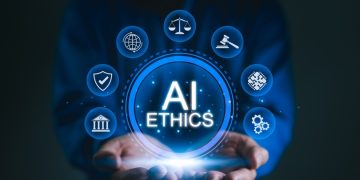
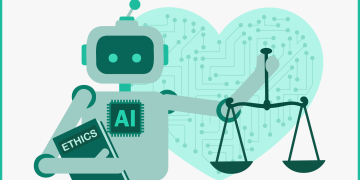
AI ethics refers to the moral implications of artificial intelligence technologies and how they should be developed and deployed in ways that are fair, just, and beneficial to humanity. Ethical concerns in AI are varied and complex, ranging from biases in algorithms to the impact of automation on employment.

Bias and Fairness

One of the most pressing ethical concerns is the potential for AI systems to perpetuate or even exacerbate biases. Since AI algorithms learn from vast datasets, they may inadvertently reflect the biases present in those datasets. For example, if a facial recognition system is trained predominantly on images of people from one racial or ethnic group, it may perform poorly when identifying individuals from other groups. Similarly, AI used in hiring processes may unknowingly favor candidates from certain demographics, perpetuating existing inequalities in the workplace.

Ensuring fairness in AI involves addressing these biases and making sure that AI systems treat all individuals equally, regardless of their race, gender, age, or socioeconomic status. It also involves making sure that AI does not reinforce harmful stereotypes or societal prejudices.

Transparency and Accountability

AI systems are often considered “black boxes,” meaning their decision-making processes are not easily understood by humans. This lack of transparency raises concerns, especially when AI is used in critical areas such as healthcare, law enforcement, and finance. If an AI system makes a mistake, it can be difficult to pinpoint the exact cause, making it challenging to hold the system—or its creators—accountable.

To address this issue, there is growing advocacy for explainable AI (XAI), which seeks to develop algorithms that can offer transparent and understandable explanations for their decisions. This is particularly important in sectors like criminal justice, where AI tools are being used to assess the risk of reoffending or predict sentencing outcomes.

Privacy and Data Protection

AI technologies rely heavily on data, and much of this data is personal. This raises concerns about privacy and how individuals’ data is collected, stored, and used. For instance, AI systems used in healthcare could potentially access sensitive information about patients, which could be misused if proper safeguards are not in place.

Regulations like the General Data Protection Regulation (GDPR) in the European Union aim to protect individuals’ privacy and ensure that data is used responsibly. However, as AI technologies become more sophisticated, existing regulations may need to be updated to address new challenges related to data security, consent, and ownership.

Challenges in AI Regulation

While the need for AI regulation is universally acknowledged, there are significant challenges in creating and enforcing laws that can keep pace with the rapid development of AI technologies.

Speed of Technological Change

AI is evolving at an unprecedented rate, and new developments are often outpacing the ability of governments and regulatory bodies to respond. This creates a situation where laws and regulations can quickly become outdated or ineffective, leaving gaps that could be exploited by malicious actors or lead to unintended negative consequences.

For example, in the realm of autonomous vehicles, AI systems are already being tested on roads, but there are few standardized regulations governing their operation. Similarly, as deep learning techniques continue to advance, the ability to detect and counteract AI-generated misinformation and cyberattacks becomes more difficult.

Global Coordination

AI development is a global endeavor, with major technological players based in different countries. This creates challenges in establishing a uniform regulatory approach. Different countries have different cultural values, economic interests, and legal systems, which can make international cooperation on AI regulation difficult.

For instance, while the European Union has proposed the AI Act to regulate high-risk AI applications, the United States has yet to adopt a comprehensive national AI policy. Meanwhile, China has rapidly developed AI technologies and implemented policies that promote innovation but may also raise ethical concerns related to privacy and state surveillance.

Balancing Innovation with Regulation

Regulating AI must strike a delicate balance between promoting innovation and ensuring ethical standards. Overregulation could stifle the growth of AI technologies, preventing the realization of their full potential. Conversely, under-regulation could expose society to the risks associated with unchecked AI development.

One approach to this challenge is the concept of risk-based regulation, which categorizes AI systems based on their potential harm. For example, AI used in autonomous vehicles or medical diagnostics would be subject to more stringent oversight compared to simpler applications like chatbots or recommendation algorithms.

Global Approaches to AI Regulation

As AI technology transcends borders, countries around the world are grappling with how best to regulate its development and use. Below are some notable regulatory initiatives:

The European Union’s AI Act

The European Union has taken a proactive approach to AI regulation with the proposed AI Act, which aims to establish a comprehensive legal framework for AI in Europe. The AI Act classifies AI systems based on their level of risk, ranging from minimal to high risk. High-risk applications, such as facial recognition and AI-driven medical devices, would face strict regulations to ensure they meet safety and ethical standards.

One of the key features of the AI Act is its emphasis on transparency, requiring AI systems to be explainable and auditable. It also introduces measures to combat biases and discrimination in AI algorithms, ensuring that AI applications do not disproportionately impact vulnerable groups.

The United States and AI Governance

While the U.S. has not yet passed a comprehensive national AI law, it has seen increasing efforts to establish governance frameworks at the federal level. In 2021, President Biden signed an executive order on AI that focuses on ensuring AI is developed in a way that promotes innovation while safeguarding privacy and human rights.

Additionally, several U.S. states, such as California, have introduced their own AI-related regulations, particularly around data privacy and consumer protection. The California Consumer Privacy Act (CCPA) and California Privacy Rights Act (CPRA) have set important precedents for data privacy laws that could be adapted for AI technologies.

China’s AI Policies

China has rapidly become a global leader in AI research and development, with its government actively promoting the use of AI in sectors such as healthcare, education, and transportation. However, China’s approach to AI regulation is distinct, with a focus on state control and surveillance.

The Chinese government has implemented policies that encourage the development of AI while also maintaining strict oversight. The 2021 China AI Development Plan lays out a roadmap for AI to become a central driver of economic growth, but it also emphasizes the importance of security and ethical standards.

International Cooperation

The regulation of AI is a global challenge, and international cooperation is key to addressing its ethical implications. Organizations such as the OECD (Organisation for Economic Co-operation and Development) and UNESCO are working to establish international guidelines for AI development. The OECD AI Principles outline recommendations for promoting innovation while ensuring that AI respects human rights and is developed responsibly.

AI Ethics and Human Rights

AI has profound implications for human rights, particularly in areas such as privacy, employment, and freedom of expression. As AI becomes increasingly integrated into society, its impact on these fundamental rights must be carefully considered.

Privacy and Surveillance

AI’s ability to process vast amounts of data raises concerns about privacy. In countries where AI is used for surveillance, such as China, there are fears that AI could be used to infringe on citizens’ rights to privacy and freedom of expression.

Employment and Economic Displacement

AI has the potential to replace jobs in industries such as manufacturing, retail, and even healthcare. This raises questions about how society will address the economic displacement of workers. Policy solutions may include universal basic income (UBI), retraining programs, and social safety nets to help workers transition into new roles created by AI technologies.

Access and Equity

As AI technologies continue to evolve, ensuring equitable access to these technologies is crucial. This includes ensuring that AI systems are accessible to marginalized and underserved communities and that the benefits of AI are distributed fairly across society.

Conclusion

The rapid development of artificial intelligence presents both tremendous opportunities and significant challenges. As AI continues to shape the future of technology, it is essential to address the ethical and regulatory issues that arise. By establishing robust, adaptive regulatory frameworks, fostering international collaboration, and prioritizing fairness and transparency, society can ensure that AI is developed and deployed in ways that benefit humanity while minimizing risks.

As AI technology continues to evolve, it is imperative that governments, organizations, and individuals work together to create an ethical, transparent, and inclusive future for AI. Proactive governance and a commitment to human rights will be key to ensuring that AI remains a force for good in the world.


Tags: AI ethicsAI newsRegulatory
ShareTweetShare

Related Posts

AI Models in Medicine: Accelerating Medical Research and Clinical Applications
AI News

AI Models in Medicine: Accelerating Medical Research and Clinical Applications

December 5, 2025
The Growing Role of Artificial Intelligence in Healthcare: Disease Diagnosis, Drug Development, and Personalized Medicine
AI News

The Growing Role of Artificial Intelligence in Healthcare: Disease Diagnosis, Drug Development, and Personalized Medicine

December 3, 2025
Addressing AI Bias, Data Privacy, and Social Inequality: Global Conversations on the Future of Artificial Intelligence
AI News

Addressing AI Bias, Data Privacy, and Social Inequality: Global Conversations on the Future of Artificial Intelligence

December 2, 2025
The European Union and Other Regions Advancing the Artificial Intelligence Act (AI Act)
AI News

The European Union and Other Regions Advancing the Artificial Intelligence Act (AI Act)

December 1, 2025
Governments and International Organizations Efforts to Develop Policies for Ethical and Safe Use of AI
AI News

Governments and International Organizations Efforts to Develop Policies for Ethical and Safe Use of AI

November 30, 2025
Advancing AI Ethics and Regulatory Frameworks: A Global Perspective
AI News

Advancing AI Ethics and Regulatory Frameworks: A Global Perspective

November 29, 2025
Leave Comment
  • Trending
  • Comments
  • Latest
How Artificial Intelligence is Achieving Revolutionary Breakthroughs in the Healthcare Industry: What Success Stories Teach Us

How Artificial Intelligence is Achieving Revolutionary Breakthroughs in the Healthcare Industry: What Success Stories Teach Us

July 26, 2025
AI in the Financial Sector: Which Innovative Strategies Are Driving Digital Transformation?

AI in the Financial Sector: Which Innovative Strategies Are Driving Digital Transformation?

July 26, 2025
From Beginner to Expert: Which AI Platforms Are Best for Beginners? Experts’ Take on Learning Curves and Practical Applications

From Beginner to Expert: Which AI Platforms Are Best for Beginners? Experts’ Take on Learning Curves and Practical Applications

July 23, 2025
How to Find Truly Useful AI Resources Among the Crowd? Experts Share How to Select Efficient and Innovative Tools!

How to Find Truly Useful AI Resources Among the Crowd? Experts Share How to Select Efficient and Innovative Tools!

July 23, 2025
How Artificial Intelligence Enhances Diagnostic Accuracy and Transforms Treatment Methods in Healthcare

How Artificial Intelligence Enhances Diagnostic Accuracy and Transforms Treatment Methods in Healthcare

How AI Enhances Customer Experience and Drives Sales Growth in Retail

How AI Enhances Customer Experience and Drives Sales Growth in Retail

How Artificial Intelligence Enables Precise Risk Assessment and Decision-Making

How Artificial Intelligence Enables Precise Risk Assessment and Decision-Making

How AI is Driving the Revolution in Smart Manufacturing and Production Efficiency

How AI is Driving the Revolution in Smart Manufacturing and Production Efficiency

The Widespread Adoption of Open Source AI Tools and Frameworks Globally, and Their Role as a Preferred Resource for AI Researchers and Developers

The Widespread Adoption of Open Source AI Tools and Frameworks Globally, and Their Role as a Preferred Resource for AI Researchers and Developers

December 5, 2025
Using AI to Analyze Client Risk Preferences for Personalized Asset Allocation

Using AI to Analyze Client Risk Preferences for Personalized Asset Allocation

December 5, 2025
Human-AI Collaboration: Fei-Fei Li’s Vision of Enhancing Productivity and Creativity Together, Not Simply “Replacing” Humans

Human-AI Collaboration: Fei-Fei Li’s Vision of Enhancing Productivity and Creativity Together, Not Simply “Replacing” Humans

December 5, 2025
Self-Supervised Learning: The Next Big Breakthrough in Deep Learning

Self-Supervised Learning: The Next Big Breakthrough in Deep Learning

December 5, 2025
AIInsiderUpdates

Our platform is dedicated to delivering comprehensive coverage of AI developments, featuring news, case studies, expert interviews, and valuable resources for professionals and enthusiasts alike.

© 2025 aiinsiderupdates.com. contacts:[email protected]

No Result
View All Result
  • Home
  • AI News
  • Technology Trends
  • Interviews & Opinions
  • Case Studies
  • Tools & Resources

© 2025 aiinsiderupdates.com. contacts:[email protected]

Welcome Back!

Login to your account below

Forgotten Password?

Retrieve your password

Please enter your username or email address to reset your password.

Log In