












AIInsiderUpdates
  • Home
  • AI News
    Leveraging AI to Analyze Customer Purchase Behavior: Optimizing Inventory and Supply Chain Management in Retail

    Leveraging AI to Analyze Customer Purchase Behavior: Optimizing Inventory and Supply Chain Management in Retail

    The Expanding Application of AI Technology in the Financial Industry

    The Expanding Application of AI Technology in the Financial Industry

    AI Applications Make Vehicles Safer in More Complex Environments

    AI Applications Make Vehicles Safer in More Complex Environments

    AI Technology Applications as the Core Driver of Progress

    AI Technology Applications as the Core Driver of Progress

    AI Applications in Autonomous Driving and Transportation

    AI Applications in Autonomous Driving and Transportation

    How AI Can Create Customized Treatment Plans Based on Personal Genetic Data and Health Records, Advancing Precision Medicine

    How AI Can Create Customized Treatment Plans Based on Personal Genetic Data and Health Records, Advancing Precision Medicine

  • Technology Trends
    Reinforcement Learning in Complex Decision-Making: Applications and Insights

    Reinforcement Learning in Complex Decision-Making: Applications and Insights

    The Fusion of Augmented Reality and Natural Language Processing

    The Fusion of Augmented Reality and Natural Language Processing

    AI: Analyzing Both Image and Speech Data to Provide More Accurate Services

    AI: Analyzing Both Image and Speech Data to Provide More Accurate Services

    AI Can Generate More Than Just Text and Images: The Creation of Music, Videos, and Other Multimedia Content

    AI Can Generate More Than Just Text and Images: The Creation of Music, Videos, and Other Multimedia Content

    Multimodal Learning: Combining Diverse Data Types for Enhanced AI Perception

    Multimodal Learning: Combining Diverse Data Types for Enhanced AI Perception

    Generative AI: Mimicking Human Creativity to Generate New Content

    Generative AI: Mimicking Human Creativity to Generate New Content

  • Interviews & Opinions
    AI Security and How to Effectively Regulate It: A Global Imperative

    AI Security and How to Effectively Regulate It: A Global Imperative

    AI Ethics Framework: Ensuring Responsible AI Development and Deployment

    AI Ethics Framework: Ensuring Responsible AI Development and Deployment

    The Rapid Development of AI and Its Impact on the Global Labor Market

    The Rapid Development of AI and Its Impact on the Global Labor Market

    Global Frameworks for AI Regulation: Ensuring Ethical Application and Minimizing Negative Impact on Society

    Global Frameworks for AI Regulation: Ensuring Ethical Application and Minimizing Negative Impact on Society

    Ensuring Diversity and Representativeness in AI Development to Avoid Reinforcing Social Inequality

    Ensuring Diversity and Representativeness in AI Development to Avoid Reinforcing Social Inequality

    Transforming Education and Retraining the Workforce

    Transforming Education and Retraining the Workforce

  • Case Studies
    Manufacturing: A Crucial Battlefield for AI Technology Implementation

    Manufacturing: A Crucial Battlefield for AI Technology Implementation

    Credit Scoring Optimization: Enhancing Accuracy, Fairness, and Accessibility in Financial Systems

    Credit Scoring Optimization: Enhancing Accuracy, Fairness, and Accessibility in Financial Systems

    The Application of AI in Retail and E-Commerce

    The Application of AI in Retail and E-Commerce

    The Application of AI in Finance: Balancing Accuracy and Compliance

    The Application of AI in Finance: Balancing Accuracy and Compliance

    Transparent and Explainable Models are Crucial for Financial Institutions to Meet Regulatory Requirements

    Transparent and Explainable Models are Crucial for Financial Institutions to Meet Regulatory Requirements

    BlueDot AI System in Predicting COVID-19 Spread and Supporting Public Health Decisions

    BlueDot AI System in Predicting COVID-19 Spread and Supporting Public Health Decisions

  • Tools & Resources
    AI-Driven Natural Language Processing Tools

    AI-Driven Natural Language Processing Tools

    The Rise of Low-Code and No-Code Development Platforms in the Age of AI Technology

    The Rise of Low-Code and No-Code Development Platforms in the Age of AI Technology

    Simplifying AI Development Platforms and Tools

    Simplifying AI Development Platforms and Tools

    AWS: Excellence in Big Data Processing and Model Training

    AWS: Excellence in Big Data Processing and Model Training

    Google Cloud AI: A Comprehensive Range of AI Services from Machine Learning to Natural Language Processing and Visual Recognition

    Google Cloud AI: A Comprehensive Range of AI Services from Machine Learning to Natural Language Processing and Visual Recognition

    Google Cloud AutoML: Empowering Non-Experts to Train and Deploy Machine Learning Models

    Google Cloud AutoML: Empowering Non-Experts to Train and Deploy Machine Learning Models

AIInsiderUpdates
  • Home
  • AI News
    Leveraging AI to Analyze Customer Purchase Behavior: Optimizing Inventory and Supply Chain Management in Retail

    Leveraging AI to Analyze Customer Purchase Behavior: Optimizing Inventory and Supply Chain Management in Retail

    The Expanding Application of AI Technology in the Financial Industry

    The Expanding Application of AI Technology in the Financial Industry

    AI Applications Make Vehicles Safer in More Complex Environments

    AI Applications Make Vehicles Safer in More Complex Environments

    AI Technology Applications as the Core Driver of Progress

    AI Technology Applications as the Core Driver of Progress

    AI Applications in Autonomous Driving and Transportation

    AI Applications in Autonomous Driving and Transportation

    How AI Can Create Customized Treatment Plans Based on Personal Genetic Data and Health Records, Advancing Precision Medicine

    How AI Can Create Customized Treatment Plans Based on Personal Genetic Data and Health Records, Advancing Precision Medicine

  • Technology Trends
    Reinforcement Learning in Complex Decision-Making: Applications and Insights

    Reinforcement Learning in Complex Decision-Making: Applications and Insights

    The Fusion of Augmented Reality and Natural Language Processing

    The Fusion of Augmented Reality and Natural Language Processing

    AI: Analyzing Both Image and Speech Data to Provide More Accurate Services

    AI: Analyzing Both Image and Speech Data to Provide More Accurate Services

    AI Can Generate More Than Just Text and Images: The Creation of Music, Videos, and Other Multimedia Content

    AI Can Generate More Than Just Text and Images: The Creation of Music, Videos, and Other Multimedia Content

    Multimodal Learning: Combining Diverse Data Types for Enhanced AI Perception

    Multimodal Learning: Combining Diverse Data Types for Enhanced AI Perception

    Generative AI: Mimicking Human Creativity to Generate New Content

    Generative AI: Mimicking Human Creativity to Generate New Content

  • Interviews & Opinions
    AI Security and How to Effectively Regulate It: A Global Imperative

    AI Security and How to Effectively Regulate It: A Global Imperative

    AI Ethics Framework: Ensuring Responsible AI Development and Deployment

    AI Ethics Framework: Ensuring Responsible AI Development and Deployment

    The Rapid Development of AI and Its Impact on the Global Labor Market

    The Rapid Development of AI and Its Impact on the Global Labor Market

    Global Frameworks for AI Regulation: Ensuring Ethical Application and Minimizing Negative Impact on Society

    Global Frameworks for AI Regulation: Ensuring Ethical Application and Minimizing Negative Impact on Society

    Ensuring Diversity and Representativeness in AI Development to Avoid Reinforcing Social Inequality

    Ensuring Diversity and Representativeness in AI Development to Avoid Reinforcing Social Inequality

    Transforming Education and Retraining the Workforce

    Transforming Education and Retraining the Workforce

  • Case Studies
    Manufacturing: A Crucial Battlefield for AI Technology Implementation

    Manufacturing: A Crucial Battlefield for AI Technology Implementation

    Credit Scoring Optimization: Enhancing Accuracy, Fairness, and Accessibility in Financial Systems

    Credit Scoring Optimization: Enhancing Accuracy, Fairness, and Accessibility in Financial Systems

    The Application of AI in Retail and E-Commerce

    The Application of AI in Retail and E-Commerce

    The Application of AI in Finance: Balancing Accuracy and Compliance

    The Application of AI in Finance: Balancing Accuracy and Compliance

    Transparent and Explainable Models are Crucial for Financial Institutions to Meet Regulatory Requirements

    Transparent and Explainable Models are Crucial for Financial Institutions to Meet Regulatory Requirements

    BlueDot AI System in Predicting COVID-19 Spread and Supporting Public Health Decisions

    BlueDot AI System in Predicting COVID-19 Spread and Supporting Public Health Decisions

  • Tools & Resources
    AI-Driven Natural Language Processing Tools

    AI-Driven Natural Language Processing Tools

    The Rise of Low-Code and No-Code Development Platforms in the Age of AI Technology

    The Rise of Low-Code and No-Code Development Platforms in the Age of AI Technology

    Simplifying AI Development Platforms and Tools

    Simplifying AI Development Platforms and Tools

    AWS: Excellence in Big Data Processing and Model Training

    AWS: Excellence in Big Data Processing and Model Training

    Google Cloud AI: A Comprehensive Range of AI Services from Machine Learning to Natural Language Processing and Visual Recognition

    Google Cloud AI: A Comprehensive Range of AI Services from Machine Learning to Natural Language Processing and Visual Recognition

    Google Cloud AutoML: Empowering Non-Experts to Train and Deploy Machine Learning Models

    Google Cloud AutoML: Empowering Non-Experts to Train and Deploy Machine Learning Models

AIInsiderUpdates
No Result
View All Result

The Socio-Economic Impact of AI: How Automation is Shaping Employment

March 4, 2025
The Socio-Economic Impact of AI: How Automation is Shaping Employment

Introduction

Artificial Intelligence (AI) is rapidly changing the landscape of work, affecting how businesses operate, how employees perform their tasks, and the overall structure of the job market. The rise of automation and AI-driven technologies is reshaping industries, enabling higher productivity, efficiency, and innovation. However, alongside these benefits come significant challenges, particularly in terms of job displacement and the evolving nature of employment. The widespread integration of AI across sectors raises critical questions about the future of work, the potential for large-scale job loss, and the urgent need for reskilling programs to prepare the workforce for an AI-powered economy.

In this article, we explore the socio-economic implications of AI on employment, drawing on insights from economists, labor experts, and industry leaders. We delve into the potential risks of automation on jobs, the transformation of the job market, and the role of workforce retraining programs in ensuring that workers are equipped to thrive in a rapidly evolving labor market. By addressing these key issues, we can better understand the complexities of an AI-driven economy and the steps needed to mitigate its challenges while maximizing its potential for positive change.

AI and Employment: A Dual-Edged Sword

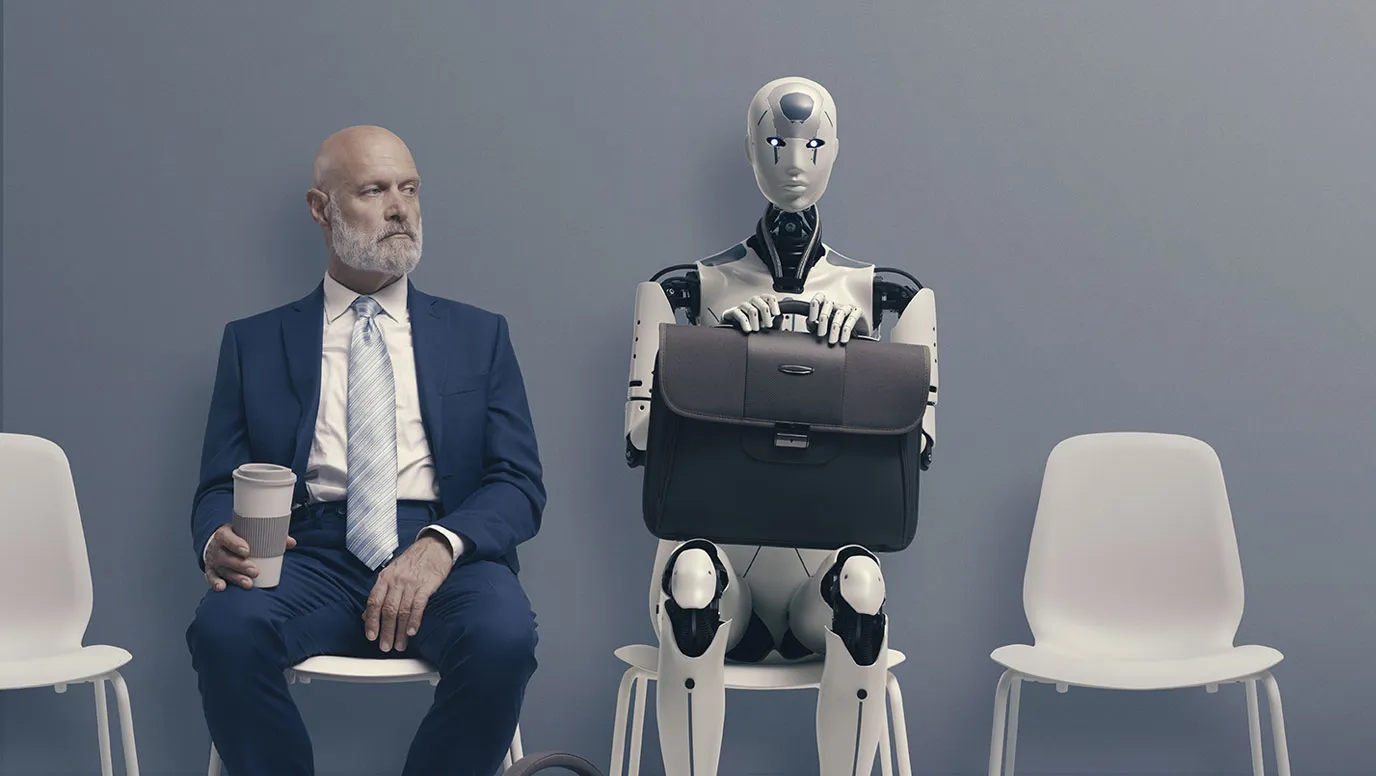
AI’s impact on employment is often portrayed as a double-edged sword. On the one hand, automation has the potential to drive significant economic growth and create new industries, spurring the development of new job roles that didn’t exist before. On the other hand, there are real concerns that AI could displace millions of jobs, particularly those that involve repetitive or manual tasks that can be automated with relative ease.

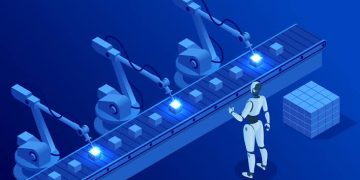
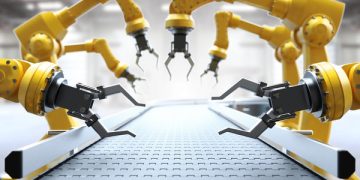
The rapid rise of AI-driven technologies such as machine learning, robotics, and natural language processing has already transformed sectors like manufacturing, logistics, and customer service. For example, self-driving vehicles and automated warehouses are poised to replace many roles in transportation and logistics, while AI-powered chatbots and virtual assistants are changing the landscape of customer service jobs. As automation continues to advance, many low-skill, routine jobs are at risk of being replaced by machines, leaving workers in those sectors vulnerable to displacement.

However, it’s important to recognize that AI also creates new job opportunities. While automation may eliminate certain tasks, it often gives rise to new roles that require higher levels of technical expertise, creativity, and human judgment. For example, AI systems require human oversight and management, which means there is an increasing demand for data scientists, AI specialists, and cybersecurity experts. Additionally, the growing adoption of AI in healthcare, finance, education, and other industries is opening up new avenues for employment in fields like AI ethics, data analysis, and machine-human collaboration.

Despite the potential for job creation in some areas, the transition toward an AI-driven economy will likely be uneven. Workers in certain sectors, particularly those in manual labor-intensive industries, may face challenges in finding new employment opportunities without the necessary skills to adapt to the changing job market. This brings us to the pressing issue of reskilling and workforce retraining.

Automation and Job Market Transformation

The automation of tasks traditionally performed by humans is fundamentally altering the structure of the job market. One of the most significant impacts of AI is its ability to automate not only manual labor but also cognitive tasks that require decision-making and problem-solving. For example, AI algorithms are now capable of analyzing large datasets to make informed decisions in industries such as finance, healthcare, and marketing, reducing the need for human intervention in routine tasks.

As a result, jobs that were once considered secure are increasingly vulnerable to automation. In fields like accounting, administrative support, and retail, AI technologies are automating routine and repetitive tasks such as data entry, inventory management, and customer service interactions. This has led to fears that automation will cause widespread job losses and exacerbate inequality, especially for workers in low-wage or low-skill roles.

However, the transformation of the job market is not all negative. Many experts argue that AI’s impact on employment should be viewed as part of a broader trend of technological advancement that has historically led to job creation in new sectors. For instance, the advent of computers and the internet in the late 20th century disrupted traditional industries, yet it also gave rise to entirely new fields like software development, digital marketing, and e-commerce.

As AI continues to evolve, it is likely that new industries will emerge, creating demand for skilled workers in areas such as AI development, robotics, data analytics, and even roles that require human expertise in managing AI systems. Moreover, AI’s ability to handle repetitive and mundane tasks can free up human workers to focus on higher-value activities that require creativity, emotional intelligence, and strategic thinking—skills that machines are not yet able to replicate.

However, for this transformation to occur successfully, it will be crucial to ensure that workers are not left behind. This brings us to the essential role of workforce retraining programs.

The Need for Reskilling: Preparing the Workforce for an AI-Driven Economy

As automation and AI reshape the job market, workers must adapt by acquiring new skills to remain relevant in an increasingly technology-driven world. The shift towards an AI-powered economy underscores the importance of reskilling and upskilling programs to ensure that workers can transition from roles that are at risk of automation to those that require more advanced technical skills or human capabilities.

Reskilling programs can help workers develop expertise in areas such as data science, machine learning, cybersecurity, and digital marketing. These fields are expected to experience significant growth as industries adopt AI technologies, creating new job opportunities for individuals who can adapt to these changes. For instance, in the healthcare sector, AI is already being used to assist in diagnostic processes, and as AI adoption increases, the demand for healthcare professionals with expertise in managing and interpreting AI-driven tools will rise.

In addition to technical skills, workers will also need to cultivate soft skills that are difficult for machines to replicate. Creativity, emotional intelligence, adaptability, and problem-solving are all traits that will continue to be valuable in the AI-driven economy. Reskilling initiatives must therefore focus not only on technical proficiency but also on fostering these human-centric skills that machines cannot easily replace.

Governments, businesses, and educational institutions all have a role to play in supporting reskilling efforts. Public policies that promote access to education and training opportunities are critical to ensuring that displaced workers can acquire the skills needed for new roles. Additionally, businesses should invest in ongoing training for their employees, offering opportunities for professional development and career advancement as part of their corporate responsibility. Partnerships between industry and academia can also help bridge the skills gap by offering targeted training programs that align with the evolving needs of the job market.

The COVID-19 pandemic has highlighted the importance of digital literacy, as many jobs shifted to remote work and online platforms. As we move toward a more AI-integrated economy, digital skills will become even more critical, making it essential for workers to remain adaptable and continuously learn new technologies throughout their careers.

The Future of Work in an AI-Powered Economy

The future of work in an AI-powered economy will be shaped by a combination of factors, including technological advancements, workforce adaptation, and public policy. While automation may lead to job displacement in certain sectors, it is also likely to create new opportunities in emerging fields that require human expertise, collaboration, and decision-making. AI has the potential to transform industries, improve productivity, and drive economic growth, but it will be important to manage the transition in a way that benefits all workers, not just those in tech-focused roles.

The key to navigating this transition lies in proactive and comprehensive strategies for reskilling the workforce. By equipping workers with the skills and knowledge necessary to thrive in an AI-driven world, we can ensure that automation enhances human potential rather than replacing it. Moreover, a strong social safety net and support systems will be essential to help workers through this period of transformation and uncertainty.

Ultimately, AI’s impact on employment will depend on how societies and policymakers choose to approach the challenges of automation and workforce retraining. By investing in education, fostering collaboration between industry and government, and ensuring that all workers have access to the resources they need to adapt, we can build a future where AI is a force for economic empowerment and social progress.

Conclusion

The socio-economic impact of AI on employment is multifaceted, with both opportunities and challenges. While automation has the potential to displace jobs in certain sectors, it also presents the opportunity to create new industries, enhance productivity, and unlock human potential. The key to managing this transformation will be a concerted effort to reskill and upskill the workforce, preparing workers for the demands of an AI-driven economy. By embracing the potential of AI while addressing the risks of job displacement and inequality, we can shape a future of work that benefits all individuals, regardless of their industry or skill level.

Tags: AI and employmentautomationJob Market Transformationworkforce retraining
ShareTweetShare

Related Posts

AI Security and How to Effectively Regulate It: A Global Imperative
Interviews & Opinions

AI Security and How to Effectively Regulate It: A Global Imperative

December 11, 2025
Leveraging AI to Analyze Customer Purchase Behavior: Optimizing Inventory and Supply Chain Management in Retail
AI News

Leveraging AI to Analyze Customer Purchase Behavior: Optimizing Inventory and Supply Chain Management in Retail

December 11, 2025
AI Ethics Framework: Ensuring Responsible AI Development and Deployment
Interviews & Opinions

AI Ethics Framework: Ensuring Responsible AI Development and Deployment

December 10, 2025
The Expanding Application of AI Technology in the Financial Industry
AI News

The Expanding Application of AI Technology in the Financial Industry

December 10, 2025
The Rapid Development of AI and Its Impact on the Global Labor Market
Interviews & Opinions

The Rapid Development of AI and Its Impact on the Global Labor Market

December 9, 2025
AI Applications Make Vehicles Safer in More Complex Environments
AI News

AI Applications Make Vehicles Safer in More Complex Environments

December 9, 2025
Leave Comment
  • Trending
  • Comments
  • Latest
How Artificial Intelligence is Achieving Revolutionary Breakthroughs in the Healthcare Industry: What Success Stories Teach Us

How Artificial Intelligence is Achieving Revolutionary Breakthroughs in the Healthcare Industry: What Success Stories Teach Us

July 26, 2025
AI in the Financial Sector: Which Innovative Strategies Are Driving Digital Transformation?

AI in the Financial Sector: Which Innovative Strategies Are Driving Digital Transformation?

July 26, 2025
From Beginner to Expert: Which AI Platforms Are Best for Beginners? Experts’ Take on Learning Curves and Practical Applications

From Beginner to Expert: Which AI Platforms Are Best for Beginners? Experts’ Take on Learning Curves and Practical Applications

July 23, 2025
How to Find Truly Useful AI Resources Among the Crowd? Experts Share How to Select Efficient and Innovative Tools!

How to Find Truly Useful AI Resources Among the Crowd? Experts Share How to Select Efficient and Innovative Tools!

July 23, 2025
How Artificial Intelligence Enhances Diagnostic Accuracy and Transforms Treatment Methods in Healthcare

How Artificial Intelligence Enhances Diagnostic Accuracy and Transforms Treatment Methods in Healthcare

How AI Enhances Customer Experience and Drives Sales Growth in Retail

How AI Enhances Customer Experience and Drives Sales Growth in Retail

How Artificial Intelligence Enables Precise Risk Assessment and Decision-Making

How Artificial Intelligence Enables Precise Risk Assessment and Decision-Making

How AI is Driving the Revolution in Smart Manufacturing and Production Efficiency

How AI is Driving the Revolution in Smart Manufacturing and Production Efficiency

AI-Driven Natural Language Processing Tools

AI-Driven Natural Language Processing Tools

December 11, 2025
Manufacturing: A Crucial Battlefield for AI Technology Implementation

Manufacturing: A Crucial Battlefield for AI Technology Implementation

December 11, 2025
AI Security and How to Effectively Regulate It: A Global Imperative

AI Security and How to Effectively Regulate It: A Global Imperative

December 11, 2025
Reinforcement Learning in Complex Decision-Making: Applications and Insights

Reinforcement Learning in Complex Decision-Making: Applications and Insights

December 11, 2025
AIInsiderUpdates

Our platform is dedicated to delivering comprehensive coverage of AI developments, featuring news, case studies, expert interviews, and valuable resources for professionals and enthusiasts alike.

© 2025 aiinsiderupdates.com. contacts:[email protected]

No Result
View All Result
  • Home
  • AI News
  • Technology Trends
  • Interviews & Opinions
  • Case Studies
  • Tools & Resources

© 2025 aiinsiderupdates.com. contacts:[email protected]

Welcome Back!

Login to your account below

Forgotten Password?

Retrieve your password

Please enter your username or email address to reset your password.

Log In