



























AIInsiderUpdates
  • Home
  • AI News
    Global Regulatory Frameworks for AI: Progressing Towards Security, Ethics, Accountability, and Data Protection

    Global Regulatory Frameworks for AI: Progressing Towards Security, Ethics, Accountability, and Data Protection

    International Collaboration: A Key Driver for AI Technology Standards and Ecosystem Development

    International Collaboration: A Key Driver for AI Technology Standards and Ecosystem Development

    Industry-Leading AI Companies and Cloud Service Providers

    Industry-Leading AI Companies and Cloud Service Providers

    An Increasing Number of Enterprises Integrating AI into Core Strategy

    An Increasing Number of Enterprises Integrating AI into Core Strategy

    Large Model Providers and Enterprises in Speech & NLP Continue Expanding Application Scenarios

    Large Model Providers and Enterprises in Speech & NLP Continue Expanding Application Scenarios

    Breakthrough Advances in AI for Complex Perception and Reasoning Tasks

    Breakthrough Advances in AI for Complex Perception and Reasoning Tasks

  • Technology Trends
    AI Explainability and Ethics: Balancing Transparency, Accountability, and Trust in AI Systems

    AI Explainability and Ethics: Balancing Transparency, Accountability, and Trust in AI Systems

    Multimodal AI: Revolutionizing Data Integration and Understanding

    Multimodal AI: Revolutionizing Data Integration and Understanding

    Smart Manufacturing and Industrial AI

    Smart Manufacturing and Industrial AI

    Multilingual Understanding and Generation, Especially in Non-English Language Contexts: A Global Innovation Frontier

    Multilingual Understanding and Generation, Especially in Non-English Language Contexts: A Global Innovation Frontier

    AI Systems Are No Longer Limited to Single Inputs: The Rise of Multimodal AI

    AI Systems Are No Longer Limited to Single Inputs: The Rise of Multimodal AI

    Optimizing Transformer and Self-Attention Architectures to Enhance Model Expressiveness

    Optimizing Transformer and Self-Attention Architectures to Enhance Model Expressiveness

  • Interviews & Opinions
    Human-Machine Collaboration and Trend Prediction: The Future of Work and Decision-Making

    Human-Machine Collaboration and Trend Prediction: The Future of Work and Decision-Making

    Despite AI Automation Enhancements, Human Contribution Remains Unmatched in Data Creation and Cultural Context Understanding

    Despite AI Automation Enhancements, Human Contribution Remains Unmatched in Data Creation and Cultural Context Understanding

    Investment Bubbles and Risk Management: Diverging Perspectives

    Investment Bubbles and Risk Management: Diverging Perspectives

    CEO Perspectives on AI Data Contribution and the Role of Humans

    CEO Perspectives on AI Data Contribution and the Role of Humans

    Differences Between Academic and Public Perspectives on AI: Bridging the Gap

    Differences Between Academic and Public Perspectives on AI: Bridging the Gap

    AI Technology is No Longer Just a Tool: It Has Become a Core Component of Enterprise Competitiveness

    AI Technology is No Longer Just a Tool: It Has Become a Core Component of Enterprise Competitiveness

  • Case Studies
    Multidimensional Applications of AI in the Digital Transformation of Manufacturing

    Multidimensional Applications of AI in the Digital Transformation of Manufacturing

    AI Customer Service Bots and Smart Advisors: Helping Banks Reduce Human Customer Support Costs While Enhancing Response Efficiency, User Engagement, and Satisfaction

    AI Customer Service Bots and Smart Advisors: Helping Banks Reduce Human Customer Support Costs While Enhancing Response Efficiency, User Engagement, and Satisfaction

    Personalized Recommendation and Inventory Optimization

    Personalized Recommendation and Inventory Optimization

    How Retailers Use AI Models to Predict Sales Trends and Optimize Inventory Levels

    How Retailers Use AI Models to Predict Sales Trends and Optimize Inventory Levels

    AI Not Only Enhances Diagnostic Capabilities but Also Significantly Improves Backend Healthcare Services

    AI Not Only Enhances Diagnostic Capabilities but Also Significantly Improves Backend Healthcare Services

    AI in Manufacturing: Achieving Significant Cost Savings and Efficiency Improvements

    AI in Manufacturing: Achieving Significant Cost Savings and Efficiency Improvements

  • Tools & Resources
    Real-World Testing and Efficiency Evaluation of Emerging Technological Trends

    Real-World Testing and Efficiency Evaluation of Emerging Technological Trends

    Auxiliary AI Toolset: Enhancing Productivity, Innovation, and Problem Solving Across Industries

    Auxiliary AI Toolset: Enhancing Productivity, Innovation, and Problem Solving Across Industries

    Dataset Preprocessing and Labeling Strategies: A Resource Guide

    Dataset Preprocessing and Labeling Strategies: A Resource Guide

    Recommended Open Source Model Trade-Off Strategies

    Recommended Open Source Model Trade-Off Strategies

    Practical Roadmap: End-to-End Experience from Model Training to Deployment

    Practical Roadmap: End-to-End Experience from Model Training to Deployment

    Scalability and Performance Optimization: Insights and Best Practices

    Scalability and Performance Optimization: Insights and Best Practices

AIInsiderUpdates
  • Home
  • AI News
    Global Regulatory Frameworks for AI: Progressing Towards Security, Ethics, Accountability, and Data Protection

    Global Regulatory Frameworks for AI: Progressing Towards Security, Ethics, Accountability, and Data Protection

    International Collaboration: A Key Driver for AI Technology Standards and Ecosystem Development

    International Collaboration: A Key Driver for AI Technology Standards and Ecosystem Development

    Industry-Leading AI Companies and Cloud Service Providers

    Industry-Leading AI Companies and Cloud Service Providers

    An Increasing Number of Enterprises Integrating AI into Core Strategy

    An Increasing Number of Enterprises Integrating AI into Core Strategy

    Large Model Providers and Enterprises in Speech & NLP Continue Expanding Application Scenarios

    Large Model Providers and Enterprises in Speech & NLP Continue Expanding Application Scenarios

    Breakthrough Advances in AI for Complex Perception and Reasoning Tasks

    Breakthrough Advances in AI for Complex Perception and Reasoning Tasks

  • Technology Trends
    AI Explainability and Ethics: Balancing Transparency, Accountability, and Trust in AI Systems

    AI Explainability and Ethics: Balancing Transparency, Accountability, and Trust in AI Systems

    Multimodal AI: Revolutionizing Data Integration and Understanding

    Multimodal AI: Revolutionizing Data Integration and Understanding

    Smart Manufacturing and Industrial AI

    Smart Manufacturing and Industrial AI

    Multilingual Understanding and Generation, Especially in Non-English Language Contexts: A Global Innovation Frontier

    Multilingual Understanding and Generation, Especially in Non-English Language Contexts: A Global Innovation Frontier

    AI Systems Are No Longer Limited to Single Inputs: The Rise of Multimodal AI

    AI Systems Are No Longer Limited to Single Inputs: The Rise of Multimodal AI

    Optimizing Transformer and Self-Attention Architectures to Enhance Model Expressiveness

    Optimizing Transformer and Self-Attention Architectures to Enhance Model Expressiveness

  • Interviews & Opinions
    Human-Machine Collaboration and Trend Prediction: The Future of Work and Decision-Making

    Human-Machine Collaboration and Trend Prediction: The Future of Work and Decision-Making

    Despite AI Automation Enhancements, Human Contribution Remains Unmatched in Data Creation and Cultural Context Understanding

    Despite AI Automation Enhancements, Human Contribution Remains Unmatched in Data Creation and Cultural Context Understanding

    Investment Bubbles and Risk Management: Diverging Perspectives

    Investment Bubbles and Risk Management: Diverging Perspectives

    CEO Perspectives on AI Data Contribution and the Role of Humans

    CEO Perspectives on AI Data Contribution and the Role of Humans

    Differences Between Academic and Public Perspectives on AI: Bridging the Gap

    Differences Between Academic and Public Perspectives on AI: Bridging the Gap

    AI Technology is No Longer Just a Tool: It Has Become a Core Component of Enterprise Competitiveness

    AI Technology is No Longer Just a Tool: It Has Become a Core Component of Enterprise Competitiveness

  • Case Studies
    Multidimensional Applications of AI in the Digital Transformation of Manufacturing

    Multidimensional Applications of AI in the Digital Transformation of Manufacturing

    AI Customer Service Bots and Smart Advisors: Helping Banks Reduce Human Customer Support Costs While Enhancing Response Efficiency, User Engagement, and Satisfaction

    AI Customer Service Bots and Smart Advisors: Helping Banks Reduce Human Customer Support Costs While Enhancing Response Efficiency, User Engagement, and Satisfaction

    Personalized Recommendation and Inventory Optimization

    Personalized Recommendation and Inventory Optimization

    How Retailers Use AI Models to Predict Sales Trends and Optimize Inventory Levels

    How Retailers Use AI Models to Predict Sales Trends and Optimize Inventory Levels

    AI Not Only Enhances Diagnostic Capabilities but Also Significantly Improves Backend Healthcare Services

    AI Not Only Enhances Diagnostic Capabilities but Also Significantly Improves Backend Healthcare Services

    AI in Manufacturing: Achieving Significant Cost Savings and Efficiency Improvements

    AI in Manufacturing: Achieving Significant Cost Savings and Efficiency Improvements

  • Tools & Resources
    Real-World Testing and Efficiency Evaluation of Emerging Technological Trends

    Real-World Testing and Efficiency Evaluation of Emerging Technological Trends

    Auxiliary AI Toolset: Enhancing Productivity, Innovation, and Problem Solving Across Industries

    Auxiliary AI Toolset: Enhancing Productivity, Innovation, and Problem Solving Across Industries

    Dataset Preprocessing and Labeling Strategies: A Resource Guide

    Dataset Preprocessing and Labeling Strategies: A Resource Guide

    Recommended Open Source Model Trade-Off Strategies

    Recommended Open Source Model Trade-Off Strategies

    Practical Roadmap: End-to-End Experience from Model Training to Deployment

    Practical Roadmap: End-to-End Experience from Model Training to Deployment

    Scalability and Performance Optimization: Insights and Best Practices

    Scalability and Performance Optimization: Insights and Best Practices

AIInsiderUpdates
No Result
View All Result

The Future of AI-Driven Personalized Healthcare: What’s Next?

March 3, 2025
The Future of AI-Driven Personalized Healthcare: What’s Next?

Introduction

Artificial Intelligence (AI) has become an integral part of healthcare, particularly in the realm of personalized medicine. Personalized healthcare focuses on tailoring medical treatment to the individual characteristics of each patient, including genetic profile, lifestyle, and environmental factors. By leveraging AI technologies, healthcare providers can move from a one-size-fits-all approach to one that is precise, predictive, and adaptive. This transformation is underpinned by the capacity of AI to analyze vast datasets, uncover patterns, and provide insights that were previously unattainable through traditional medical methods.

In the future, AI-driven personalized healthcare promises to not only improve the accuracy of diagnoses and treatments but also significantly enhance patient outcomes by allowing for more timely, precise, and targeted interventions. However, this shift also brings challenges related to data privacy, ethical considerations, and the need for continuous innovation. This article delves into the key developments and discussions shaping the future of AI-driven personalized healthcare, focusing on precision medicine, predictive analytics, and the challenges related to health data privacy.

The Role of AI in Healthcare

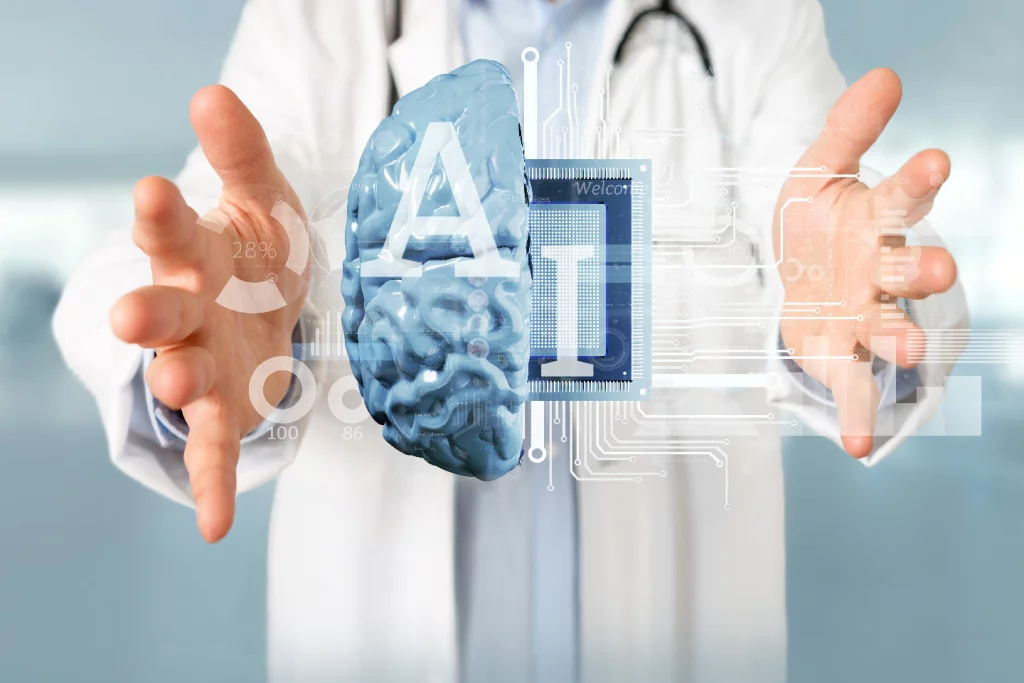
AI’s applications in healthcare are broad, but in the context of personalized medicine, its ability to process and analyze large datasets is crucial. By utilizing machine learning algorithms and deep learning models, AI can uncover insights from medical records, genetic data, imaging results, and patient-reported information. These technologies empower healthcare professionals to provide individualized care by recommending the most appropriate treatments based on a patient’s unique circumstances.

Moreover, AI-driven tools can enhance decision-making for healthcare providers. These systems are able to assist in diagnosing complex conditions, predicting disease progression, and even suggesting preventive measures. For example, AI algorithms can analyze medical imaging data to detect early signs of cancer, sometimes with greater accuracy than human radiologists. This is particularly valuable for diseases like cancer, where early detection can be life-saving.

Another critical aspect of AI in healthcare is its capacity for predictive analytics. By analyzing historical data and recognizing patterns, AI can forecast potential health risks, allowing for early intervention. This could include predicting the likelihood of a patient developing conditions such as diabetes, cardiovascular disease, or mental health disorders. Predictive models based on AI can provide invaluable insights that help healthcare providers not only manage diseases but also prevent them, shifting the focus from reactive to proactive care.

Precision Medicine: Tailoring Treatments to the Individual

Precision medicine is an evolving approach that takes into account individual genetic makeup, lifestyle factors, and environmental influences when designing treatments. Rather than relying on generalized protocols, precision medicine offers a customized approach, increasing the likelihood of successful outcomes.

AI plays a pivotal role in precision medicine by processing complex biological data to uncover specific genetic variants and other factors that contribute to a patient’s health. For example, AI-driven algorithms can analyze genomic data to identify mutations that might predispose individuals to certain diseases. This can inform doctors on the most effective treatment plans, whether through targeted therapies or drug choices that are more likely to work based on the patient’s genetic profile.

Pharmacogenomics, the study of how genes affect a person’s response to drugs, is another area where AI is making an impact. AI tools can help match patients with drugs that will be most effective for them, reducing the trial-and-error approach often seen in traditional treatments. This not only improves outcomes but also minimizes side effects, offering a higher quality of life for patients.

AI’s role in genomics also extends to personalized cancer treatment. By analyzing data from various sources, including gene expression profiles and tumor characteristics, AI systems can identify the most promising treatment plans for cancer patients, allowing for more targeted therapies that are specific to the genetic makeup of their cancer cells.

Predictive Analytics: A Game Changer in Healthcare

The ability to predict health events before they happen has profound implications for improving patient care. Predictive analytics, driven by AI, can analyze trends in patient data to anticipate future health issues and allow for preventive action. These predictive models are often powered by machine learning techniques, which help to identify hidden patterns within large datasets.

For instance, in cardiovascular health, AI models can process a combination of patient data, including lifestyle habits, genetic information, and medical history, to forecast the likelihood of a heart attack or stroke. This data-driven insight can enable early interventions, such as lifestyle changes or medical procedures, that may reduce the risk or delay the onset of disease.

In mental health, AI has the potential to transform care by providing predictive models that can identify early signs of mental health conditions like depression or anxiety. These models can analyze speech patterns, social media activity, and other behavioral data to detect changes in a person’s mental state, enabling clinicians to intervene before the condition becomes more severe.

Another application of predictive analytics is in the management of chronic diseases such as diabetes. By analyzing data from wearable devices and medical records, AI can predict fluctuations in blood sugar levels and alert patients and healthcare providers to take corrective action before a serious complication arises.
Health Data Privacy: The Ethical Considerations

As healthcare systems increasingly adopt AI technologies, the issue of data privacy becomes ever more critical. The vast amounts of data required for AI models in personalized healthcare—ranging from electronic health records to genetic data—raise significant concerns about how this data is collected, stored, and shared. Misuse or mishandling of sensitive health information could result in breaches of patient confidentiality and lead to significant harm.

Health data privacy regulations such as the Health Insurance Portability and Accountability Act (HIPAA) in the U.S. and the General Data Protection Regulation (GDPR) in Europe are designed to safeguard patient privacy and ensure that personal health data is only used for legitimate purposes. However, as AI becomes more integrated into healthcare, ensuring that these regulations keep pace with technological advances is crucial.

Another challenge lies in data ownership. Patients must have control over their own health data, with the ability to decide who can access it and for what purpose. As AI systems become more advanced, the need for robust cybersecurity measures will be essential to protect sensitive patient information from cyberattacks.

Moreover, AI systems often require large datasets to function effectively, which can lead to ethical concerns regarding consent. Patients may not always be fully aware of how their data will be used or the potential risks associated with sharing it. Ensuring informed consent and transparency in data usage is essential to maintaining trust in AI-driven healthcare solutions.

The Road Ahead: Challenges and Opportunities

While the future of AI in personalized healthcare holds tremendous promise, several challenges must be addressed to unlock its full potential. One major issue is the need for high-quality, diverse datasets. Many AI algorithms are trained on data that may not adequately represent the full spectrum of patient populations, leading to biases that could harm certain groups, particularly those from underrepresented demographics. To ensure fairness and equity in AI-driven healthcare, it is essential to create datasets that are more inclusive and representative.

Furthermore, as AI systems become more sophisticated, the role of healthcare providers may evolve. Doctors and clinicians will need to collaborate more closely with AI systems, using them as tools to enhance decision-making rather than replace human expertise. The integration of AI into healthcare will require ongoing training and education for medical professionals to ensure they are well-equipped to work with these new technologies.

Regulatory bodies will also need to adapt to keep pace with technological advancements. The rapid pace of innovation in AI means that healthcare regulators must remain vigilant and proactive in developing policies that ensure patient safety, data privacy, and ethical use of technology.

AI-driven personalized healthcare presents both a transformative opportunity and a set of complex challenges. However, with continued innovation and thoughtful consideration of ethical, privacy, and regulatory concerns, the future of healthcare promises to be more precise, predictive, and personalized than ever before.

Conclusion

The potential of AI to revolutionize personalized healthcare is immense, offering the ability to tailor treatments to the individual needs of patients based on their genetic, lifestyle, and health data. As AI technologies evolve, they will allow healthcare providers to predict, prevent, and manage diseases with unprecedented precision. However, alongside the exciting prospects, there are critical challenges related to data privacy, bias, and regulation that must be addressed. The future of AI-driven personalized healthcare will depend on collaboration between healthcare professionals, AI experts, regulators, and patients to ensure that these technologies are used responsibly, ethically, and effectively.


Tags: AI in healthcarehealth data privacypersonalized medicinepredictive analytics
ShareTweetShare

Related Posts

Human-Machine Collaboration and Trend Prediction: The Future of Work and Decision-Making
Interviews & Opinions

Human-Machine Collaboration and Trend Prediction: The Future of Work and Decision-Making

January 21, 2026
Global Regulatory Frameworks for AI: Progressing Towards Security, Ethics, Accountability, and Data Protection
AI News

Global Regulatory Frameworks for AI: Progressing Towards Security, Ethics, Accountability, and Data Protection

January 21, 2026
Despite AI Automation Enhancements, Human Contribution Remains Unmatched in Data Creation and Cultural Context Understanding
Interviews & Opinions

Despite AI Automation Enhancements, Human Contribution Remains Unmatched in Data Creation and Cultural Context Understanding

January 20, 2026
International Collaboration: A Key Driver for AI Technology Standards and Ecosystem Development
AI News

International Collaboration: A Key Driver for AI Technology Standards and Ecosystem Development

January 20, 2026
Investment Bubbles and Risk Management: Diverging Perspectives
Interviews & Opinions

Investment Bubbles and Risk Management: Diverging Perspectives

January 19, 2026
Industry-Leading AI Companies and Cloud Service Providers
AI News

Industry-Leading AI Companies and Cloud Service Providers

January 19, 2026
Leave Comment
  • Trending
  • Comments
  • Latest
How Artificial Intelligence is Achieving Revolutionary Breakthroughs in the Healthcare Industry: What Success Stories Teach Us

How Artificial Intelligence is Achieving Revolutionary Breakthroughs in the Healthcare Industry: What Success Stories Teach Us

July 26, 2025
AI in the Financial Sector: Which Innovative Strategies Are Driving Digital Transformation?

AI in the Financial Sector: Which Innovative Strategies Are Driving Digital Transformation?

July 26, 2025
From Beginner to Expert: Which AI Platforms Are Best for Beginners? Experts’ Take on Learning Curves and Practical Applications

From Beginner to Expert: Which AI Platforms Are Best for Beginners? Experts’ Take on Learning Curves and Practical Applications

July 23, 2025
How to Find Truly Useful AI Resources Among the Crowd? Experts Share How to Select Efficient and Innovative Tools!

How to Find Truly Useful AI Resources Among the Crowd? Experts Share How to Select Efficient and Innovative Tools!

July 23, 2025
How Artificial Intelligence Enhances Diagnostic Accuracy and Transforms Treatment Methods in Healthcare

How Artificial Intelligence Enhances Diagnostic Accuracy and Transforms Treatment Methods in Healthcare

How AI Enhances Customer Experience and Drives Sales Growth in Retail

How AI Enhances Customer Experience and Drives Sales Growth in Retail

How Artificial Intelligence Enables Precise Risk Assessment and Decision-Making

How Artificial Intelligence Enables Precise Risk Assessment and Decision-Making

How AI is Driving the Revolution in Smart Manufacturing and Production Efficiency

How AI is Driving the Revolution in Smart Manufacturing and Production Efficiency

Real-World Testing and Efficiency Evaluation of Emerging Technological Trends

Real-World Testing and Efficiency Evaluation of Emerging Technological Trends

January 21, 2026
Multidimensional Applications of AI in the Digital Transformation of Manufacturing

Multidimensional Applications of AI in the Digital Transformation of Manufacturing

January 21, 2026
Human-Machine Collaboration and Trend Prediction: The Future of Work and Decision-Making

Human-Machine Collaboration and Trend Prediction: The Future of Work and Decision-Making

January 21, 2026
AI Explainability and Ethics: Balancing Transparency, Accountability, and Trust in AI Systems

AI Explainability and Ethics: Balancing Transparency, Accountability, and Trust in AI Systems

January 21, 2026
AIInsiderUpdates

Our platform is dedicated to delivering comprehensive coverage of AI developments, featuring news, case studies, expert interviews, and valuable resources for professionals and enthusiasts alike.

© 2025 aiinsiderupdates.com. contacts:[email protected]

No Result
View All Result
  • Home
  • AI News
  • Technology Trends
  • Interviews & Opinions
  • Case Studies
  • Tools & Resources

© 2025 aiinsiderupdates.com. contacts:[email protected]

Welcome Back!

Login to your account below

Forgotten Password?

Retrieve your password

Please enter your username or email address to reset your password.

Log In