


















AIInsiderUpdates
  • Home
  • AI News
    Global AI Competition: Dominance in the AI Chip Sector, with NVIDIA Maintaining Its Leading Position

    Global AI Competition: Dominance in the AI Chip Sector, with NVIDIA Maintaining Its Leading Position

    AI Is No Longer Confined to Text Generation: Toward Integrated Capabilities in Vision, Perception, and Embodied Robotics

    AI Is No Longer Confined to Text Generation: Toward Integrated Capabilities in Vision, Perception, and Embodied Robotics

    AI Technology and Its Integration with Traditional Industries as a Key to Enhancing Enterprise Competitiveness

    AI Technology and Its Integration with Traditional Industries as a Key to Enhancing Enterprise Competitiveness

    AI Has Entered the ‘Breaking Wall’ Stage: From Laboratory Development to Large-Scale Industrial Applications

    AI Has Entered the ‘Breaking Wall’ Stage: From Laboratory Development to Large-Scale Industrial Applications

    AI and the Intensifying Competition in the Semiconductor Industry

    AI and the Intensifying Competition in the Semiconductor Industry

    New AI Chips and Heterogeneous Architectures Driving the Computational Power Revolution

    New AI Chips and Heterogeneous Architectures Driving the Computational Power Revolution

  • Technology Trends
    Natural Language Processing: One of the Core Pillars of AI

    Natural Language Processing: One of the Core Pillars of AI

    Deep Learning Simulates Human Brain Signal Processing Pathways Through the Construction of Multi-Layer Neural Networks

    Deep Learning Simulates Human Brain Signal Processing Pathways Through the Construction of Multi-Layer Neural Networks

    Autonomous Driving and Robotics: Continuous Advancements in Perception and Intelligent Decision-Making Capabilities

    Autonomous Driving and Robotics: Continuous Advancements in Perception and Intelligent Decision-Making Capabilities

    AI in Assisting Pathological Image Recognition, Disease Diagnosis, and Personalized Treatment Plans

    AI in Assisting Pathological Image Recognition, Disease Diagnosis, and Personalized Treatment Plans

    NLP Technologies: From Understanding to Generation

    NLP Technologies: From Understanding to Generation

    Self-Supervised Learning, Federated Learning, and Other Emerging Training Methods: Reducing the Dependence on Labeled Data and Improving Model Generalization

    Self-Supervised Learning, Federated Learning, and Other Emerging Training Methods: Reducing the Dependence on Labeled Data and Improving Model Generalization

  • Interviews & Opinions
    Experts Predict That Future AI Data Labeling and Training Will Rely More on Domain Expert Skills Rather Than Fully Synthetic Data

    Experts Predict That Future AI Data Labeling and Training Will Rely More on Domain Expert Skills Rather Than Fully Synthetic Data

    Public Attention on the Immediate Impact of Artificial Intelligence on Employment and Privacy

    Public Attention on the Immediate Impact of Artificial Intelligence on Employment and Privacy

    The Role of AI in Think Tanks and Strategic Research

    The Role of AI in Think Tanks and Strategic Research

    AI Security and Responsible Development: Perspectives and Insights

    AI Security and Responsible Development: Perspectives and Insights

    AI’s Impact on Industry and Employment

    AI’s Impact on Industry and Employment

    Multimodal and the Next-Generation AI Models Breakthroughs

    Multimodal and the Next-Generation AI Models Breakthroughs

  • Case Studies
    BMW Leverages AI + Digital Twin Technology to Simulate Production Processes and Train Models for Defect Detection

    BMW Leverages AI + Digital Twin Technology to Simulate Production Processes and Train Models for Defect Detection

    Traditional Industries Such as Retail and Manufacturing Apply Artificial Intelligence to Predictive Maintenance and Demand Forecasting

    Traditional Industries Such as Retail and Manufacturing Apply Artificial Intelligence to Predictive Maintenance and Demand Forecasting

    Financial Industry: Risk Control and Intelligent Customer Service

    Financial Industry: Risk Control and Intelligent Customer Service

    Retail and E-Commerce: Smart Forecasting and Enhancing User Experience

    Retail and E-Commerce: Smart Forecasting and Enhancing User Experience

    Automated Health Management and Process Optimization

    Automated Health Management and Process Optimization

    Medical Imaging and Diagnostic Assistance

    Medical Imaging and Diagnostic Assistance

  • Tools & Resources
    How to Start Learning AI from Scratch: A Roadmap and Time Plan

    How to Start Learning AI from Scratch: A Roadmap and Time Plan

    Anthropic Claude: A Large Language Model Focused on Model Safety and Conversational Control, Emphasizing “Controllable and Trustworthy” AI Capabilities

    Anthropic Claude: A Large Language Model Focused on Model Safety and Conversational Control, Emphasizing “Controllable and Trustworthy” AI Capabilities

    AI Model Repositories and Open-Source Resources: A Comprehensive Guide

    AI Model Repositories and Open-Source Resources: A Comprehensive Guide

    The Proliferation of Generative AI Models and Platforms in the Market

    The Proliferation of Generative AI Models and Platforms in the Market

    AI Learning Resources and Tutorial Recommendations

    AI Learning Resources and Tutorial Recommendations

    Cloud Services and Training/Inference Platforms

    Cloud Services and Training/Inference Platforms

AIInsiderUpdates
  • Home
  • AI News
    Global AI Competition: Dominance in the AI Chip Sector, with NVIDIA Maintaining Its Leading Position

    Global AI Competition: Dominance in the AI Chip Sector, with NVIDIA Maintaining Its Leading Position

    AI Is No Longer Confined to Text Generation: Toward Integrated Capabilities in Vision, Perception, and Embodied Robotics

    AI Is No Longer Confined to Text Generation: Toward Integrated Capabilities in Vision, Perception, and Embodied Robotics

    AI Technology and Its Integration with Traditional Industries as a Key to Enhancing Enterprise Competitiveness

    AI Technology and Its Integration with Traditional Industries as a Key to Enhancing Enterprise Competitiveness

    AI Has Entered the ‘Breaking Wall’ Stage: From Laboratory Development to Large-Scale Industrial Applications

    AI Has Entered the ‘Breaking Wall’ Stage: From Laboratory Development to Large-Scale Industrial Applications

    AI and the Intensifying Competition in the Semiconductor Industry

    AI and the Intensifying Competition in the Semiconductor Industry

    New AI Chips and Heterogeneous Architectures Driving the Computational Power Revolution

    New AI Chips and Heterogeneous Architectures Driving the Computational Power Revolution

  • Technology Trends
    Natural Language Processing: One of the Core Pillars of AI

    Natural Language Processing: One of the Core Pillars of AI

    Deep Learning Simulates Human Brain Signal Processing Pathways Through the Construction of Multi-Layer Neural Networks

    Deep Learning Simulates Human Brain Signal Processing Pathways Through the Construction of Multi-Layer Neural Networks

    Autonomous Driving and Robotics: Continuous Advancements in Perception and Intelligent Decision-Making Capabilities

    Autonomous Driving and Robotics: Continuous Advancements in Perception and Intelligent Decision-Making Capabilities

    AI in Assisting Pathological Image Recognition, Disease Diagnosis, and Personalized Treatment Plans

    AI in Assisting Pathological Image Recognition, Disease Diagnosis, and Personalized Treatment Plans

    NLP Technologies: From Understanding to Generation

    NLP Technologies: From Understanding to Generation

    Self-Supervised Learning, Federated Learning, and Other Emerging Training Methods: Reducing the Dependence on Labeled Data and Improving Model Generalization

    Self-Supervised Learning, Federated Learning, and Other Emerging Training Methods: Reducing the Dependence on Labeled Data and Improving Model Generalization

  • Interviews & Opinions
    Experts Predict That Future AI Data Labeling and Training Will Rely More on Domain Expert Skills Rather Than Fully Synthetic Data

    Experts Predict That Future AI Data Labeling and Training Will Rely More on Domain Expert Skills Rather Than Fully Synthetic Data

    Public Attention on the Immediate Impact of Artificial Intelligence on Employment and Privacy

    Public Attention on the Immediate Impact of Artificial Intelligence on Employment and Privacy

    The Role of AI in Think Tanks and Strategic Research

    The Role of AI in Think Tanks and Strategic Research

    AI Security and Responsible Development: Perspectives and Insights

    AI Security and Responsible Development: Perspectives and Insights

    AI’s Impact on Industry and Employment

    AI’s Impact on Industry and Employment

    Multimodal and the Next-Generation AI Models Breakthroughs

    Multimodal and the Next-Generation AI Models Breakthroughs

  • Case Studies
    BMW Leverages AI + Digital Twin Technology to Simulate Production Processes and Train Models for Defect Detection

    BMW Leverages AI + Digital Twin Technology to Simulate Production Processes and Train Models for Defect Detection

    Traditional Industries Such as Retail and Manufacturing Apply Artificial Intelligence to Predictive Maintenance and Demand Forecasting

    Traditional Industries Such as Retail and Manufacturing Apply Artificial Intelligence to Predictive Maintenance and Demand Forecasting

    Financial Industry: Risk Control and Intelligent Customer Service

    Financial Industry: Risk Control and Intelligent Customer Service

    Retail and E-Commerce: Smart Forecasting and Enhancing User Experience

    Retail and E-Commerce: Smart Forecasting and Enhancing User Experience

    Automated Health Management and Process Optimization

    Automated Health Management and Process Optimization

    Medical Imaging and Diagnostic Assistance

    Medical Imaging and Diagnostic Assistance

  • Tools & Resources
    How to Start Learning AI from Scratch: A Roadmap and Time Plan

    How to Start Learning AI from Scratch: A Roadmap and Time Plan

    Anthropic Claude: A Large Language Model Focused on Model Safety and Conversational Control, Emphasizing “Controllable and Trustworthy” AI Capabilities

    Anthropic Claude: A Large Language Model Focused on Model Safety and Conversational Control, Emphasizing “Controllable and Trustworthy” AI Capabilities

    AI Model Repositories and Open-Source Resources: A Comprehensive Guide

    AI Model Repositories and Open-Source Resources: A Comprehensive Guide

    The Proliferation of Generative AI Models and Platforms in the Market

    The Proliferation of Generative AI Models and Platforms in the Market

    AI Learning Resources and Tutorial Recommendations

    AI Learning Resources and Tutorial Recommendations

    Cloud Services and Training/Inference Platforms

    Cloud Services and Training/Inference Platforms

AIInsiderUpdates
No Result
View All Result

Will AI Take Over Your Job in the Next 5 Years?

February 19, 2025
Will AI Take Over Your Job in the Next 5 Years?

A Look at Automation and Its Impact on the Job Market

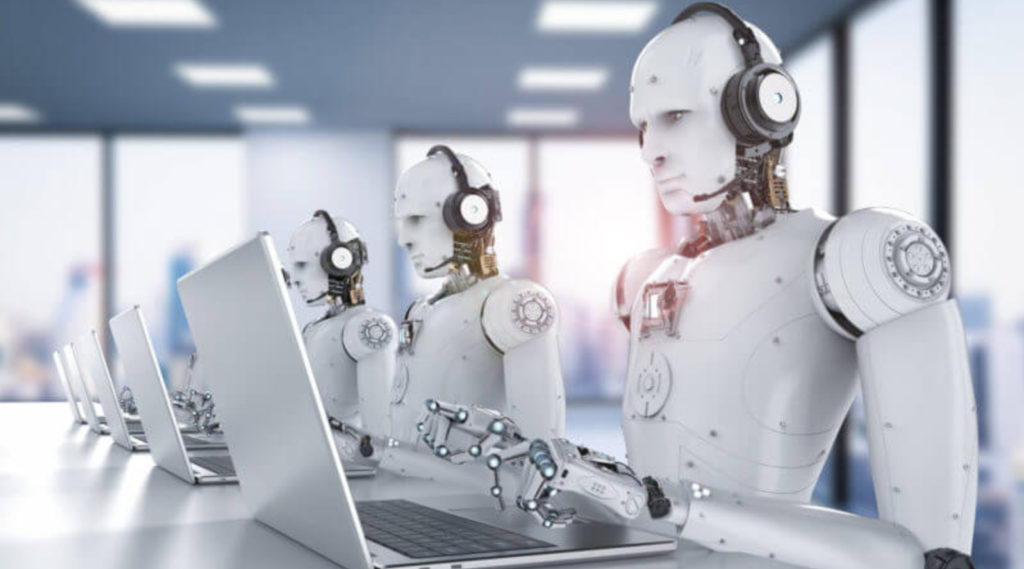
The rise of artificial intelligence (AI) and automation has sparked intense discussions about the future of work. As AI technology continues to evolve, many are wondering whether it will eventually take over jobs that were traditionally performed by humans. The fear of job displacement due to AI and automation has become one of the most pressing concerns for workers across various industries. In fact, experts predict that automation will profoundly impact the job market in the next five years, with certain roles being more susceptible to technological replacement than others.

The potential for AI to replace human workers stems from its ability to perform tasks that are repetitive, rule-based, and require the analysis of large amounts of data. In sectors such as manufacturing, retail, finance, and customer service, automation is already playing a significant role in reducing the need for human labor. As machine learning algorithms and robotic systems become more advanced, the scope of automation is expanding, raising questions about the future of work and the skills workers will need to stay relevant.

While AI and automation hold the promise of increasing productivity, reducing costs, and improving efficiency, they also bring about significant challenges. The rapid adoption of AI in the workplace could lead to job displacement, wage stagnation, and the need for workers to adapt to a changing labor landscape. Governments, businesses, and workers alike must grapple with how to navigate these changes in a way that benefits society as a whole.

Understanding the Tasks Most Vulnerable to AI

AI and automation are poised to take over a wide range of tasks, particularly those that are repetitive and routine in nature. However, not all jobs are equally susceptible to being replaced. To understand the impact of AI on the job market, it’s important to examine the tasks that are most vulnerable to automation. These tasks tend to share certain characteristics, making them prime candidates for AI systems and robots to perform.

1. Repetitive Manual Labor in Manufacturing

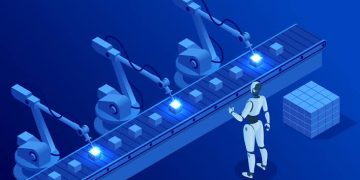
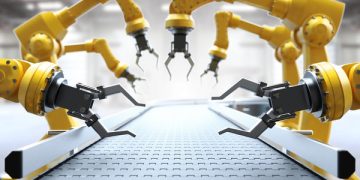
The manufacturing industry has already seen significant shifts due to automation. Robots and AI-powered machines are capable of performing repetitive tasks like assembly line work, packaging, and quality control. These tasks are highly structured and follow clear, predefined rules, making them ideal for automation.

For example, in automobile manufacturing, robots are used to assemble parts, weld components, and apply paint with precision and speed. Similarly, AI-powered systems are used to monitor product quality, identifying defects in real-time. As the technology continues to improve, more complex tasks within the manufacturing sector may also become automated, such as equipment maintenance or inventory management.

While automation can increase productivity in manufacturing, it also raises concerns about job displacement for low-skill, manual labor workers. The automation of these jobs may lead to fewer entry-level positions in the sector, requiring workers to acquire new skills to stay relevant in an increasingly automated industry.

2. Administrative and Clerical Work

Administrative and clerical tasks are another category of work highly vulnerable to AI automation. These jobs often involve routine activities such as scheduling, data entry, record keeping, and processing paperwork. AI-powered software, such as robotic process automation (RPA), is already being used to streamline and automate these tasks, improving efficiency and reducing human error.

For example, in the finance sector, AI systems can automate tasks like invoice processing, payroll management, and tax filing. Similarly, in healthcare, AI can help with administrative duties like scheduling patient appointments, maintaining electronic health records, and billing. These systems can handle large volumes of repetitive tasks with greater speed and accuracy than human workers.

As AI continues to develop, administrative workers may see their roles evolve or disappear altogether. While some tasks may still require human oversight or judgment, the majority of routine clerical work can be automated, leading to a reduction in the demand for workers in these roles.

3. Customer Service and Support

Customer service has already been significantly impacted by AI, and this trend is likely to continue in the coming years. Chatbots, virtual assistants, and AI-powered help desks are increasingly being used to handle customer inquiries, troubleshoot problems, and process orders. These AI systems can provide immediate responses to customer queries, reducing wait times and improving service efficiency.

For instance, many companies already use AI-powered chatbots on their websites and mobile apps to answer basic customer questions and assist with common tasks such as resetting passwords, checking order status, or processing refunds. These chatbots are becoming increasingly sophisticated, using natural language processing (NLP) to understand and respond to customer inquiries in a more human-like manner.

While AI systems can handle a significant portion of customer service work, there will always be situations that require human empathy, problem-solving, or specialized knowledge. However, the automation of routine customer service tasks will likely lead to a reduction in demand for low-skill customer support positions, particularly in industries where basic inquiries make up a large percentage of the workload.

4. Transportation and Logistics

The transportation and logistics sectors are also being transformed by AI and automation, especially with the development of autonomous vehicles and drones. Self-driving trucks, delivery vehicles, and drones have the potential to revolutionize the way goods are transported and delivered.

In trucking, autonomous vehicles can transport goods across long distances without the need for human drivers. These vehicles use AI to navigate roads, follow traffic laws, and avoid obstacles. Similarly, drones are being tested for delivering packages in urban areas, reducing the need for human delivery drivers.

While autonomous vehicles and drones have the potential to improve efficiency and reduce costs, they also pose a significant threat to jobs in transportation. Truck drivers, delivery drivers, and warehouse workers may find their roles increasingly replaced by AI-powered systems. However, this shift could also create new jobs in areas such as fleet management, drone maintenance, and logistics optimization.

5. Retail and E-Commerce

AI is also making inroads in the retail sector, particularly in e-commerce. Online retailers are already using AI to personalize shopping experiences, recommend products, and manage inventory. AI-powered systems are also being employed for customer service, fraud detection, and logistics optimization.

One of the most notable examples of AI in retail is the use of automated checkout systems, where customers can scan their own items and pay using AI-powered kiosks or mobile apps. These systems eliminate the need for cashiers, reducing labor costs and increasing efficiency.

While e-commerce giants like Amazon and Walmart are at the forefront of AI adoption in retail, brick-and-mortar stores are also beginning to experiment with automation. Self-checkout machines, inventory robots, and AI-driven pricing strategies are already becoming commonplace in some stores.

As AI continues to streamline retail operations, certain jobs in retail, such as cashiers and stock clerks, may be at risk of automation. However, these advancements also open up new opportunities for workers in areas like supply chain management, data analysis, and customer experience design.

6. Creative Industries: Design, Journalism, and Content Creation

AI’s impact on the creative industries has been more gradual, but it is becoming increasingly apparent. AI tools are already being used to generate music, write articles, design websites, and even create visual art. Machine learning models can analyze trends, patterns, and preferences to produce content that resonates with audiences, from news articles to marketing copy and social media posts.

In journalism, AI-powered tools are being used to generate news stories based on data, such as sports scores or financial reports. Similarly, AI is being employed to create personalized advertisements, design product packaging, and develop digital art. As these technologies evolve, AI may become a valuable collaborator for creative professionals, but it also poses a threat to jobs in fields like copywriting, graphic design, and media production.

While AI cannot fully replicate human creativity, it can still perform certain tasks more efficiently, raising concerns about job displacement in creative sectors. However, many experts believe that AI will complement human creativity rather than replace it, allowing creative professionals to focus on higher-level tasks like strategy, conceptualization, and innovation.

Conclusion

The rise of AI and automation will undoubtedly reshape the job market over the next five years, with certain tasks and roles becoming more vulnerable to AI. Repetitive, manual, administrative, and customer-facing jobs are particularly at risk of being automated, while industries like manufacturing, retail, transportation, and creative sectors will see significant changes.

However, the impact of AI on jobs is not all doom and gloom. While some positions may disappear, new jobs will emerge in fields related to AI development, data analysis, and the management of automated systems. The key challenge for workers will be adapting to this rapidly changing landscape by acquiring new skills and embracing technology as a tool for collaboration rather than competition.

Ultimately, AI’s role in the workforce will depend on how society chooses to implement and regulate this technology. By investing in education, reskilling programs, and policies that ensure a smooth transition for displaced workers, we can harness the potential of AI while minimizing its disruptive effects on the job market.


Tags: AI and automationAI job displacementautomation impactfuture of work
ShareTweetShare

Related Posts

Natural Language Processing: One of the Core Pillars of AI
Technology Trends

Natural Language Processing: One of the Core Pillars of AI

January 15, 2026
Global AI Competition: Dominance in the AI Chip Sector, with NVIDIA Maintaining Its Leading Position
AI News

Global AI Competition: Dominance in the AI Chip Sector, with NVIDIA Maintaining Its Leading Position

January 15, 2026
Deep Learning Simulates Human Brain Signal Processing Pathways Through the Construction of Multi-Layer Neural Networks
Technology Trends

Deep Learning Simulates Human Brain Signal Processing Pathways Through the Construction of Multi-Layer Neural Networks

January 14, 2026
AI Is No Longer Confined to Text Generation: Toward Integrated Capabilities in Vision, Perception, and Embodied Robotics
AI News

AI Is No Longer Confined to Text Generation: Toward Integrated Capabilities in Vision, Perception, and Embodied Robotics

January 14, 2026
Autonomous Driving and Robotics: Continuous Advancements in Perception and Intelligent Decision-Making Capabilities
Technology Trends

Autonomous Driving and Robotics: Continuous Advancements in Perception and Intelligent Decision-Making Capabilities

January 13, 2026
AI Technology and Its Integration with Traditional Industries as a Key to Enhancing Enterprise Competitiveness
AI News

AI Technology and Its Integration with Traditional Industries as a Key to Enhancing Enterprise Competitiveness

January 13, 2026
Leave Comment
  • Trending
  • Comments
  • Latest
How Artificial Intelligence is Achieving Revolutionary Breakthroughs in the Healthcare Industry: What Success Stories Teach Us

How Artificial Intelligence is Achieving Revolutionary Breakthroughs in the Healthcare Industry: What Success Stories Teach Us

July 26, 2025
AI in the Financial Sector: Which Innovative Strategies Are Driving Digital Transformation?

AI in the Financial Sector: Which Innovative Strategies Are Driving Digital Transformation?

July 26, 2025
From Beginner to Expert: Which AI Platforms Are Best for Beginners? Experts’ Take on Learning Curves and Practical Applications

From Beginner to Expert: Which AI Platforms Are Best for Beginners? Experts’ Take on Learning Curves and Practical Applications

July 23, 2025
How to Find Truly Useful AI Resources Among the Crowd? Experts Share How to Select Efficient and Innovative Tools!

How to Find Truly Useful AI Resources Among the Crowd? Experts Share How to Select Efficient and Innovative Tools!

July 23, 2025
How Artificial Intelligence Enhances Diagnostic Accuracy and Transforms Treatment Methods in Healthcare

How Artificial Intelligence Enhances Diagnostic Accuracy and Transforms Treatment Methods in Healthcare

How AI Enhances Customer Experience and Drives Sales Growth in Retail

How AI Enhances Customer Experience and Drives Sales Growth in Retail

How Artificial Intelligence Enables Precise Risk Assessment and Decision-Making

How Artificial Intelligence Enables Precise Risk Assessment and Decision-Making

How AI is Driving the Revolution in Smart Manufacturing and Production Efficiency

How AI is Driving the Revolution in Smart Manufacturing and Production Efficiency

How to Start Learning AI from Scratch: A Roadmap and Time Plan

How to Start Learning AI from Scratch: A Roadmap and Time Plan

January 15, 2026
BMW Leverages AI + Digital Twin Technology to Simulate Production Processes and Train Models for Defect Detection

BMW Leverages AI + Digital Twin Technology to Simulate Production Processes and Train Models for Defect Detection

January 15, 2026
Experts Predict That Future AI Data Labeling and Training Will Rely More on Domain Expert Skills Rather Than Fully Synthetic Data

Experts Predict That Future AI Data Labeling and Training Will Rely More on Domain Expert Skills Rather Than Fully Synthetic Data

January 15, 2026
Natural Language Processing: One of the Core Pillars of AI

Natural Language Processing: One of the Core Pillars of AI

January 15, 2026
AIInsiderUpdates

Our platform is dedicated to delivering comprehensive coverage of AI developments, featuring news, case studies, expert interviews, and valuable resources for professionals and enthusiasts alike.

© 2025 aiinsiderupdates.com. contacts:[email protected]

No Result
View All Result
  • Home
  • AI News
  • Technology Trends
  • Interviews & Opinions
  • Case Studies
  • Tools & Resources

© 2025 aiinsiderupdates.com. contacts:[email protected]

Welcome Back!

Login to your account below

Forgotten Password?

Retrieve your password

Please enter your username or email address to reset your password.

Log In