
























In an era marked by rapid technological advancement and shifting consumer demands, the intersection of technology development and product innovation has become a critical driver of competitive advantage for organizations worldwide. Businesses that can seamlessly translate cutting-edge technology into valuable, user-centric products are often the most resilient and influential in their sectors. This article provides a comprehensive analysis of expert perspectives on technology development and product innovation, emphasizing emerging trends, strategic approaches, challenges, and forward-looking recommendations for enterprises and innovators.
1. Introduction: The Symbiosis of Technology and Innovation
The modern innovation landscape is defined by the rapid convergence of emerging technologies, market expectations, and entrepreneurial creativity. Technology development forms the foundation of product innovation, providing the tools, capabilities, and infrastructure necessary to create new offerings. Conversely, product innovation serves as a practical manifestation of technological potential, transforming abstract scientific progress into tangible value for end-users.
Experts highlight several key characteristics of this symbiosis:
- Feedback Loop: Customer insights guide technology R&D, while technological breakthroughs enable novel products.
- Market-Driven Innovation: Successful products integrate both technical feasibility and market desirability.
- Cross-Disciplinary Collaboration: Innovation increasingly relies on multidisciplinary teams combining engineering, design, marketing, and data science.
2. Technology Development: Core Drivers
2.1 Digital Transformation and AI
- Artificial Intelligence (AI): From predictive analytics to natural language processing, AI continues to transform product capabilities and user experiences.
- Machine Learning and Deep Learning: Enable personalized recommendations, automation, and advanced data-driven decision-making.
- Expert Insight: AI-driven R&D accelerates prototyping and reduces time-to-market, allowing companies to respond faster to market shifts.
2.2 Advanced Computing and Cloud Infrastructure
- Cloud platforms provide scalable resources for rapid development, testing, and deployment of innovative products.
- High-performance computing (HPC) supports simulations, modeling, and AI training, critical for products requiring real-time data processing.
- Edge computing allows real-time analysis and responsiveness for IoT and mobile-first products.
2.3 Materials Science and Manufacturing Technology
- New materials such as graphene, biocompatible polymers, and lightweight alloys enable product innovations across electronics, automotive, and healthcare.
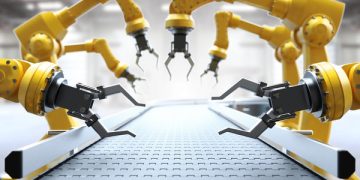
- Advanced manufacturing techniques—including 3D printing, additive manufacturing, and robotics—facilitate prototyping and mass customization.
- Expert Insight: Material innovation combined with digital manufacturing accelerates experimentation cycles and product differentiation.
2.4 Connectivity and IoT
- The proliferation of connected devices provides rich data streams, enabling adaptive products and predictive services.
- Examples include smart home devices, wearable health trackers, and industrial IoT systems.
- Integration of IoT with AI enables intelligent products capable of self-optimization and predictive maintenance.
3. Product Innovation: Strategies and Approaches
3.1 User-Centric Design
- Successful products prioritize user needs, functionality, and experience.
- Design thinking methodologies encourage empathy, iterative prototyping, and human-centric problem-solving.
- Expert Insight: Products grounded in user experience outperform those focused solely on technical sophistication.
3.2 Agile and Lean Product Development
- Agile approaches emphasize incremental delivery, iterative feedback, and adaptive planning.
- Lean methodologies prioritize validated learning and minimize resource wastage during product development.
- Expert Insight: Agile and lean practices are particularly effective when integrating emerging technologies, reducing the risk of misalignment between technical capabilities and market expectations.
3.3 Open Innovation and Collaboration
- Open innovation frameworks leverage external expertise, startup ecosystems, and academic partnerships to accelerate product development.
- Crowdsourcing, hackathons, and collaborative platforms contribute novel ideas and identify potential product-market fits.
- Expert Insight: External collaboration is essential for industries experiencing rapid technological change, such as biotech, AI, and renewable energy.
3.4 Data-Driven Innovation
- Data analytics informs product design, feature prioritization, and market segmentation.
- Predictive analytics can forecast trends, optimize pricing, and identify unmet customer needs.
- Expert Insight: Companies that integrate robust analytics into their innovation pipelines achieve faster adoption and higher retention rates.
4. Emerging Trends in Technology-Driven Product Innovation
4.1 AI-Powered Products
- AI integration transforms conventional products into intelligent systems capable of personalization, prediction, and adaptive behavior.
- Examples: Smart speakers, autonomous vehicles, personalized healthcare apps.
4.2 Sustainable Innovation
- Environmental and social governance (ESG) concerns drive innovation in sustainable materials, energy efficiency, and circular economy practices.
- Products are increasingly designed for recyclability, lower carbon footprint, and ethical sourcing.
4.3 Multimodal and Embodied Intelligence
- Products leveraging multimodal AI combine visual, auditory, and textual inputs for richer interaction.
- Embodied intelligence enables physical products such as collaborative robots and smart appliances to operate autonomously.
- Expert Insight: Multimodal integration enhances usability, engagement, and product differentiation.
4.4 Personalization and Mass Customization
- Digital technologies enable products to adapt to individual preferences at scale.
- Examples include AI-driven fashion recommendations, personalized nutrition plans, and adaptive learning platforms.
4.5 Platformization and Ecosystem Thinking
- Products increasingly function as entry points into broader digital ecosystems.
- Platform-based innovation facilitates modularity, third-party integration, and network effects.
- Expert Insight: Ecosystem-centric products create sustained competitive advantage by locking in users and fostering complementary innovations.
5. Case Studies: Exemplifying Technology-Driven Product Innovation
5.1 Tesla: Electric Vehicles and Energy Products
- Technology Development: Advanced battery chemistry, autonomous driving AI, and high-performance computing for vehicle intelligence.
- Product Innovation: Electric vehicles combining performance, software updates, and energy solutions.
- Expert Insight: Tesla demonstrates the synergy of continuous technology development with iterative product innovation, creating a feedback loop that drives both efficiency and user satisfaction.
5.2 Apple: Consumer Electronics
- Technology Development: Proprietary chip design (Apple Silicon), advanced display technologies, and secure operating systems.
- Product Innovation: Seamless integration of hardware, software, and services for iPhone, Mac, and wearable devices.
- Expert Insight: Apple’s focus on holistic product experience illustrates the importance of integrating technological breakthroughs with design and ecosystem thinking.
5.3 Moderna: mRNA Vaccines
- Technology Development: Platform-based mRNA technology for rapid vaccine development.
- Product Innovation: COVID-19 vaccines delivered under unprecedented timelines.
- Expert Insight: Leveraging technology platforms for product innovation allows rapid scalability in response to global needs.
5.4 DJI: Consumer and Professional Drones
- Technology Development: Advanced flight controllers, AI-enabled image processing, and precision sensors.
- Product Innovation: Drones tailored for photography, surveying, and industrial inspection.
- Expert Insight: DJI demonstrates that integrating AI, sensor technology, and user experience can establish market dominance in emerging product categories.
6. Challenges in Technology and Product Innovation
- Integration Complexity: Translating cutting-edge technology into reliable, manufacturable products remains challenging.
- Talent Shortages: Skilled engineers, designers, and AI specialists are critical but often scarce.
- Market Uncertainty: Consumer adoption and regulatory compliance can disrupt product launches.
- Resource Constraints: High R&D costs can limit experimentation and scalability.
- Ethical Considerations: AI and biotechnology products raise concerns about privacy, safety, and equity.
7. Expert Recommendations
- Invest in Continuous Learning: Organizations should foster R&D culture and technology literacy across teams.
- Adopt Agile Innovation Frameworks: Iterative development and rapid prototyping mitigate risk and enable faster market entry.
- Leverage Ecosystems: Partnering with startups, universities, and technology providers accelerates access to emerging innovations.
- Prioritize User-Centricity: Successful product innovation balances technological feasibility with market desirability and user experience.
- Focus on Ethical and Sustainable Design: Incorporating ESG principles and responsible AI practices strengthens long-term viability.
8. Future Outlook
Experts predict that the next decade of product innovation will be shaped by the convergence of the following:
- Autonomous Systems and AI Integration: Intelligent products capable of learning and adapting in real time.
- Digital Twins and Simulation: Virtual prototypes reduce cost and accelerate time-to-market.
- Cross-Industry Convergence: Innovations will blur the lines between sectors, e.g., healthcare meets AI-driven consumer electronics.
- Circular and Sustainable Innovation: Products designed for lifecycle optimization and environmental sustainability.
- Human-AI Collaboration: Teams leveraging AI augmentation will achieve unprecedented efficiency and creativity in product development.
9. Conclusion
From an expert perspective, technology development and product innovation are inseparable forces driving modern enterprise success. Organizations that excel are those that integrate cutting-edge technologies with user-centric, agile, and ecosystem-driven product strategies. Deep investment in AI, advanced computing, materials science, and connectivity provides the technical foundation, while design thinking, data-driven insights, and collaborative innovation ensure market relevance and value creation.
The future will reward organizations that combine technical mastery with innovation agility, creating products that are not only technologically advanced but also meaningful, sustainable, and adaptive to evolving consumer needs. In essence, the synergy between technology development and product innovation remains the most reliable engine for long-term competitive advantage in the digital age.