





















The global manufacturing industry is undergoing a transformative shift driven by digitalization, artificial intelligence (AI), the Internet of Things (IoT), and advanced analytics. Traditional production processes, often labor-intensive and inflexible, are evolving into intelligent, automated systems that optimize efficiency, reduce waste, and increase product quality. This article provides a comprehensive analysis of intelligent upgrades and efficiency optimization in manufacturing, highlighting emerging technologies, implementation strategies, and future trends for industrial stakeholders.
1. Introduction: The Need for Smart Manufacturing
Manufacturing has long been the backbone of global economic development. However, increasing competition, supply chain complexities, rising labor costs, and evolving customer demands necessitate the adoption of advanced technologies to maintain competitiveness.
Key Drivers for Intelligent Manufacturing:
- Rising labor costs and the need for operational efficiency.
- Growing demand for high-quality, customized products.
- Integration of global supply chains requiring real-time visibility.
- Environmental sustainability and energy efficiency pressures.
Smart manufacturing, or Industry 4.0, integrates digital technologies to enable automated decision-making, predictive maintenance, and flexible production lines. This intelligent approach not only optimizes efficiency but also drives innovation in production strategies and business models.
2. Key Technologies Driving Smart Manufacturing
2.1 Industrial IoT (IIoT)
Industrial IoT connects machinery, sensors, and systems across factories to enable real-time data collection and analytics. Key benefits include:
- Predictive Maintenance: Sensors detect early signs of wear, reducing unplanned downtime.
- Process Monitoring: Real-time tracking of production parameters ensures quality control.
- Supply Chain Visibility: Connected systems provide insights into inventory levels, delivery schedules, and resource utilization.
2.2 Artificial Intelligence and Machine Learning
AI and ML algorithms analyze vast manufacturing datasets to optimize operations:
- Predictive Analytics: Forecast machine failures, production bottlenecks, and demand fluctuations.
- Quality Control: Image recognition and anomaly detection ensure defect-free production.
- Process Optimization: Reinforcement learning can optimize production scheduling and resource allocation.
2.3 Robotics and Automation
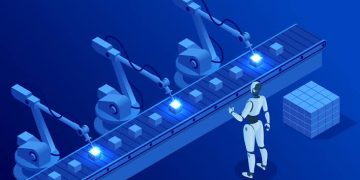
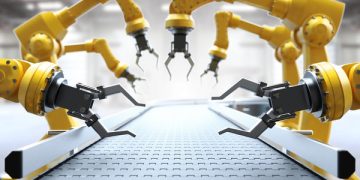
- Collaborative Robots (Cobots): Work alongside human operators to handle repetitive or hazardous tasks.
- Autonomous Guided Vehicles (AGVs): Automate material transport and logistics within factories.
- Robotic Process Automation (RPA): Streamlines administrative and workflow tasks, reducing human error.
2.4 Digital Twins
- Digital twins replicate physical assets, processes, or entire production lines in a virtual environment.
- Enable simulation, testing, and optimization without disrupting actual operations.
- Improve design accuracy, predictive maintenance, and energy management.
2.5 Additive Manufacturing (3D Printing)
- Facilitates rapid prototyping, customized production, and reduced material waste.
- Enables on-demand production, shortening supply chains and improving flexibility.
- Supports lightweight and complex component manufacturing for automotive, aerospace, and healthcare industries.
2.6 Advanced Analytics and Big Data
- Analyzes historical and real-time production data for insights into performance and inefficiencies.
- Supports decision-making in maintenance, production scheduling, and inventory management.
- Helps identify hidden bottlenecks and optimize throughput.

3. Efficiency Optimization in Manufacturing
Efficiency in manufacturing is critical to reducing costs, improving output quality, and enhancing competitiveness. Key optimization strategies include:
3.1 Lean Manufacturing
- Focuses on eliminating waste (muda) in production processes.
- Tools such as 5S, Kaizen, and Value Stream Mapping streamline operations.
- Combined with digital technologies, lean principles can be applied in real-time for dynamic optimization.
3.2 Smart Scheduling and Production Planning
- AI-based scheduling algorithms allocate resources efficiently, considering machine availability, order priority, and supply constraints.
- Dynamic scheduling adapts to disruptions, minimizing downtime and maximizing output.
3.3 Predictive Maintenance
- Replaces reactive maintenance approaches with data-driven strategies.
- Reduces downtime, maintenance costs, and unexpected production halts.
- Sensors, AI, and machine learning models predict equipment failures before they occur.
3.4 Energy and Resource Optimization
- Smart manufacturing reduces energy consumption through real-time monitoring and control of machines.
- Advanced algorithms optimize heating, cooling, and power usage.
- Sustainable production reduces costs while meeting environmental regulations.
3.5 Supply Chain Optimization
- Integrating IoT and AI with supply chain management ensures timely delivery of materials.
- Predictive demand forecasting minimizes excess inventory and stockouts.
- Real-time monitoring enables adaptive response to disruptions.
4. Case Studies in Smart Manufacturing
4.1 Automotive Industry
- Tesla: Implements AI-driven robotics and digital twins for high-volume production.
- Predictive maintenance reduces downtime in assembly lines.
- Machine learning models optimize battery assembly and vehicle quality.
4.2 Electronics Manufacturing
- Foxconn: Uses IoT sensors and robotics for mass assembly of electronics.
- AI-driven quality control reduces defects in high-precision components.
- Digital twins simulate production adjustments for rapid adaptation.
4.3 Aerospace Industry
- Boeing: Applies additive manufacturing for lightweight aircraft components.
- Digital twins monitor aircraft engine performance and predict maintenance needs.
- AI algorithms optimize supply chain logistics for complex assembly operations.
4.4 Consumer Goods
- Unilever and Procter & Gamble: Deploy AI for predictive demand planning and inventory management.
- Automated warehouses and robotics streamline logistics.
- Real-time analytics improve production flexibility for customized consumer products.
5. Implementation Strategies for Manufacturing Intelligence
5.1 Assessment and Roadmapping
- Evaluate current capabilities and identify inefficiencies.
- Develop a phased roadmap for technology adoption, balancing short-term gains with long-term investment.
5.2 Integration of Legacy Systems
- Upgrade or retrofit existing machines with sensors and IoT connectivity.
- Ensure interoperability between new AI systems and legacy infrastructure.
5.3 Workforce Training and Upskilling
- Equip employees with skills to operate, monitor, and maintain smart systems.
- Focus on AI literacy, robotics operation, data analytics, and cybersecurity awareness.
5.4 Data Governance and Security
- Establish protocols for data collection, storage, and usage.
- Protect sensitive production data from cyber threats.
- Ensure compliance with industry regulations and standards.
5.5 Continuous Monitoring and Feedback
- Implement real-time dashboards to monitor production KPIs.
- Use feedback loops to optimize processes continuously.
- Adjust algorithms and operations dynamically based on performance metrics.
6. Challenges and Solutions
Despite the benefits, smart manufacturing faces several challenges:
6.1 High Initial Investment
- Solution: Adopt phased implementation and focus on high-impact areas first.
- Leverage government subsidies, public-private partnerships, and financing models.
6.2 Data Integration
- Solution: Use standardized protocols and IoT platforms for seamless data flow.
- Implement cloud-based or hybrid systems to manage data at scale.
6.3 Cybersecurity Risks
- Solution: Implement multi-layered security, encryption, and AI-driven threat detection.
- Conduct regular audits and employee cybersecurity training.
6.4 Workforce Resistance
- Solution: Engage employees early, highlight benefits, and provide training for upskilling.
- Combine human expertise with automation to enhance job satisfaction rather than replace roles.
6.5 Technology Obsolescence
- Solution: Invest in modular, scalable, and upgradeable technologies.
- Continuously monitor industry trends and emerging solutions.
7. Future Trends in Intelligent Manufacturing
7.1 Hyperconnected Factories
- Full integration of IoT, AI, robotics, and cloud systems for end-to-end process visibility.
- Real-time analytics and adaptive operations enable faster response to demand fluctuations.
7.2 AI-Driven Design and Simulation
- AI assists in product design, process optimization, and testing.
- Digital twins simulate operational scenarios to reduce risk and enhance quality.
7.3 Collaborative and Autonomous Robotics
- Cobots and autonomous systems work alongside humans in dynamic production environments.
- Increased safety, flexibility, and efficiency in complex manufacturing tasks.
7.4 Circular and Sustainable Manufacturing
- AI optimizes material usage, recycling, and energy consumption.
- Supports environmentally friendly production and compliance with global sustainability standards.
7.5 Edge Computing and Real-Time AI
- Edge devices process data locally, reducing latency and bandwidth dependence.
- Real-time AI enables immediate decision-making and adaptive process control.
8. Strategic Recommendations for Manufacturers
- Invest in IoT and AI Integration: Begin with high-impact processes for efficiency and scalability.
- Adopt Lean and Smart Manufacturing Principles: Combine traditional efficiency methods with digital technologies.
- Prioritize Workforce Training: Develop AI and robotics competencies across production teams.
- Leverage Data Analytics: Use predictive maintenance, process optimization, and quality control to reduce costs.
- Ensure Cybersecurity and Compliance: Protect production data and align with regulatory standards.
- Plan for Continuous Innovation: Adopt modular, scalable, and future-proof systems to remain competitive.
Conclusion
Intelligent upgrades and efficiency optimization are no longer optional but essential for modern manufacturing competitiveness. Through the integration of AI, IoT, robotics, digital twins, and advanced analytics, factories can achieve higher productivity, flexibility, and sustainability. While challenges exist—such as high initial costs, cybersecurity risks, and workforce adaptation—strategic planning, phased implementation, and continuous learning enable manufacturers to unlock the full potential of smart manufacturing. The future of industry lies in connected, adaptive, and intelligent systems that optimize every aspect of production while delivering value to both businesses and society.