



























The rapid advancement of artificial intelligence has brought forth two transformative technologies: Large Language Models (LLMs) and intelligent assistant tools. Both are reshaping how individuals, enterprises, and societies interact with information, automate processes, and enhance decision-making. While often mentioned together, LLMs and intelligent assistants serve distinct roles, leverage different architectures, and address different challenges. This article provides a comprehensive, in-depth comparison of LLMs and intelligent assistant tools, exploring their capabilities, limitations, applications, integration strategies, ethical considerations, and future outlook.
1. Understanding Large Language Models (LLMs)
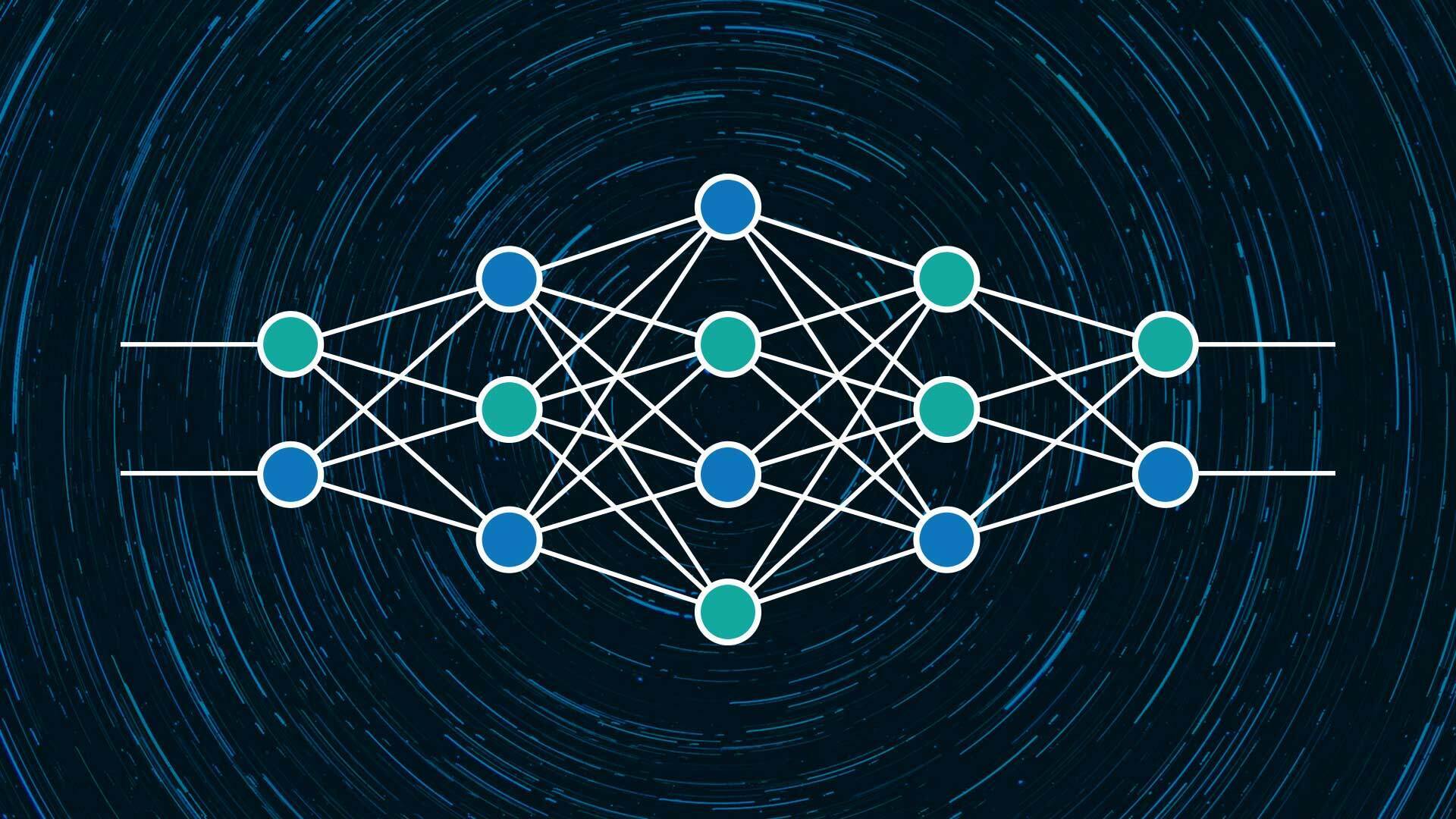
Large Language Models are a type of AI system designed to understand, generate, and manipulate human language. They are built on deep learning architectures, typically transformer networks, and trained on massive datasets that span text from books, articles, websites, and other structured or unstructured sources.
Key Characteristics of LLMs:
- Scale and Capacity: Modern LLMs, such as GPT-4, PaLM, and LLaMA, contain billions or even trillions of parameters, enabling sophisticated understanding of context, semantics, and nuances in language.
- Generative Capabilities: LLMs can produce coherent text, summarize content, translate languages, answer questions, and perform reasoning tasks.
- Context Awareness: These models maintain contextual understanding across long sequences, allowing for multi-turn conversations or document-level analysis.
- Versatility Across Domains: LLMs are domain-agnostic by design, capable of performing tasks in healthcare, finance, education, programming, and more, without task-specific retraining.
Advantages:
- High Flexibility: One LLM can handle multiple tasks without separate model deployment.
- Rapid Knowledge Synthesis: They can summarize vast datasets and provide insights in seconds.
- Natural Language Interaction: LLMs communicate in human-readable language, making them accessible to non-technical users.
Limitations:
- Lack of Real-Time Grounding: Most LLMs rely on pre-training data and may provide outdated or incorrect information if not connected to real-time data sources.
- Hallucinations: LLMs may generate plausible but false or misleading information.
- Compute Intensive: High parameter models require substantial computational resources for training and inference.
2. Understanding Intelligent Assistant Tools
Intelligent assistant tools, also known as virtual assistants or AI productivity tools, are software systems designed to assist humans in performing specific tasks. These tools are often task-oriented, integrating with applications, databases, and workflows to deliver actionable outputs. Examples include Microsoft Copilot, Google Assistant, Salesforce Einstein, and workplace chatbots.
Key Characteristics of Intelligent Assistants:
- Task-Focused Design: Unlike LLMs, intelligent assistants are built to perform specific tasks, such as scheduling, answering FAQs, or document automation.
- Integration with Software Ecosystems: They are embedded in productivity suites, CRM platforms, or enterprise systems, enhancing operational efficiency.
- Contextual Awareness within Workflows: They leverage workflow data and organizational context to execute actions automatically or suggest options.
- User Guidance and Automation: Intelligent assistants often provide step-by-step guidance, pre-populated templates, and automated processes.
Advantages:
- High Reliability: They provide actionable results based on structured data and predefined rules.
- Workflow Integration: Seamlessly connect to enterprise systems and APIs, enabling real-time execution.
- Reduced Cognitive Load: By automating repetitive tasks, they allow users to focus on strategic activities.
Limitations:
- Limited Creativity: These assistants are less capable of generating novel ideas or handling complex, open-ended queries.
- Domain Specificity: Many assistants require fine-tuning for a particular organization, industry, or process.
- Dependence on Structured Data: Performance declines in unstructured, ambiguous, or poorly formatted contexts.

3. Comparing LLMs and Intelligent Assistants
The differences and similarities between LLMs and intelligent assistants can be categorized across several dimensions:
| Feature | LLMs | Intelligent Assistants |
|---|---|---|
| Primary Function | Language understanding and generation | Task execution and workflow support |
| Scope | Broad, general-purpose | Narrow, domain-specific |
| Data Dependence | Massive pre-training datasets | Structured enterprise data and APIs |
| Creativity | High (generative text, ideation) | Low (rule-driven tasks) |
| Integration | Typically via API or platform embedding | Native to software ecosystems |
| User Interaction | Conversational, text-based | Action-oriented, sometimes conversational |
| Reliability | Variable; prone to hallucination | High; deterministic outputs for predefined tasks |
| Real-Time Decision Making | Limited without live data feeds | Strong; operates within workflows and systems |
Key Insight:
LLMs excel at generating knowledge, summarizing information, and providing flexible human-like interactions, whereas intelligent assistants excel at executing specific tasks, enforcing consistency, and integrating with enterprise systems.
4. Complementary Use Cases
In practice, LLMs and intelligent assistants are often used together, leveraging the strengths of both:
- Enterprise Knowledge Management: LLMs can summarize documents, extract insights, and answer queries, while intelligent assistants use those outputs to update CRM systems, schedule follow-ups, or provide actionable recommendations.
- Customer Service: LLMs handle natural language understanding and generate dynamic responses, while intelligent assistants manage ticket routing, system queries, and SLA adherence.
- Coding and Development: LLMs generate code snippets, explain logic, or suggest algorithms, while intelligent assistants integrate with IDEs to automate builds, testing, and deployment pipelines.
- Healthcare Administration: LLMs summarize medical literature, extract patient data, and provide recommendations, while intelligent assistants schedule appointments, manage EMR workflows, and notify clinicians of critical updates.
This complementary integration highlights a hybrid AI model approach, combining generative intelligence with actionable automation.
5. Architecture and Technical Considerations
Understanding the architectural differences clarifies why LLMs and intelligent assistants behave differently:
- LLMs: Built on transformer architectures, trained on massive datasets, and capable of few-shot or zero-shot learning. Require GPUs or TPUs for inference at scale. Often deployed as cloud APIs for enterprise use.
- Intelligent Assistants: Often leverage rule-based engines, NLP components, and connectors to enterprise systems. Performance is optimized for speed, reliability, and specific task execution rather than generative flexibility.
Integration Strategies:
- API-Based Integration: Enterprises can connect LLMs with assistant tools to provide generative capabilities within automated workflows.
- Embedded Assistants: Some intelligent assistants embed LLMs for natural language understanding, enhancing their ability to interpret unstructured input.
- Hybrid Architecture: Combining LLM outputs with workflow triggers ensures actionable and reliable execution, minimizing hallucinations while maximizing creativity.
6. Enterprise Applications
Knowledge Work Automation
- LLMs: Summarize reports, generate presentations, draft emails, and analyze unstructured data.
- Intelligent Assistants: Automate report distribution, schedule meetings, update project management tools, and execute pre-defined processes.
Customer Experience
- LLMs: Provide dynamic, human-like responses in customer interactions, generate personalized content, and handle open-ended inquiries.
- Intelligent Assistants: Route tickets, enforce company policies, execute CRM updates, and manage follow-up tasks.
Decision Support
- LLMs: Analyze large datasets, generate scenario insights, and simulate outcomes for strategic planning.
- Intelligent Assistants: Provide actionable recommendations based on integrated systems, alert decision-makers to key events, and execute tasks automatically.
7. Ethical Considerations and Risk Management
Both LLMs and intelligent assistants raise ethical and operational challenges:
- Bias and Fairness: LLMs may generate biased or offensive content if trained on uncurated datasets. Intelligent assistants may reflect organizational biases in workflows.
- Transparency: Enterprises must maintain auditability, explainability, and traceability for AI outputs.
- Data Privacy: Handling sensitive data requires encryption, anonymization, and compliance with global regulations such as GDPR.
- Operational Risk: LLM hallucinations can lead to misinformation, while assistant errors may disrupt business processes.
Organizations must implement governance frameworks to mitigate risks while maximizing benefits.
8. The Future of LLMs and Intelligent Assistants
Experts anticipate several trends by 2026 and beyond:
- Tighter Integration: Assistants will increasingly incorporate LLMs, enabling both generative intelligence and task execution in a single interface.
- Personalization: AI systems will adapt to individual users’ workflows, preferences, and cognitive styles.
- Cross-Domain Knowledge Synthesis: LLMs will aggregate knowledge across multiple sectors, and assistants will operationalize it in real time.
- Autonomous Workflows: Intelligent assistants, powered by LLMs, will autonomously manage end-to-end processes with minimal human intervention.
This convergence promises to redefine knowledge work, enterprise efficiency, and human-AI collaboration.
9. Strategic Recommendations for Organizations
- Adopt a Hybrid Approach: Combine LLMs for generative tasks and intelligent assistants for workflow execution.
- Focus on Governance: Establish ethical, security, and quality controls for AI use.
- Invest in Training: Upskill employees to interact effectively with AI systems.
- Pilot and Scale: Start with focused use cases, measure impact, and expand gradually.
- Monitor and Update Models: Continuously evaluate LLM outputs and assistant performance to ensure accuracy and reliability.
Conclusion
Large Language Models and intelligent assistant tools represent two complementary facets of AI’s transformative potential. LLMs excel at generative, flexible, and knowledge-intensive tasks, while intelligent assistants excel at executing structured, workflow-oriented tasks with high reliability. Their convergence creates unprecedented opportunities for enterprise productivity, customer engagement, and decision-making.
Organizations that strategically combine these tools while maintaining ethical and operational oversight will unlock new levels of efficiency, creativity, and competitiveness. As AI technology evolves, understanding the strengths and limitations of both LLMs and intelligent assistants will be essential for leveraging their full potential in a rapidly changing digital landscape.