











AIInsiderUpdates
  • Home
  • AI News
    The Expanding Application of AI Technology in the Financial Industry

    The Expanding Application of AI Technology in the Financial Industry

    AI Applications Make Vehicles Safer in More Complex Environments

    AI Applications Make Vehicles Safer in More Complex Environments

    AI Technology Applications as the Core Driver of Progress

    AI Technology Applications as the Core Driver of Progress

    AI Applications in Autonomous Driving and Transportation

    AI Applications in Autonomous Driving and Transportation

    How AI Can Create Customized Treatment Plans Based on Personal Genetic Data and Health Records, Advancing Precision Medicine

    How AI Can Create Customized Treatment Plans Based on Personal Genetic Data and Health Records, Advancing Precision Medicine

    AI Models in Medicine: Accelerating Medical Research and Clinical Applications

    AI Models in Medicine: Accelerating Medical Research and Clinical Applications

  • Technology Trends
    The Fusion of Augmented Reality and Natural Language Processing

    The Fusion of Augmented Reality and Natural Language Processing

    AI: Analyzing Both Image and Speech Data to Provide More Accurate Services

    AI: Analyzing Both Image and Speech Data to Provide More Accurate Services

    AI Can Generate More Than Just Text and Images: The Creation of Music, Videos, and Other Multimedia Content

    AI Can Generate More Than Just Text and Images: The Creation of Music, Videos, and Other Multimedia Content

    Multimodal Learning: Combining Diverse Data Types for Enhanced AI Perception

    Multimodal Learning: Combining Diverse Data Types for Enhanced AI Perception

    Generative AI: Mimicking Human Creativity to Generate New Content

    Generative AI: Mimicking Human Creativity to Generate New Content

    Self-Supervised Learning: The Next Big Breakthrough in Deep Learning

    Self-Supervised Learning: The Next Big Breakthrough in Deep Learning

  • Interviews & Opinions
    AI Ethics Framework: Ensuring Responsible AI Development and Deployment

    AI Ethics Framework: Ensuring Responsible AI Development and Deployment

    The Rapid Development of AI and Its Impact on the Global Labor Market

    The Rapid Development of AI and Its Impact on the Global Labor Market

    Global Frameworks for AI Regulation: Ensuring Ethical Application and Minimizing Negative Impact on Society

    Global Frameworks for AI Regulation: Ensuring Ethical Application and Minimizing Negative Impact on Society

    Ensuring Diversity and Representativeness in AI Development to Avoid Reinforcing Social Inequality

    Ensuring Diversity and Representativeness in AI Development to Avoid Reinforcing Social Inequality

    Transforming Education and Retraining the Workforce

    Transforming Education and Retraining the Workforce

    Human-AI Collaboration: Fei-Fei Li’s Vision of Enhancing Productivity and Creativity Together, Not Simply “Replacing” Humans

    Human-AI Collaboration: Fei-Fei Li’s Vision of Enhancing Productivity and Creativity Together, Not Simply “Replacing” Humans

  • Case Studies
    Credit Scoring Optimization: Enhancing Accuracy, Fairness, and Accessibility in Financial Systems

    Credit Scoring Optimization: Enhancing Accuracy, Fairness, and Accessibility in Financial Systems

    The Application of AI in Retail and E-Commerce

    The Application of AI in Retail and E-Commerce

    The Application of AI in Finance: Balancing Accuracy and Compliance

    The Application of AI in Finance: Balancing Accuracy and Compliance

    Transparent and Explainable Models are Crucial for Financial Institutions to Meet Regulatory Requirements

    Transparent and Explainable Models are Crucial for Financial Institutions to Meet Regulatory Requirements

    BlueDot AI System in Predicting COVID-19 Spread and Supporting Public Health Decisions

    BlueDot AI System in Predicting COVID-19 Spread and Supporting Public Health Decisions

    Using AI to Analyze Client Risk Preferences for Personalized Asset Allocation

    Using AI to Analyze Client Risk Preferences for Personalized Asset Allocation

  • Tools & Resources
    The Rise of Low-Code and No-Code Development Platforms in the Age of AI Technology

    The Rise of Low-Code and No-Code Development Platforms in the Age of AI Technology

    Simplifying AI Development Platforms and Tools

    Simplifying AI Development Platforms and Tools

    AWS: Excellence in Big Data Processing and Model Training

    AWS: Excellence in Big Data Processing and Model Training

    Google Cloud AI: A Comprehensive Range of AI Services from Machine Learning to Natural Language Processing and Visual Recognition

    Google Cloud AI: A Comprehensive Range of AI Services from Machine Learning to Natural Language Processing and Visual Recognition

    Google Cloud AutoML: Empowering Non-Experts to Train and Deploy Machine Learning Models

    Google Cloud AutoML: Empowering Non-Experts to Train and Deploy Machine Learning Models

    The Widespread Adoption of Open Source AI Tools and Frameworks Globally, and Their Role as a Preferred Resource for AI Researchers and Developers

    The Widespread Adoption of Open Source AI Tools and Frameworks Globally, and Their Role as a Preferred Resource for AI Researchers and Developers

AIInsiderUpdates
  • Home
  • AI News
    The Expanding Application of AI Technology in the Financial Industry

    The Expanding Application of AI Technology in the Financial Industry

    AI Applications Make Vehicles Safer in More Complex Environments

    AI Applications Make Vehicles Safer in More Complex Environments

    AI Technology Applications as the Core Driver of Progress

    AI Technology Applications as the Core Driver of Progress

    AI Applications in Autonomous Driving and Transportation

    AI Applications in Autonomous Driving and Transportation

    How AI Can Create Customized Treatment Plans Based on Personal Genetic Data and Health Records, Advancing Precision Medicine

    How AI Can Create Customized Treatment Plans Based on Personal Genetic Data and Health Records, Advancing Precision Medicine

    AI Models in Medicine: Accelerating Medical Research and Clinical Applications

    AI Models in Medicine: Accelerating Medical Research and Clinical Applications

  • Technology Trends
    The Fusion of Augmented Reality and Natural Language Processing

    The Fusion of Augmented Reality and Natural Language Processing

    AI: Analyzing Both Image and Speech Data to Provide More Accurate Services

    AI: Analyzing Both Image and Speech Data to Provide More Accurate Services

    AI Can Generate More Than Just Text and Images: The Creation of Music, Videos, and Other Multimedia Content

    AI Can Generate More Than Just Text and Images: The Creation of Music, Videos, and Other Multimedia Content

    Multimodal Learning: Combining Diverse Data Types for Enhanced AI Perception

    Multimodal Learning: Combining Diverse Data Types for Enhanced AI Perception

    Generative AI: Mimicking Human Creativity to Generate New Content

    Generative AI: Mimicking Human Creativity to Generate New Content

    Self-Supervised Learning: The Next Big Breakthrough in Deep Learning

    Self-Supervised Learning: The Next Big Breakthrough in Deep Learning

  • Interviews & Opinions
    AI Ethics Framework: Ensuring Responsible AI Development and Deployment

    AI Ethics Framework: Ensuring Responsible AI Development and Deployment

    The Rapid Development of AI and Its Impact on the Global Labor Market

    The Rapid Development of AI and Its Impact on the Global Labor Market

    Global Frameworks for AI Regulation: Ensuring Ethical Application and Minimizing Negative Impact on Society

    Global Frameworks for AI Regulation: Ensuring Ethical Application and Minimizing Negative Impact on Society

    Ensuring Diversity and Representativeness in AI Development to Avoid Reinforcing Social Inequality

    Ensuring Diversity and Representativeness in AI Development to Avoid Reinforcing Social Inequality

    Transforming Education and Retraining the Workforce

    Transforming Education and Retraining the Workforce

    Human-AI Collaboration: Fei-Fei Li’s Vision of Enhancing Productivity and Creativity Together, Not Simply “Replacing” Humans

    Human-AI Collaboration: Fei-Fei Li’s Vision of Enhancing Productivity and Creativity Together, Not Simply “Replacing” Humans

  • Case Studies
    Credit Scoring Optimization: Enhancing Accuracy, Fairness, and Accessibility in Financial Systems

    Credit Scoring Optimization: Enhancing Accuracy, Fairness, and Accessibility in Financial Systems

    The Application of AI in Retail and E-Commerce

    The Application of AI in Retail and E-Commerce

    The Application of AI in Finance: Balancing Accuracy and Compliance

    The Application of AI in Finance: Balancing Accuracy and Compliance

    Transparent and Explainable Models are Crucial for Financial Institutions to Meet Regulatory Requirements

    Transparent and Explainable Models are Crucial for Financial Institutions to Meet Regulatory Requirements

    BlueDot AI System in Predicting COVID-19 Spread and Supporting Public Health Decisions

    BlueDot AI System in Predicting COVID-19 Spread and Supporting Public Health Decisions

    Using AI to Analyze Client Risk Preferences for Personalized Asset Allocation

    Using AI to Analyze Client Risk Preferences for Personalized Asset Allocation

  • Tools & Resources
    The Rise of Low-Code and No-Code Development Platforms in the Age of AI Technology

    The Rise of Low-Code and No-Code Development Platforms in the Age of AI Technology

    Simplifying AI Development Platforms and Tools

    Simplifying AI Development Platforms and Tools

    AWS: Excellence in Big Data Processing and Model Training

    AWS: Excellence in Big Data Processing and Model Training

    Google Cloud AI: A Comprehensive Range of AI Services from Machine Learning to Natural Language Processing and Visual Recognition

    Google Cloud AI: A Comprehensive Range of AI Services from Machine Learning to Natural Language Processing and Visual Recognition

    Google Cloud AutoML: Empowering Non-Experts to Train and Deploy Machine Learning Models

    Google Cloud AutoML: Empowering Non-Experts to Train and Deploy Machine Learning Models

    The Widespread Adoption of Open Source AI Tools and Frameworks Globally, and Their Role as a Preferred Resource for AI Researchers and Developers

    The Widespread Adoption of Open Source AI Tools and Frameworks Globally, and Their Role as a Preferred Resource for AI Researchers and Developers

AIInsiderUpdates
No Result
View All Result

The Rapid Development of AI and Its Impact on the Global Labor Market

December 9, 2025
The Rapid Development of AI and Its Impact on the Global Labor Market

Introduction

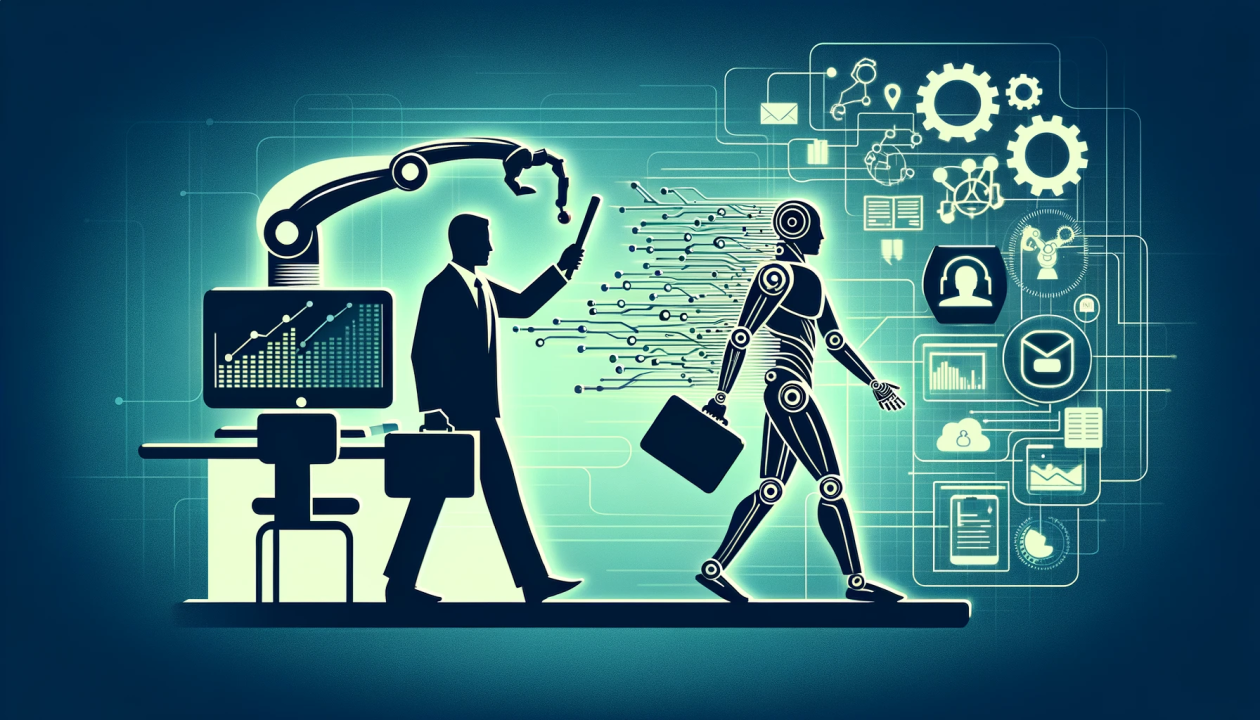
The rapid development of artificial intelligence (AI) is one of the most transformative technological advances of the 21st century. Over the past few decades, AI has evolved from a niche area of research into a pervasive force that is reshaping industries, economies, and societies. As AI technologies advance, they are not only improving efficiencies in sectors like manufacturing, healthcare, and finance, but they are also significantly impacting the global labor market.

With AI and automation steadily replacing human labor in a growing number of tasks, the dynamics of work are being fundamentally altered. This shift is creating both opportunities and challenges for workers, businesses, and policymakers alike. While AI promises to enhance productivity, innovation, and economic growth, it also raises concerns about job displacement, income inequality, and the future of human work.

In this article, we will explore the effects of AI on the labor market, examine the roles AI is playing in various sectors, discuss the potential benefits and challenges of AI-driven automation, and look at the strategies that can be adopted to ensure that workers are prepared for the changes ahead. We will also address the ethical considerations surrounding the impact of AI on jobs and how governments and businesses can manage the transition to a more automated and AI-driven economy.


1. The Rise of AI and Automation in the Workforce

1.1 Defining AI and Its Applications in the Workforce

Artificial intelligence encompasses a broad range of technologies that enable machines to perform tasks traditionally requiring human intelligence. This includes machine learning (ML), natural language processing (NLP), computer vision, and robotics. AI can learn from data, adapt to new information, and make decisions, often outperforming humans in specific tasks.

In the workforce, AI is being implemented in various forms:

  • Robotic Process Automation (RPA): AI systems that handle repetitive, rule-based tasks in areas such as data entry, customer service, and back-office operations.
  • Natural Language Processing: AI applications that can understand, interpret, and generate human language, making them valuable for customer support, virtual assistants, and content generation.
  • Machine Learning: AI systems that analyze large datasets to identify patterns and make predictions, which is used in areas like finance, healthcare, and marketing.
  • Computer Vision: AI technologies that enable machines to interpret and act upon visual information, which is used in industries such as manufacturing, healthcare, and logistics.

As AI capabilities expand, many jobs that require manual labor or repetitive tasks are increasingly being automated. While some of these jobs may be replaced entirely by machines, others are being augmented with AI tools, requiring workers to adapt and acquire new skills.

1.2 The Effects of AI and Automation on Jobs

AI’s impact on the labor market can be categorized into two main trends: job displacement and job creation.

  • Job Displacement: The automation of tasks through AI is expected to lead to the loss of certain jobs, particularly in industries such as manufacturing, retail, transportation, and administrative services. Tasks such as assembly line work, data entry, customer service inquiries, and even driving may be automated, reducing the demand for human labor in these roles.
  • Job Creation: At the same time, AI is creating new jobs, especially in fields related to AI development, data science, cybersecurity, and AI ethics. As businesses adopt AI technologies, the demand for skilled workers who can design, manage, and maintain these systems is increasing. Additionally, new roles are emerging in fields such as AI training and data annotation, which are necessary for improving the accuracy and functionality of AI systems.

AI also creates opportunities for job enhancement and new roles in fields like healthcare and education. For example, AI-powered diagnostic tools are improving the capabilities of doctors, while AI-enhanced e-learning platforms are providing personalized education experiences.


2. Sectors Most Affected by AI and Automation

The implementation of AI and automation is influencing different sectors of the economy in varied ways. While some industries are experiencing significant transformations, others are adopting AI technologies to enhance existing processes. Below are several key sectors being impacted by AI.

2.1 Manufacturing and Supply Chain

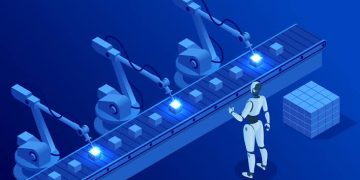
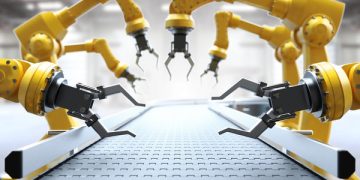
Manufacturing is one of the most heavily affected industries by AI and automation. Through the use of robotics, AI-driven automation has drastically increased productivity, reduced human error, and cut costs. Tasks that were once manual, such as assembling components, packaging products, and inspecting quality, can now be performed by AI-powered robots with higher precision and efficiency.

However, these advances are also leading to job displacement, particularly in low-skill roles. For instance, factory workers who used to perform repetitive tasks are increasingly being replaced by machines. On the other hand, AI is also creating jobs in areas like robot maintenance, programming, and quality control.

  • Job Creation: Roles in robotics engineering, AI system design, and supply chain management are expanding.
  • Job Displacement: Positions in manual labor, assembly line work, and quality inspection are at risk.

2.2 Healthcare

AI has the potential to revolutionize healthcare by improving diagnostic accuracy, personalizing treatment, and automating administrative tasks. AI tools can assist in analyzing medical images, predicting patient outcomes, and automating routine tasks such as data entry and scheduling.

However, the introduction of AI in healthcare also raises concerns about job displacement. For example, AI-driven diagnostic tools could reduce the demand for radiologists, while chatbots could replace some administrative positions.

  • Job Creation: AI is creating roles in medical data analysis, AI-powered healthcare systems development, and health technology management.
  • Job Displacement: Jobs in administrative support and certain diagnostic roles may be at risk.

2.3 Retail and Customer Service

AI is transforming the retail and customer service industries by automating tasks such as inventory management, personalized recommendations, and customer interactions. AI-powered chatbots and virtual assistants are increasingly handling customer queries, and automated checkout systems are reducing the need for human cashiers.

Although these advancements improve customer experiences and reduce costs for businesses, they also lead to job displacement in areas such as customer service and retail management.

  • Job Creation: Roles in AI-driven customer experience design, e-commerce platform management, and AI customer support are on the rise.
  • Job Displacement: Traditional retail positions, cashiers, and customer service representatives may see job reductions.

2.4 Transportation and Logistics

Autonomous vehicles and drones are poised to transform the transportation and logistics sectors. AI-powered systems are already being used to optimize delivery routes, track inventory, and predict maintenance needs, leading to more efficient operations.

Autonomous trucks and delivery drones, for instance, have the potential to replace human drivers in the transportation industry. While the full deployment of autonomous vehicles is still some years away, this shift is expected to lead to significant job displacement in driving-related occupations.

  • Job Creation: Opportunities in vehicle and drone maintenance, AI system design, and logistics optimization are emerging.
  • Job Displacement: Professional drivers, including truck drivers, delivery drivers, and taxi drivers, are most at risk.

3. The Economic Implications of AI-Driven Job Changes

The integration of AI into the workforce presents a range of economic implications that must be carefully considered. While AI-driven automation can boost productivity and innovation, it also raises questions about job displacement, income inequality, and the redistribution of wealth.

3.1 Increased Productivity and Economic Growth

AI and automation have the potential to significantly increase productivity across industries. Machines that can perform repetitive tasks faster and more accurately than humans can lead to substantial cost savings for businesses, which can then reinvest in innovation and expansion. In sectors like manufacturing and logistics, AI can optimize supply chains, reduce waste, and enhance product quality, ultimately driving economic growth.

3.2 Job Polarization and Income Inequality

While AI may create new job opportunities, these tend to be concentrated in high-skill sectors such as tech, data science, and AI development. As a result, there is a growing divide between high-paying, knowledge-intensive jobs and low-wage, routine work. This phenomenon, known as job polarization, could lead to increased income inequality and social unrest.

In particular, workers in industries susceptible to automation—such as manufacturing, retail, and transportation—may find it difficult to transition to new roles without significant retraining and education.

3.3 The Need for Education and Reskilling

As AI continues to transform the workforce, there will be an increasing need for workers to develop new skills and competencies. Education and reskilling programs will be essential to ensure that displaced workers can transition into new roles in the AI-powered economy. For example, workers in traditional manufacturing jobs may need training in robotics, machine learning, and data analysis.

  • Reskilling Initiatives: Governments, businesses, and educational institutions must collaborate to create accessible and affordable training programs for workers.
  • Lifelong Learning: Emphasizing lifelong learning will be key to ensuring that workers remain adaptable to the evolving job market.

4. Policy and Ethical Considerations

The rapid development of AI and automation requires thoughtful policymaking to address the societal and economic challenges that come with it. Governments must create frameworks that ensure AI benefits society as a whole, rather than exacerbating inequality or leaving certain groups behind.

4.1 Universal Basic Income (UBI)

One proposed solution to the economic displacement caused by AI is Universal Basic Income (UBI). UBI would provide a guaranteed income to all citizens, regardless of employment status, to ensure that everyone has a financial safety net in the face of job loss due to automation.

While UBI has its proponents, critics argue that it could disincentivize work and be difficult to implement in practice. Nonetheless, it remains a topic of growing interest in the discussion around AI and the future of work.

4.2 Fair AI and Ethical Labor Practices

Ethical concerns regarding the use of AI in the workforce are also paramount. Ensuring that AI systems are designed and implemented fairly—without bias—will be crucial to avoiding discrimination in hiring and decision-making processes. AI algorithms must be transparent, explainable, and accountable to avoid reinforcing existing inequalities or perpetuating biases in employment practices.

  • AI Ethics: Governments and businesses must create guidelines for the ethical use of AI in the workplace, ensuring that systems are transparent and nondiscriminatory.
  • Labor Rights: Workers’ rights must be protected in an AI-driven economy, ensuring fair wages, job security, and access to retraining opportunities.

5. Conclusion

The rapid development of AI is undeniably transforming the global labor market, creating both opportunities and challenges. While automation promises to boost productivity and innovation, it also raises critical questions about job displacement, income inequality, and the future of human work. As AI continues to evolve, workers, businesses, and governments must collaborate to ensure that the benefits of AI are broadly shared, and that displaced workers are given the tools and opportunities to adapt to the changing job landscape.

The future of work in an AI-driven world will require thoughtful, proactive policies, investment in education and reskilling, and ethical considerations to ensure a fair and equitable transition. By embracing AI’s potential while addressing its challenges, society can harness the power of this transformative technology to create a more efficient, inclusive, and prosperous future for all.

Tags: aiInterviews & OpinionsLabor Market
ShareTweetShare

Related Posts

AI Ethics Framework: Ensuring Responsible AI Development and Deployment
Interviews & Opinions

AI Ethics Framework: Ensuring Responsible AI Development and Deployment

December 10, 2025
Global Frameworks for AI Regulation: Ensuring Ethical Application and Minimizing Negative Impact on Society
Interviews & Opinions

Global Frameworks for AI Regulation: Ensuring Ethical Application and Minimizing Negative Impact on Society

December 8, 2025
Ensuring Diversity and Representativeness in AI Development to Avoid Reinforcing Social Inequality
Interviews & Opinions

Ensuring Diversity and Representativeness in AI Development to Avoid Reinforcing Social Inequality

December 7, 2025
Transforming Education and Retraining the Workforce
Interviews & Opinions

Transforming Education and Retraining the Workforce

December 6, 2025
Human-AI Collaboration: Fei-Fei Li’s Vision of Enhancing Productivity and Creativity Together, Not Simply “Replacing” Humans
Interviews & Opinions

Human-AI Collaboration: Fei-Fei Li’s Vision of Enhancing Productivity and Creativity Together, Not Simply “Replacing” Humans

December 5, 2025
AI Algorithm Bias and Injustice: One of the Biggest Challenges Today
Interviews & Opinions

AI Algorithm Bias and Injustice: One of the Biggest Challenges Today

December 4, 2025
Leave Comment
  • Trending
  • Comments
  • Latest
How Artificial Intelligence is Achieving Revolutionary Breakthroughs in the Healthcare Industry: What Success Stories Teach Us

How Artificial Intelligence is Achieving Revolutionary Breakthroughs in the Healthcare Industry: What Success Stories Teach Us

July 26, 2025
AI in the Financial Sector: Which Innovative Strategies Are Driving Digital Transformation?

AI in the Financial Sector: Which Innovative Strategies Are Driving Digital Transformation?

July 26, 2025
From Beginner to Expert: Which AI Platforms Are Best for Beginners? Experts’ Take on Learning Curves and Practical Applications

From Beginner to Expert: Which AI Platforms Are Best for Beginners? Experts’ Take on Learning Curves and Practical Applications

July 23, 2025
How to Find Truly Useful AI Resources Among the Crowd? Experts Share How to Select Efficient and Innovative Tools!

How to Find Truly Useful AI Resources Among the Crowd? Experts Share How to Select Efficient and Innovative Tools!

July 23, 2025
How Artificial Intelligence Enhances Diagnostic Accuracy and Transforms Treatment Methods in Healthcare

How Artificial Intelligence Enhances Diagnostic Accuracy and Transforms Treatment Methods in Healthcare

How AI Enhances Customer Experience and Drives Sales Growth in Retail

How AI Enhances Customer Experience and Drives Sales Growth in Retail

How Artificial Intelligence Enables Precise Risk Assessment and Decision-Making

How Artificial Intelligence Enables Precise Risk Assessment and Decision-Making

How AI is Driving the Revolution in Smart Manufacturing and Production Efficiency

How AI is Driving the Revolution in Smart Manufacturing and Production Efficiency

The Rise of Low-Code and No-Code Development Platforms in the Age of AI Technology

The Rise of Low-Code and No-Code Development Platforms in the Age of AI Technology

December 10, 2025
Credit Scoring Optimization: Enhancing Accuracy, Fairness, and Accessibility in Financial Systems

Credit Scoring Optimization: Enhancing Accuracy, Fairness, and Accessibility in Financial Systems

December 10, 2025
AI Ethics Framework: Ensuring Responsible AI Development and Deployment

AI Ethics Framework: Ensuring Responsible AI Development and Deployment

December 10, 2025
The Fusion of Augmented Reality and Natural Language Processing

The Fusion of Augmented Reality and Natural Language Processing

December 10, 2025
AIInsiderUpdates

Our platform is dedicated to delivering comprehensive coverage of AI developments, featuring news, case studies, expert interviews, and valuable resources for professionals and enthusiasts alike.

© 2025 aiinsiderupdates.com. contacts:[email protected]

No Result
View All Result
  • Home
  • AI News
  • Technology Trends
  • Interviews & Opinions
  • Case Studies
  • Tools & Resources

© 2025 aiinsiderupdates.com. contacts:[email protected]

Welcome Back!

Login to your account below

Forgotten Password?

Retrieve your password

Please enter your username or email address to reset your password.

Log In