





























AIInsiderUpdates
  • Home
  • AI News
    AI Technology Applications as the Core Driver of Progress

    AI Technology Applications as the Core Driver of Progress

    AI Applications in Autonomous Driving and Transportation

    AI Applications in Autonomous Driving and Transportation

    How AI Can Create Customized Treatment Plans Based on Personal Genetic Data and Health Records, Advancing Precision Medicine

    How AI Can Create Customized Treatment Plans Based on Personal Genetic Data and Health Records, Advancing Precision Medicine

    AI Models in Medicine: Accelerating Medical Research and Clinical Applications

    AI Models in Medicine: Accelerating Medical Research and Clinical Applications

    As Artificial Intelligence Rapidly Develops, AI Ethics and Regulatory Issues Become a Global Focus

    As Artificial Intelligence Rapidly Develops, AI Ethics and Regulatory Issues Become a Global Focus

    The Growing Role of Artificial Intelligence in Healthcare: Disease Diagnosis, Drug Development, and Personalized Medicine

    The Growing Role of Artificial Intelligence in Healthcare: Disease Diagnosis, Drug Development, and Personalized Medicine

  • Technology Trends
    AI Can Generate More Than Just Text and Images: The Creation of Music, Videos, and Other Multimedia Content

    AI Can Generate More Than Just Text and Images: The Creation of Music, Videos, and Other Multimedia Content

    Multimodal Learning: Combining Diverse Data Types for Enhanced AI Perception

    Multimodal Learning: Combining Diverse Data Types for Enhanced AI Perception

    Generative AI: Mimicking Human Creativity to Generate New Content

    Generative AI: Mimicking Human Creativity to Generate New Content

    Self-Supervised Learning: The Next Big Breakthrough in Deep Learning

    Self-Supervised Learning: The Next Big Breakthrough in Deep Learning

    Multimodal Learning: The Future of AI and Deep Learning

    Multimodal Learning: The Future of AI and Deep Learning

    Reducing Dependency on Manually Labeled Data: A Game Changer for Training AI Models

    Reducing Dependency on Manually Labeled Data: A Game Changer for Training AI Models

  • Interviews & Opinions
    Global Frameworks for AI Regulation: Ensuring Ethical Application and Minimizing Negative Impact on Society

    Global Frameworks for AI Regulation: Ensuring Ethical Application and Minimizing Negative Impact on Society

    Ensuring Diversity and Representativeness in AI Development to Avoid Reinforcing Social Inequality

    Ensuring Diversity and Representativeness in AI Development to Avoid Reinforcing Social Inequality

    Transforming Education and Retraining the Workforce

    Transforming Education and Retraining the Workforce

    Human-AI Collaboration: Fei-Fei Li’s Vision of Enhancing Productivity and Creativity Together, Not Simply “Replacing” Humans

    Human-AI Collaboration: Fei-Fei Li’s Vision of Enhancing Productivity and Creativity Together, Not Simply “Replacing” Humans

    AI Algorithm Bias and Injustice: One of the Biggest Challenges Today

    AI Algorithm Bias and Injustice: One of the Biggest Challenges Today

    Ensuring Fairness, Transparency, and Compliance in AI Systems: A Global Imperative

    Ensuring Fairness, Transparency, and Compliance in AI Systems: A Global Imperative

  • Case Studies
    The Application of AI in Finance: Balancing Accuracy and Compliance

    The Application of AI in Finance: Balancing Accuracy and Compliance

    Transparent and Explainable Models are Crucial for Financial Institutions to Meet Regulatory Requirements

    Transparent and Explainable Models are Crucial for Financial Institutions to Meet Regulatory Requirements

    BlueDot AI System in Predicting COVID-19 Spread and Supporting Public Health Decisions

    BlueDot AI System in Predicting COVID-19 Spread and Supporting Public Health Decisions

    Using AI to Analyze Client Risk Preferences for Personalized Asset Allocation

    Using AI to Analyze Client Risk Preferences for Personalized Asset Allocation

    Personalized Medicine: The Future of Healthcare

    Personalized Medicine: The Future of Healthcare

    Risk Management and Fraud Detection: Harnessing Technology for Secure Financial Systems

    Risk Management and Fraud Detection: Harnessing Technology for Secure Financial Systems

  • Tools & Resources
    AWS: Excellence in Big Data Processing and Model Training

    AWS: Excellence in Big Data Processing and Model Training

    Google Cloud AI: A Comprehensive Range of AI Services from Machine Learning to Natural Language Processing and Visual Recognition

    Google Cloud AI: A Comprehensive Range of AI Services from Machine Learning to Natural Language Processing and Visual Recognition

    Google Cloud AutoML: Empowering Non-Experts to Train and Deploy Machine Learning Models

    Google Cloud AutoML: Empowering Non-Experts to Train and Deploy Machine Learning Models

    The Widespread Adoption of Open Source AI Tools and Frameworks Globally, and Their Role as a Preferred Resource for AI Researchers and Developers

    The Widespread Adoption of Open Source AI Tools and Frameworks Globally, and Their Role as a Preferred Resource for AI Researchers and Developers

    The Integration of AI and Cloud Computing: A New Era in Technological Advancements

    The Integration of AI and Cloud Computing: A New Era in Technological Advancements

    AWS Offers a Comprehensive Suite of AI Tools and Services

    AWS Offers a Comprehensive Suite of AI Tools and Services

AIInsiderUpdates
  • Home
  • AI News
    AI Technology Applications as the Core Driver of Progress

    AI Technology Applications as the Core Driver of Progress

    AI Applications in Autonomous Driving and Transportation

    AI Applications in Autonomous Driving and Transportation

    How AI Can Create Customized Treatment Plans Based on Personal Genetic Data and Health Records, Advancing Precision Medicine

    How AI Can Create Customized Treatment Plans Based on Personal Genetic Data and Health Records, Advancing Precision Medicine

    AI Models in Medicine: Accelerating Medical Research and Clinical Applications

    AI Models in Medicine: Accelerating Medical Research and Clinical Applications

    As Artificial Intelligence Rapidly Develops, AI Ethics and Regulatory Issues Become a Global Focus

    As Artificial Intelligence Rapidly Develops, AI Ethics and Regulatory Issues Become a Global Focus

    The Growing Role of Artificial Intelligence in Healthcare: Disease Diagnosis, Drug Development, and Personalized Medicine

    The Growing Role of Artificial Intelligence in Healthcare: Disease Diagnosis, Drug Development, and Personalized Medicine

  • Technology Trends
    AI Can Generate More Than Just Text and Images: The Creation of Music, Videos, and Other Multimedia Content

    AI Can Generate More Than Just Text and Images: The Creation of Music, Videos, and Other Multimedia Content

    Multimodal Learning: Combining Diverse Data Types for Enhanced AI Perception

    Multimodal Learning: Combining Diverse Data Types for Enhanced AI Perception

    Generative AI: Mimicking Human Creativity to Generate New Content

    Generative AI: Mimicking Human Creativity to Generate New Content

    Self-Supervised Learning: The Next Big Breakthrough in Deep Learning

    Self-Supervised Learning: The Next Big Breakthrough in Deep Learning

    Multimodal Learning: The Future of AI and Deep Learning

    Multimodal Learning: The Future of AI and Deep Learning

    Reducing Dependency on Manually Labeled Data: A Game Changer for Training AI Models

    Reducing Dependency on Manually Labeled Data: A Game Changer for Training AI Models

  • Interviews & Opinions
    Global Frameworks for AI Regulation: Ensuring Ethical Application and Minimizing Negative Impact on Society

    Global Frameworks for AI Regulation: Ensuring Ethical Application and Minimizing Negative Impact on Society

    Ensuring Diversity and Representativeness in AI Development to Avoid Reinforcing Social Inequality

    Ensuring Diversity and Representativeness in AI Development to Avoid Reinforcing Social Inequality

    Transforming Education and Retraining the Workforce

    Transforming Education and Retraining the Workforce

    Human-AI Collaboration: Fei-Fei Li’s Vision of Enhancing Productivity and Creativity Together, Not Simply “Replacing” Humans

    Human-AI Collaboration: Fei-Fei Li’s Vision of Enhancing Productivity and Creativity Together, Not Simply “Replacing” Humans

    AI Algorithm Bias and Injustice: One of the Biggest Challenges Today

    AI Algorithm Bias and Injustice: One of the Biggest Challenges Today

    Ensuring Fairness, Transparency, and Compliance in AI Systems: A Global Imperative

    Ensuring Fairness, Transparency, and Compliance in AI Systems: A Global Imperative

  • Case Studies
    The Application of AI in Finance: Balancing Accuracy and Compliance

    The Application of AI in Finance: Balancing Accuracy and Compliance

    Transparent and Explainable Models are Crucial for Financial Institutions to Meet Regulatory Requirements

    Transparent and Explainable Models are Crucial for Financial Institutions to Meet Regulatory Requirements

    BlueDot AI System in Predicting COVID-19 Spread and Supporting Public Health Decisions

    BlueDot AI System in Predicting COVID-19 Spread and Supporting Public Health Decisions

    Using AI to Analyze Client Risk Preferences for Personalized Asset Allocation

    Using AI to Analyze Client Risk Preferences for Personalized Asset Allocation

    Personalized Medicine: The Future of Healthcare

    Personalized Medicine: The Future of Healthcare

    Risk Management and Fraud Detection: Harnessing Technology for Secure Financial Systems

    Risk Management and Fraud Detection: Harnessing Technology for Secure Financial Systems

  • Tools & Resources
    AWS: Excellence in Big Data Processing and Model Training

    AWS: Excellence in Big Data Processing and Model Training

    Google Cloud AI: A Comprehensive Range of AI Services from Machine Learning to Natural Language Processing and Visual Recognition

    Google Cloud AI: A Comprehensive Range of AI Services from Machine Learning to Natural Language Processing and Visual Recognition

    Google Cloud AutoML: Empowering Non-Experts to Train and Deploy Machine Learning Models

    Google Cloud AutoML: Empowering Non-Experts to Train and Deploy Machine Learning Models

    The Widespread Adoption of Open Source AI Tools and Frameworks Globally, and Their Role as a Preferred Resource for AI Researchers and Developers

    The Widespread Adoption of Open Source AI Tools and Frameworks Globally, and Their Role as a Preferred Resource for AI Researchers and Developers

    The Integration of AI and Cloud Computing: A New Era in Technological Advancements

    The Integration of AI and Cloud Computing: A New Era in Technological Advancements

    AWS Offers a Comprehensive Suite of AI Tools and Services

    AWS Offers a Comprehensive Suite of AI Tools and Services

AIInsiderUpdates
No Result
View All Result

Global Frameworks for AI Regulation: Ensuring Ethical Application and Minimizing Negative Impact on Society

December 8, 2025
Global Frameworks for AI Regulation: Ensuring Ethical Application and Minimizing Negative Impact on Society

Introduction

As artificial intelligence (AI) continues to permeate every facet of society—from healthcare and finance to education and entertainment—its potential to revolutionize the world is undeniable. Yet, alongside its promise lies a range of risks and challenges that must be carefully managed. The rapid development of AI technologies has sparked a growing debate about how to ensure these systems are used ethically and responsibly, minimizing negative impacts on individuals, communities, and the broader global society.

AI technologies hold immense power to shape economic opportunities, societal structures, and even personal freedoms. However, their unchecked application could lead to unintended consequences, such as exacerbating inequality, violating privacy, and enabling harmful surveillance practices. Given the growing influence of AI in every sector, the need for a robust and comprehensive global framework for AI regulation has never been more pressing.

This article explores the importance of establishing an effective AI regulatory framework at the global level, detailing the ethical considerations, potential risks, and the necessary steps to create policies that ensure AI technologies are used for the greater good. By examining existing regulatory efforts, identifying key challenges, and suggesting best practices, we can better understand how to navigate the complex ethical landscape of AI in the 21st century.


1. The Need for Global AI Regulation

Artificial intelligence, with its ability to perform complex tasks and make decisions autonomously, brings both enormous benefits and serious risks. While AI systems can improve efficiency, foster innovation, and offer new insights, they also present significant ethical dilemmas. To ensure that AI’s deployment does not have detrimental effects on humanity, we must establish a global regulatory framework that governs its design, implementation, and use.

1.1 Ethical and Social Risks of AI

AI systems, if left unregulated, can perpetuate or even exacerbate existing social inequalities. For instance, machine learning algorithms are often trained on historical data, which can embed and amplify biases present in society. This can lead to discriminatory practices in hiring, law enforcement, healthcare, and other domains, affecting marginalized groups disproportionately.

Moreover, AI technologies are capable of making decisions without human intervention, raising concerns about accountability. When an AI system causes harm—whether it’s an autonomous vehicle causing an accident or an algorithm making a biased hiring decision—who is responsible? A global regulatory framework must answer these questions by establishing clear guidelines on accountability and liability.

1.2 The Risk of AI Misuse

AI systems are also susceptible to misuse. In the wrong hands, they can be employed to manipulate public opinion (e.g., through deepfakes and disinformation), violate privacy (e.g., through mass surveillance and data exploitation), and even create autonomous weaponry that could pose a threat to global security. These risks highlight the need for international collaboration to regulate the development and application of AI technologies, ensuring they are used in ways that benefit society as a whole, rather than being weaponized or abused.

1.3 The Challenges of AI Regulation

The challenges of regulating AI are manifold. AI systems are inherently complex and continually evolving, making it difficult for existing laws and regulations to keep pace. The global nature of AI development means that any regulatory efforts must be internationally coordinated to be effective. Additionally, the rapid pace of technological innovation in the AI field presents a challenge in crafting regulations that are flexible enough to accommodate future developments while still addressing present concerns.


2. Existing Efforts in AI Regulation

Around the world, governments, international organizations, and private entities are beginning to recognize the need for AI regulation. While no single, universal regulatory framework exists yet, there have been significant efforts to develop guidelines and standards that promote ethical AI use. These efforts range from national initiatives to broader international agreements.

2.1 The European Union: Leading the Way in AI Governance

The European Union (EU) has emerged as a leader in the effort to regulate AI. In April 2021, the European Commission proposed the Artificial Intelligence Act, a landmark regulation that aims to create a legal framework for AI within the EU. The Act introduces a risk-based approach, classifying AI systems into categories based on the level of risk they pose to society, ranging from minimal risk to high risk.

For example, AI applications such as chatbots and recommendation systems fall under lower-risk categories, while high-risk applications like biometric identification systems and autonomous vehicles are subject to stricter regulations. The EU AI Act also emphasizes transparency, requiring AI systems to be explainable and auditable. Moreover, the regulation includes provisions for data governance, ensuring that AI systems are trained on high-quality, non-biased data.

While the EU AI Act represents a significant step forward, its impact will be limited to the EU member states, necessitating similar efforts on a global scale to ensure comprehensive and consistent regulation.

2.2 The United States: A Fragmented Approach

In contrast to the EU’s centralized approach, the United States has adopted a more fragmented stance on AI regulation. While there is no comprehensive federal AI law, several initiatives have been put in place to address AI’s ethical and societal implications. In 2020, the U.S. National AI Initiative Act was signed into law, creating a national strategy to advance AI research and development, as well as promoting ethical guidelines for AI.

Several independent agencies, such as the Federal Trade Commission (FTC) and the National Institute of Standards and Technology (NIST), have also developed guidelines and frameworks on AI ethics. For example, NIST has published a set of guidelines for AI risk management, which focuses on ensuring transparency, fairness, and accountability in AI systems.

However, the lack of a unified, overarching regulatory framework leaves gaps in how AI is managed across different sectors and states. There is a growing call for the U.S. to develop more comprehensive and centralized AI legislation to align with the global conversation around AI ethics and regulation.

2.3 International Collaborations: The Role of the United Nations and OECD

International organizations like the United Nations (UN) and the Organisation for Economic Co-operation and Development (OECD) have also recognized the need for global AI regulation. In 2019, the OECD adopted the OECD Principles on Artificial Intelligence, which emphasize the need for AI systems to be designed and used in ways that respect human rights, promote inclusivity, and ensure accountability.

The UN has also taken steps to address AI governance, particularly through the UNESCO Recommendation on the Ethics of Artificial Intelligence, which was adopted in 2021. This recommendation provides a set of ethical principles for AI development and usage, calling for transparency, fairness, and the protection of privacy and individual freedoms.

Although these international efforts are commendable, they remain voluntary guidelines, and enforcement mechanisms are often weak. A truly effective global AI regulatory framework will require stronger cooperation and binding commitments from countries around the world.
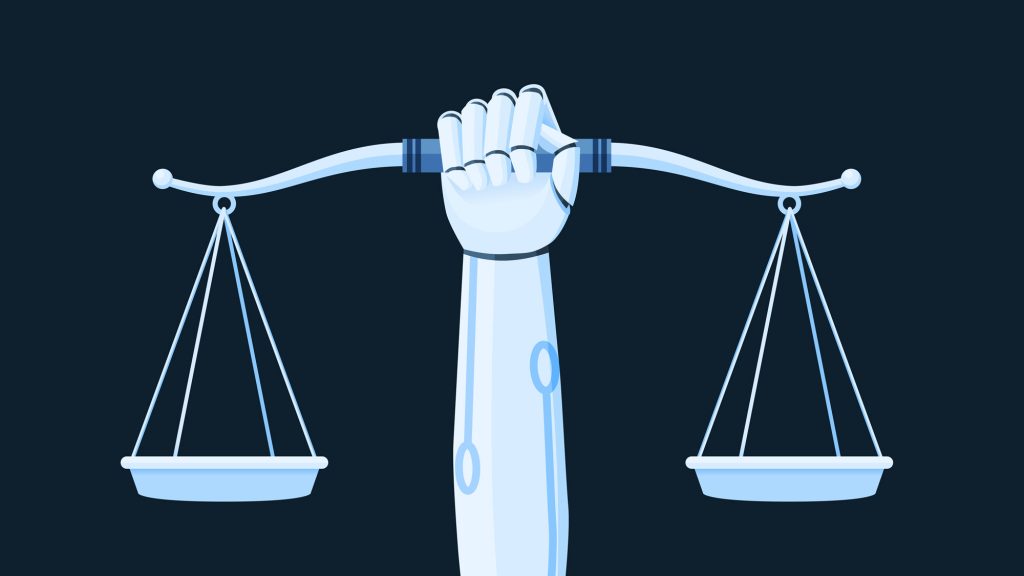

3. Key Elements of a Global AI Regulatory Framework

Creating an effective and comprehensive global regulatory framework for AI requires addressing several critical areas:

3.1 Ethical Standards and Human Rights Protection

The core of any AI regulatory framework must be a commitment to upholding fundamental human rights. This includes ensuring that AI systems are developed and deployed in ways that protect privacy, promote fairness, and prevent discrimination. Regulations should mandate transparency in AI decision-making processes, requiring organizations to explain how AI systems work and how they reach conclusions.

Additionally, AI systems should be designed to promote inclusivity, ensuring they do not perpetuate biases or exclusionary practices. This requires diverse datasets, as well as continuous monitoring and auditing of AI systems to ensure they are not inadvertently causing harm.

3.2 Accountability and Liability

Clear rules of accountability and liability are essential to ensure that AI systems are used responsibly. If an AI system causes harm—whether it is a financial loss, physical injury, or damage to reputation—there must be clear guidelines on who is responsible. Should it be the AI developer, the user, or the manufacturer? Defining liability will be critical in ensuring that AI technologies are used safely and ethically.

3.3 Data Governance and Privacy Protection

Data is the foundation of most AI systems. As such, strong data governance measures must be in place to ensure that AI systems are trained on high-quality, unbiased data. This includes ensuring that individuals’ data is collected and used in compliance with privacy laws and regulations.

Furthermore, AI systems should be designed to minimize the risk of data breaches and unauthorized access, particularly in sensitive sectors such as healthcare, finance, and law enforcement. Privacy protection laws, such as the General Data Protection Regulation (GDPR) in the EU, offer useful frameworks for governing data privacy and can serve as models for global regulation.

3.4 International Cooperation and Coordination

AI is a global phenomenon, and its impact transcends national borders. Therefore, any AI regulatory framework must be coordinated at the international level. This includes harmonizing AI laws and standards across countries, promoting cross-border collaboration on AI research, and ensuring that the benefits of AI are shared equitably across the globe.

International cooperation will also be essential in preventing the weaponization of AI technologies. Efforts must be made to establish global agreements on the use of autonomous weapons, AI-driven surveillance, and other potentially harmful applications of AI.


4. The Future of AI Regulation: Challenges and Opportunities

The path to a global AI regulatory framework will not be without challenges. Different countries have varying priorities and approaches to AI governance, which can complicate efforts to create a unified system. There is also the challenge of keeping AI regulations flexible and adaptable, given the rapid pace of technological development.

However, the potential benefits of a comprehensive and ethical AI regulatory framework are immense. It can help ensure that AI technologies are used responsibly, promote innovation while protecting public interest, and build public trust in AI systems. By establishing clear ethical guidelines, accountability structures, and global cooperation mechanisms, we can create a future where AI serves as a force for good, benefiting society as a whole.


5. Conclusion

The importance of creating a global regulatory framework for AI cannot be overstated. As AI continues to evolve and permeate various sectors, its potential to drive positive change is matched only by the risks it poses if left unchecked. By fostering international collaboration, upholding ethical standards, and promoting transparency, we can ensure that AI serves the interests of humanity and minimizes its negative impacts.

The time to act is now. Governments, organizations, and individuals must come together to create a regulatory framework that ensures the ethical and responsible use of AI, safeguarding society’s values and protecting human rights in the process. Only through such a collective effort can we harness the full potential of AI while mitigating its risks and challenges.



Tags: AI regulationGlobal FrameworksInterviews & Opinions
ShareTweetShare

Related Posts

Ensuring Diversity and Representativeness in AI Development to Avoid Reinforcing Social Inequality
Interviews & Opinions

Ensuring Diversity and Representativeness in AI Development to Avoid Reinforcing Social Inequality

December 7, 2025
Transforming Education and Retraining the Workforce
Interviews & Opinions

Transforming Education and Retraining the Workforce

December 6, 2025
Human-AI Collaboration: Fei-Fei Li’s Vision of Enhancing Productivity and Creativity Together, Not Simply “Replacing” Humans
Interviews & Opinions

Human-AI Collaboration: Fei-Fei Li’s Vision of Enhancing Productivity and Creativity Together, Not Simply “Replacing” Humans

December 5, 2025
AI Algorithm Bias and Injustice: One of the Biggest Challenges Today
Interviews & Opinions

AI Algorithm Bias and Injustice: One of the Biggest Challenges Today

December 4, 2025
Ensuring Fairness, Transparency, and Compliance in AI Systems: A Global Imperative
Interviews & Opinions

Ensuring Fairness, Transparency, and Compliance in AI Systems: A Global Imperative

December 3, 2025
The Proliferation of AI: Preparing Education Systems for the Workforce of Tomorrow
Interviews & Opinions

The Proliferation of AI: Preparing Education Systems for the Workforce of Tomorrow

December 2, 2025
Leave Comment
  • Trending
  • Comments
  • Latest
How Artificial Intelligence is Achieving Revolutionary Breakthroughs in the Healthcare Industry: What Success Stories Teach Us

How Artificial Intelligence is Achieving Revolutionary Breakthroughs in the Healthcare Industry: What Success Stories Teach Us

July 26, 2025
AI in the Financial Sector: Which Innovative Strategies Are Driving Digital Transformation?

AI in the Financial Sector: Which Innovative Strategies Are Driving Digital Transformation?

July 26, 2025
From Beginner to Expert: Which AI Platforms Are Best for Beginners? Experts’ Take on Learning Curves and Practical Applications

From Beginner to Expert: Which AI Platforms Are Best for Beginners? Experts’ Take on Learning Curves and Practical Applications

July 23, 2025
How to Find Truly Useful AI Resources Among the Crowd? Experts Share How to Select Efficient and Innovative Tools!

How to Find Truly Useful AI Resources Among the Crowd? Experts Share How to Select Efficient and Innovative Tools!

July 23, 2025
How Artificial Intelligence Enhances Diagnostic Accuracy and Transforms Treatment Methods in Healthcare

How Artificial Intelligence Enhances Diagnostic Accuracy and Transforms Treatment Methods in Healthcare

How AI Enhances Customer Experience and Drives Sales Growth in Retail

How AI Enhances Customer Experience and Drives Sales Growth in Retail

How Artificial Intelligence Enables Precise Risk Assessment and Decision-Making

How Artificial Intelligence Enables Precise Risk Assessment and Decision-Making

How AI is Driving the Revolution in Smart Manufacturing and Production Efficiency

How AI is Driving the Revolution in Smart Manufacturing and Production Efficiency

AWS: Excellence in Big Data Processing and Model Training

AWS: Excellence in Big Data Processing and Model Training

December 8, 2025
The Application of AI in Finance: Balancing Accuracy and Compliance

The Application of AI in Finance: Balancing Accuracy and Compliance

December 8, 2025
Global Frameworks for AI Regulation: Ensuring Ethical Application and Minimizing Negative Impact on Society

Global Frameworks for AI Regulation: Ensuring Ethical Application and Minimizing Negative Impact on Society

December 8, 2025
AI Can Generate More Than Just Text and Images: The Creation of Music, Videos, and Other Multimedia Content

AI Can Generate More Than Just Text and Images: The Creation of Music, Videos, and Other Multimedia Content

December 8, 2025
AIInsiderUpdates

Our platform is dedicated to delivering comprehensive coverage of AI developments, featuring news, case studies, expert interviews, and valuable resources for professionals and enthusiasts alike.

© 2025 aiinsiderupdates.com. contacts:[email protected]

No Result
View All Result
  • Home
  • AI News
  • Technology Trends
  • Interviews & Opinions
  • Case Studies
  • Tools & Resources

© 2025 aiinsiderupdates.com. contacts:[email protected]

Welcome Back!

Login to your account below

Forgotten Password?

Retrieve your password

Please enter your username or email address to reset your password.

Log In








