















Introduction
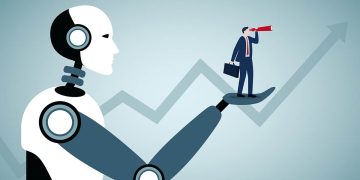
Artificial intelligence (AI) is no longer a futuristic concept. It has become a driving force behind the transformation of industries, economies, and societies. Over the past few years, AI technology has matured, evolving from theoretical research into a practical tool that impacts virtually every aspect of our daily lives. The application of AI is not just reshaping existing processes but is also a core driver of progress in fields such as healthcare, finance, education, transportation, and beyond.
From predictive algorithms and machine learning models to automation systems and data analytics, AI technologies are enabling organizations and governments to solve complex problems more effectively and efficiently. As AI continues to evolve, its role as the engine of progress across various sectors is becoming more prominent, helping businesses innovate, optimize, and transform their operations.
This article explores how AI technology applications are becoming central to driving progress and what impact this is having on industries, society, and the global economy.
Key Technologies Enabling AI Applications
AI is a broad field that encompasses various technologies and methodologies. The most prominent among them are:
- Machine Learning (ML): A subset of AI that enables machines to learn from data without being explicitly programmed. ML algorithms can make predictions, classify data, and detect patterns. This technology powers applications like fraud detection, recommendation systems, and predictive analytics.
- Deep Learning (DL): A subfield of machine learning that uses artificial neural networks to model and solve complex problems. Deep learning has been responsible for breakthroughs in computer vision, speech recognition, and natural language processing.
- Natural Language Processing (NLP): A technology that allows machines to understand, interpret, and generate human language. NLP enables applications like chatbots, language translation, sentiment analysis, and voice assistants.
- Computer Vision: AI that enables machines to “see” and interpret visual information from the world, making it possible for machines to recognize objects, faces, and scenes. Applications include facial recognition, medical imaging analysis, and autonomous vehicles.
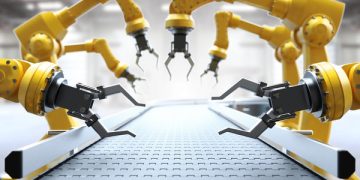
- Robotics and Automation: AI technologies enable robots to perform complex tasks autonomously or semi-autonomously. In manufacturing, logistics, and healthcare, robots can carry out repetitive tasks with precision and efficiency.
- Reinforcement Learning (RL): A type of machine learning where an agent learns by interacting with its environment and receiving feedback in the form of rewards or penalties. RL is widely used in robotics, gaming, and optimization tasks.
These core technologies are being applied across diverse sectors, providing solutions to previously intractable problems, driving productivity, and creating new avenues for innovation.
Applications of AI Across Key Sectors
1. Healthcare: Revolutionizing Patient Care
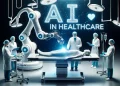
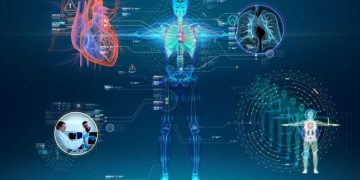
AI has immense potential in the healthcare sector, from diagnostics and personalized medicine to drug discovery and hospital management. AI technologies enable faster, more accurate diagnoses, improve treatment plans, and streamline operations in medical facilities.
- Medical Imaging: AI-powered computer vision is transforming radiology by enabling automated analysis of X-rays, MRIs, and CT scans. AI models can identify early signs of diseases like cancer, heart disease, and neurological disorders, often with higher accuracy than human clinicians.
- Personalized Medicine: Machine learning algorithms analyze genetic data, medical records, and lifestyle factors to recommend tailored treatment plans for individual patients. This leads to better patient outcomes and reduces the risks of adverse drug reactions.
- Predictive Analytics: AI is used to predict patient outcomes, such as the likelihood of disease progression or hospital readmission. By identifying at-risk patients early, healthcare providers can intervene proactively, improving patient care and reducing healthcare costs.
- Drug Discovery: AI accelerates the process of discovering new drugs by simulating molecular interactions, predicting the effectiveness of compounds, and identifying potential therapeutic candidates. This is particularly valuable in the fight against diseases like cancer, Alzheimer’s, and COVID-19.
2. Finance: AI in Risk Management and Automation
The financial industry has embraced AI to improve risk management, fraud detection, algorithmic trading, and customer service. AI applications are enhancing the accuracy of financial predictions, detecting fraudulent activity, and optimizing investment strategies.
- Fraud Detection: AI systems analyze transaction data in real-time to detect unusual patterns or behaviors that may indicate fraud. This helps banks and credit card companies prevent fraudulent transactions and protect their customers’ financial assets.
- Algorithmic Trading: AI-powered algorithms can process vast amounts of market data, identifying trends and making trading decisions faster than human traders. This enables high-frequency trading and more effective investment strategies.
- Risk Management: AI models assess financial risks by analyzing historical data, market conditions, and economic indicators. Financial institutions use these models to predict and mitigate risks in lending, investments, and insurance.
- Customer Service: Chatbots and virtual assistants powered by natural language processing (NLP) handle customer inquiries, provide financial advice, and assist with account management, improving customer experience and reducing operational costs.
3. Manufacturing: Enhancing Efficiency and Reducing Costs
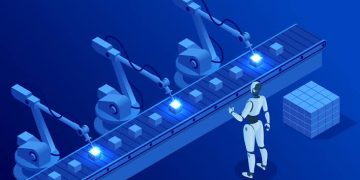
AI is driving significant change in the manufacturing sector, enabling smart factories, predictive maintenance, and process optimization. AI technologies allow manufacturers to improve productivity, reduce downtime, and enhance product quality.
- Predictive Maintenance: AI models analyze data from machinery and sensors to predict when equipment is likely to fail. This allows manufacturers to schedule maintenance in advance, reducing unplanned downtime and saving costs on repairs.
- Smart Factories: AI-powered robots and automation systems are transforming production lines by performing tasks like assembly, welding, and packaging with precision. These systems can also adapt to changing production needs, improving flexibility and reducing waste.
- Supply Chain Optimization: Machine learning models help optimize inventory management, forecast demand, and streamline logistics. AI can predict fluctuations in demand, ensuring that manufacturers have the right amount of stock on hand without overstocking.
- Quality Control: AI-based computer vision systems inspect products for defects and ensure they meet quality standards. This reduces the risk of defective products reaching consumers and improves manufacturing consistency.

4. Retail and E-Commerce: Personalized Shopping Experiences
In retail and e-commerce, AI is used to enhance customer experiences, optimize inventory management, and personalize product recommendations. AI applications help retailers better understand customer behavior and improve sales strategies.
- Personalized Recommendations: AI algorithms analyze customer data to offer personalized product recommendations based on past purchases, browsing history, and demographic factors. This increases sales and customer satisfaction by offering consumers products that match their preferences.
- Inventory Management: Machine learning models predict demand for different products, helping retailers optimize inventory levels and reduce the risk of overstocking or stockouts.
- Customer Service: AI-powered chatbots and virtual assistants provide customers with instant support, answering questions, guiding them through the purchase process, and resolving issues. These bots can handle common inquiries, freeing up human agents to focus on more complex tasks.
- Price Optimization: AI models analyze competitor prices, market trends, and consumer behavior to recommend optimal pricing strategies. Retailers can adjust prices dynamically to stay competitive while maximizing profitability.
5. Transportation: Autonomous Vehicles and Logistics Optimization
AI is transforming the transportation sector by enabling autonomous vehicles, optimizing routes, and improving traffic management. These advancements improve efficiency, reduce costs, and enhance safety.
- Autonomous Vehicles: AI technologies such as computer vision, machine learning, and reinforcement learning are at the heart of self-driving cars. Autonomous vehicles are capable of navigating roads, detecting obstacles, and making decisions in real-time, with the potential to significantly reduce traffic accidents caused by human error.
- Logistics and Route Optimization: AI systems optimize delivery routes by analyzing real-time traffic data, weather conditions, and other factors. This leads to faster deliveries, reduced fuel consumption, and lower operational costs for logistics companies.
- Predictive Traffic Management: AI systems analyze traffic patterns and adjust traffic signals to optimize flow and reduce congestion. These systems can also suggest alternative routes to drivers, improving overall traffic efficiency.
6. Education: Personalized Learning and Automation
In education, AI is being used to create personalized learning experiences, automate administrative tasks, and improve educational outcomes. AI applications help tailor learning to the individual needs of students, making education more accessible and effective.
- Personalized Learning: AI-powered platforms adapt to students’ learning styles and progress, providing customized lessons and feedback. This helps students learn at their own pace, improving engagement and retention.
- Automated Grading: AI systems automatically grade assignments, quizzes, and exams, allowing teachers to focus on instruction and student interaction. This increases efficiency and reduces the administrative burden on educators.
- Virtual Tutors: AI-driven virtual assistants can provide additional support to students, answering questions, explaining concepts, and guiding them through difficult topics.
- Learning Analytics: AI tools analyze student data to identify patterns, predict performance, and offer insights into how to improve teaching strategies.
AI as a Core Driver of Progress
AI is not merely a tool; it is the cornerstone of progress in the modern world. By automating tasks, optimizing processes, and enabling new capabilities, AI is driving significant improvements across industries. Here are some of the ways AI serves as a core driver of progress:
1. Innovation and New Solutions
AI fosters innovation by enabling the development of new products and services. In industries like healthcare, autonomous vehicles, and finance, AI is not just improving existing processes—it is creating entirely new ways of doing things. AI applications unlock new opportunities that were previously unimaginable, leading to innovations that transform lives.
2. Economic Growth and Productivity
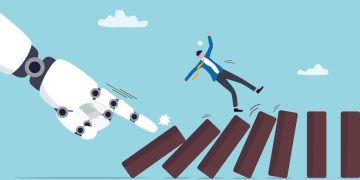
AI increases productivity by automating routine tasks and enabling faster decision-making. In industries like manufacturing, logistics, and retail, AI streamlines operations, reduces waste, and optimizes resources. This leads to higher output at lower costs, driving economic growth. AI also creates new markets and industries, providing new opportunities for investment and job creation.
3. Solving Complex Global Challenges
AI is playing a critical role in addressing some of the world’s most pressing challenges. From combating climate change with energy optimization algorithms to providing real-time insights into disease outbreaks, AI is helping solve problems that impact millions of people. The ability to process vast amounts of data and make predictive models is enabling governments and organizations to respond more effectively to crises.
Conclusion
AI technology applications are at the forefront of innovation, transforming industries, driving progress, and improving lives across the globe. As AI continues to evolve, its role as the core driver of progress will only grow stronger. From healthcare to finance, transportation to education, AI is enabling organizations to optimize operations, innovate solutions, and tackle complex global challenges. As businesses, governments, and individuals continue to harness the power of AI, we are on the cusp of a new era of progress—an era defined by AI-driven innovation and societal advancement.