






















AIInsiderUpdates
  • Home
  • AI News
    Application of AI in Drug Therapy

    Application of AI in Drug Therapy

    The Popularization of AI: Automation of Traditional Jobs and Its Impact on the Labor Market

    The Popularization of AI: Automation of Traditional Jobs and Its Impact on the Labor Market

    Many Industries Are Adopting AI-Driven Robots to Replace Human Labor

    Many Industries Are Adopting AI-Driven Robots to Replace Human Labor

    Artificial Intelligence Ethics and Regulations

    Artificial Intelligence Ethics and Regulations

    Ensuring Fairness and Transparency in AI Decision-Making: A Priority for Companies and Governments

    Ensuring Fairness and Transparency in AI Decision-Making: A Priority for Companies and Governments

    The Growing Global Debate on AI Ethics and Governance

    The Growing Global Debate on AI Ethics and Governance

  • Technology Trends
    Fine-tuning Large Language Models to Meet Specific Task or Industry Needs: A Key Focus in AI Research

    Fine-tuning Large Language Models to Meet Specific Task or Industry Needs: A Key Focus in AI Research

    The Convergence of Reinforcement Learning and Deep Learning: Driving Innovation Across Multiple Domains

    The Convergence of Reinforcement Learning and Deep Learning: Driving Innovation Across Multiple Domains

    The Transformer Architecture: The Core of Deep Learning

    The Transformer Architecture: The Core of Deep Learning

    Neural Architecture Search: A Revolution in Artificial Intelligence

    Neural Architecture Search: A Revolution in Artificial Intelligence

    Significant Advances in Self-Supervised Learning (SSL) Methods in Deep Learning

    Significant Advances in Self-Supervised Learning (SSL) Methods in Deep Learning

    Breakthroughs in Deep Learning and Neural Networks: Revolutionizing the Future of AI

    Breakthroughs in Deep Learning and Neural Networks: Revolutionizing the Future of AI

  • Interviews & Opinions
    AI May Replace Some Low-Skill, Repetitive Jobs, but It Will Also Create New Types of Jobs

    AI May Replace Some Low-Skill, Repetitive Jobs, but It Will Also Create New Types of Jobs

    The Future of AI Systems: Why Explainability Should Be a Core Feature

    The Future of AI Systems: Why Explainability Should Be a Core Feature

    AI and Automation Will Take on More of the Heavy Lifting

    AI and Automation Will Take on More of the Heavy Lifting

    As AI Technology Continues to Evolve, Ethical Issues Are Becoming More Prominent

    As AI Technology Continues to Evolve, Ethical Issues Are Becoming More Prominent

    AI Fairness: Addressing Bias and Promoting Equity in Artificial Intelligence

    AI Fairness: Addressing Bias and Promoting Equity in Artificial Intelligence

    The Impact of AI on the Labor Market: A Critical Examination

    The Impact of AI on the Labor Market: A Critical Examination

  • Case Studies
    AI-Based Anti-Fraud Systems

    AI-Based Anti-Fraud Systems

    The Application of AI in Retail and E-Commerce

    The Application of AI in Retail and E-Commerce

    The Application of AI in the Financial Industry

    The Application of AI in the Financial Industry

    The Application of AI in Medical Imaging: A Significant Advancement

    The Application of AI in Medical Imaging: A Significant Advancement

    AI Significantly Enhancing Disease Diagnosis Efficiency and Accuracy

    AI Significantly Enhancing Disease Diagnosis Efficiency and Accuracy

    The Application of AI in Healthcare: Revolutionizing Medicine and Patient Care

    The Application of AI in Healthcare: Revolutionizing Medicine and Patient Care

  • Tools & Resources
    AI Learning Resources and Educational Platforms

    AI Learning Resources and Educational Platforms

    AI Automation and Model Training Tools: Revolutionizing the Future of Artificial Intelligence

    AI Automation and Model Training Tools: Revolutionizing the Future of Artificial Intelligence

    Keras: Making AI Development Easier While Supporting Complex Model Designs

    Keras: Making AI Development Easier While Supporting Complex Model Designs

    PyTorch: A Flexible and Debug-Friendly Deep Learning Framework

    PyTorch: A Flexible and Debug-Friendly Deep Learning Framework

    AutoAI Tools Enable Developers to Reduce Manual Model Tuning Workload

    AutoAI Tools Enable Developers to Reduce Manual Model Tuning Workload

    AI Development Platforms and Frameworks

    AI Development Platforms and Frameworks

AIInsiderUpdates
  • Home
  • AI News
    Application of AI in Drug Therapy

    Application of AI in Drug Therapy

    The Popularization of AI: Automation of Traditional Jobs and Its Impact on the Labor Market

    The Popularization of AI: Automation of Traditional Jobs and Its Impact on the Labor Market

    Many Industries Are Adopting AI-Driven Robots to Replace Human Labor

    Many Industries Are Adopting AI-Driven Robots to Replace Human Labor

    Artificial Intelligence Ethics and Regulations

    Artificial Intelligence Ethics and Regulations

    Ensuring Fairness and Transparency in AI Decision-Making: A Priority for Companies and Governments

    Ensuring Fairness and Transparency in AI Decision-Making: A Priority for Companies and Governments

    The Growing Global Debate on AI Ethics and Governance

    The Growing Global Debate on AI Ethics and Governance

  • Technology Trends
    Fine-tuning Large Language Models to Meet Specific Task or Industry Needs: A Key Focus in AI Research

    Fine-tuning Large Language Models to Meet Specific Task or Industry Needs: A Key Focus in AI Research

    The Convergence of Reinforcement Learning and Deep Learning: Driving Innovation Across Multiple Domains

    The Convergence of Reinforcement Learning and Deep Learning: Driving Innovation Across Multiple Domains

    The Transformer Architecture: The Core of Deep Learning

    The Transformer Architecture: The Core of Deep Learning

    Neural Architecture Search: A Revolution in Artificial Intelligence

    Neural Architecture Search: A Revolution in Artificial Intelligence

    Significant Advances in Self-Supervised Learning (SSL) Methods in Deep Learning

    Significant Advances in Self-Supervised Learning (SSL) Methods in Deep Learning

    Breakthroughs in Deep Learning and Neural Networks: Revolutionizing the Future of AI

    Breakthroughs in Deep Learning and Neural Networks: Revolutionizing the Future of AI

  • Interviews & Opinions
    AI May Replace Some Low-Skill, Repetitive Jobs, but It Will Also Create New Types of Jobs

    AI May Replace Some Low-Skill, Repetitive Jobs, but It Will Also Create New Types of Jobs

    The Future of AI Systems: Why Explainability Should Be a Core Feature

    The Future of AI Systems: Why Explainability Should Be a Core Feature

    AI and Automation Will Take on More of the Heavy Lifting

    AI and Automation Will Take on More of the Heavy Lifting

    As AI Technology Continues to Evolve, Ethical Issues Are Becoming More Prominent

    As AI Technology Continues to Evolve, Ethical Issues Are Becoming More Prominent

    AI Fairness: Addressing Bias and Promoting Equity in Artificial Intelligence

    AI Fairness: Addressing Bias and Promoting Equity in Artificial Intelligence

    The Impact of AI on the Labor Market: A Critical Examination

    The Impact of AI on the Labor Market: A Critical Examination

  • Case Studies
    AI-Based Anti-Fraud Systems

    AI-Based Anti-Fraud Systems

    The Application of AI in Retail and E-Commerce

    The Application of AI in Retail and E-Commerce

    The Application of AI in the Financial Industry

    The Application of AI in the Financial Industry

    The Application of AI in Medical Imaging: A Significant Advancement

    The Application of AI in Medical Imaging: A Significant Advancement

    AI Significantly Enhancing Disease Diagnosis Efficiency and Accuracy

    AI Significantly Enhancing Disease Diagnosis Efficiency and Accuracy

    The Application of AI in Healthcare: Revolutionizing Medicine and Patient Care

    The Application of AI in Healthcare: Revolutionizing Medicine and Patient Care

  • Tools & Resources
    AI Learning Resources and Educational Platforms

    AI Learning Resources and Educational Platforms

    AI Automation and Model Training Tools: Revolutionizing the Future of Artificial Intelligence

    AI Automation and Model Training Tools: Revolutionizing the Future of Artificial Intelligence

    Keras: Making AI Development Easier While Supporting Complex Model Designs

    Keras: Making AI Development Easier While Supporting Complex Model Designs

    PyTorch: A Flexible and Debug-Friendly Deep Learning Framework

    PyTorch: A Flexible and Debug-Friendly Deep Learning Framework

    AutoAI Tools Enable Developers to Reduce Manual Model Tuning Workload

    AutoAI Tools Enable Developers to Reduce Manual Model Tuning Workload

    AI Development Platforms and Frameworks

    AI Development Platforms and Frameworks

AIInsiderUpdates
No Result
View All Result

Generative AI: Mimicking Human Creativity to Generate New Content

December 6, 2025
Generative AI: Mimicking Human Creativity to Generate New Content

Introduction

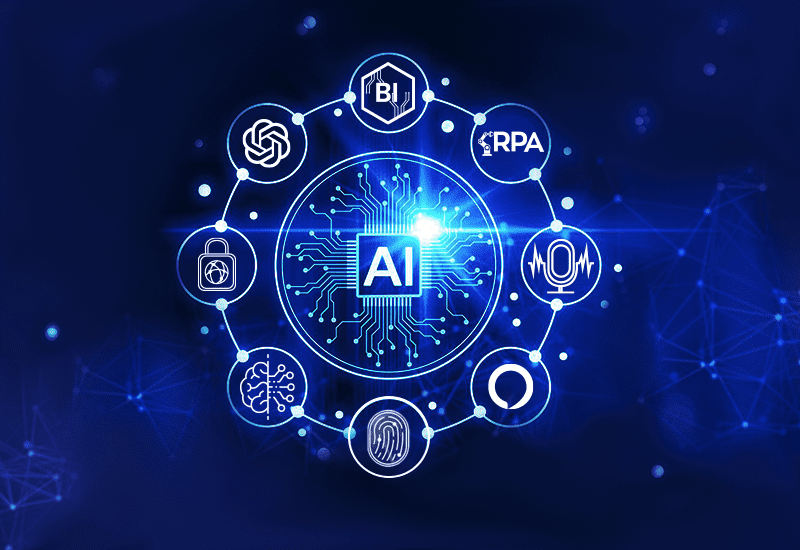
The concept of artificial intelligence (AI) has evolved significantly over the past few decades, moving from simple automation and data processing to more sophisticated applications such as creativity and content generation. Among the most transformative innovations in AI is the emergence of generative AI, a technology that enables machines to generate new content by mimicking human creativity.

Generative AI models are capable of producing various forms of content, including text, images, music, videos, and even entire 3D environments, all based on learned patterns from existing data. Unlike traditional AI systems, which are designed to perform specific tasks based on predefined rules, generative AI has the ability to create something new, offering vast potential in industries ranging from entertainment and media to healthcare, education, and business.

In this article, we will explore the principles behind generative AI, how it mimics human creativity, its applications across various domains, and the ethical implications of AI-generated content. We will also look at the current state of generative AI technologies and their potential for the future.


Understanding Generative AI

Generative AI refers to a class of artificial intelligence models designed to generate new data, content, or solutions that resemble the patterns and structures found in a given training dataset. Unlike traditional AI models, which are trained to classify, predict, or optimize based on input data, generative models learn the underlying distribution of the data and can generate new samples that belong to the same distribution.

Key Types of Generative AI Models

  1. Generative Adversarial Networks (GANs)
    GANs are one of the most well-known types of generative models. They consist of two neural networks: a generator and a discriminator. The generator creates new data, while the discriminator evaluates the authenticity of the generated data against real data. The two networks work together, with the generator improving over time to create more realistic outputs. GANs have been particularly successful in generating high-quality images, deepfakes, and even artwork.
  2. Variational Autoencoders (VAEs)
    VAEs are another type of generative model that are particularly useful for creating continuous data representations, such as images or speech. VAEs work by compressing input data into a latent space and then reconstructing it. By manipulating the latent space, VAEs can generate new variations of the original data, making them effective for tasks like image generation and data augmentation.
  3. Transformer Models
    Transformer-based models, such as GPT-3 and BERT, are used primarily for generating natural language text. These models are trained on vast datasets of human-written text and can generate coherent and contextually relevant text based on a given prompt. GPT-3, for example, can write essays, poems, code, and even hold conversations, mimicking human-like writing abilities.
  4. Recurrent Neural Networks (RNNs) and Long Short-Term Memory (LSTM)
    RNNs and LSTMs are commonly used for generating sequential data, such as music, speech, or time-series data. These models are designed to handle sequences by maintaining a memory of previous inputs, allowing them to generate new content that maintains continuity and structure.

How Generative AI Mimics Human Creativity

Human creativity involves the ability to combine existing knowledge in novel ways, solve problems, and produce new ideas, art, or inventions. Similarly, generative AI models mimic this creative process by identifying patterns in vast amounts of data and synthesizing those patterns into new, original content.

  1. Pattern Recognition
    Just as humans learn by observing and recognizing patterns, generative AI models analyze large datasets to identify patterns, relationships, and structures. For instance, an AI trained on thousands of paintings might learn to recognize brushstroke styles, color combinations, and compositional techniques used by different artists.
  2. Recombination of Existing Ideas
    Creativity often involves taking existing ideas and recombining them in new ways. AI mimics this by generating content that is informed by the patterns it has learned, but with unique combinations that resemble the creativity seen in human-made art. A generative AI model trained on classical music compositions might generate a completely new piece that follows the same patterns of melody, rhythm, and harmony but with novel variations.
  3. Exploration and Innovation
    While human creativity often explores new possibilities, generative AI can also innovate by producing outputs that extend beyond the training data. In some cases, AI models can “surprise” their human creators by generating content that is not only novel but also useful or unexpected, similar to how human creativity sometimes leads to breakthrough discoveries.

Applications of Generative AI

Generative AI has found a wide range of applications across various industries. These models are increasingly used to enhance creative processes, automate content generation, and solve complex problems.

1. Creative Arts and Entertainment

  • Art Generation: Generative AI is being used by artists and designers to create visual art, animations, and digital designs. GANs, in particular, are popular for producing realistic images and art styles. Some AI-generated artworks have even been sold at auctions for substantial amounts, demonstrating the growing recognition of AI’s creative potential.
  • Music Composition: AI models like OpenAI’s MuseNet can compose original music in various styles, from classical to contemporary. These AI tools can assist musicians by generating new musical ideas, harmonies, or even entire compositions that can be used as the basis for further creative exploration.
  • Video Production: AI is revolutionizing video content creation by generating realistic synthetic media. GANs and other models can generate deepfake videos, create special effects, or even generate entirely new video content based on text descriptions.

2. Content Creation and Marketing

  • Text Generation: Natural language generation (NLG) models, like GPT-3, are capable of writing blog posts, articles, social media content, and even marketing copy. AI-generated text is becoming increasingly indistinguishable from human-written text, enabling companies to automate content creation on a large scale.
  • Chatbots and Conversational Agents: Generative AI is also used to create chatbots and virtual assistants that can engage in realistic conversations. These systems understand and generate text responses in real-time, offering personalized interactions with users.
  • Ad Copy and Product Descriptions: AI can be used to generate product descriptions, advertising content, and marketing material tailored to specific audiences. By analyzing consumer behavior and preferences, AI can produce content that resonates with target demographics, improving engagement and sales.

3. Healthcare and Medical Research

  • Drug Discovery: In healthcare, generative AI is used in drug discovery by simulating chemical reactions and generating new molecules that could potentially serve as new medications. AI can analyze existing medical data to predict the properties of molecules and generate new compounds for testing.
  • Medical Imaging: AI models are also used to generate high-quality medical images or augment existing ones. For example, generative models can help improve the resolution of medical scans or generate 3D reconstructions of organs and tissues for better diagnosis and treatment planning.
  • Personalized Medicine: In personalized medicine, AI can generate treatment plans based on individual genetic data and medical histories. This allows for more effective and targeted therapies that are tailored to the specific needs of each patient.

4. Business and Finance

  • Risk Assessment and Fraud Detection: Generative AI is used in finance for generating synthetic data to model various financial scenarios and identify potential risks. It can also be used for fraud detection by generating patterns of normal and abnormal transactions to spot fraudulent behavior.
  • Customer Insights and Market Research: AI can generate insights from market data and customer feedback, helping businesses understand consumer preferences and trends. Generative models can predict future behaviors, identify market gaps, and assist in product development.
Challenges and Ethical Implications of Generative AI

While generative AI offers exciting possibilities, it also presents several challenges and ethical considerations.

1. Copyright and Intellectual Property

Generative AI models learn from existing data, and the content they produce is often inspired by or directly mimics existing works. This raises questions about copyright infringement and intellectual property. Who owns the rights to AI-generated content—the creators of the AI models, the users who input prompts, or the owners of the original data?

2. Misinformation and Deepfakes

One of the most significant concerns with generative AI is its potential for misuse. AI-generated deepfakes—realistic but fabricated videos, audio, or images—can be used to spread misinformation, manipulate public opinion, and damage reputations. Ensuring that generative AI is used responsibly is critical to preventing harm.

3. Bias and Fairness

Like all AI systems, generative AI models are vulnerable to biases present in their training data. If the training data is skewed or lacks diversity, the generated content can perpetuate harmful stereotypes or exclude certain groups. Ensuring fairness and diversity in the datasets used to train generative models is essential to mitigating these risks.


Conclusion

Generative AI represents a remarkable step forward in AI’s ability to mimic human creativity. By learning from large datasets and generating new content, AI has the potential to revolutionize industries ranging from art and entertainment to healthcare and business. While there are challenges and ethical considerations to address, the future of generative AI holds immense promise in enhancing creativity, improving productivity, and solving complex problems.

As AI technology continues to evolve, its ability to generate novel content and contribute to human creativity will only grow stronger, opening up new possibilities for innovation and collaboration across various fields.


Tags: CreativityGenerative AITechnology Trends
ShareTweetShare

Related Posts

Fine-tuning Large Language Models to Meet Specific Task or Industry Needs: A Key Focus in AI Research
Technology Trends

Fine-tuning Large Language Models to Meet Specific Task or Industry Needs: A Key Focus in AI Research

April 28, 2026
The Convergence of Reinforcement Learning and Deep Learning: Driving Innovation Across Multiple Domains
Technology Trends

The Convergence of Reinforcement Learning and Deep Learning: Driving Innovation Across Multiple Domains

April 28, 2026
The Transformer Architecture: The Core of Deep Learning
Technology Trends

The Transformer Architecture: The Core of Deep Learning

April 21, 2026
Neural Architecture Search: A Revolution in Artificial Intelligence
Technology Trends

Neural Architecture Search: A Revolution in Artificial Intelligence

April 21, 2026
Significant Advances in Self-Supervised Learning (SSL) Methods in Deep Learning
Technology Trends

Significant Advances in Self-Supervised Learning (SSL) Methods in Deep Learning

April 4, 2026
Breakthroughs in Deep Learning and Neural Networks: Revolutionizing the Future of AI
Technology Trends

Breakthroughs in Deep Learning and Neural Networks: Revolutionizing the Future of AI

April 4, 2026
Leave Comment
  • Trending
  • Comments
  • Latest
How Artificial Intelligence is Achieving Revolutionary Breakthroughs in the Healthcare Industry: What Success Stories Teach Us

How Artificial Intelligence is Achieving Revolutionary Breakthroughs in the Healthcare Industry: What Success Stories Teach Us

July 26, 2025
Deep Learning Simulates Human Brain Signal Processing Pathways Through the Construction of Multi-Layer Neural Networks

Deep Learning Simulates Human Brain Signal Processing Pathways Through the Construction of Multi-Layer Neural Networks

January 14, 2026
From Beginner to Expert: Which AI Platforms Are Best for Beginners? Experts’ Take on Learning Curves and Practical Applications

From Beginner to Expert: Which AI Platforms Are Best for Beginners? Experts’ Take on Learning Curves and Practical Applications

July 23, 2025
AI in the Financial Sector: Which Innovative Strategies Are Driving Digital Transformation?

AI in the Financial Sector: Which Innovative Strategies Are Driving Digital Transformation?

July 26, 2025
How Artificial Intelligence Enhances Diagnostic Accuracy and Transforms Treatment Methods in Healthcare

How Artificial Intelligence Enhances Diagnostic Accuracy and Transforms Treatment Methods in Healthcare

How AI Enhances Customer Experience and Drives Sales Growth in Retail

How AI Enhances Customer Experience and Drives Sales Growth in Retail

How Artificial Intelligence Enables Precise Risk Assessment and Decision-Making

How Artificial Intelligence Enables Precise Risk Assessment and Decision-Making

How AI is Driving the Revolution in Smart Manufacturing and Production Efficiency

How AI is Driving the Revolution in Smart Manufacturing and Production Efficiency

AI Learning Resources and Educational Platforms

AI Learning Resources and Educational Platforms

April 28, 2026
AI Automation and Model Training Tools: Revolutionizing the Future of Artificial Intelligence

AI Automation and Model Training Tools: Revolutionizing the Future of Artificial Intelligence

April 28, 2026
AI-Based Anti-Fraud Systems

AI-Based Anti-Fraud Systems

April 28, 2026
The Application of AI in Retail and E-Commerce

The Application of AI in Retail and E-Commerce

April 28, 2026
AIInsiderUpdates

Our platform is dedicated to delivering comprehensive coverage of AI developments, featuring news, case studies, expert interviews, and valuable resources for professionals and enthusiasts alike.

© 2025 aiinsiderupdates.com. contacts:[email protected]

No Result
View All Result
  • Home
  • AI News
  • Technology Trends
  • Interviews & Opinions
  • Case Studies
  • Tools & Resources

© 2025 aiinsiderupdates.com. contacts:[email protected]

Welcome Back!

Login to your account below

Forgotten Password?

Retrieve your password

Please enter your username or email address to reset your password.

Log In