



















AIInsiderUpdates
  • Home
  • AI News
    AI Models in Medicine: Accelerating Medical Research and Clinical Applications

    AI Models in Medicine: Accelerating Medical Research and Clinical Applications

    As Artificial Intelligence Rapidly Develops, AI Ethics and Regulatory Issues Become a Global Focus

    As Artificial Intelligence Rapidly Develops, AI Ethics and Regulatory Issues Become a Global Focus

    The Growing Role of Artificial Intelligence in Healthcare: Disease Diagnosis, Drug Development, and Personalized Medicine

    The Growing Role of Artificial Intelligence in Healthcare: Disease Diagnosis, Drug Development, and Personalized Medicine

    Addressing AI Bias, Data Privacy, and Social Inequality: Global Conversations on the Future of Artificial Intelligence

    Addressing AI Bias, Data Privacy, and Social Inequality: Global Conversations on the Future of Artificial Intelligence

    The European Union and Other Regions Advancing the Artificial Intelligence Act (AI Act)

    The European Union and Other Regions Advancing the Artificial Intelligence Act (AI Act)

    Governments and International Organizations Efforts to Develop Policies for Ethical and Safe Use of AI

    Governments and International Organizations Efforts to Develop Policies for Ethical and Safe Use of AI

  • Technology Trends
    Self-Supervised Learning: The Next Big Breakthrough in Deep Learning

    Self-Supervised Learning: The Next Big Breakthrough in Deep Learning

    Multimodal Learning: The Future of AI and Deep Learning

    Multimodal Learning: The Future of AI and Deep Learning

    Reducing Dependency on Manually Labeled Data: A Game Changer for Training AI Models

    Reducing Dependency on Manually Labeled Data: A Game Changer for Training AI Models

    Enhancing AI Understanding Through Self-Supervised Learning: Unlocking the Power of Raw Data Representations

    Enhancing AI Understanding Through Self-Supervised Learning: Unlocking the Power of Raw Data Representations

    Self-Supervised Learning: A Cutting-Edge Trend in the Field of Machine Learning

    Self-Supervised Learning: A Cutting-Edge Trend in the Field of Machine Learning

    Artificial Intelligence (AI) Has Made Leapfrog Advancements in Recent Years

    Artificial Intelligence (AI) Has Made Leapfrog Advancements in Recent Years

  • Interviews & Opinions
    Human-AI Collaboration: Fei-Fei Li’s Vision of Enhancing Productivity and Creativity Together, Not Simply “Replacing” Humans

    Human-AI Collaboration: Fei-Fei Li’s Vision of Enhancing Productivity and Creativity Together, Not Simply “Replacing” Humans

    AI Algorithm Bias and Injustice: One of the Biggest Challenges Today

    AI Algorithm Bias and Injustice: One of the Biggest Challenges Today

    Ensuring Fairness, Transparency, and Compliance in AI Systems: A Global Imperative

    Ensuring Fairness, Transparency, and Compliance in AI Systems: A Global Imperative

    The Proliferation of AI: Preparing Education Systems for the Workforce of Tomorrow

    The Proliferation of AI: Preparing Education Systems for the Workforce of Tomorrow

    AI May Replace Some Jobs, But It Will Also Create New Career Opportunities

    AI May Replace Some Jobs, But It Will Also Create New Career Opportunities

    Unemployment and Transformation: The Future of Work in an Evolving World

    Unemployment and Transformation: The Future of Work in an Evolving World

  • Case Studies
    Using AI to Analyze Client Risk Preferences for Personalized Asset Allocation

    Using AI to Analyze Client Risk Preferences for Personalized Asset Allocation

    Personalized Medicine: The Future of Healthcare

    Personalized Medicine: The Future of Healthcare

    Risk Management and Fraud Detection: Harnessing Technology for Secure Financial Systems

    Risk Management and Fraud Detection: Harnessing Technology for Secure Financial Systems

    Artificial Intelligence in Finance: Risk Control, Investment Analysis, and Customer Service as Classic Case Studies

    Artificial Intelligence in Finance: Risk Control, Investment Analysis, and Customer Service as Classic Case Studies

    Pandemic Prediction and Management: Harnessing Technology for Global Health

    Pandemic Prediction and Management: Harnessing Technology for Global Health

    Utilizing AI to Analyze Patient Genetic Data and Medical History for Personalized Cancer Treatment Plans

    Utilizing AI to Analyze Patient Genetic Data and Medical History for Personalized Cancer Treatment Plans

  • Tools & Resources
    The Widespread Adoption of Open Source AI Tools and Frameworks Globally, and Their Role as a Preferred Resource for AI Researchers and Developers

    The Widespread Adoption of Open Source AI Tools and Frameworks Globally, and Their Role as a Preferred Resource for AI Researchers and Developers

    The Integration of AI and Cloud Computing: A New Era in Technological Advancements

    The Integration of AI and Cloud Computing: A New Era in Technological Advancements

    AWS Offers a Comprehensive Suite of AI Tools and Services

    AWS Offers a Comprehensive Suite of AI Tools and Services

    TensorFlow: Widely Used for Its Powerful Community Support and Extensive Features

    TensorFlow: Widely Used for Its Powerful Community Support and Extensive Features

    Open Source Projects Empower Developers to Collaborate, Customize, and Enhance Technology, Boosting Innovation Efficiency

    Open Source Projects Empower Developers to Collaborate, Customize, and Enhance Technology, Boosting Innovation Efficiency

    Developers and Enterprises: The Growing Importance of Selecting the Right Tools and Platforms to Drive Innovation and Improve Efficiency

    Developers and Enterprises: The Growing Importance of Selecting the Right Tools and Platforms to Drive Innovation and Improve Efficiency

AIInsiderUpdates
  • Home
  • AI News
    AI Models in Medicine: Accelerating Medical Research and Clinical Applications

    AI Models in Medicine: Accelerating Medical Research and Clinical Applications

    As Artificial Intelligence Rapidly Develops, AI Ethics and Regulatory Issues Become a Global Focus

    As Artificial Intelligence Rapidly Develops, AI Ethics and Regulatory Issues Become a Global Focus

    The Growing Role of Artificial Intelligence in Healthcare: Disease Diagnosis, Drug Development, and Personalized Medicine

    The Growing Role of Artificial Intelligence in Healthcare: Disease Diagnosis, Drug Development, and Personalized Medicine

    Addressing AI Bias, Data Privacy, and Social Inequality: Global Conversations on the Future of Artificial Intelligence

    Addressing AI Bias, Data Privacy, and Social Inequality: Global Conversations on the Future of Artificial Intelligence

    The European Union and Other Regions Advancing the Artificial Intelligence Act (AI Act)

    The European Union and Other Regions Advancing the Artificial Intelligence Act (AI Act)

    Governments and International Organizations Efforts to Develop Policies for Ethical and Safe Use of AI

    Governments and International Organizations Efforts to Develop Policies for Ethical and Safe Use of AI

  • Technology Trends
    Self-Supervised Learning: The Next Big Breakthrough in Deep Learning

    Self-Supervised Learning: The Next Big Breakthrough in Deep Learning

    Multimodal Learning: The Future of AI and Deep Learning

    Multimodal Learning: The Future of AI and Deep Learning

    Reducing Dependency on Manually Labeled Data: A Game Changer for Training AI Models

    Reducing Dependency on Manually Labeled Data: A Game Changer for Training AI Models

    Enhancing AI Understanding Through Self-Supervised Learning: Unlocking the Power of Raw Data Representations

    Enhancing AI Understanding Through Self-Supervised Learning: Unlocking the Power of Raw Data Representations

    Self-Supervised Learning: A Cutting-Edge Trend in the Field of Machine Learning

    Self-Supervised Learning: A Cutting-Edge Trend in the Field of Machine Learning

    Artificial Intelligence (AI) Has Made Leapfrog Advancements in Recent Years

    Artificial Intelligence (AI) Has Made Leapfrog Advancements in Recent Years

  • Interviews & Opinions
    Human-AI Collaboration: Fei-Fei Li’s Vision of Enhancing Productivity and Creativity Together, Not Simply “Replacing” Humans

    Human-AI Collaboration: Fei-Fei Li’s Vision of Enhancing Productivity and Creativity Together, Not Simply “Replacing” Humans

    AI Algorithm Bias and Injustice: One of the Biggest Challenges Today

    AI Algorithm Bias and Injustice: One of the Biggest Challenges Today

    Ensuring Fairness, Transparency, and Compliance in AI Systems: A Global Imperative

    Ensuring Fairness, Transparency, and Compliance in AI Systems: A Global Imperative

    The Proliferation of AI: Preparing Education Systems for the Workforce of Tomorrow

    The Proliferation of AI: Preparing Education Systems for the Workforce of Tomorrow

    AI May Replace Some Jobs, But It Will Also Create New Career Opportunities

    AI May Replace Some Jobs, But It Will Also Create New Career Opportunities

    Unemployment and Transformation: The Future of Work in an Evolving World

    Unemployment and Transformation: The Future of Work in an Evolving World

  • Case Studies
    Using AI to Analyze Client Risk Preferences for Personalized Asset Allocation

    Using AI to Analyze Client Risk Preferences for Personalized Asset Allocation

    Personalized Medicine: The Future of Healthcare

    Personalized Medicine: The Future of Healthcare

    Risk Management and Fraud Detection: Harnessing Technology for Secure Financial Systems

    Risk Management and Fraud Detection: Harnessing Technology for Secure Financial Systems

    Artificial Intelligence in Finance: Risk Control, Investment Analysis, and Customer Service as Classic Case Studies

    Artificial Intelligence in Finance: Risk Control, Investment Analysis, and Customer Service as Classic Case Studies

    Pandemic Prediction and Management: Harnessing Technology for Global Health

    Pandemic Prediction and Management: Harnessing Technology for Global Health

    Utilizing AI to Analyze Patient Genetic Data and Medical History for Personalized Cancer Treatment Plans

    Utilizing AI to Analyze Patient Genetic Data and Medical History for Personalized Cancer Treatment Plans

  • Tools & Resources
    The Widespread Adoption of Open Source AI Tools and Frameworks Globally, and Their Role as a Preferred Resource for AI Researchers and Developers

    The Widespread Adoption of Open Source AI Tools and Frameworks Globally, and Their Role as a Preferred Resource for AI Researchers and Developers

    The Integration of AI and Cloud Computing: A New Era in Technological Advancements

    The Integration of AI and Cloud Computing: A New Era in Technological Advancements

    AWS Offers a Comprehensive Suite of AI Tools and Services

    AWS Offers a Comprehensive Suite of AI Tools and Services

    TensorFlow: Widely Used for Its Powerful Community Support and Extensive Features

    TensorFlow: Widely Used for Its Powerful Community Support and Extensive Features

    Open Source Projects Empower Developers to Collaborate, Customize, and Enhance Technology, Boosting Innovation Efficiency

    Open Source Projects Empower Developers to Collaborate, Customize, and Enhance Technology, Boosting Innovation Efficiency

    Developers and Enterprises: The Growing Importance of Selecting the Right Tools and Platforms to Drive Innovation and Improve Efficiency

    Developers and Enterprises: The Growing Importance of Selecting the Right Tools and Platforms to Drive Innovation and Improve Efficiency

AIInsiderUpdates
No Result
View All Result

Multimodal Learning: The Future of AI and Deep Learning

December 4, 2025
Multimodal Learning: The Future of AI and Deep Learning

Introduction

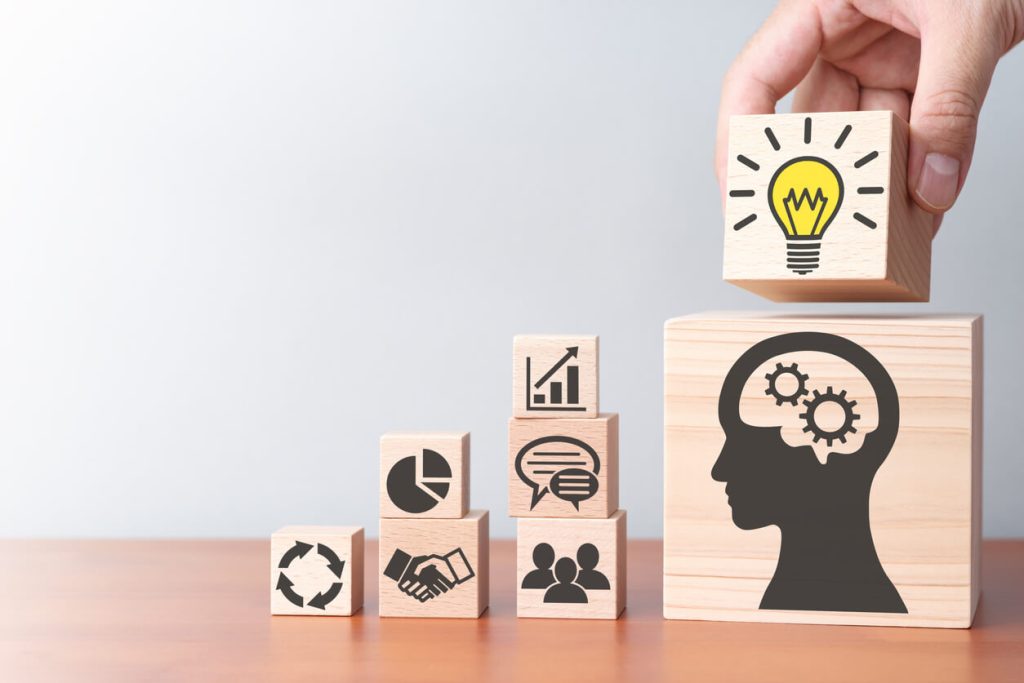
The field of artificial intelligence (AI) has seen rapid advancements in recent years, and one of the most exciting areas of development is multimodal learning. This emerging approach allows AI systems to understand and process information from multiple sources or modalities—such as text, images, audio, and video—simultaneously. By integrating data from different modalities, multimodal learning aims to create more robust, accurate, and context-aware models that can perform a wide range of tasks.

In traditional AI models, learning typically occurs in isolation, where each type of data (e.g., text, image, or sound) is processed separately. However, in the real world, information rarely exists in such isolated forms. Multimodal learning, therefore, seeks to mirror how humans naturally process multiple streams of information to make sense of the world. For example, when people engage in conversations, they simultaneously interpret spoken language (text/audio), facial expressions (images), and even contextual cues (physical or environmental). AI systems that can perform similar cross-modal learning have the potential to outperform traditional univariate models in numerous applications.

This article explores the concepts, techniques, challenges, and future applications of multimodal learning, as well as its potential impact on fields ranging from healthcare to entertainment.

What is Multimodal Learning?

Multimodal learning refers to the process of using multiple modes of input—such as text, images, speech, and sensor data—to improve the understanding of a task or problem. By combining these various data types, multimodal learning aims to develop AI models that are more versatile, robust, and capable of better understanding and interacting with the real world.

Key Components of Multimodal Learning

  • Modalities: In the context of multimodal learning, modalities refer to different types of input data that the model uses. Common modalities include:
    • Text: Natural language processing (NLP) models that analyze written or spoken text.
    • Images: Visual data such as pictures or videos that require computer vision models to interpret.
    • Audio: Speech or sound data analyzed through signal processing or speech recognition.
    • Sensor Data: Information from physical sensors such as motion sensors, temperature sensors, and even biological data.
  • Multimodal Fusion: The process of combining different modalities to create a richer, more informative representation of data. This can be done at various levels—early fusion, late fusion, or hybrid fusion:
    • Early Fusion: Integrating the data from different modalities before the model processes them. For instance, combining text and image data into a single input before feeding it into a deep learning model.
    • Late Fusion: Processing each modality separately and then combining the results of individual models to make a final prediction or decision.
    • Hybrid Fusion: A combination of both early and late fusion strategies, leveraging the strengths of each.
  • Cross-Modal Interaction: This involves the dynamic interaction between different modalities, where information from one modality enhances or modifies the interpretation of another. For example, when a model integrates textual descriptions with visual content (such as a captioned image), the understanding of the image can be more accurate by incorporating the textual context.

Techniques Used in Multimodal Learning

Several AI and machine learning techniques are used to enable multimodal learning, each offering unique benefits in terms of model performance and versatility. Some of the key techniques include:

Deep Learning and Neural Networks

Deep learning models, particularly neural networks, play a significant role in multimodal learning. Convolutional Neural Networks (CNNs), Recurrent Neural Networks (RNNs), and Transformer architectures have proven effective in processing various types of input, from visual data to text and speech. These models are designed to capture complex patterns and relationships within and between different types of data.

  • CNNs for Image Processing: CNNs are the go-to models for computer vision tasks and are widely used to extract features from images. They are capable of recognizing patterns and objects within an image, which is particularly useful when combined with other modalities like text.
  • RNNs and Transformers for Text and Audio: RNNs and transformers are often used for processing sequential data, such as speech and text. RNNs are effective at handling time-series data, while transformers (such as BERT and GPT models) have revolutionized natural language processing due to their ability to capture long-range dependencies and contextual information.

Multimodal Embedding

Multimodal embedding involves representing data from different modalities in a shared space, allowing the model to learn a unified representation. This technique is often used to link textual descriptions with images or videos, creating a more holistic understanding of the data. Multimodal embedding spaces enable the model to perform cross-modal retrieval, such as searching for an image using text or vice versa.

Attention Mechanisms

In multimodal learning, attention mechanisms are essential for prioritizing relevant features across different modalities. This technique allows models to focus on important aspects of each modality while ignoring irrelevant or less important information. Attention is particularly useful when integrating text and images, where different parts of the image and text may carry varying levels of importance for a given task.

Challenges in Multimodal Learning

While multimodal learning holds great promise, it also presents a number of challenges that need to be addressed:

Data Alignment

One of the primary challenges in multimodal learning is aligning data from different modalities. For instance, synchronizing the timing of audio and video in a multimodal dataset can be difficult, especially in real-time applications. Similarly, aligning textual descriptions with images requires precise matching, as slight misalignments can lead to incorrect interpretations.

Scalability

Scaling multimodal learning models to handle large and diverse datasets across multiple modalities can be computationally expensive and complex. The integration of multiple modalities often requires more advanced infrastructure and substantial processing power, especially when dealing with large amounts of unstructured data like videos and speech.

Ambiguity and Redundancy

Different modalities may provide redundant or conflicting information. For example, an image and a caption describing that image may not always align perfectly. Resolving these conflicts and ensuring that the model can deal with ambiguity is a major challenge in multimodal learning.

Generalization Across Modalities

Achieving generalization across different types of data is another hurdle. Models that perform well in one modality may struggle when confronted with another modality that requires different processing techniques. For example, a model trained on image data may not generalize well to text-based tasks without significant adjustments to its architecture.

Applications of Multimodal Learning

Multimodal learning has numerous applications across a variety of fields. Some of the most promising use cases include:

Healthcare and Medicine

In healthcare, multimodal learning can combine medical imaging (e.g., MRI or CT scans), patient records, and even genetic data to improve diagnosis and treatment planning. For instance, AI models that can analyze both radiological images and patient history may be better at diagnosing diseases like cancer or neurological disorders.

Autonomous Vehicles

Self-driving cars rely on multimodal learning to process data from a variety of sensors, including cameras, LIDAR, radar, and GPS. By integrating these different sources of information, autonomous vehicles can navigate more accurately and safely in complex environments.

Human-Computer Interaction

Multimodal learning can enhance user experiences by enabling more natural interactions with AI systems. For instance, virtual assistants and chatbots can use multimodal input (such as voice commands, facial expressions, and gestures) to interpret and respond to user requests in a more human-like manner.

Content Recommendation and Retrieval

Multimodal learning has the potential to revolutionize content recommendation systems by combining data from different sources, such as images, video, and user behavior. For example, a video platform could use both text (video descriptions) and visual cues (thumbnails, scenes) to recommend videos that are more likely to match a user’s interests.

Entertainment and Media

In the entertainment industry, multimodal learning is being used for tasks such as automatic captioning, sentiment analysis of social media, and content generation. By analyzing both video and audio in combination, AI models can generate more accurate and engaging content for users.
The Future of Multimodal Learning

The future of multimodal learning is bright, with ongoing research and development aimed at overcoming existing challenges and expanding its applications. As AI continues to evolve, we can expect multimodal systems to become more sophisticated, with the ability to process and integrate an even wider range of modalities, including sensory data from wearable devices and real-time environmental inputs.

Multimodal Transformers and Beyond

The introduction of transformer architectures like ViT (Vision Transformers) and CLIP (Contrastive Language-Image Pretraining) has already made significant strides in combining text and image data. Future multimodal models will likely continue to push the boundaries of what is possible with these architectures, allowing AI systems to better understand and interact with the world in a more human-like way.

Conclusion

Multimodal learning represents a transformative approach in the field of artificial intelligence, with the potential to revolutionize how machines perceive and understand the world. By integrating data from multiple modalities, AI systems can become more accurate, adaptable, and capable of solving complex tasks. While there are still many challenges to overcome, the future of multimodal learning holds immense promise, and its applications will continue to grow across a wide range of industries.

As the technology matures, the development of more powerful and efficient multimodal systems will open up new possibilities for AI, making it an indispensable tool for industries such as healthcare, autonomous vehicles, entertainment, and beyond.


Tags: Deep learningMultimodal LearningTechnology Trends
ShareTweetShare

Related Posts

Self-Supervised Learning: The Next Big Breakthrough in Deep Learning
Technology Trends

Self-Supervised Learning: The Next Big Breakthrough in Deep Learning

December 5, 2025
Reducing Dependency on Manually Labeled Data: A Game Changer for Training AI Models
Technology Trends

Reducing Dependency on Manually Labeled Data: A Game Changer for Training AI Models

December 3, 2025
Enhancing AI Understanding Through Self-Supervised Learning: Unlocking the Power of Raw Data Representations
Technology Trends

Enhancing AI Understanding Through Self-Supervised Learning: Unlocking the Power of Raw Data Representations

December 2, 2025
Self-Supervised Learning: A Cutting-Edge Trend in the Field of Machine Learning
Technology Trends

Self-Supervised Learning: A Cutting-Edge Trend in the Field of Machine Learning

December 1, 2025
Artificial Intelligence (AI) Has Made Leapfrog Advancements in Recent Years
Technology Trends

Artificial Intelligence (AI) Has Made Leapfrog Advancements in Recent Years

November 30, 2025
AI is Rapidly Transforming Multiple Industries and Driving Innovation at the Cutting Edge of Technology
Technology Trends

AI is Rapidly Transforming Multiple Industries and Driving Innovation at the Cutting Edge of Technology

November 29, 2025
Leave Comment
  • Trending
  • Comments
  • Latest
How Artificial Intelligence is Achieving Revolutionary Breakthroughs in the Healthcare Industry: What Success Stories Teach Us

How Artificial Intelligence is Achieving Revolutionary Breakthroughs in the Healthcare Industry: What Success Stories Teach Us

July 26, 2025
AI in the Financial Sector: Which Innovative Strategies Are Driving Digital Transformation?

AI in the Financial Sector: Which Innovative Strategies Are Driving Digital Transformation?

July 26, 2025
From Beginner to Expert: Which AI Platforms Are Best for Beginners? Experts’ Take on Learning Curves and Practical Applications

From Beginner to Expert: Which AI Platforms Are Best for Beginners? Experts’ Take on Learning Curves and Practical Applications

July 23, 2025
How to Find Truly Useful AI Resources Among the Crowd? Experts Share How to Select Efficient and Innovative Tools!

How to Find Truly Useful AI Resources Among the Crowd? Experts Share How to Select Efficient and Innovative Tools!

July 23, 2025
How Artificial Intelligence Enhances Diagnostic Accuracy and Transforms Treatment Methods in Healthcare

How Artificial Intelligence Enhances Diagnostic Accuracy and Transforms Treatment Methods in Healthcare

How AI Enhances Customer Experience and Drives Sales Growth in Retail

How AI Enhances Customer Experience and Drives Sales Growth in Retail

How Artificial Intelligence Enables Precise Risk Assessment and Decision-Making

How Artificial Intelligence Enables Precise Risk Assessment and Decision-Making

How AI is Driving the Revolution in Smart Manufacturing and Production Efficiency

How AI is Driving the Revolution in Smart Manufacturing and Production Efficiency

The Widespread Adoption of Open Source AI Tools and Frameworks Globally, and Their Role as a Preferred Resource for AI Researchers and Developers

The Widespread Adoption of Open Source AI Tools and Frameworks Globally, and Their Role as a Preferred Resource for AI Researchers and Developers

December 5, 2025
Using AI to Analyze Client Risk Preferences for Personalized Asset Allocation

Using AI to Analyze Client Risk Preferences for Personalized Asset Allocation

December 5, 2025
Human-AI Collaboration: Fei-Fei Li’s Vision of Enhancing Productivity and Creativity Together, Not Simply “Replacing” Humans

Human-AI Collaboration: Fei-Fei Li’s Vision of Enhancing Productivity and Creativity Together, Not Simply “Replacing” Humans

December 5, 2025
Self-Supervised Learning: The Next Big Breakthrough in Deep Learning

Self-Supervised Learning: The Next Big Breakthrough in Deep Learning

December 5, 2025
AIInsiderUpdates

Our platform is dedicated to delivering comprehensive coverage of AI developments, featuring news, case studies, expert interviews, and valuable resources for professionals and enthusiasts alike.

© 2025 aiinsiderupdates.com. contacts:[email protected]

No Result
View All Result
  • Home
  • AI News
  • Technology Trends
  • Interviews & Opinions
  • Case Studies
  • Tools & Resources

© 2025 aiinsiderupdates.com. contacts:[email protected]

Welcome Back!

Login to your account below

Forgotten Password?

Retrieve your password

Please enter your username or email address to reset your password.

Log In