


















Introduction
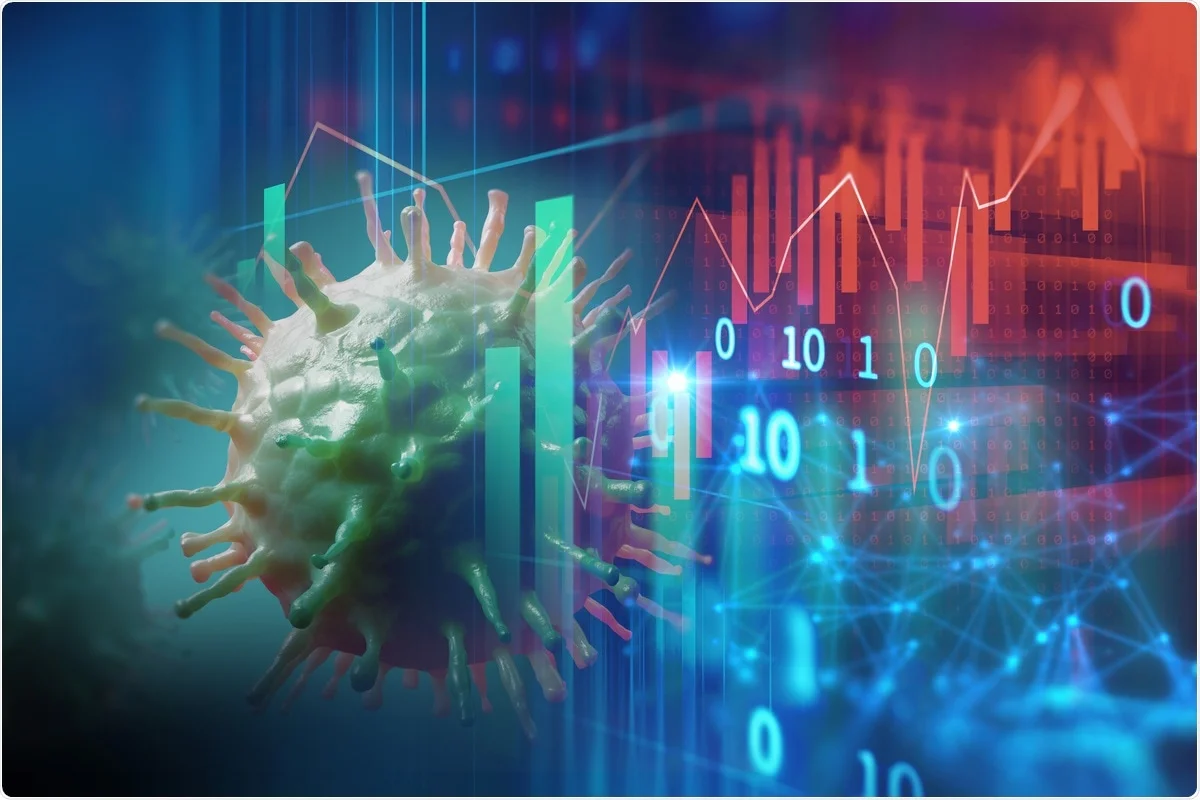
The outbreak of the COVID-19 pandemic in 2019 exposed the fragility of global health systems and underscored the importance of effective pandemic prediction and management. Governments, healthcare organizations, and researchers have faced an unprecedented challenge in combating the spread of the virus, managing its impacts, and minimizing loss of life. However, this crisis also led to the rapid evolution of technologies and methodologies aimed at improving our ability to predict, monitor, and manage pandemics.
In this article, we will explore how modern technology, particularly data analytics, artificial intelligence (AI), epidemiological modeling, and public health strategies, can be used to better predict and manage pandemics. We will examine key advancements, challenges, and lessons learned during the COVID-19 crisis while also discussing how these innovations can prepare us for future pandemics.
1. The Need for Pandemic Prediction and Management
Pandemics, by definition, have a global reach, and they spread quickly, overwhelming health systems, economies, and social structures. Pandemic prediction refers to the ability to foresee the emergence of infectious diseases before they spread widely, while pandemic management encompasses the strategies and measures used to control and mitigate the impact once an outbreak occurs.
Effective prediction and management are critical for several reasons:
- Early Intervention: The earlier a pandemic is predicted, the more time there is for containment measures (e.g., quarantines, travel restrictions, vaccination campaigns) and resource allocation (e.g., medical supplies, healthcare workers) to be implemented.
- Minimizing Economic Impact: Preventing or controlling the spread of infectious diseases can reduce economic disruptions caused by widespread illness and death, business closures, and travel restrictions.
- Reducing Public Health Burden: Effective management minimizes morbidity and mortality by ensuring timely diagnosis, treatment, and preventive interventions.
Pandemic preparedness and management require an interdisciplinary approach, involving public health professionals, data scientists, epidemiologists, policymakers, and technology experts. Advancements in AI, machine learning, and data analytics are playing an increasingly vital role in these areas.
2. Predicting Pandemics: Data-Driven Approaches
2.1. Early Warning Systems
The foundation of effective pandemic prediction lies in the development of early warning systems that can identify potential outbreaks before they escalate into full-scale pandemics. Such systems rely on vast amounts of data, ranging from global disease surveillance, travel patterns, environmental data, and socio-economic factors. These systems use predictive analytics and AI models to analyze trends, detect anomalies, and forecast potential hotspots for outbreaks.
Key tools and methodologies used in predicting pandemics include:
- Global Surveillance Networks: Organizations like the World Health Organization (WHO), Centers for Disease Control and Prevention (CDC), and European Centre for Disease Prevention and Control (ECDC) maintain extensive surveillance networks that track diseases globally. They collect data from hospitals, clinics, and public health institutions to identify emerging diseases and assess the spread of pathogens.
- Epidemiological Modeling: Mathematical and computational models help predict how diseases might spread based on various factors such as transmission rates, incubation periods, and population movement. Models such as the SIR model (Susceptible-Infected-Recovered) and more complex agent-based models simulate disease dynamics, allowing for predictions of future outbreaks and potential intervention strategies.
- Machine Learning and AI: These technologies are increasingly being used to process massive datasets from diverse sources. Machine learning models can learn from historical patterns of disease spread and predict where new outbreaks are likely to occur. AI algorithms can also analyze genomic data to identify potential risks posed by novel pathogens.
Case Study: Predicting the COVID-19 Pandemic
One of the most notable examples of predictive modeling during the COVID-19 pandemic was the use of machine learning models to forecast the virus’s spread. Various organizations, such as Johns Hopkins University, used these models to predict the number of cases and potential impacts on healthcare systems globally. While initial predictions were not always accurate due to the unpredictable nature of the virus, continuous improvements in real-time data processing allowed for more accurate forecasts as the pandemic unfolded.
Additionally, AI-powered platforms such as BlueDot were able to track reports of unusual pneumonia cases in China in December 2019 and issued early warnings about the outbreak, giving authorities a head start in responding.
2.2. Identifying Potential Zoonotic Risks
A significant portion of pandemics, including COVID-19, have originated from zoonotic diseases—infections that are transmitted from animals to humans. Identifying and predicting these risks is a crucial aspect of pandemic prediction. AI and big data can be instrumental in this area by analyzing patterns of zoonotic disease transmission and environmental changes that might increase the likelihood of such cross-species transmission.
For example, AI algorithms can monitor wildlife health data, environmental conditions (such as deforestation or climate change), and human-animal interactions to predict regions at higher risk for the emergence of zoonotic diseases. Genomic sequencing of pathogens is also helping identify new viruses with the potential to spill over into human populations.

3. Managing Pandemics: Real-Time Response and Mitigation
3.1. Real-Time Data Analytics
Once a pandemic begins, real-time data analytics is key to managing the spread of the disease and ensuring an effective response. AI and data analytics allow public health officials to monitor the situation, track disease spread, and allocate resources efficiently.
- Tracking and Mapping: Technologies such as geospatial data systems (e.g., ArcGIS) enable health authorities to track the spatial spread of infections. By mapping cases in real time, health officials can identify hotspots and make data-driven decisions about where to deploy resources such as medical teams, testing centers, and vaccines.
- Forecasting Healthcare Demand: Predictive models can also forecast hospital bed availability, ventilator usage, and personal protective equipment (PPE) needs, enabling hospitals to better prepare for surges in patients.
- Telemedicine and Remote Monitoring: During a pandemic, traditional in-person healthcare visits can be restricted. AI-powered telemedicine systems can assist in virtual consultations, enabling doctors to diagnose and treat patients remotely. Additionally, AI-based wearable devices can monitor patients’ health in real time, alerting healthcare providers if a patient’s condition deteriorates.
3.2. Contact Tracing and Quarantine Measures
Contact tracing plays a crucial role in controlling the spread of infectious diseases. During the COVID-19 pandemic, various digital platforms were developed to assist in contact tracing. AI can automate and optimize the process by analyzing mobile phone data, GPS, and social media activity to identify potential exposure points and at-risk individuals.
- Mobile Apps: Contact tracing apps like the COVID Alert app use Bluetooth technology to track interactions between individuals. AI systems process the data to determine potential exposure risks and alert individuals who may have been in contact with infected persons. While privacy concerns remain, these technologies have shown promise in helping slow the transmission of the virus.
- Social Distancing and Movement Analysis: AI-powered analytics can monitor population movements, ensuring that social distancing measures are adhered to. For example, computer vision algorithms applied to public spaces can track crowd density and assist local governments in enforcing lockdowns and other restrictions.
3.3. Vaccine Development and Distribution
One of the most important aspects of managing a pandemic is the rapid development and equitable distribution of vaccines. The COVID-19 pandemic demonstrated the importance of collaborative vaccine development and AI’s role in speeding up this process.
- Drug Discovery: AI systems such as DeepMind’s AlphaFold have been instrumental in protein structure prediction, which accelerates the process of drug discovery and vaccine development. These models predict the structure of viral proteins, helping researchers understand how viruses behave and identify potential drug candidates.
- Optimizing Supply Chains: AI can optimize the logistics of vaccine distribution by analyzing factors such as production capacity, transportation networks, and population density. It can predict which regions need vaccines most urgently, enabling authorities to distribute doses efficiently.
- Vaccine Tracking: AI-powered platforms track the distribution and administration of vaccines, ensuring that doses are delivered to the right locations and that individuals receive their vaccinations on time.
4. Challenges and Limitations
Despite the promise of AI and data-driven approaches in pandemic prediction and management, there are several challenges:
- Data Quality and Availability: Accurate predictions and effective management rely on high-quality, real-time data. In many parts of the world, data collection is insufficient, fragmented, or unreliable, limiting the effectiveness of AI models.
- Ethical Concerns: Privacy issues arise when using technologies such as contact tracing apps and surveillance systems. Balancing public health needs with individual privacy rights is a major ethical challenge.
- Global Coordination: Pandemics do not recognize national borders. Effective prediction and management require global cooperation and data sharing, which can be hindered by political and economic barriers.
- Model Uncertainty: Epidemiological models are not always accurate, especially in the early stages of an outbreak. AI models rely on historical data, which may not always be applicable to new and emerging diseases.
5. Conclusion
The COVID-19 pandemic has demonstrated the critical importance of predictive analytics and real-time data management in preventing and managing global health crises. AI and other advanced technologies are transforming the way we respond to pandemics, enabling earlier predictions, more effective mitigation strategies, and better resource allocation.
As the world continues to face the threat of pandemics, the ongoing development of AI-driven tools, predictive models, and global health initiatives will play a pivotal role in shaping the future of public health. By leveraging these tools effectively, we can reduce the impact of future pandemics and ensure a more resilient global health system.