












Introduction
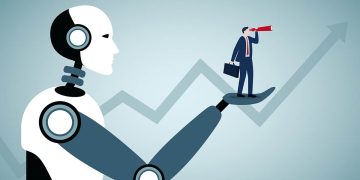
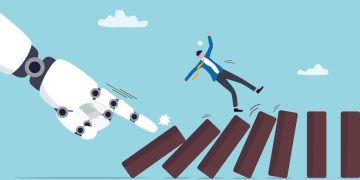
The rapid advancements in artificial intelligence (AI) are reshaping industries across the globe, leading to discussions about the future of work. Many fear that AI and automation will result in widespread job displacement, leaving millions of workers without employment opportunities. However, this fear, while not without merit, overlooks a crucial aspect of technological progress: the creation of new jobs and career paths.
AI has already begun automating certain repetitive and low-skilled tasks, from assembly lines to customer service. At the same time, it is opening up new avenues for jobs that require higher levels of creativity, technical expertise, and problem-solving skills. The future of work, therefore, will not solely be defined by job losses but by a fundamental transformation of the job market—one that will demand new skills, foster innovation, and offer unique career opportunities.
In this article, we will explore the potential impacts of AI on the workforce, analyzing how it may replace certain jobs while simultaneously creating new roles. We will discuss the types of jobs that are most vulnerable to automation, the industries that will benefit from AI-driven innovations, and the skills that workers will need to thrive in an increasingly AI-dominated world.
1. The Impact of AI on Job Displacement
1.1. Automation and Job Losses
AI, powered by machine learning, natural language processing, and robotics, is highly effective at automating repetitive, mundane, and manual tasks. This can significantly reduce the need for human labor in various industries. Some of the sectors most susceptible to automation include:
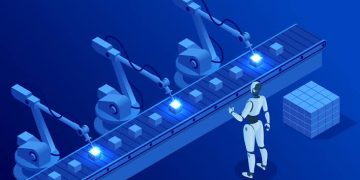
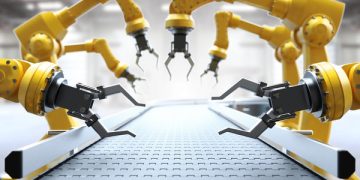
- Manufacturing: With the advent of robotics and AI-driven machinery, tasks such as assembly line work, quality control, and product testing can be automated. Robots can work faster and more accurately than humans in these settings, making many blue-collar jobs obsolete. According to some estimates, around 20-30% of jobs in manufacturing could be replaced by automation in the next decade.
- Retail and Customer Service: AI-driven chatbots and virtual assistants are increasingly capable of handling customer inquiries, product recommendations, and even complex troubleshooting. In retail, self-checkout systems and automated inventory management have already begun replacing cashier and stock clerk positions. These changes may lead to job losses in front-line retail positions, especially in industries that heavily rely on human interaction.
- Transportation and Logistics: The rise of autonomous vehicles (self-driving cars, trucks, and drones) threatens to disrupt the transportation and logistics sectors. Jobs in driving, trucking, and delivery services are particularly vulnerable to automation. Self-driving vehicles are poised to revolutionize the way goods and people are transported, making human drivers largely redundant in certain contexts.
- Data Entry and Administrative Jobs: AI systems, including robotic process automation (RPA), are increasingly capable of handling data entry, document processing, and administrative tasks. In sectors such as finance, insurance, and healthcare, these roles may be at risk as AI technologies become more advanced at handling large volumes of repetitive paperwork.
1.2. The Risks of Job Displacement
While automation promises greater efficiency, productivity, and cost savings, it also raises concerns about mass unemployment, economic inequality, and social disruption. Job displacement can have profound consequences, particularly for workers whose skills are no longer in demand. Displaced workers may face:
- Income Inequality: Job displacement can exacerbate income inequality, especially for workers who lack the skills or resources to transition into new roles. Those who work in industries most affected by automation may struggle to find new opportunities, leading to a growing divide between high-skill, high-wage jobs and low-skill, low-wage jobs.
- Skill Gaps: As AI-driven automation takes over routine tasks, the demand for new skills will rise. Workers will need to acquire higher-order cognitive skills, technical abilities, and creative problem-solving skills to remain competitive in the job market. The speed at which workers can retrain and upskill will play a crucial role in mitigating job displacement.
- Social and Psychological Effects: Job loss due to AI and automation can also lead to psychological distress, social isolation, and a loss of purpose for individuals who derive their sense of identity and pride from their work. Communities that rely heavily on industries at risk of automation may face broader social challenges, including increased unemployment rates and reduced economic mobility.
2. The Creation of New Jobs and Career Paths
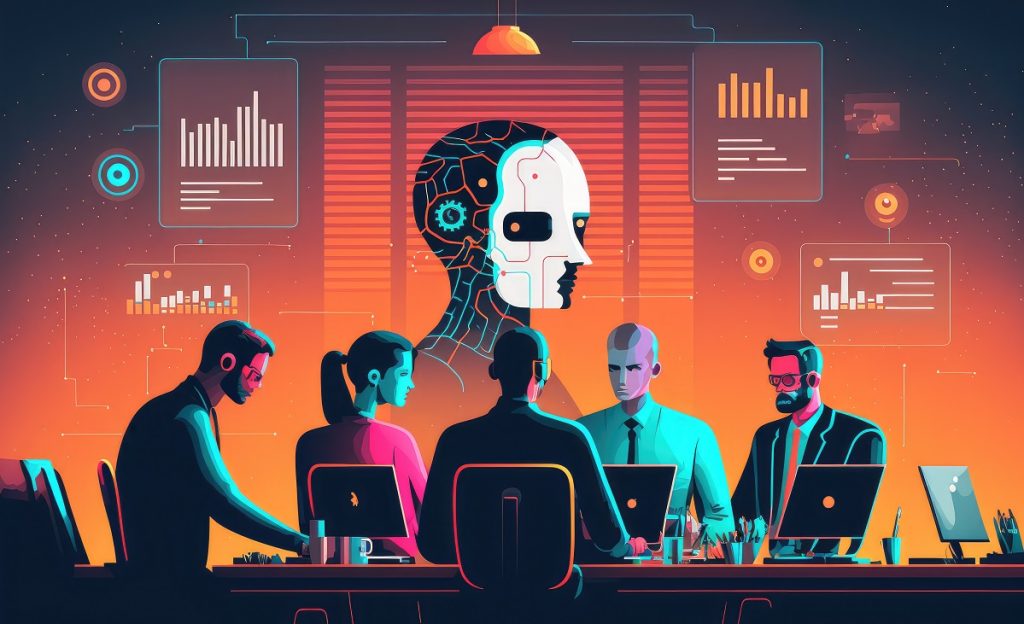
While AI is certainly set to replace certain types of jobs, it is also creating new career opportunities in several emerging fields. The transformation of the job market will lead to the growth of industries that rely on AI technologies and the demand for new skill sets. Let’s examine some of the areas where AI is expected to generate new jobs:
2.1. AI Research and Development
As AI technologies continue to evolve, there will be an increasing demand for professionals who can develop and improve AI systems. This will lead to significant job growth in fields such as:
- Machine Learning Engineers: These professionals specialize in building and deploying machine learning models. They are responsible for designing algorithms that enable AI systems to make predictions, recognize patterns, and learn from data.
- Data Scientists and Analysts: Data scientists will play a critical role in working with large datasets to extract insights that fuel AI systems. They will help design the algorithms that power AI models, ensuring they are accurate and reliable.
- AI Ethics Experts: As AI systems become more integrated into decision-making processes, there will be a growing need for experts in AI ethics and governance. These professionals will help guide the development and deployment of AI technologies in a responsible and ethical manner, ensuring that AI systems align with societal values and do not inadvertently perpetuate biases or discrimination.
2.2. AI in Healthcare and Biotechnology
AI is poised to revolutionize the healthcare and biotechnology industries, driving demand for new roles that merge AI expertise with healthcare knowledge. Some of the emerging job categories in these fields include:
- AI-powered Healthcare Technicians: AI can analyze medical images, predict disease progression, and recommend personalized treatment plans. Healthcare technicians trained in both medical practices and AI systems will be needed to oversee and manage AI-driven diagnostic and therapeutic tools.
- Bioinformatics and Computational Biologists: AI is revolutionizing drug discovery, genomics, and personalized medicine. Bioinformaticians who can combine AI with biological data will play a crucial role in advancing healthcare.
- Telemedicine and AI Integration Specialists: As healthcare increasingly moves online, new roles will emerge in integrating AI into telemedicine platforms, providing healthcare professionals with the tools and resources needed to diagnose and treat patients remotely.
2.3. AI in Creative Industries
While AI is often associated with automation in technical fields, it is also making waves in creative industries like art, music, design, and media. The introduction of AI tools that assist in creative processes is giving rise to entirely new jobs that require a blend of artistic creativity and technical expertise. Examples include:
- AI-Powered Content Creators: AI is increasingly being used to assist in content creation, such as generating music, writing articles, and creating visual art. Professionals who can use AI to enhance creative processes—like generative artists and AI-enhanced content strategists—are becoming more in demand.
- Human-AI Collaboration Facilitators: As AI tools are integrated into creative workflows, professionals will be needed to facilitate collaboration between human creators and AI systems. These roles may include AI-assisted designers, content directors, and creative technologists.
- Virtual Reality (VR) and Augmented Reality (AR) Developers: AI technologies are playing an integral role in the development of immersive digital experiences. VR and AR developers will need to create AI-driven virtual environments and experiences, which will be used in industries ranging from entertainment to education.
2.4. AI in Education and Training
As AI continues to evolve, there will be a growing need for educators, trainers, and mentors who can help individuals develop the skills required for new AI-powered roles. The education sector itself is being transformed by AI, creating new opportunities in:
- AI Trainers: Trainers will be needed to teach individuals how to use AI tools effectively. These roles will span industries, including healthcare, finance, marketing, and manufacturing.
- Curriculum Designers: As AI permeates various fields, educational programs will need to evolve. Curriculum designers specializing in AI, data science, and machine learning will be tasked with creating up-to-date educational materials and courses that help workers gain the skills needed to succeed in AI-centric roles.
3. Reskilling and Upskilling the Workforce
To navigate this rapidly evolving job landscape, reskilling and upskilling will be crucial for workers to remain relevant in the AI-driven economy. Both governments and businesses will play a critical role in supporting workers through training programs and educational initiatives. Key areas for upskilling include:
- Technical Skills: Workers will need to develop technical competencies in fields like machine learning, data science, and software engineering. Hands-on experience with AI frameworks like TensorFlow, PyTorch, and Keras will be essential for those working in tech-related roles.
- Soft Skills: As automation takes over routine tasks, human workers will need to focus on skills that machines cannot replicate, such as creativity, emotional intelligence, problem-solving, and critical thinking. These skills will become more valuable in leadership, decision-making, and customer-facing roles.
- Lifelong Learning: In a rapidly changing job market, continuous learning will be essential. Governments, educational institutions, and employers must create accessible, flexible learning pathways that allow workers to upskill throughout their careers.
4. Conclusion
The rise of AI is undoubtedly transforming the workforce, leading to the automation of certain jobs while simultaneously creating new career opportunities. While some sectors will experience significant job displacement, others will see an increase in demand for high-skill, AI-related positions. The key challenge for societies will be to ensure that workers are equipped with the necessary skills to thrive in this new landscape.
In this new era of AI-driven work, the potential for innovation, creativity, and economic growth is immense. By embracing the opportunities presented by AI, fostering a culture of lifelong learning, and investing in reskilling initiatives, we can ensure that AI not only enhances productivity but also creates a more inclusive and dynamic workforce for the future.