



























AIInsiderUpdates
  • Home
  • AI News
    Global Regulatory Frameworks for AI: Progressing Towards Security, Ethics, Accountability, and Data Protection

    Global Regulatory Frameworks for AI: Progressing Towards Security, Ethics, Accountability, and Data Protection

    International Collaboration: A Key Driver for AI Technology Standards and Ecosystem Development

    International Collaboration: A Key Driver for AI Technology Standards and Ecosystem Development

    Industry-Leading AI Companies and Cloud Service Providers

    Industry-Leading AI Companies and Cloud Service Providers

    An Increasing Number of Enterprises Integrating AI into Core Strategy

    An Increasing Number of Enterprises Integrating AI into Core Strategy

    Large Model Providers and Enterprises in Speech & NLP Continue Expanding Application Scenarios

    Large Model Providers and Enterprises in Speech & NLP Continue Expanding Application Scenarios

    Breakthrough Advances in AI for Complex Perception and Reasoning Tasks

    Breakthrough Advances in AI for Complex Perception and Reasoning Tasks

  • Technology Trends
    AI Explainability and Ethics: Balancing Transparency, Accountability, and Trust in AI Systems

    AI Explainability and Ethics: Balancing Transparency, Accountability, and Trust in AI Systems

    Multimodal AI: Revolutionizing Data Integration and Understanding

    Multimodal AI: Revolutionizing Data Integration and Understanding

    Smart Manufacturing and Industrial AI

    Smart Manufacturing and Industrial AI

    Multilingual Understanding and Generation, Especially in Non-English Language Contexts: A Global Innovation Frontier

    Multilingual Understanding and Generation, Especially in Non-English Language Contexts: A Global Innovation Frontier

    AI Systems Are No Longer Limited to Single Inputs: The Rise of Multimodal AI

    AI Systems Are No Longer Limited to Single Inputs: The Rise of Multimodal AI

    Optimizing Transformer and Self-Attention Architectures to Enhance Model Expressiveness

    Optimizing Transformer and Self-Attention Architectures to Enhance Model Expressiveness

  • Interviews & Opinions
    Human-Machine Collaboration and Trend Prediction: The Future of Work and Decision-Making

    Human-Machine Collaboration and Trend Prediction: The Future of Work and Decision-Making

    Despite AI Automation Enhancements, Human Contribution Remains Unmatched in Data Creation and Cultural Context Understanding

    Despite AI Automation Enhancements, Human Contribution Remains Unmatched in Data Creation and Cultural Context Understanding

    Investment Bubbles and Risk Management: Diverging Perspectives

    Investment Bubbles and Risk Management: Diverging Perspectives

    CEO Perspectives on AI Data Contribution and the Role of Humans

    CEO Perspectives on AI Data Contribution and the Role of Humans

    Differences Between Academic and Public Perspectives on AI: Bridging the Gap

    Differences Between Academic and Public Perspectives on AI: Bridging the Gap

    AI Technology is No Longer Just a Tool: It Has Become a Core Component of Enterprise Competitiveness

    AI Technology is No Longer Just a Tool: It Has Become a Core Component of Enterprise Competitiveness

  • Case Studies
    Multidimensional Applications of AI in the Digital Transformation of Manufacturing

    Multidimensional Applications of AI in the Digital Transformation of Manufacturing

    AI Customer Service Bots and Smart Advisors: Helping Banks Reduce Human Customer Support Costs While Enhancing Response Efficiency, User Engagement, and Satisfaction

    AI Customer Service Bots and Smart Advisors: Helping Banks Reduce Human Customer Support Costs While Enhancing Response Efficiency, User Engagement, and Satisfaction

    Personalized Recommendation and Inventory Optimization

    Personalized Recommendation and Inventory Optimization

    How Retailers Use AI Models to Predict Sales Trends and Optimize Inventory Levels

    How Retailers Use AI Models to Predict Sales Trends and Optimize Inventory Levels

    AI Not Only Enhances Diagnostic Capabilities but Also Significantly Improves Backend Healthcare Services

    AI Not Only Enhances Diagnostic Capabilities but Also Significantly Improves Backend Healthcare Services

    AI in Manufacturing: Achieving Significant Cost Savings and Efficiency Improvements

    AI in Manufacturing: Achieving Significant Cost Savings and Efficiency Improvements

  • Tools & Resources
    Real-World Testing and Efficiency Evaluation of Emerging Technological Trends

    Real-World Testing and Efficiency Evaluation of Emerging Technological Trends

    Auxiliary AI Toolset: Enhancing Productivity, Innovation, and Problem Solving Across Industries

    Auxiliary AI Toolset: Enhancing Productivity, Innovation, and Problem Solving Across Industries

    Dataset Preprocessing and Labeling Strategies: A Resource Guide

    Dataset Preprocessing and Labeling Strategies: A Resource Guide

    Recommended Open Source Model Trade-Off Strategies

    Recommended Open Source Model Trade-Off Strategies

    Practical Roadmap: End-to-End Experience from Model Training to Deployment

    Practical Roadmap: End-to-End Experience from Model Training to Deployment

    Scalability and Performance Optimization: Insights and Best Practices

    Scalability and Performance Optimization: Insights and Best Practices

AIInsiderUpdates
  • Home
  • AI News
    Global Regulatory Frameworks for AI: Progressing Towards Security, Ethics, Accountability, and Data Protection

    Global Regulatory Frameworks for AI: Progressing Towards Security, Ethics, Accountability, and Data Protection

    International Collaboration: A Key Driver for AI Technology Standards and Ecosystem Development

    International Collaboration: A Key Driver for AI Technology Standards and Ecosystem Development

    Industry-Leading AI Companies and Cloud Service Providers

    Industry-Leading AI Companies and Cloud Service Providers

    An Increasing Number of Enterprises Integrating AI into Core Strategy

    An Increasing Number of Enterprises Integrating AI into Core Strategy

    Large Model Providers and Enterprises in Speech & NLP Continue Expanding Application Scenarios

    Large Model Providers and Enterprises in Speech & NLP Continue Expanding Application Scenarios

    Breakthrough Advances in AI for Complex Perception and Reasoning Tasks

    Breakthrough Advances in AI for Complex Perception and Reasoning Tasks

  • Technology Trends
    AI Explainability and Ethics: Balancing Transparency, Accountability, and Trust in AI Systems

    AI Explainability and Ethics: Balancing Transparency, Accountability, and Trust in AI Systems

    Multimodal AI: Revolutionizing Data Integration and Understanding

    Multimodal AI: Revolutionizing Data Integration and Understanding

    Smart Manufacturing and Industrial AI

    Smart Manufacturing and Industrial AI

    Multilingual Understanding and Generation, Especially in Non-English Language Contexts: A Global Innovation Frontier

    Multilingual Understanding and Generation, Especially in Non-English Language Contexts: A Global Innovation Frontier

    AI Systems Are No Longer Limited to Single Inputs: The Rise of Multimodal AI

    AI Systems Are No Longer Limited to Single Inputs: The Rise of Multimodal AI

    Optimizing Transformer and Self-Attention Architectures to Enhance Model Expressiveness

    Optimizing Transformer and Self-Attention Architectures to Enhance Model Expressiveness

  • Interviews & Opinions
    Human-Machine Collaboration and Trend Prediction: The Future of Work and Decision-Making

    Human-Machine Collaboration and Trend Prediction: The Future of Work and Decision-Making

    Despite AI Automation Enhancements, Human Contribution Remains Unmatched in Data Creation and Cultural Context Understanding

    Despite AI Automation Enhancements, Human Contribution Remains Unmatched in Data Creation and Cultural Context Understanding

    Investment Bubbles and Risk Management: Diverging Perspectives

    Investment Bubbles and Risk Management: Diverging Perspectives

    CEO Perspectives on AI Data Contribution and the Role of Humans

    CEO Perspectives on AI Data Contribution and the Role of Humans

    Differences Between Academic and Public Perspectives on AI: Bridging the Gap

    Differences Between Academic and Public Perspectives on AI: Bridging the Gap

    AI Technology is No Longer Just a Tool: It Has Become a Core Component of Enterprise Competitiveness

    AI Technology is No Longer Just a Tool: It Has Become a Core Component of Enterprise Competitiveness

  • Case Studies
    Multidimensional Applications of AI in the Digital Transformation of Manufacturing

    Multidimensional Applications of AI in the Digital Transformation of Manufacturing

    AI Customer Service Bots and Smart Advisors: Helping Banks Reduce Human Customer Support Costs While Enhancing Response Efficiency, User Engagement, and Satisfaction

    AI Customer Service Bots and Smart Advisors: Helping Banks Reduce Human Customer Support Costs While Enhancing Response Efficiency, User Engagement, and Satisfaction

    Personalized Recommendation and Inventory Optimization

    Personalized Recommendation and Inventory Optimization

    How Retailers Use AI Models to Predict Sales Trends and Optimize Inventory Levels

    How Retailers Use AI Models to Predict Sales Trends and Optimize Inventory Levels

    AI Not Only Enhances Diagnostic Capabilities but Also Significantly Improves Backend Healthcare Services

    AI Not Only Enhances Diagnostic Capabilities but Also Significantly Improves Backend Healthcare Services

    AI in Manufacturing: Achieving Significant Cost Savings and Efficiency Improvements

    AI in Manufacturing: Achieving Significant Cost Savings and Efficiency Improvements

  • Tools & Resources
    Real-World Testing and Efficiency Evaluation of Emerging Technological Trends

    Real-World Testing and Efficiency Evaluation of Emerging Technological Trends

    Auxiliary AI Toolset: Enhancing Productivity, Innovation, and Problem Solving Across Industries

    Auxiliary AI Toolset: Enhancing Productivity, Innovation, and Problem Solving Across Industries

    Dataset Preprocessing and Labeling Strategies: A Resource Guide

    Dataset Preprocessing and Labeling Strategies: A Resource Guide

    Recommended Open Source Model Trade-Off Strategies

    Recommended Open Source Model Trade-Off Strategies

    Practical Roadmap: End-to-End Experience from Model Training to Deployment

    Practical Roadmap: End-to-End Experience from Model Training to Deployment

    Scalability and Performance Optimization: Insights and Best Practices

    Scalability and Performance Optimization: Insights and Best Practices

AIInsiderUpdates
No Result
View All Result

AI in Supply Chain Management: Enhancing Efficiency and Transparency

March 5, 2025
AI in Supply Chain Management: Enhancing Efficiency and Transparency

The supply chain is a complex, interconnected system that includes suppliers, manufacturers, distributors, retailers, and customers. Efficient management of this system is crucial for businesses to remain competitive, ensure timely delivery, and reduce costs. Over the years, artificial intelligence (AI) has emerged as a transformative force in supply chain management. By harnessing AI technologies, businesses can streamline their supply chain operations, optimize logistics, and enhance transparency. This article explores how AI is revolutionizing supply chain management, enhancing efficiency, and providing deeper insights for better decision-making.

1. The Evolution of AI in Supply Chain Management

AI’s integration into supply chain management represents a shift from traditional systems and manual operations to data-driven, autonomous decision-making processes. Early stages of supply chain management were heavily dependent on spreadsheets, manual forecasting, and basic inventory systems. However, these methods were prone to errors, inefficiencies, and delays.

With AI, organizations can now leverage advanced technologies such as machine learning, predictive analytics, and natural language processing to automate tasks, optimize resources, and improve performance. These innovations are not just helping businesses reduce costs but are also increasing the speed, agility, and flexibility of their supply chain operations.

2. Demand Forecasting and Inventory Management: AI for Smarter Decision-Making

One of the most critical functions in supply chain management is demand forecasting. Accurate demand forecasting ensures that businesses can meet customer needs without overstocking or understocking inventory. Traditional demand forecasting relied on historical data and human judgment, which often led to inaccurate predictions.

a) Machine Learning for Predictive Analytics

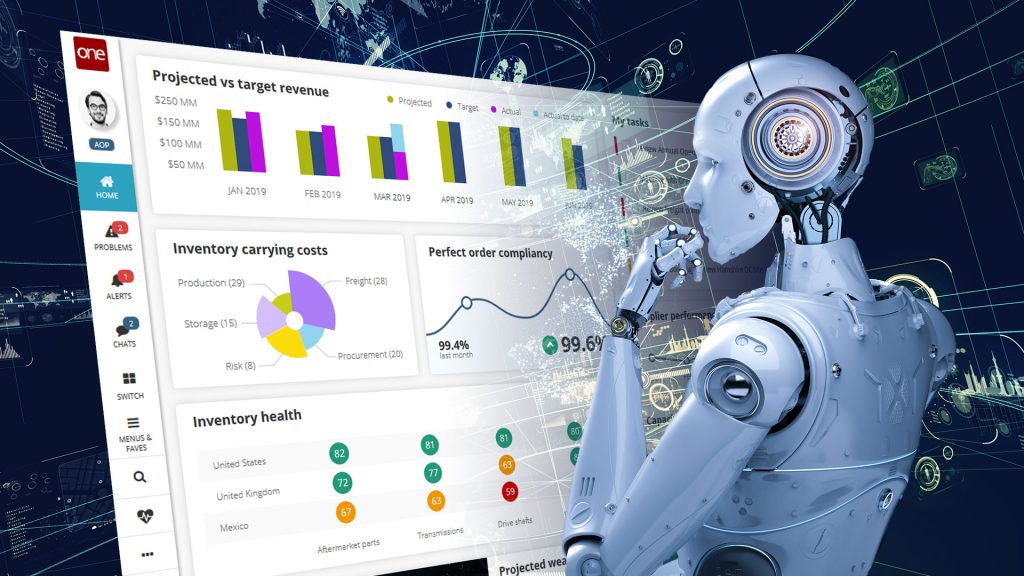
AI-powered predictive analytics uses machine learning algorithms to analyze vast amounts of historical data and identify patterns that human analysts may miss. By analyzing past sales data, market trends, weather patterns, and other relevant factors, AI systems can predict demand with greater accuracy. This allows businesses to optimize inventory levels, avoid stockouts or overstocking, and reduce inventory holding costs.

For instance, large retail companies use AI to predict customer purchasing patterns based on real-time data, ensuring that the right products are available at the right time. By continuously updating predictions based on new data, AI systems provide a dynamic and evolving forecast that improves with each iteration.

b) Automated Inventory Management

AI also plays a crucial role in inventory management. With AI, businesses can automate the process of tracking inventory, ordering stock, and replenishing supplies when needed. Using technologies like the Internet of Things (IoT) and sensors, AI can monitor stock levels in real time and trigger automatic reorders when inventory reaches a predetermined threshold. This reduces human error, improves efficiency, and ensures that businesses always have the right products available without excessive waste.

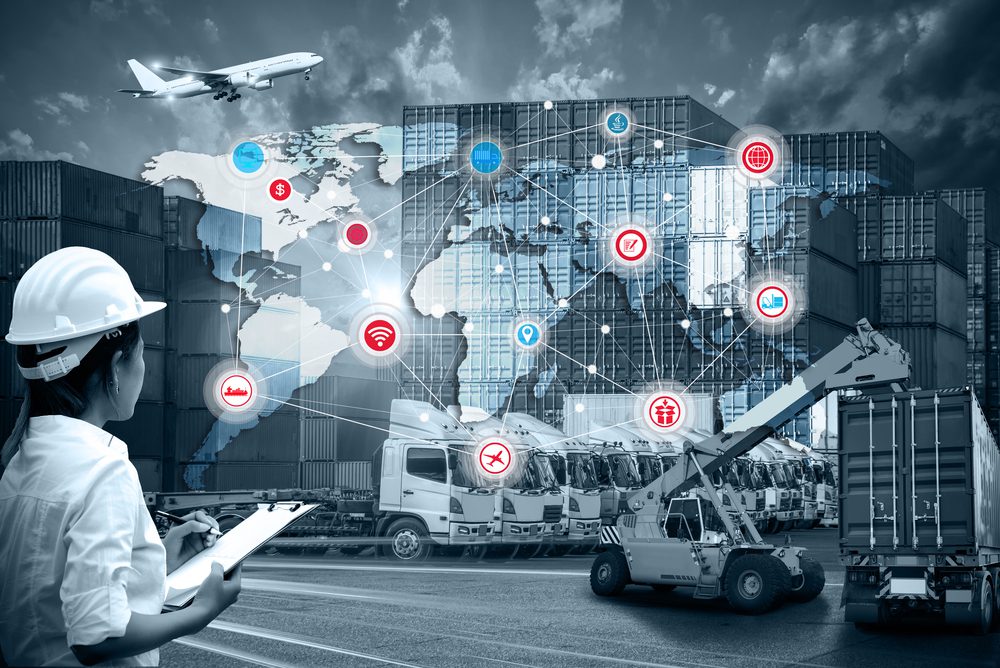
3. Route Optimization and Delivery Efficiency: AI in Logistics

Logistics and transportation are critical components of supply chain management. Ensuring timely deliveries while minimizing costs is a constant challenge for businesses. AI is transforming the logistics sector by providing tools for route optimization, reducing transportation costs, and increasing delivery speed.

a) AI for Route Optimization

AI-powered route optimization tools leverage real-time data, including traffic patterns, weather forecasts, and road conditions, to calculate the most efficient delivery routes. These tools enable logistics companies to minimize fuel consumption, reduce delivery times, and increase operational efficiency. For instance, AI systems can dynamically adjust delivery routes based on changing traffic conditions, ensuring that products are delivered on time and at a lower cost.

b) Autonomous Vehicles and Drones

In addition to route optimization, AI is driving the development of autonomous vehicles and drones that can handle deliveries more efficiently. Self-driving trucks and delivery drones powered by AI can operate around the clock, reducing the need for human drivers and minimizing the risk of accidents. These technologies also enable faster delivery, particularly for smaller items that can be shipped using drones.

While still in the early stages of adoption, autonomous delivery systems hold the potential to revolutionize the logistics industry, reducing costs, and enhancing delivery speed, particularly in last-mile delivery.
4. Enhancing Supply Chain Transparency with AI

Supply chain transparency refers to the ability to track products from raw materials through to the final consumer. With increasing concerns around sustainability, ethical sourcing, and consumer trust, transparency is becoming an essential element of supply chain management.

a) Blockchain and AI for Transparency

AI is playing a significant role in enhancing supply chain transparency by integrating with blockchain technology. Blockchain provides an immutable and transparent record of transactions, while AI can be used to analyze and visualize the data stored on the blockchain. Together, these technologies create a secure, transparent, and efficient way to track goods across the supply chain.

For example, AI-powered blockchain systems enable consumers to track the entire journey of a product, from sourcing raw materials to its arrival on store shelves. This level of transparency ensures that companies can prove their commitment to ethical practices, sustainability, and product quality.

b) Real-Time Tracking and Monitoring

AI-driven IoT sensors and RFID tags are enabling real-time tracking of goods throughout the supply chain. These sensors collect data on location, temperature, humidity, and other relevant factors that can impact product quality. By combining this data with AI algorithms, businesses can gain a deeper understanding of their supply chain operations and make informed decisions.

For instance, in the food and beverage industry, AI-powered monitoring systems can track the temperature of perishable goods in transit, ensuring that products maintain quality during transportation. Real-time tracking also helps businesses identify potential bottlenecks or delays, enabling proactive interventions to prevent disruptions.

5. AI for Risk Management: Identifying and Mitigating Disruptions

Supply chain disruptions—whether caused by natural disasters, geopolitical events, or pandemics—can have significant financial and operational impacts. AI offers powerful tools for identifying risks and mitigating potential disruptions before they affect the supply chain.

a) Predictive Risk Management

AI-driven predictive analytics can help supply chain managers identify potential risks by analyzing historical data and recognizing early warning signs. For example, AI can assess geopolitical risks by analyzing news articles, social media, and historical data on trade disruptions. This allows businesses to plan for potential disruptions, such as changing tariffs, labor strikes, or natural disasters.

AI systems can also predict supply chain bottlenecks by analyzing production and transportation data. By identifying potential delays early, businesses can take preventive measures, such as finding alternative suppliers or rerouting shipments.

b) AI for Crisis Response

When disruptions occur, AI can assist in crisis response by providing real-time insights and recommendations for recovery. AI systems can analyze the data from affected regions and help supply chain managers make informed decisions about how to reroute shipments, adjust production schedules, and manage inventory during the disruption. The ability to respond quickly and effectively can minimize the financial impact of supply chain disruptions.

6. The Future of AI in Supply Chain Management

As AI technologies continue to evolve, their impact on supply chain management is expected to grow. In the future, AI will play an even more significant role in areas such as:

a) Autonomous Supply Chains

AI has the potential to create fully autonomous supply chains that operate with minimal human intervention. These autonomous systems would manage inventory, forecast demand, optimize logistics, and respond to disruptions in real-time. By creating self-sustaining supply chains, businesses could improve efficiency, reduce costs, and increase resilience to disruptions.

b) AI-Driven Sustainability

Sustainability is becoming an increasingly important factor in supply chain management. AI can help businesses achieve their sustainability goals by optimizing resource use, reducing waste, and minimizing carbon footprints. For example, AI-powered tools can help companies identify environmentally friendly sourcing options, optimize transportation routes to reduce fuel consumption, and monitor energy usage across the supply chain.

Conclusion: The Power of AI in Transforming Supply Chain Management

AI has already begun to reshape the landscape of supply chain management, offering solutions to age-old challenges such as demand forecasting, inventory management, logistics optimization, and risk management. By integrating AI into supply chain operations, businesses can enhance efficiency, improve transparency, and respond more effectively to disruptions.

As AI technologies continue to evolve, their role in supply chain management will only grow more significant. Businesses that embrace AI innovations will be better equipped to navigate the complexities of the modern supply chain, gaining a competitive edge and positioning themselves for long-term success.


Tags: AI for logisticsAI in supply chainAI inventory management
ShareTweetShare

Related Posts

AI Explainability and Ethics: Balancing Transparency, Accountability, and Trust in AI Systems
Technology Trends

AI Explainability and Ethics: Balancing Transparency, Accountability, and Trust in AI Systems

January 21, 2026
Global Regulatory Frameworks for AI: Progressing Towards Security, Ethics, Accountability, and Data Protection
AI News

Global Regulatory Frameworks for AI: Progressing Towards Security, Ethics, Accountability, and Data Protection

January 21, 2026
Multimodal AI: Revolutionizing Data Integration and Understanding
Technology Trends

Multimodal AI: Revolutionizing Data Integration and Understanding

January 20, 2026
International Collaboration: A Key Driver for AI Technology Standards and Ecosystem Development
AI News

International Collaboration: A Key Driver for AI Technology Standards and Ecosystem Development

January 20, 2026
Smart Manufacturing and Industrial AI
Technology Trends

Smart Manufacturing and Industrial AI

January 19, 2026
Industry-Leading AI Companies and Cloud Service Providers
AI News

Industry-Leading AI Companies and Cloud Service Providers

January 19, 2026
Leave Comment
  • Trending
  • Comments
  • Latest
How Artificial Intelligence is Achieving Revolutionary Breakthroughs in the Healthcare Industry: What Success Stories Teach Us

How Artificial Intelligence is Achieving Revolutionary Breakthroughs in the Healthcare Industry: What Success Stories Teach Us

July 26, 2025
AI in the Financial Sector: Which Innovative Strategies Are Driving Digital Transformation?

AI in the Financial Sector: Which Innovative Strategies Are Driving Digital Transformation?

July 26, 2025
From Beginner to Expert: Which AI Platforms Are Best for Beginners? Experts’ Take on Learning Curves and Practical Applications

From Beginner to Expert: Which AI Platforms Are Best for Beginners? Experts’ Take on Learning Curves and Practical Applications

July 23, 2025
How to Find Truly Useful AI Resources Among the Crowd? Experts Share How to Select Efficient and Innovative Tools!

How to Find Truly Useful AI Resources Among the Crowd? Experts Share How to Select Efficient and Innovative Tools!

July 23, 2025
How Artificial Intelligence Enhances Diagnostic Accuracy and Transforms Treatment Methods in Healthcare

How Artificial Intelligence Enhances Diagnostic Accuracy and Transforms Treatment Methods in Healthcare

How AI Enhances Customer Experience and Drives Sales Growth in Retail

How AI Enhances Customer Experience and Drives Sales Growth in Retail

How Artificial Intelligence Enables Precise Risk Assessment and Decision-Making

How Artificial Intelligence Enables Precise Risk Assessment and Decision-Making

How AI is Driving the Revolution in Smart Manufacturing and Production Efficiency

How AI is Driving the Revolution in Smart Manufacturing and Production Efficiency

Real-World Testing and Efficiency Evaluation of Emerging Technological Trends

Real-World Testing and Efficiency Evaluation of Emerging Technological Trends

January 21, 2026
Multidimensional Applications of AI in the Digital Transformation of Manufacturing

Multidimensional Applications of AI in the Digital Transformation of Manufacturing

January 21, 2026
Human-Machine Collaboration and Trend Prediction: The Future of Work and Decision-Making

Human-Machine Collaboration and Trend Prediction: The Future of Work and Decision-Making

January 21, 2026
AI Explainability and Ethics: Balancing Transparency, Accountability, and Trust in AI Systems

AI Explainability and Ethics: Balancing Transparency, Accountability, and Trust in AI Systems

January 21, 2026
AIInsiderUpdates

Our platform is dedicated to delivering comprehensive coverage of AI developments, featuring news, case studies, expert interviews, and valuable resources for professionals and enthusiasts alike.

© 2025 aiinsiderupdates.com. contacts:[email protected]

No Result
View All Result
  • Home
  • AI News
  • Technology Trends
  • Interviews & Opinions
  • Case Studies
  • Tools & Resources

© 2025 aiinsiderupdates.com. contacts:[email protected]

Welcome Back!

Login to your account below

Forgotten Password?

Retrieve your password

Please enter your username or email address to reset your password.

Log In