






















AIInsiderUpdates
  • Home
  • AI News
    Global Regulatory Frameworks for AI: Progressing Towards Security, Ethics, Accountability, and Data Protection

    Global Regulatory Frameworks for AI: Progressing Towards Security, Ethics, Accountability, and Data Protection

    International Collaboration: A Key Driver for AI Technology Standards and Ecosystem Development

    International Collaboration: A Key Driver for AI Technology Standards and Ecosystem Development

    Industry-Leading AI Companies and Cloud Service Providers

    Industry-Leading AI Companies and Cloud Service Providers

    An Increasing Number of Enterprises Integrating AI into Core Strategy

    An Increasing Number of Enterprises Integrating AI into Core Strategy

    Large Model Providers and Enterprises in Speech & NLP Continue Expanding Application Scenarios

    Large Model Providers and Enterprises in Speech & NLP Continue Expanding Application Scenarios

    Breakthrough Advances in AI for Complex Perception and Reasoning Tasks

    Breakthrough Advances in AI for Complex Perception and Reasoning Tasks

  • Technology Trends
    AI Explainability and Ethics: Balancing Transparency, Accountability, and Trust in AI Systems

    AI Explainability and Ethics: Balancing Transparency, Accountability, and Trust in AI Systems

    Multimodal AI: Revolutionizing Data Integration and Understanding

    Multimodal AI: Revolutionizing Data Integration and Understanding

    Smart Manufacturing and Industrial AI

    Smart Manufacturing and Industrial AI

    Multilingual Understanding and Generation, Especially in Non-English Language Contexts: A Global Innovation Frontier

    Multilingual Understanding and Generation, Especially in Non-English Language Contexts: A Global Innovation Frontier

    AI Systems Are No Longer Limited to Single Inputs: The Rise of Multimodal AI

    AI Systems Are No Longer Limited to Single Inputs: The Rise of Multimodal AI

    Optimizing Transformer and Self-Attention Architectures to Enhance Model Expressiveness

    Optimizing Transformer and Self-Attention Architectures to Enhance Model Expressiveness

  • Interviews & Opinions
    Human-Machine Collaboration and Trend Prediction: The Future of Work and Decision-Making

    Human-Machine Collaboration and Trend Prediction: The Future of Work and Decision-Making

    Despite AI Automation Enhancements, Human Contribution Remains Unmatched in Data Creation and Cultural Context Understanding

    Despite AI Automation Enhancements, Human Contribution Remains Unmatched in Data Creation and Cultural Context Understanding

    Investment Bubbles and Risk Management: Diverging Perspectives

    Investment Bubbles and Risk Management: Diverging Perspectives

    CEO Perspectives on AI Data Contribution and the Role of Humans

    CEO Perspectives on AI Data Contribution and the Role of Humans

    Differences Between Academic and Public Perspectives on AI: Bridging the Gap

    Differences Between Academic and Public Perspectives on AI: Bridging the Gap

    AI Technology is No Longer Just a Tool: It Has Become a Core Component of Enterprise Competitiveness

    AI Technology is No Longer Just a Tool: It Has Become a Core Component of Enterprise Competitiveness

  • Case Studies
    Multidimensional Applications of AI in the Digital Transformation of Manufacturing

    Multidimensional Applications of AI in the Digital Transformation of Manufacturing

    AI Customer Service Bots and Smart Advisors: Helping Banks Reduce Human Customer Support Costs While Enhancing Response Efficiency, User Engagement, and Satisfaction

    AI Customer Service Bots and Smart Advisors: Helping Banks Reduce Human Customer Support Costs While Enhancing Response Efficiency, User Engagement, and Satisfaction

    Personalized Recommendation and Inventory Optimization

    Personalized Recommendation and Inventory Optimization

    How Retailers Use AI Models to Predict Sales Trends and Optimize Inventory Levels

    How Retailers Use AI Models to Predict Sales Trends and Optimize Inventory Levels

    AI Not Only Enhances Diagnostic Capabilities but Also Significantly Improves Backend Healthcare Services

    AI Not Only Enhances Diagnostic Capabilities but Also Significantly Improves Backend Healthcare Services

    AI in Manufacturing: Achieving Significant Cost Savings and Efficiency Improvements

    AI in Manufacturing: Achieving Significant Cost Savings and Efficiency Improvements

  • Tools & Resources
    Real-World Testing and Efficiency Evaluation of Emerging Technological Trends

    Real-World Testing and Efficiency Evaluation of Emerging Technological Trends

    Auxiliary AI Toolset: Enhancing Productivity, Innovation, and Problem Solving Across Industries

    Auxiliary AI Toolset: Enhancing Productivity, Innovation, and Problem Solving Across Industries

    Dataset Preprocessing and Labeling Strategies: A Resource Guide

    Dataset Preprocessing and Labeling Strategies: A Resource Guide

    Recommended Open Source Model Trade-Off Strategies

    Recommended Open Source Model Trade-Off Strategies

    Practical Roadmap: End-to-End Experience from Model Training to Deployment

    Practical Roadmap: End-to-End Experience from Model Training to Deployment

    Scalability and Performance Optimization: Insights and Best Practices

    Scalability and Performance Optimization: Insights and Best Practices

AIInsiderUpdates
  • Home
  • AI News
    Global Regulatory Frameworks for AI: Progressing Towards Security, Ethics, Accountability, and Data Protection

    Global Regulatory Frameworks for AI: Progressing Towards Security, Ethics, Accountability, and Data Protection

    International Collaboration: A Key Driver for AI Technology Standards and Ecosystem Development

    International Collaboration: A Key Driver for AI Technology Standards and Ecosystem Development

    Industry-Leading AI Companies and Cloud Service Providers

    Industry-Leading AI Companies and Cloud Service Providers

    An Increasing Number of Enterprises Integrating AI into Core Strategy

    An Increasing Number of Enterprises Integrating AI into Core Strategy

    Large Model Providers and Enterprises in Speech & NLP Continue Expanding Application Scenarios

    Large Model Providers and Enterprises in Speech & NLP Continue Expanding Application Scenarios

    Breakthrough Advances in AI for Complex Perception and Reasoning Tasks

    Breakthrough Advances in AI for Complex Perception and Reasoning Tasks

  • Technology Trends
    AI Explainability and Ethics: Balancing Transparency, Accountability, and Trust in AI Systems

    AI Explainability and Ethics: Balancing Transparency, Accountability, and Trust in AI Systems

    Multimodal AI: Revolutionizing Data Integration and Understanding

    Multimodal AI: Revolutionizing Data Integration and Understanding

    Smart Manufacturing and Industrial AI

    Smart Manufacturing and Industrial AI

    Multilingual Understanding and Generation, Especially in Non-English Language Contexts: A Global Innovation Frontier

    Multilingual Understanding and Generation, Especially in Non-English Language Contexts: A Global Innovation Frontier

    AI Systems Are No Longer Limited to Single Inputs: The Rise of Multimodal AI

    AI Systems Are No Longer Limited to Single Inputs: The Rise of Multimodal AI

    Optimizing Transformer and Self-Attention Architectures to Enhance Model Expressiveness

    Optimizing Transformer and Self-Attention Architectures to Enhance Model Expressiveness

  • Interviews & Opinions
    Human-Machine Collaboration and Trend Prediction: The Future of Work and Decision-Making

    Human-Machine Collaboration and Trend Prediction: The Future of Work and Decision-Making

    Despite AI Automation Enhancements, Human Contribution Remains Unmatched in Data Creation and Cultural Context Understanding

    Despite AI Automation Enhancements, Human Contribution Remains Unmatched in Data Creation and Cultural Context Understanding

    Investment Bubbles and Risk Management: Diverging Perspectives

    Investment Bubbles and Risk Management: Diverging Perspectives

    CEO Perspectives on AI Data Contribution and the Role of Humans

    CEO Perspectives on AI Data Contribution and the Role of Humans

    Differences Between Academic and Public Perspectives on AI: Bridging the Gap

    Differences Between Academic and Public Perspectives on AI: Bridging the Gap

    AI Technology is No Longer Just a Tool: It Has Become a Core Component of Enterprise Competitiveness

    AI Technology is No Longer Just a Tool: It Has Become a Core Component of Enterprise Competitiveness

  • Case Studies
    Multidimensional Applications of AI in the Digital Transformation of Manufacturing

    Multidimensional Applications of AI in the Digital Transformation of Manufacturing

    AI Customer Service Bots and Smart Advisors: Helping Banks Reduce Human Customer Support Costs While Enhancing Response Efficiency, User Engagement, and Satisfaction

    AI Customer Service Bots and Smart Advisors: Helping Banks Reduce Human Customer Support Costs While Enhancing Response Efficiency, User Engagement, and Satisfaction

    Personalized Recommendation and Inventory Optimization

    Personalized Recommendation and Inventory Optimization

    How Retailers Use AI Models to Predict Sales Trends and Optimize Inventory Levels

    How Retailers Use AI Models to Predict Sales Trends and Optimize Inventory Levels

    AI Not Only Enhances Diagnostic Capabilities but Also Significantly Improves Backend Healthcare Services

    AI Not Only Enhances Diagnostic Capabilities but Also Significantly Improves Backend Healthcare Services

    AI in Manufacturing: Achieving Significant Cost Savings and Efficiency Improvements

    AI in Manufacturing: Achieving Significant Cost Savings and Efficiency Improvements

  • Tools & Resources
    Real-World Testing and Efficiency Evaluation of Emerging Technological Trends

    Real-World Testing and Efficiency Evaluation of Emerging Technological Trends

    Auxiliary AI Toolset: Enhancing Productivity, Innovation, and Problem Solving Across Industries

    Auxiliary AI Toolset: Enhancing Productivity, Innovation, and Problem Solving Across Industries

    Dataset Preprocessing and Labeling Strategies: A Resource Guide

    Dataset Preprocessing and Labeling Strategies: A Resource Guide

    Recommended Open Source Model Trade-Off Strategies

    Recommended Open Source Model Trade-Off Strategies

    Practical Roadmap: End-to-End Experience from Model Training to Deployment

    Practical Roadmap: End-to-End Experience from Model Training to Deployment

    Scalability and Performance Optimization: Insights and Best Practices

    Scalability and Performance Optimization: Insights and Best Practices

AIInsiderUpdates
No Result
View All Result

Can AI Predict the Future? Experts Weigh In on Data’s Power

February 19, 2025
Can AI Predict the Future? Experts Weigh In on Data’s Power

Insights from Statisticians and AI Specialists on How Predictive Analytics Will Change Industries

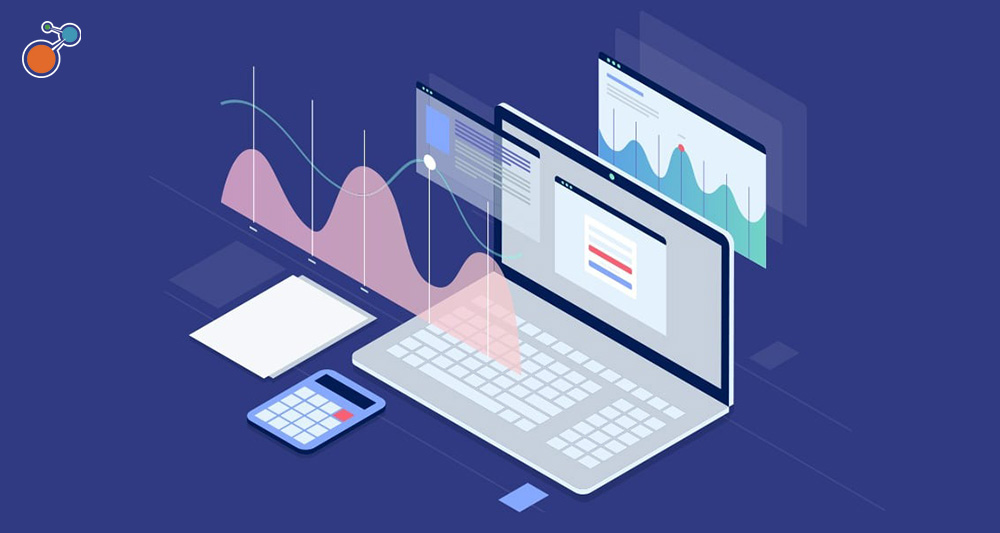
Predictive analytics, powered by artificial intelligence (AI), is transforming how industries approach decision-making, forecasting, and strategic planning. By analyzing massive datasets and uncovering patterns, AI is enabling businesses to predict future trends and outcomes with unprecedented accuracy. But how reliable are these predictions, and what role will AI play in shaping the future of various industries?

To better understand the power of predictive analytics, we spoke to statisticians and AI specialists who are at the forefront of this technological revolution. Their insights shed light on how predictive AI is already changing industries and how it will continue to evolve.

Dr. Sarah Martinez, a statistician and data scientist at Stanford University, explains that predictive analytics has evolved significantly in recent years. “AI and machine learning algorithms can now analyze vast amounts of data in real-time, identifying trends that would have been impossible for humans to detect,” she says. “The power of these models lies in their ability to learn from historical data and predict future outcomes with a high degree of accuracy.”

In industries such as retail, AI-powered predictive models can forecast customer behavior, helping businesses personalize their marketing efforts and optimize inventory management. “By predicting what products customers are likely to buy, when they’ll buy them, and how much they’ll spend, AI allows companies to make data-driven decisions that improve profitability and customer satisfaction,” Dr. Martinez adds.

Predictive analytics is also making waves in industries like logistics and transportation. AI models can predict traffic patterns, optimize delivery routes, and forecast demand for transportation services, leading to more efficient operations. In the energy sector, predictive analytics can help optimize power grids, forecast energy demand, and even predict equipment failures before they happen.

Dr. Michael Reynolds, an AI researcher at MIT, emphasizes that predictive analytics is not just about spotting trends—it’s about understanding and anticipating the factors that drive those trends. “AI models can identify correlations between variables that might be hidden from human analysts,” he explains. “For example, an AI model could predict how changes in the economy, weather patterns, and consumer behavior might collectively influence demand for a particular product.”

However, Dr. Reynolds also cautions that predictive models are only as good as the data they are trained on. “Biases in the data or missing variables can skew predictions, leading to inaccurate forecasts. It’s essential for businesses to ensure that their data is clean, representative, and up-to-date to ensure the accuracy of AI predictions.”

How Accurate is AI in Forecasting Trends in Finance, Health, and Other Sectors?

While AI’s ability to forecast trends has shown great promise, questions remain about how accurate these predictions truly are. How reliable is AI when it comes to forecasting trends in high-stakes industries like finance, healthcare, and energy? And what challenges do AI models face in producing reliable predictions?

In the financial sector, predictive analytics has revolutionized how investors and traders make decisions. AI models can analyze market trends, historical data, and economic indicators to predict the direction of stock prices, currency values, and commodity prices. Dr. Reynolds explains, “In finance, AI is already being used to detect patterns in market data and make predictions about future price movements. These models can take into account a wide range of factors, from geopolitical events to investor sentiment, to generate forecasts with a level of accuracy that was previously unattainable.”

However, the volatility and complexity of financial markets mean that even the most advanced AI models cannot predict the future with complete certainty. “Financial markets are influenced by many unpredictable factors—political events, natural disasters, and sudden shifts in investor sentiment, for example,” Dr. Reynolds says. “While AI models can make highly informed predictions based on historical data, there will always be an element of uncertainty when it comes to forecasting market movements.”

In healthcare, predictive analytics is increasingly being used to improve patient outcomes, reduce costs, and streamline operations. AI models can predict the likelihood of a patient developing a certain condition based on factors such as genetics, lifestyle, and medical history. For example, AI is being used to predict the likelihood of a patient developing heart disease or diabetes, enabling earlier intervention and more personalized care.

Dr. Martinez highlights that AI’s accuracy in healthcare predictions depends on the quality and quantity of the data. “The more data we have about a patient’s health, the better the AI model will be at making accurate predictions. However, there are challenges in integrating data from different sources, such as electronic health records, wearables, and genetic data,” she says. “Data privacy and ethical concerns also play a role in the implementation of AI models in healthcare.”

Despite these challenges, AI is already making a significant impact in healthcare. For instance, AI models are being used to predict the likelihood of readmission for patients after surgery, helping hospitals allocate resources more efficiently and reduce costs. “Predictive models are also being used in drug discovery and clinical trials to identify promising candidates and predict patient responses,” Dr. Martinez adds.

In other sectors, such as energy and manufacturing, AI’s ability to predict demand, optimize production, and prevent equipment failures is driving operational efficiencies. In energy, AI is helping predict fluctuations in power consumption, allowing utilities to better manage energy grids and reduce waste. In manufacturing, AI models can predict when machines are likely to break down, reducing downtime and maintenance costs.

Despite the many successes of AI in these industries, Dr. Martinez warns that there are still limitations. “Predictive models are not foolproof,” she says. “They are designed to make informed predictions based on data patterns, but there are always unforeseen variables—like market shocks or medical anomalies—that can impact the accuracy of forecasts.”

Moreover, AI’s predictions are not static. “AI models are constantly evolving,” Dr. Reynolds explains. “They learn from new data and adapt over time, which is one of the reasons why AI-powered predictions are often more accurate than traditional methods. However, they also require continuous monitoring and adjustments to ensure that they remain relevant and accurate in changing environments.”

The Future of Predictive Analytics: Can AI Truly Predict the Future?

As AI continues to advance, the potential for predictive analytics to shape industries and drive innovation is vast. From forecasting stock prices to predicting patient outcomes, AI is already transforming how we approach data analysis and decision-making. However, while AI has made tremendous strides, experts agree that we are still in the early stages of fully realizing its predictive capabilities.

Dr. Martinez believes that the future of predictive analytics will involve even greater integration of AI across industries. “As AI becomes more advanced and data sources continue to grow, we will see even more accurate and granular predictions in fields like healthcare, finance, and energy,” she says. “The key will be ensuring that we have the right data and the right models in place to make the most of AI’s potential.”

Ultimately, while AI can’t predict every aspect of the future with perfect accuracy, its ability to identify trends, forecast outcomes, and provide actionable insights is revolutionizing industries and decision-making processes across the globe. As AI models continue to evolve, their predictions will become more refined, helping businesses and individuals make smarter, more informed decisions.


Tags: AI in financeAI in healthcareforecasting trendsmachine learningpredictive analytics
ShareTweetShare

Related Posts

Human-Machine Collaboration and Trend Prediction: The Future of Work and Decision-Making
Interviews & Opinions

Human-Machine Collaboration and Trend Prediction: The Future of Work and Decision-Making

January 21, 2026
Global Regulatory Frameworks for AI: Progressing Towards Security, Ethics, Accountability, and Data Protection
AI News

Global Regulatory Frameworks for AI: Progressing Towards Security, Ethics, Accountability, and Data Protection

January 21, 2026
Despite AI Automation Enhancements, Human Contribution Remains Unmatched in Data Creation and Cultural Context Understanding
Interviews & Opinions

Despite AI Automation Enhancements, Human Contribution Remains Unmatched in Data Creation and Cultural Context Understanding

January 20, 2026
International Collaboration: A Key Driver for AI Technology Standards and Ecosystem Development
AI News

International Collaboration: A Key Driver for AI Technology Standards and Ecosystem Development

January 20, 2026
Investment Bubbles and Risk Management: Diverging Perspectives
Interviews & Opinions

Investment Bubbles and Risk Management: Diverging Perspectives

January 19, 2026
Industry-Leading AI Companies and Cloud Service Providers
AI News

Industry-Leading AI Companies and Cloud Service Providers

January 19, 2026
Leave Comment
  • Trending
  • Comments
  • Latest
How Artificial Intelligence is Achieving Revolutionary Breakthroughs in the Healthcare Industry: What Success Stories Teach Us

How Artificial Intelligence is Achieving Revolutionary Breakthroughs in the Healthcare Industry: What Success Stories Teach Us

July 26, 2025
AI in the Financial Sector: Which Innovative Strategies Are Driving Digital Transformation?

AI in the Financial Sector: Which Innovative Strategies Are Driving Digital Transformation?

July 26, 2025
From Beginner to Expert: Which AI Platforms Are Best for Beginners? Experts’ Take on Learning Curves and Practical Applications

From Beginner to Expert: Which AI Platforms Are Best for Beginners? Experts’ Take on Learning Curves and Practical Applications

July 23, 2025
How to Find Truly Useful AI Resources Among the Crowd? Experts Share How to Select Efficient and Innovative Tools!

How to Find Truly Useful AI Resources Among the Crowd? Experts Share How to Select Efficient and Innovative Tools!

July 23, 2025
How Artificial Intelligence Enhances Diagnostic Accuracy and Transforms Treatment Methods in Healthcare

How Artificial Intelligence Enhances Diagnostic Accuracy and Transforms Treatment Methods in Healthcare

How AI Enhances Customer Experience and Drives Sales Growth in Retail

How AI Enhances Customer Experience and Drives Sales Growth in Retail

How Artificial Intelligence Enables Precise Risk Assessment and Decision-Making

How Artificial Intelligence Enables Precise Risk Assessment and Decision-Making

How AI is Driving the Revolution in Smart Manufacturing and Production Efficiency

How AI is Driving the Revolution in Smart Manufacturing and Production Efficiency

Real-World Testing and Efficiency Evaluation of Emerging Technological Trends

Real-World Testing and Efficiency Evaluation of Emerging Technological Trends

January 21, 2026
Multidimensional Applications of AI in the Digital Transformation of Manufacturing

Multidimensional Applications of AI in the Digital Transformation of Manufacturing

January 21, 2026
Human-Machine Collaboration and Trend Prediction: The Future of Work and Decision-Making

Human-Machine Collaboration and Trend Prediction: The Future of Work and Decision-Making

January 21, 2026
AI Explainability and Ethics: Balancing Transparency, Accountability, and Trust in AI Systems

AI Explainability and Ethics: Balancing Transparency, Accountability, and Trust in AI Systems

January 21, 2026
AIInsiderUpdates

Our platform is dedicated to delivering comprehensive coverage of AI developments, featuring news, case studies, expert interviews, and valuable resources for professionals and enthusiasts alike.

© 2025 aiinsiderupdates.com. contacts:[email protected]

No Result
View All Result
  • Home
  • AI News
  • Technology Trends
  • Interviews & Opinions
  • Case Studies
  • Tools & Resources

© 2025 aiinsiderupdates.com. contacts:[email protected]

Welcome Back!

Login to your account below

Forgotten Password?

Retrieve your password

Please enter your username or email address to reset your password.

Log In