





























Introduction
Artificial Intelligence (AI) has made a profound impact across various industries, ranging from healthcare and finance to transportation and entertainment. Its ability to automate processes, optimize decision-making, and analyze massive datasets has fueled both innovation and economic growth. However, as AI technologies evolve and become more integral to modern society, so do the concerns surrounding their security, ethical implications, accountability, and data privacy.
The rapid advancement of AI has raised important questions about how to regulate these technologies to ensure that they are developed and used responsibly. Governments, international organizations, and industry leaders have increasingly recognized the need to establish regulatory frameworks that address these concerns and guide the future of AI development.
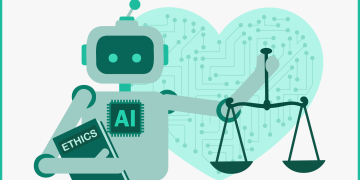
This article explores the global efforts to create robust regulatory frameworks for AI, with a focus on security, ethics, accountability, and data protection. It discusses the key principles, existing regulations, and challenges that countries face in shaping policies that can manage the complexities of AI while fostering innovation and trust.
The Need for Regulatory Frameworks in AI
1. AI’s Growing Impact on Society
AI technologies have proven their worth across industries by increasing efficiency, enhancing predictive analytics, and enabling new forms of automation. For instance, in healthcare, AI-driven systems are diagnosing diseases, offering personalized treatments, and accelerating drug discovery. In finance, algorithms predict market trends, optimize investment portfolios, and identify fraudulent transactions. Similarly, in transportation, AI powers autonomous vehicles that promise to reshape the future of mobility.
However, these advancements also come with significant risks and challenges. AI systems can sometimes make decisions that are opaque, biased, or unethical, leading to unintended consequences. Moreover, the use of AI involves large-scale data collection and processing, raising concerns about data privacy and cybersecurity. As AI becomes more pervasive, regulatory frameworks are needed to ensure that these technologies are deployed responsibly and safely.
2. The Risks and Ethical Challenges of AI
While AI has enormous potential, it also introduces various ethical and societal risks:
- Bias and fairness: AI algorithms, if not carefully designed, can perpetuate or exacerbate existing biases, particularly in areas like hiring, criminal justice, and loan approvals.
- Transparency and explainability: Many AI models, particularly those based on deep learning, operate as “black boxes,” meaning their decision-making processes are not transparent or easily understood. This lack of transparency can hinder accountability and trust.
- Autonomy and control: As AI systems become more autonomous, questions about who is responsible for their actions arise. For instance, if an autonomous vehicle causes an accident, who is liable: the manufacturer, the AI developer, or the operator?
- Privacy and data security: AI systems often require vast amounts of personal and sensitive data to function effectively. Ensuring that this data is used responsibly and protected from breaches is crucial.
In light of these challenges, the development of AI regulations is essential to safeguard against harmful outcomes and to align AI development with societal values.

Key Areas of Focus in AI Regulation
1. AI Security
As AI systems become more integrated into critical infrastructures such as healthcare, finance, and national security, ensuring the security of these technologies becomes a top priority. AI security can be broken down into two primary concerns:
- Protection from malicious attacks: AI systems are vulnerable to attacks such as adversarial machine learning, where attackers manipulate the input data to cause the system to make incorrect decisions. Regulators must establish protocols for detecting and defending against such attacks.
- System reliability: AI systems must be robust and reliable, especially in high-stakes environments. This requires establishing standards for performance, testing, and verification to ensure that AI behaves predictably and safely in all situations.
Various countries and organizations have recognized AI’s security challenges and are working toward building frameworks to address them. For example:
- The European Union (EU) has proposed the Artificial Intelligence Act, which includes provisions for AI risk categories, security measures, and transparency requirements.
- In the United States, the National Institute of Standards and Technology (NIST) has developed guidelines for AI security, focusing on risk management, testing, and securing AI systems from exploitation.
2. Ethical Guidelines for AI
Ethical concerns related to AI are a driving force behind the establishment of regulatory frameworks. These concerns touch on issues such as fairness, accountability, and transparency:
- Fairness: AI systems can unintentionally discriminate against certain demographic groups, especially if trained on biased data. This can lead to systemic inequalities in areas such as hiring, lending, and criminal justice. Regulations are needed to ensure that AI systems are fair, equitable, and unbiased.
- Accountability: In cases where AI systems make decisions that negatively affect individuals or groups, who is responsible for those decisions? Is it the developer, the user, or the AI itself? Regulatory frameworks must define clear lines of accountability for AI decisions, especially when those decisions have significant consequences.
- Transparency: AI systems must be designed with transparency in mind so that stakeholders can understand how decisions are being made. This involves creating standards for explainable AI, ensuring that AI models and their outcomes are interpretable and understandable to non-experts.
Several global initiatives are attempting to address the ethical challenges posed by AI:
- The OECD (Organisation for Economic Co-operation and Development) has developed AI principles that emphasize fairness, transparency, and accountability.
- The European Commission has proposed the Ethics Guidelines for Trustworthy AI, which focus on ensuring that AI is designed and used in ways that respect fundamental rights, promote diversity, and enhance societal well-being.
3. Defining Liability and Accountability
AI introduces new challenges in terms of liability. When an AI system makes a decision or takes an action that leads to harm, determining who is responsible can be complex:
- Product liability: Who is liable if an autonomous vehicle causes an accident? Should the manufacturer, the software developer, or the user be held accountable?
- Negligence: If an AI system is used in a medical setting and causes harm due to a malfunction or inadequate training, who should be held responsible? Should there be liability for the company that deployed the system, the healthcare provider, or the AI system developers?
As AI systems become more autonomous, there is an urgent need for regulatory bodies to define clear guidelines for liability and accountability. This includes creating frameworks that hold AI developers and deployers accountable while ensuring that consumers are protected from harm.
4. Data Protection and Privacy
AI systems require massive datasets to function effectively. This data often includes personal and sensitive information, which raises significant concerns about privacy and data protection:
- Data breaches: AI systems are attractive targets for cybercriminals. A breach could expose sensitive data, leading to identity theft, financial loss, or privacy violations.
- Data ownership and consent: Individuals need to have clear rights regarding their data, including the ability to consent to its use in AI systems and to revoke consent at any time.
- Data minimization: AI systems should only collect the data necessary for their function and avoid excessive data harvesting.
Several regulations and frameworks have been introduced globally to address these concerns:
- The General Data Protection Regulation (GDPR) in the European Union is one of the most comprehensive data protection laws. It provides individuals with control over their data, mandates transparency from organizations, and imposes penalties for non-compliance.
- In the United States, data privacy laws such as California Consumer Privacy Act (CCPA) give individuals the right to access, delete, and opt-out of the sale of their data.
Regulatory bodies are now working to ensure that AI systems comply with these privacy laws while enabling innovation and the development of AI technologies.
Global Regulatory Initiatives
1. European Union
The European Union has taken a leadership role in developing AI regulations that focus on safety, ethics, and privacy:
- The EU Artificial Intelligence Act is a groundbreaking regulation that classifies AI systems based on risk levels (low, high, or critical) and establishes clear rules for each category. It includes provisions for data governance, transparency, and accountability.
- The General Data Protection Regulation (GDPR) is also key to AI regulation in the EU, ensuring data privacy and security in AI applications.
2. United States
In the United States, AI regulation is primarily industry-driven, with some federal initiatives aimed at promoting ethical AI development:
- The National Artificial Intelligence Initiative Act of 2020 established a coordinated national AI strategy, with a focus on advancing research and development, promoting AI standards, and addressing ethics and transparency.
- NIST has published guidelines for AI security and reliability, helping to establish best practices for AI development.
3. China
China has made significant strides in AI development and is moving towards regulatory frameworks to guide its AI industry:
- The China Artificial Intelligence Standardization White Paper outlines key principles for AI development, including safety, security, and ethical considerations.
- The China Cybersecurity Law and Data Security Law emphasize data protection and cybersecurity, which are integral to the responsible development of AI technologies.
4. Global Collaborations
International organizations such as the OECD, UNESCO, and the World Economic Forum (WEF) are collaborating to establish global norms and standards for AI. These organizations are promoting international cooperation on AI ethics, governance, and regulation, ensuring that AI benefits are maximized while minimizing risks.
Conclusion
The global regulatory landscape for AI is evolving rapidly, with increasing recognition of the need to address issues of security, ethics, accountability, and data protection. As AI technologies continue to grow in sophistication and impact, it is essential that regulatory frameworks adapt to ensure that these technologies are developed and deployed responsibly.
Governments, industries, and international bodies must continue to collaborate to create regulations that balance the benefits of AI with the need for transparency, fairness, and privacy protection. The future of AI depends on creating a regulatory environment that fosters innovation while protecting the rights and well-being of individuals and society as a whole.