






















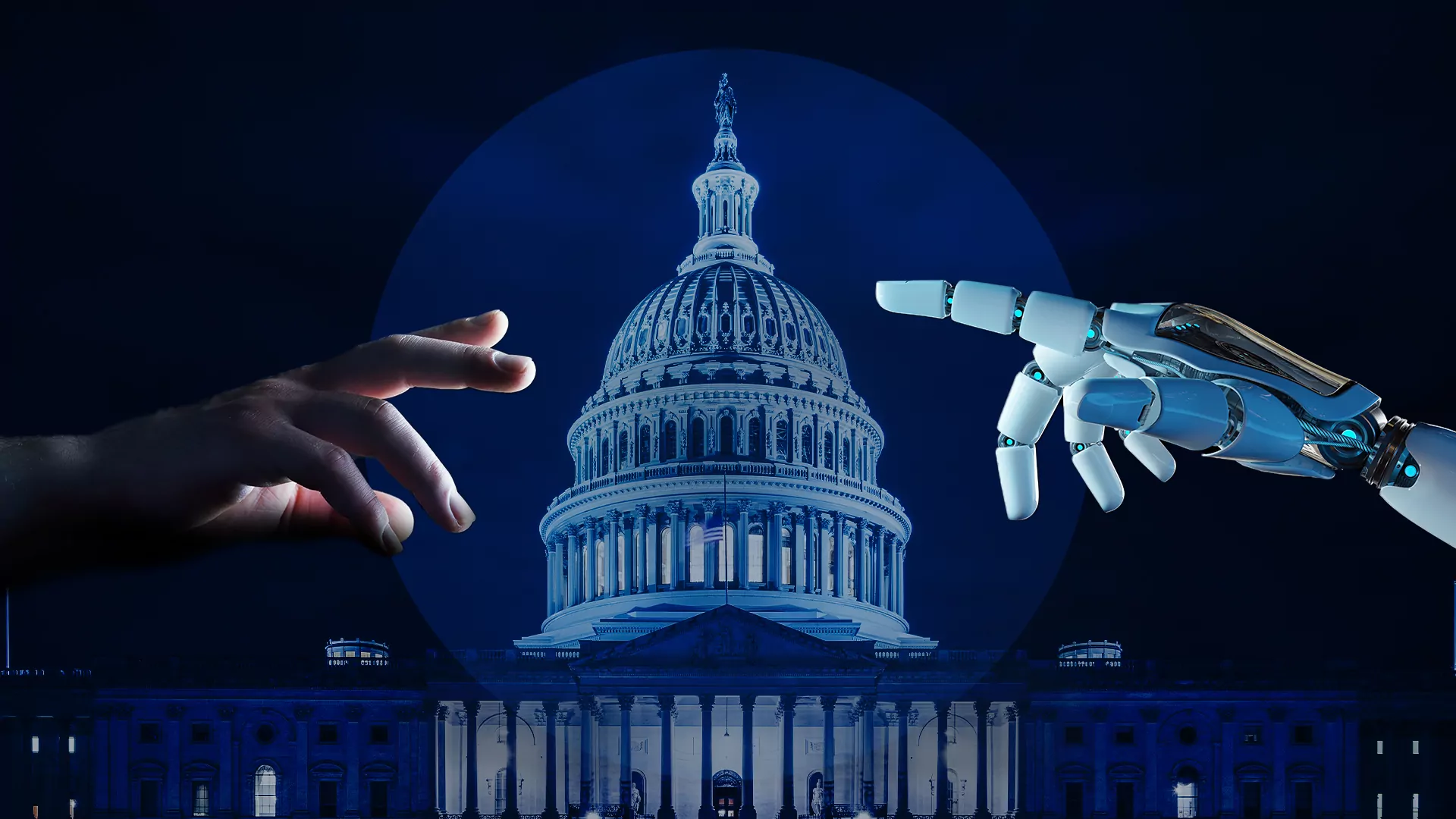
Artificial Intelligence (AI) is no longer confined to private-sector innovation; it has become an essential tool for governments and nonprofit organizations seeking to enhance public service efficiency, reduce operational costs, and improve citizen engagement. From automating routine administrative tasks to enabling data-driven policy-making, AI offers unprecedented opportunities to modernize public services. This article examines expert insights into AI adoption in the public and nonprofit sectors, illustrating key use cases, technological strategies, challenges, ethical considerations, and future directions.
1. Introduction: The AI Imperative in Public Service
Governments and nonprofit organizations operate under increasing pressure to deliver high-quality services while optimizing resource allocation. Traditional processes often rely on manual labor, fragmented systems, and delayed decision-making. AI introduces capabilities that address these inefficiencies by automating repetitive tasks, analyzing large datasets, predicting citizen needs, and facilitating transparent, evidence-based governance.
Key benefits of AI adoption in the public and nonprofit sectors include:
- Operational Efficiency: Reducing processing times for administrative and service tasks.
- Data-Driven Decision-Making: Leveraging analytics to inform policy and program design.
- Enhanced Citizen Experience: Providing faster, personalized, and accessible services.
- Cost Optimization: Automating labor-intensive processes and improving resource allocation.
2. AI Applications in Government
2.1 Administrative Automation
- Document Processing: Natural language processing (NLP) automates review, classification, and summarization of forms, permits, and correspondence.
- Case Management: AI systems prioritize and route citizen requests efficiently.
- Expert Insight: Automation reduces human error and frees staff to focus on higher-value tasks.
2.2 Predictive Analytics for Public Policy
- Resource Allocation: AI predicts areas of high demand for healthcare, social services, or infrastructure investment.
- Crisis Response: Predictive models identify populations at risk during pandemics, natural disasters, or social unrest.
- Expert Insight: Governments can proactively address public needs rather than responding reactively.
2.3 Smart Cities and Urban Management
- Traffic Optimization: AI analyzes real-time traffic data to adjust signals and reduce congestion.
- Energy Management: AI optimizes municipal energy usage and reduces waste.
- Public Safety: Predictive policing tools help allocate law enforcement resources efficiently.
- Expert Insight: Integrated AI systems enable cities to operate more sustainably and responsively.
2.4 Citizen Services and Engagement
- Virtual Assistants: Chatbots answer frequently asked questions, schedule appointments, and guide users through government portals.
- Multilingual Support: NLP enables inclusive service provision for diverse populations.
- Feedback Analysis: AI analyzes citizen feedback from surveys, social media, and service interactions to improve programs.
3. AI in Nonprofit Organizations
3.1 Fundraising and Donor Engagement
- Predictive Donor Analytics: AI identifies potential high-value donors and predicts giving patterns.
- Personalized Campaigns: Targeted messaging and recommendation systems enhance engagement and contribution rates.
- Expert Insight: AI-driven fundraising increases efficiency while deepening donor relationships.
3.2 Program Delivery and Monitoring
- Impact Assessment: Machine learning evaluates program effectiveness using historical and real-time data.
- Resource Optimization: AI recommends optimal allocation of volunteers, funding, and supplies.
- Expert Insight: Nonprofits can maximize social impact with limited resources by leveraging predictive insights.
3.3 Crisis Response and Humanitarian Aid
- Disaster Prediction and Relief: AI models predict the impact of natural disasters and optimize the distribution of aid.
- Refugee and Vulnerable Populations: Predictive analytics identify areas of greatest need and target interventions.
- Expert Insight: AI enables nonprofits to act quickly, efficiently, and with measurable outcomes during crises.

4. Emerging AI Technologies Driving Public Service Efficiency
4.1 Machine Learning and Deep Learning
- Used for predictive modeling, pattern recognition, and decision support.
- Applications: predicting healthcare demand, crime hotspots, and educational interventions.
4.2 Natural Language Processing (NLP)
- Automates document review, sentiment analysis, and citizen communications.
- Applications: chatbots, multilingual services, policy summarization, and regulatory compliance.
4.3 Computer Vision
- Analyzes visual data from public infrastructure, transportation networks, and urban spaces.
- Applications: traffic monitoring, environmental compliance, and emergency response.
4.4 Robotic Process Automation (RPA)
- Automates repetitive administrative tasks such as billing, licensing, and records management.
- Expert Insight: RPA reduces manual labor, improves accuracy, and accelerates service delivery.
4.5 AI-Powered Decision Support Systems
- Integrates predictive models, optimization algorithms, and scenario analysis.
- Applications: budget allocation, emergency planning, and policy evaluation.
5. Case Studies
5.1 Singapore: Smart Nation Initiative
- Overview: Singapore leverages AI to optimize urban services, including traffic management, energy usage, and public safety.
- Impact: Reduced congestion, improved energy efficiency, and enhanced citizen engagement through digital platforms.
5.2 UNICEF: AI for Child Protection
- Overview: Machine learning models analyze social data to identify children at risk of exploitation or abuse.
- Impact: Nonprofits can intervene proactively and allocate resources effectively to vulnerable populations.
5.3 European Union: Fraud Detection in Public Spending
- Overview: AI systems detect anomalies in public funds and identify potential misuse or errors.
- Impact: Strengthened transparency, reduced financial losses, and improved accountability.
5.4 United States Veterans Affairs: AI for Healthcare Efficiency
- Overview: NLP and predictive analytics streamline patient records, optimize scheduling, and improve diagnostic support.
- Impact: Faster access to care, improved patient outcomes, and reduced administrative overhead.
6. Key Benefits of AI in Public and Nonprofit Sectors
- Efficiency and Productivity: Automating repetitive tasks and optimizing resource allocation.
- Data-Driven Insights: Improved decision-making through predictive and prescriptive analytics.
- Enhanced Citizen and Beneficiary Experience: Personalized, responsive, and accessible services.
- Cost Savings: Reduced labor, administrative overhead, and error-related expenses.
- Scalability: AI enables rapid scaling of programs and services without proportionally increasing costs.
7. Challenges and Risks
7.1 Data Privacy and Security
- Handling sensitive citizen information requires strict compliance with data protection regulations.
- Cybersecurity risks must be mitigated to protect public trust.
7.2 Algorithmic Bias and Fairness
- AI systems trained on biased datasets can perpetuate inequality.
- Expert Insight: Transparent models and regular auditing are critical to mitigate bias.
7.3 Technical Infrastructure and Talent Gaps
- Public sector organizations often face limitations in AI expertise, computing infrastructure, and digital maturity.
7.4 Ethical and Regulatory Considerations
- AI deployment must balance efficiency with equity, accountability, and transparency.
- Ethical frameworks and governance mechanisms are essential for responsible AI use.
8. Strategies for Effective AI Adoption
- Invest in AI Infrastructure: Cloud computing, high-performance servers, and data platforms.
- Develop Talent and Skills: Upskilling employees in AI, data analytics, and ethics.
- Collaborate with Experts: Partner with technology providers, universities, and research institutions.
- Implement Ethical AI Guidelines: Ensure transparency, accountability, and fairness.
- Adopt Incremental Deployment: Pilot projects and iterative scaling reduce risk and ensure stakeholder buy-in.
9. Future Directions
- AI-Powered Policy Simulation: Governments will increasingly use AI to model potential outcomes of policy decisions.
- Integrated Smart City Platforms: AI will unify traffic, energy, healthcare, and public safety into cohesive digital ecosystems.
- Human-Centered AI Services: Greater focus on accessibility, inclusivity, and personalization in public service delivery.
- Real-Time Crisis Management: AI will predict and respond to emergencies, from natural disasters to public health outbreaks.
- Cross-Sector Collaboration: Governments and nonprofits will share AI tools and insights to maximize social impact.
10. Conclusion
The adoption of AI by government and nonprofit organizations represents a transformative approach to enhancing public service efficiency. Through predictive analytics, automation, intelligent decision support, and personalized citizen engagement, AI enables these organizations to deliver more effective, responsive, and cost-efficient services.
While challenges such as data privacy, ethical considerations, infrastructure limitations, and talent gaps remain, strategic deployment of AI—with transparency, accountability, and human-centered design—can yield significant benefits for society. Expert insights suggest that the future of public service lies in the integration of AI-driven intelligence with human expertise, creating adaptive, scalable, and sustainable systems capable of meeting evolving societal needs.
By embracing AI responsibly, governments and nonprofit organizations can achieve not only operational efficiency but also greater equity, responsiveness, and social impact—ultimately redefining what effective public service looks like in the 21st century.