












As we step into 2026, the landscape of artificial intelligence (AI) and enterprise technology continues to evolve at an unprecedented pace. AI is no longer a futuristic concept confined to research labs or niche applications; it has become a central pillar in shaping business strategy, operations, and competitive advantage. For enterprises aiming to remain resilient, agile, and innovative, understanding the emerging trends in AI and broader technology adoption is essential. In this article, we will explore the key trends, opportunities, and challenges that experts anticipate in 2026, focusing on AI integration, automation, enterprise software evolution, data management, cybersecurity, and workforce implications.
1. The Maturation of Generative AI in Enterprise Operations
Generative AI, powered by large language models (LLMs) and advanced neural networks, has transitioned from proof-of-concept to enterprise-ready applications. In 2026, experts predict that generative AI will:
- Enhance Content Creation: AI-driven tools will support the automatic generation of marketing copy, product descriptions, technical documentation, and even complex reports. Enterprises will increasingly rely on AI for rapid, high-quality content that aligns with brand voice and compliance standards.
- Automate Knowledge Work: Repetitive cognitive tasks such as data analysis, legal contract review, and coding assistance will see widespread AI adoption, improving productivity and reducing error rates.
- Drive Customer Interaction: Conversational AI, chatbots, and virtual assistants will become more sophisticated, enabling human-like interactions and proactive problem-solving in customer service, sales, and support.
Experts emphasize that while the potential of generative AI is enormous, enterprises must implement robust ethical guidelines, model monitoring, and risk mitigation strategies to avoid misinformation, bias, and unintended business consequences.
2. Hyper-Automation: AI Meets Process Intelligence
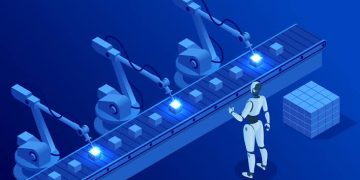
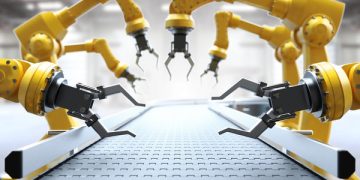
Hyper-automation is poised to become a standard practice for enterprises in 2026. By combining AI, robotic process automation (RPA), and process intelligence tools, businesses can achieve end-to-end automation across multiple functions. Key highlights include:
- Intelligent Workflow Orchestration: AI will dynamically prioritize tasks, allocate resources, and identify bottlenecks in real time. This ensures operational efficiency and faster decision-making.
- Predictive Process Optimization: Machine learning models will analyze historical performance data to predict delays, inefficiencies, and resource shortages before they impact operations.
- Integration Across Legacy Systems: Enterprises with older IT infrastructure will increasingly adopt AI-driven middleware to bridge legacy systems with modern cloud platforms, enabling seamless automation.
The impact of hyper-automation is profound: companies that leverage AI to optimize workflows are expected to reduce operational costs by up to 30–40% while increasing agility and employee satisfaction.
3. AI-Powered Decision Intelligence
Decision intelligence, the application of AI to enhance managerial decision-making, will gain momentum in 2026. Enterprises will rely on AI to combine predictive analytics, scenario modeling, and prescriptive insights.
- Data-Driven Strategic Planning: AI will simulate multiple business scenarios, evaluating outcomes for supply chain management, product launches, and market expansion. This allows executives to make informed choices rapidly.
- Real-Time Risk Assessment: AI systems will continuously monitor financial, operational, and cybersecurity risks, enabling proactive mitigation.
- Personalized Business Insights: Through AI-driven dashboards, managers will receive actionable insights tailored to their role, improving response times and decision quality.
Experts suggest that organizations that successfully implement decision intelligence will gain a competitive advantage by reducing guesswork, accelerating innovation cycles, and making more resilient business decisions.
4. Cloud-Native AI Platforms and Enterprise Software Evolution
The adoption of cloud-native architectures is accelerating, driven by AI’s increasing computational demands. In 2026, enterprise software will evolve to be more modular, AI-integrated, and cloud-centric.
- AI-First SaaS Applications: Enterprise software providers will embed AI capabilities directly into their platforms, enabling automation, predictive analytics, and intelligent recommendations as default features.
- Serverless and Edge Computing Integration: Organizations will leverage serverless architectures and edge AI to reduce latency, lower infrastructure costs, and support real-time analytics for IoT and manufacturing applications.
- Composable Enterprise Platforms: Businesses will move toward composable software stacks, where AI modules, data analytics tools, and automation engines can be combined flexibly to meet specific operational needs.
These trends signal a shift from monolithic enterprise systems to agile, AI-embedded, cloud-first solutions that scale with organizational growth.
5. Data Governance, Privacy, and Responsible AI
With AI’s growing influence on enterprise decision-making, robust data governance and responsible AI practices are non-negotiable in 2026. Experts highlight several critical considerations:
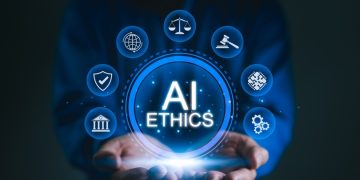
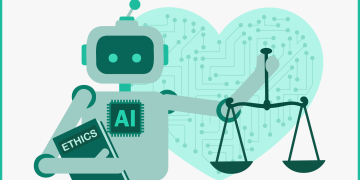
- Ethical AI Deployment: Organizations must implement frameworks to prevent bias, ensure transparency, and protect users’ rights. Explainable AI will be central to building trust.
- Data Privacy Compliance: As AI relies on vast datasets, enterprises must adhere to increasingly strict data privacy regulations globally, including GDPR-like laws in new jurisdictions.
- Data Quality and Lineage: High-quality data is the foundation of AI effectiveness. Enterprises will invest in data cleaning, lineage tracking, and real-time validation to maintain reliability.
Enterprises that fail to prioritize responsible AI risk reputational damage, legal challenges, and operational disruptions.
6. Cybersecurity and AI-Driven Threat Mitigation
Cybersecurity remains a top priority as AI technologies introduce both opportunities and risks. By 2026, AI-driven cybersecurity will be a standard enterprise practice:
- Automated Threat Detection: AI will monitor network traffic, detect anomalies, and identify potential attacks faster than human teams can respond.
- Predictive Threat Intelligence: Machine learning models will analyze patterns from global threat data to anticipate attacks and recommend proactive defenses.
- Secure AI Development: Organizations will integrate security into AI model development, ensuring that AI itself is not vulnerable to manipulation or adversarial attacks.
Experts warn that as AI capabilities grow, so will AI-powered cyber threats, making a proactive and adaptive cybersecurity strategy essential for enterprise survival.
7. The Human-AI Collaboration Paradigm
The most successful enterprises in 2026 will not aim to replace humans with AI but to enhance human capabilities through collaboration:
- Augmented Workforce: Employees will leverage AI for decision support, creative tasks, and skill augmentation, focusing on higher-value work rather than repetitive tasks.
- AI Literacy and Training: Organizations will prioritize AI literacy programs to ensure employees understand how to interact with AI safely and effectively.
- Change Management and Culture: Successful AI adoption requires cultural alignment, with leadership driving trust, accountability, and experimentation in AI-powered workflows.
This human-centric approach ensures that AI acts as a multiplier for productivity, creativity, and innovation rather than a source of disruption or fear.
8. Emerging Technology Convergence
By 2026, AI will increasingly intersect with other advanced technologies, creating new enterprise possibilities:
- AI and IoT Integration: Smart factories, connected logistics networks, and predictive maintenance systems will rely on AI to analyze IoT sensor data in real time.
- AI and Blockchain: AI-driven analytics will enhance blockchain solutions for supply chain transparency, fraud detection, and secure contract execution.
- Quantum Computing Synergy: Though still nascent, quantum computing paired with AI will unlock optimization and simulation capabilities that were previously unattainable, particularly in finance, pharmaceuticals, and energy sectors.
This convergence represents a shift toward fully integrated, technology-driven enterprises where AI orchestrates complex interactions between multiple systems.
9. Sustainability and AI-Driven Green Technology
Sustainability will be a major driver of AI adoption in 2026. Enterprises will harness AI to reduce environmental impact and optimize resource usage:
- Energy-Efficient AI Operations: Cloud providers and AI platforms will increasingly optimize computational efficiency to reduce energy consumption.
- Predictive Environmental Monitoring: AI models will forecast emissions, resource depletion, and environmental risk, enabling proactive sustainability measures.
- Supply Chain Optimization: AI-driven logistics planning will reduce waste, lower carbon footprints, and improve materials management.
Sustainable AI practices will not only meet regulatory and ethical requirements but also generate economic value by reducing costs and supporting brand reputation.
10. Strategic Recommendations for Enterprises
Experts offer several actionable strategies for organizations aiming to thrive in 2026:
- Invest in Scalable AI Infrastructure: Build cloud-native, modular systems capable of integrating emerging AI technologies.
- Prioritize Ethical AI and Governance: Develop frameworks for responsible AI deployment and continuous monitoring.
- Upskill the Workforce: Ensure employees can collaborate effectively with AI through training and education programs.
- Adopt Hyper-Automation Thoughtfully: Identify high-impact processes and integrate AI-driven automation without compromising flexibility.
- Monitor AI-Driven Security Risks: Combine proactive threat detection, employee training, and model protection strategies.
- Leverage Technology Convergence: Explore how AI can synergize with IoT, blockchain, and quantum computing to create competitive advantages.
- Focus on Sustainability: Integrate AI into environmental strategies to enhance efficiency, compliance, and corporate responsibility.
Conclusion
The year 2026 marks a significant inflection point for AI in enterprise technology. From generative AI and hyper-automation to cloud-native platforms, decision intelligence, and AI-driven cybersecurity, the potential for transformation is immense. However, the key to success lies in adopting a human-centric, ethically responsible, and strategically aligned approach to AI integration. Enterprises that embrace AI not merely as a tool but as a core enabler of innovation, operational excellence, and sustainability will shape the competitive landscape for the decade ahead.
By balancing technological ambition with governance, culture, and strategic foresight, organizations can harness AI to unlock new value, drive growth, and navigate the complexities of a rapidly evolving digital world.