























Introduction
The power of artificial intelligence (AI) has been steadily reshaping the way we interact with technology, offering new levels of automation, personalization, and efficiency. Traditionally, AI systems focused on a single modality of data—either image, speech, or text. However, recent advancements in AI have enabled the development of multimodal systems, which combine image and speech data to provide richer, more accurate, and contextually aware services. By simultaneously processing visual and auditory information, these AI systems can understand and interpret user inputs in a more human-like manner, improving the quality of service across a variety of industries.
From enhancing healthcare diagnoses through medical imaging and voice recognition to improving customer service with interactive chatbots that can “see” and “hear,” AI is pushing the boundaries of what machines can do. The ability to analyze both images and speech data opens up new possibilities for more intuitive, personalized, and efficient solutions, offering better user experiences and more precise outcomes. This article explores how AI is integrating image and speech analysis, the technologies behind it, and the diverse applications in fields such as healthcare, customer service, security, and more.
1. The Science Behind Multimodal AI: Combining Image and Speech Data
1.1 What is Multimodal AI?
Multimodal AI refers to the ability of a system to process and interpret data from multiple input sources—such as images, speech, text, or even sensory data—simultaneously. This contrasts with traditional AI models, which typically focus on processing one type of data at a time (e.g., image classification or speech-to-text).
By integrating image and speech data, multimodal AI systems can provide a more holistic understanding of context, intent, and meaning. For instance, in a customer service scenario, AI can analyze both the customer’s facial expressions (via image data) and their tone of voice (via speech data) to gain a deeper understanding of their emotional state and needs. This fusion of sensory inputs allows AI to generate more accurate responses, improving both user satisfaction and engagement.
1.2 The Technologies Behind Multimodal AI
To enable AI to analyze both images and speech data, several key technologies come into play, including:
- Computer Vision: Computer vision algorithms enable AI to interpret visual data from images and videos. This technology can identify objects, recognize faces, and even interpret emotions based on facial expressions. It has been widely applied in areas such as image classification, object detection, facial recognition, and more.
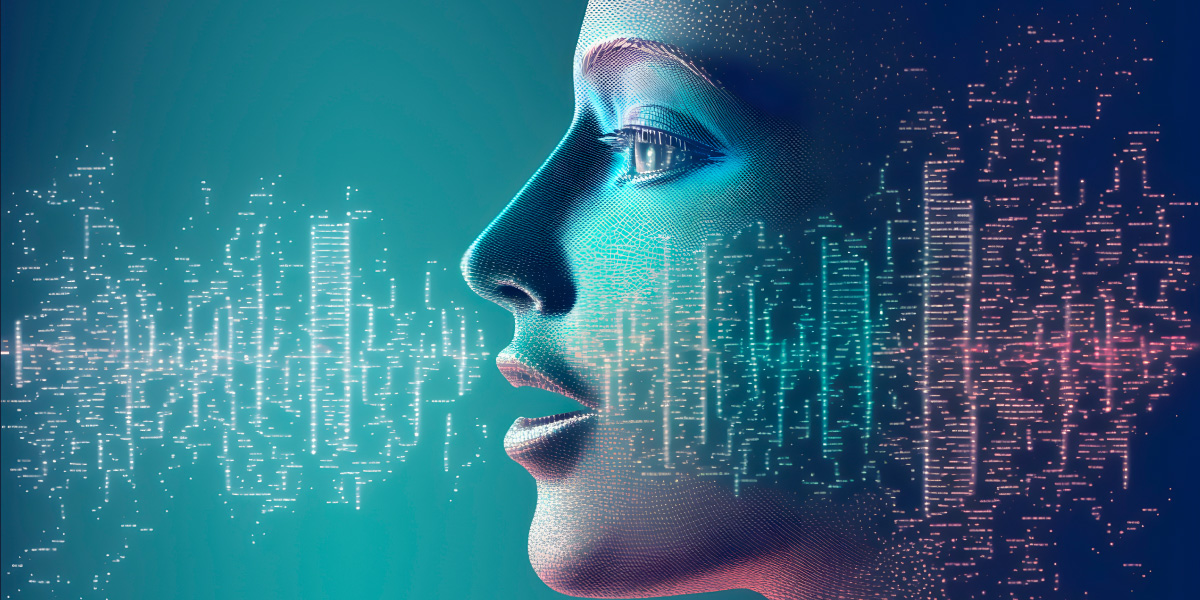
- Speech Recognition: Speech recognition, or automatic speech recognition (ASR), allows AI to convert spoken language into written text. Advanced ASR systems also analyze features such as tone, pitch, and rhythm to detect emotions or intent in speech, which enhances their ability to understand context.
- Natural Language Processing (NLP): NLP is used to process and understand written or spoken language, allowing AI systems to comprehend the meaning behind words, phrases, and sentences. NLP, combined with speech recognition, enables AI to handle conversational inputs effectively.
- Deep Learning and Neural Networks: Deep learning algorithms, particularly convolutional neural networks (CNNs) for image processing and recurrent neural networks (RNNs) for speech recognition, are fundamental to multimodal AI systems. These networks enable the AI to learn from large datasets and improve its accuracy over time.
1.3 Data Fusion: Combining Image and Speech for Enhanced Accuracy
One of the core challenges of multimodal AI is combining data from different modalities in a way that enhances the system’s overall accuracy. This process, known as data fusion, involves synchronizing and integrating data from multiple sources to form a coherent understanding.
- Feature-Level Fusion: In this approach, the features extracted from image and speech data are combined at the feature extraction level. For instance, the system might extract visual features (like the presence of an object) and auditory features (such as speech tone) and then combine them to form a more comprehensive understanding of a given situation.
- Decision-Level Fusion: In decision-level fusion, separate AI models process the image and speech data independently, and the system combines their outputs to make a final decision. This approach allows for more flexibility, as it can apply different models optimized for each modality.
By fusing data from multiple sources, multimodal AI systems can process information in a way that is closer to how humans perceive the world—taking into account both visual and auditory cues to make more accurate, nuanced decisions.
2. Applications of Multimodal AI: Enhancing Accuracy and Personalization
The ability to analyze both images and speech data opens up new possibilities for AI applications across various industries. Below, we explore several areas where multimodal AI is having a significant impact.
2.1 Healthcare: Improving Diagnostics and Patient Care
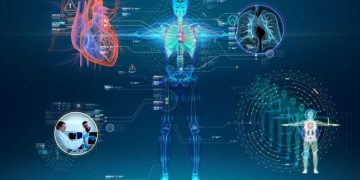
In healthcare, the combination of image and speech data is revolutionizing how medical professionals diagnose conditions and interact with patients. By leveraging both medical imaging (such as X-rays, MRIs, and CT scans) and speech recognition (to understand patient histories or symptoms), AI systems can offer more accurate diagnoses and treatment recommendations.
- Medical Imaging and Speech Recognition: AI systems can analyze medical images and interpret them alongside spoken or written patient data. For example, an AI-powered diagnostic tool could analyze a radiologist’s report (written speech) alongside X-ray images (visual data) to identify early signs of diseases such as cancer or fractures with greater precision.
- Speech-to-Text for Medical Records: AI-driven speech-to-text systems allow doctors to dictate notes during patient consultations, converting spoken language into structured text for electronic health records (EHR). Combined with image data (such as patient scans or lab results), this can result in more comprehensive and accurate medical records that improve patient care.
- Patient Monitoring and Emotion Recognition: AI can also monitor patients’ emotional states through speech analysis (e.g., detecting signs of anxiety or depression through voice tone) and combine this with visual data (e.g., facial expressions, body posture). This integrated approach allows healthcare providers to offer more personalized care by tailoring treatments to the emotional and psychological state of patients.
2.2 Customer Service: Enhancing User Experience and Engagement
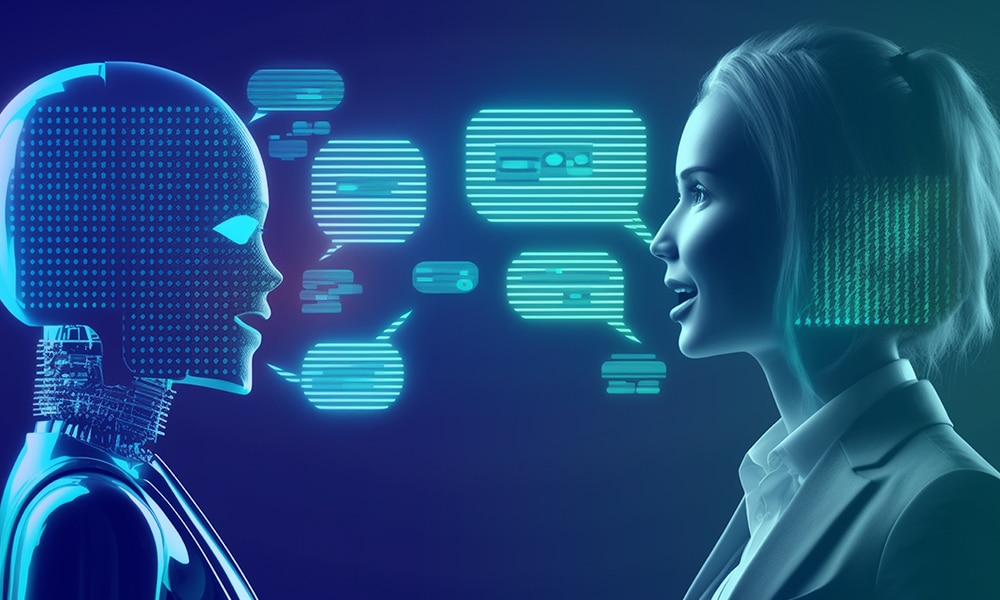
Multimodal AI is also transforming customer service, particularly in chatbots and virtual assistants. By combining speech recognition and computer vision, AI can offer a more interactive and engaging user experience, responding to both what customers say and how they behave.
- Virtual Assistants: Modern virtual assistants like Amazon Alexa, Google Assistant, and Apple Siri are integrating image recognition alongside speech processing to offer more context-aware responses. For example, a virtual assistant might use a camera to identify objects in a room and offer relevant suggestions based on verbal commands (e.g., “Turn on the light,” “Find my phone”).
- Emotion Detection in Customer Interactions: AI systems can analyze both voice tone and facial expressions to gauge customer emotions. For example, a call center chatbot might detect frustration in a customer’s voice (via speech analysis) and recognize a stressed facial expression (via image analysis), prompting it to escalate the conversation to a human agent. This ensures that customer interactions are handled more effectively and empathetically.
- Video-Based Support: Video calls for customer service are becoming more common, and AI systems can analyze both the customer’s facial expressions (image data) and speech to assess their mood and satisfaction. This allows for more proactive engagement, where AI can suggest solutions based on emotional cues.
2.3 Security: Improving Surveillance and Threat Detection
AI-powered surveillance systems are increasingly using multimodal data to improve security measures. By analyzing both video feeds and audio data simultaneously, these systems can enhance threat detection and provide more accurate security responses.
- Facial Recognition and Voice Authentication: Security systems can use facial recognition to identify individuals and combine this with voice authentication to verify identity. This multimodal approach is particularly useful in high-security areas where both visual and auditory verification are required.
- Suspicious Behavior Detection: AI can analyze video footage for suspicious behaviors (e.g., aggressive gestures, unauthorized entry) and combine this with audio analysis (e.g., detecting raised voices or shouting) to assess potential threats. This integrated approach improves the accuracy of security systems in real-time, helping to prevent incidents before they escalate.
2.4 Retail: Personalizing Shopping Experiences
In the retail industry, multimodal AI is improving how businesses understand and interact with customers, creating more personalized shopping experiences. By combining speech and image data, retailers can better understand customer preferences and tailor product recommendations accordingly.
- Virtual Shopping Assistants: AI-powered shopping assistants can recognize the products customers are browsing (image data) and respond to their questions about those products using natural language (speech recognition). This allows customers to receive personalized advice and recommendations, improving the overall shopping experience.
- In-Store Experiences: In physical stores, AI systems can analyze both customer speech (e.g., asking about product features) and facial expressions (e.g., reacting to prices or product placements) to gauge interest and satisfaction. Retailers can then use this information to adjust displays, product availability, or promotions in real time.
3. Challenges and Future of Multimodal AI
While multimodal AI has made tremendous strides in recent years, there are still several challenges that need to be addressed:
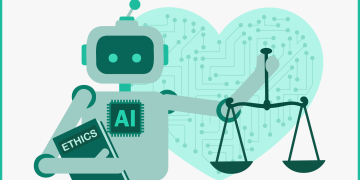
3.1 Data Privacy and Ethical Concerns
As AI systems begin to analyze more personal data—such as voice recordings, facial expressions, and behavioral patterns—concerns about privacy and data security are growing. Organizations must ensure that they comply with data protection regulations (e.g., GDPR, CCPA) and implement safeguards to protect user data.
3.2 Integration and Data Fusion Complexity
Integrating multiple data sources (images and speech) in a way that maximizes the benefits of both can be technically challenging. Achieving seamless data fusion requires sophisticated algorithms and large-scale datasets to train the AI models effectively. As AI continues to evolve, addressing these technical complexities will be key to enabling broader adoption.
3.3 User Acceptance and Trust
For AI systems to be widely adopted, users must trust that the technology will act in their best interest. Building trust will require transparency in how data is processed, ensuring the ethical use of AI, and providing clear explanations of AI decision-making processes.
4. Conclusion
AI’s ability to analyze both image and speech data simultaneously opens up new possibilities for improving service accuracy, personalization, and user satisfaction. By combining visual and auditory information, multimodal AI systems are enhancing industries like healthcare, customer service, retail, and security, offering smarter, more efficient solutions. While challenges around privacy, integration, and user trust remain, the future of multimodal AI holds great promise in reshaping the way we interact with technology, making it more intuitive, context-aware, and responsive to our needs. As these technologies continue to evolve, we can expect even greater innovations that will improve our daily lives and revolutionize entire industries.