
























AIInsiderUpdates
  • Home
  • AI News
    AI Models in Medicine: Accelerating Medical Research and Clinical Applications

    AI Models in Medicine: Accelerating Medical Research and Clinical Applications

    As Artificial Intelligence Rapidly Develops, AI Ethics and Regulatory Issues Become a Global Focus

    As Artificial Intelligence Rapidly Develops, AI Ethics and Regulatory Issues Become a Global Focus

    The Growing Role of Artificial Intelligence in Healthcare: Disease Diagnosis, Drug Development, and Personalized Medicine

    The Growing Role of Artificial Intelligence in Healthcare: Disease Diagnosis, Drug Development, and Personalized Medicine

    Addressing AI Bias, Data Privacy, and Social Inequality: Global Conversations on the Future of Artificial Intelligence

    Addressing AI Bias, Data Privacy, and Social Inequality: Global Conversations on the Future of Artificial Intelligence

    The European Union and Other Regions Advancing the Artificial Intelligence Act (AI Act)

    The European Union and Other Regions Advancing the Artificial Intelligence Act (AI Act)

    Governments and International Organizations Efforts to Develop Policies for Ethical and Safe Use of AI

    Governments and International Organizations Efforts to Develop Policies for Ethical and Safe Use of AI

  • Technology Trends
    Self-Supervised Learning: The Next Big Breakthrough in Deep Learning

    Self-Supervised Learning: The Next Big Breakthrough in Deep Learning

    Multimodal Learning: The Future of AI and Deep Learning

    Multimodal Learning: The Future of AI and Deep Learning

    Reducing Dependency on Manually Labeled Data: A Game Changer for Training AI Models

    Reducing Dependency on Manually Labeled Data: A Game Changer for Training AI Models

    Enhancing AI Understanding Through Self-Supervised Learning: Unlocking the Power of Raw Data Representations

    Enhancing AI Understanding Through Self-Supervised Learning: Unlocking the Power of Raw Data Representations

    Self-Supervised Learning: A Cutting-Edge Trend in the Field of Machine Learning

    Self-Supervised Learning: A Cutting-Edge Trend in the Field of Machine Learning

    Artificial Intelligence (AI) Has Made Leapfrog Advancements in Recent Years

    Artificial Intelligence (AI) Has Made Leapfrog Advancements in Recent Years

  • Interviews & Opinions
    Human-AI Collaboration: Fei-Fei Li’s Vision of Enhancing Productivity and Creativity Together, Not Simply “Replacing” Humans

    Human-AI Collaboration: Fei-Fei Li’s Vision of Enhancing Productivity and Creativity Together, Not Simply “Replacing” Humans

    AI Algorithm Bias and Injustice: One of the Biggest Challenges Today

    AI Algorithm Bias and Injustice: One of the Biggest Challenges Today

    Ensuring Fairness, Transparency, and Compliance in AI Systems: A Global Imperative

    Ensuring Fairness, Transparency, and Compliance in AI Systems: A Global Imperative

    The Proliferation of AI: Preparing Education Systems for the Workforce of Tomorrow

    The Proliferation of AI: Preparing Education Systems for the Workforce of Tomorrow

    AI May Replace Some Jobs, But It Will Also Create New Career Opportunities

    AI May Replace Some Jobs, But It Will Also Create New Career Opportunities

    Unemployment and Transformation: The Future of Work in an Evolving World

    Unemployment and Transformation: The Future of Work in an Evolving World

  • Case Studies
    Using AI to Analyze Client Risk Preferences for Personalized Asset Allocation

    Using AI to Analyze Client Risk Preferences for Personalized Asset Allocation

    Personalized Medicine: The Future of Healthcare

    Personalized Medicine: The Future of Healthcare

    Risk Management and Fraud Detection: Harnessing Technology for Secure Financial Systems

    Risk Management and Fraud Detection: Harnessing Technology for Secure Financial Systems

    Artificial Intelligence in Finance: Risk Control, Investment Analysis, and Customer Service as Classic Case Studies

    Artificial Intelligence in Finance: Risk Control, Investment Analysis, and Customer Service as Classic Case Studies

    Pandemic Prediction and Management: Harnessing Technology for Global Health

    Pandemic Prediction and Management: Harnessing Technology for Global Health

    Utilizing AI to Analyze Patient Genetic Data and Medical History for Personalized Cancer Treatment Plans

    Utilizing AI to Analyze Patient Genetic Data and Medical History for Personalized Cancer Treatment Plans

  • Tools & Resources
    The Widespread Adoption of Open Source AI Tools and Frameworks Globally, and Their Role as a Preferred Resource for AI Researchers and Developers

    The Widespread Adoption of Open Source AI Tools and Frameworks Globally, and Their Role as a Preferred Resource for AI Researchers and Developers

    The Integration of AI and Cloud Computing: A New Era in Technological Advancements

    The Integration of AI and Cloud Computing: A New Era in Technological Advancements

    AWS Offers a Comprehensive Suite of AI Tools and Services

    AWS Offers a Comprehensive Suite of AI Tools and Services

    TensorFlow: Widely Used for Its Powerful Community Support and Extensive Features

    TensorFlow: Widely Used for Its Powerful Community Support and Extensive Features

    Open Source Projects Empower Developers to Collaborate, Customize, and Enhance Technology, Boosting Innovation Efficiency

    Open Source Projects Empower Developers to Collaborate, Customize, and Enhance Technology, Boosting Innovation Efficiency

    Developers and Enterprises: The Growing Importance of Selecting the Right Tools and Platforms to Drive Innovation and Improve Efficiency

    Developers and Enterprises: The Growing Importance of Selecting the Right Tools and Platforms to Drive Innovation and Improve Efficiency

AIInsiderUpdates
  • Home
  • AI News
    AI Models in Medicine: Accelerating Medical Research and Clinical Applications

    AI Models in Medicine: Accelerating Medical Research and Clinical Applications

    As Artificial Intelligence Rapidly Develops, AI Ethics and Regulatory Issues Become a Global Focus

    As Artificial Intelligence Rapidly Develops, AI Ethics and Regulatory Issues Become a Global Focus

    The Growing Role of Artificial Intelligence in Healthcare: Disease Diagnosis, Drug Development, and Personalized Medicine

    The Growing Role of Artificial Intelligence in Healthcare: Disease Diagnosis, Drug Development, and Personalized Medicine

    Addressing AI Bias, Data Privacy, and Social Inequality: Global Conversations on the Future of Artificial Intelligence

    Addressing AI Bias, Data Privacy, and Social Inequality: Global Conversations on the Future of Artificial Intelligence

    The European Union and Other Regions Advancing the Artificial Intelligence Act (AI Act)

    The European Union and Other Regions Advancing the Artificial Intelligence Act (AI Act)

    Governments and International Organizations Efforts to Develop Policies for Ethical and Safe Use of AI

    Governments and International Organizations Efforts to Develop Policies for Ethical and Safe Use of AI

  • Technology Trends
    Self-Supervised Learning: The Next Big Breakthrough in Deep Learning

    Self-Supervised Learning: The Next Big Breakthrough in Deep Learning

    Multimodal Learning: The Future of AI and Deep Learning

    Multimodal Learning: The Future of AI and Deep Learning

    Reducing Dependency on Manually Labeled Data: A Game Changer for Training AI Models

    Reducing Dependency on Manually Labeled Data: A Game Changer for Training AI Models

    Enhancing AI Understanding Through Self-Supervised Learning: Unlocking the Power of Raw Data Representations

    Enhancing AI Understanding Through Self-Supervised Learning: Unlocking the Power of Raw Data Representations

    Self-Supervised Learning: A Cutting-Edge Trend in the Field of Machine Learning

    Self-Supervised Learning: A Cutting-Edge Trend in the Field of Machine Learning

    Artificial Intelligence (AI) Has Made Leapfrog Advancements in Recent Years

    Artificial Intelligence (AI) Has Made Leapfrog Advancements in Recent Years

  • Interviews & Opinions
    Human-AI Collaboration: Fei-Fei Li’s Vision of Enhancing Productivity and Creativity Together, Not Simply “Replacing” Humans

    Human-AI Collaboration: Fei-Fei Li’s Vision of Enhancing Productivity and Creativity Together, Not Simply “Replacing” Humans

    AI Algorithm Bias and Injustice: One of the Biggest Challenges Today

    AI Algorithm Bias and Injustice: One of the Biggest Challenges Today

    Ensuring Fairness, Transparency, and Compliance in AI Systems: A Global Imperative

    Ensuring Fairness, Transparency, and Compliance in AI Systems: A Global Imperative

    The Proliferation of AI: Preparing Education Systems for the Workforce of Tomorrow

    The Proliferation of AI: Preparing Education Systems for the Workforce of Tomorrow

    AI May Replace Some Jobs, But It Will Also Create New Career Opportunities

    AI May Replace Some Jobs, But It Will Also Create New Career Opportunities

    Unemployment and Transformation: The Future of Work in an Evolving World

    Unemployment and Transformation: The Future of Work in an Evolving World

  • Case Studies
    Using AI to Analyze Client Risk Preferences for Personalized Asset Allocation

    Using AI to Analyze Client Risk Preferences for Personalized Asset Allocation

    Personalized Medicine: The Future of Healthcare

    Personalized Medicine: The Future of Healthcare

    Risk Management and Fraud Detection: Harnessing Technology for Secure Financial Systems

    Risk Management and Fraud Detection: Harnessing Technology for Secure Financial Systems

    Artificial Intelligence in Finance: Risk Control, Investment Analysis, and Customer Service as Classic Case Studies

    Artificial Intelligence in Finance: Risk Control, Investment Analysis, and Customer Service as Classic Case Studies

    Pandemic Prediction and Management: Harnessing Technology for Global Health

    Pandemic Prediction and Management: Harnessing Technology for Global Health

    Utilizing AI to Analyze Patient Genetic Data and Medical History for Personalized Cancer Treatment Plans

    Utilizing AI to Analyze Patient Genetic Data and Medical History for Personalized Cancer Treatment Plans

  • Tools & Resources
    The Widespread Adoption of Open Source AI Tools and Frameworks Globally, and Their Role as a Preferred Resource for AI Researchers and Developers

    The Widespread Adoption of Open Source AI Tools and Frameworks Globally, and Their Role as a Preferred Resource for AI Researchers and Developers

    The Integration of AI and Cloud Computing: A New Era in Technological Advancements

    The Integration of AI and Cloud Computing: A New Era in Technological Advancements

    AWS Offers a Comprehensive Suite of AI Tools and Services

    AWS Offers a Comprehensive Suite of AI Tools and Services

    TensorFlow: Widely Used for Its Powerful Community Support and Extensive Features

    TensorFlow: Widely Used for Its Powerful Community Support and Extensive Features

    Open Source Projects Empower Developers to Collaborate, Customize, and Enhance Technology, Boosting Innovation Efficiency

    Open Source Projects Empower Developers to Collaborate, Customize, and Enhance Technology, Boosting Innovation Efficiency

    Developers and Enterprises: The Growing Importance of Selecting the Right Tools and Platforms to Drive Innovation and Improve Efficiency

    Developers and Enterprises: The Growing Importance of Selecting the Right Tools and Platforms to Drive Innovation and Improve Efficiency

AIInsiderUpdates
No Result
View All Result

AI Models in Medicine: Accelerating Medical Research and Clinical Applications

December 5, 2025
AI Models in Medicine: Accelerating Medical Research and Clinical Applications

Introduction

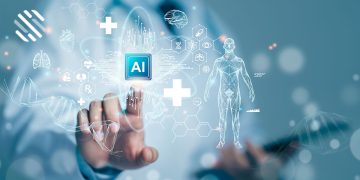
Artificial Intelligence (AI) has become a cornerstone in modern medicine, accelerating medical research and transforming clinical applications at an unprecedented rate. AI models, especially those driven by machine learning (ML) and deep learning (DL), have revolutionized the speed at which we process data, derive insights, and make critical healthcare decisions. The integration of AI in medical research and clinical practice has the potential to vastly improve patient outcomes, reduce human error, and provide personalized treatment strategies based on individual genetic profiles.

From accelerating drug discovery and genomic research to enhancing diagnostics and treatment optimization, AI is playing an increasingly critical role in reshaping healthcare delivery and medical science. In this article, we will explore how AI models are being trained, optimized, and applied in both medical research and clinical settings, and how this transformation is accelerating the pace of innovation in medicine.

What Are AI Models and How Are They Trained?

AI models, particularly those used in medicine, are algorithms that are designed to simulate human cognitive processes such as learning, reasoning, and problem-solving. These models are trained on vast datasets and optimized to perform specific tasks, such as diagnosing diseases, predicting patient outcomes, or identifying promising drug candidates.

The training of AI models involves feeding large amounts of data into the algorithm and allowing it to learn from this data to improve its performance over time. This process typically involves several stages:

1. Data Collection

The first step in training an AI model is gathering high-quality, relevant data. In healthcare, this data can come from a variety of sources, including:

  • Electronic Health Records (EHRs): These contain patient information, such as demographics, medical history, lab results, and treatment outcomes.
  • Medical Imaging: AI models are trained on images such as X-rays, MRIs, and CT scans to detect abnormalities like tumors or fractures.
  • Genomic Data: Data from DNA sequencing or gene expression profiles is used to study genetic predispositions and potential therapeutic targets.
  • Clinical Trial Data: Clinical trial results help AI models predict how new drugs might perform across different patient populations.

2. Preprocessing the Data

Data preprocessing is a crucial step before training the model. In the healthcare context, this often involves cleaning and transforming raw data into a format suitable for analysis. This may include:

  • Data Normalization: Standardizing values so they are on a similar scale.
  • Missing Data Handling: Dealing with incomplete records by either imputing missing data or discarding incomplete data points.
  • Feature Selection: Identifying which variables (features) are most relevant for the model’s task.

3. Model Training and Validation

Once the data is preprocessed, AI models are trained using machine learning techniques. During training, the model is presented with examples (such as medical records or images) and learns to recognize patterns. A key aspect of model training is ensuring that the model can generalize its learning to new, unseen data.

  • Supervised Learning: This method involves training the model on labeled data, where the correct outcome (such as a diagnosis) is provided for each input (such as a medical image).
  • Unsupervised Learning: The model is trained on unlabeled data, finding patterns or clusters without predefined categories.
  • Reinforcement Learning: The model learns through trial and error by receiving feedback from its actions, making it particularly useful in applications like personalized treatment plans.

The performance of the model is validated using a separate dataset that was not involved in training. This helps ensure that the model’s predictions are accurate and not just memorized from the training data.

4. Optimization and Tuning

After the model is trained, it often requires optimization to improve its accuracy and efficiency. This involves adjusting various hyperparameters (such as learning rates or the number of layers in a neural network) to fine-tune the model’s performance. Common techniques used in optimization include:

  • Cross-Validation: Dividing the dataset into multiple subsets to train and validate the model on different data points, helping to reduce overfitting.
  • Grid Search and Random Search: Systematically testing different combinations of hyperparameters to find the best configuration.

Once optimized, the AI model can be deployed for practical use in medical research and clinical applications.

Applications of AI Models in Medical Research

AI models have a profound impact on medical research, particularly in fields that generate large and complex datasets. By leveraging AI to analyze these datasets, researchers can accelerate the discovery of new treatments, identify biomarkers for diseases, and gain deeper insights into the underlying mechanisms of health conditions.

1. Drug Discovery and Development

Traditional drug discovery is a lengthy and costly process, often taking over a decade and billions of dollars to bring a new drug to market. AI is dramatically accelerating this timeline by automating several aspects of the process:

  • Identifying Drug Targets: AI models can analyze genomic, proteomic, and metabolic data to identify potential drug targets, helping researchers focus on the most promising candidates.
  • Screening Compounds: AI can rapidly screen large chemical libraries to identify molecules that may interact with a given target, reducing the need for time-consuming lab experiments.
  • Predicting Drug Efficacy and Safety: By analyzing historical data on drug interactions, side effects, and patient responses, AI models can predict how new drug candidates will perform in clinical trials, increasing the likelihood of success.

AI-powered platforms like Atomwise and BenevolentAI are already being used to streamline drug discovery, cutting down on time and costs and enabling more efficient development of therapies.

2. Genomic Medicine and Precision Medicine

AI is transforming the field of genomics by enabling the analysis of large-scale genomic datasets, which helps researchers identify genetic variations associated with diseases. In precision medicine, AI models analyze genetic, environmental, and lifestyle data to tailor treatments to individual patients.

  • Genomic Data Analysis: AI can identify genetic mutations or variations that are linked to diseases like cancer, heart disease, and neurological disorders. This helps researchers understand the genetic basis of diseases and develop targeted therapies.
  • Personalized Treatment: By analyzing genetic profiles, AI models can recommend the most effective treatment options for individual patients, improving outcomes and reducing the risk of adverse reactions.

Deep Genomics and Tempus are examples of companies using AI to analyze genomic data and identify novel therapies for various diseases.

3. Clinical Trial Optimization

AI is also improving the efficiency of clinical trials, where it can help identify suitable candidates, predict outcomes, and monitor patient safety. AI models can analyze patient data to identify individuals who meet the criteria for clinical trials, reducing recruitment time and ensuring that trials are representative of the target population.

  • Patient Recruitment: AI algorithms analyze electronic health records to match patients with appropriate clinical trials based on their medical history, genetic profile, and other relevant factors.
  • Trial Design: AI can predict which interventions are likely to be most effective, helping researchers design better trials and reduce the number of participants needed for statistical significance.
  • Monitoring and Adverse Event Detection: AI can continuously monitor patients in real-time, detecting adverse events or deviations from expected outcomes, enabling rapid interventions.

Applications of AI Models in Clinical Settings

Beyond research, AI is having a transformative impact on clinical practice. From diagnostics to treatment planning, AI models are enhancing the ability of healthcare professionals to deliver personalized, timely, and accurate care to patients.

1. Medical Imaging and Diagnostics

AI models, particularly deep learning algorithms, have revolutionized medical imaging by improving the accuracy and speed of image interpretation. AI is used to detect a wide range of conditions, from cancer to neurological disorders, by analyzing medical images such as X-rays, MRIs, and CT scans.

  • Early Detection: AI can help detect diseases at early stages, when they are most treatable. For example, AI algorithms can identify subtle abnormalities in radiology images that may be missed by human radiologists.
  • Triage and Prioritization: AI models can help prioritize cases based on the severity of findings, ensuring that patients who need urgent care are seen first.
  • Automated Image Analysis: AI systems can automatically annotate images, highlight areas of concern, and generate diagnostic reports, streamlining the workflow for radiologists.

Companies like Zebra Medical Vision and Aidoc are leading the way in using AI to enhance medical imaging and improve diagnostic accuracy.

2. Predictive Analytics in Patient Care

AI models can predict patient outcomes by analyzing data from a wide range of sources, including electronic health records, lab results, and medical history. These predictive models can help clinicians make more informed decisions about treatment plans, interventions, and resource allocation.

  • Risk Stratification: AI can help identify patients at high risk for developing certain conditions, such as heart disease or diabetes, based on their health data and lifestyle factors.
  • Personalized Treatment Plans: By analyzing a patient’s data, AI can recommend personalized treatment options, ensuring that patients receive the most appropriate therapies based on their individual characteristics.

3. Virtual Health Assistants and Chatbots

AI-driven virtual health assistants and chatbots are increasingly being used in clinical settings to interact with patients, answer questions, and monitor their health remotely. These AI systems can provide 24/7 support, improving patient engagement and reducing the burden on healthcare professionals.

  • Patient Monitoring: Virtual assistants can track patient symptoms, medication adherence, and vital signs, alerting healthcare providers if intervention is needed.
  • Telemedicine: AI-powered chatbots are also integral to the expansion of telemedicine, enabling patients to receive consultations and advice without needing to visit a healthcare facility.

Challenges and Future Directions

Despite the tremendous potential of AI in healthcare, there are several challenges that need to be addressed:

  • Data Privacy and Security: Protecting patient data is critical. AI models must comply with regulations such as HIPAA in the U.S. and the GDPR in Europe to ensure that sensitive health information is secure.
  • Bias and Fairness: AI models can be biased if they are trained on non-representative datasets, leading to disparities in healthcare delivery. Ensuring fairness and inclusivity in AI models is essential.
  • Regulatory Approval: The use of AI in healthcare requires rigorous validation and regulatory oversight to ensure safety and efficacy. Agencies like the FDA are working to establish guidelines for the approval of AI-powered medical devices and algorithms.

Looking ahead, the continued development of AI models in medicine promises to accelerate discoveries, enhance patient care, and improve overall healthcare outcomes. The integration of AI in medicine is not just a trend but a revolution that will reshape the future of healthcare.



Tags: AI modelsAI newsMedicine
ShareTweetShare

Related Posts

As Artificial Intelligence Rapidly Develops, AI Ethics and Regulatory Issues Become a Global Focus
AI News

As Artificial Intelligence Rapidly Develops, AI Ethics and Regulatory Issues Become a Global Focus

December 4, 2025
The Growing Role of Artificial Intelligence in Healthcare: Disease Diagnosis, Drug Development, and Personalized Medicine
AI News

The Growing Role of Artificial Intelligence in Healthcare: Disease Diagnosis, Drug Development, and Personalized Medicine

December 3, 2025
Addressing AI Bias, Data Privacy, and Social Inequality: Global Conversations on the Future of Artificial Intelligence
AI News

Addressing AI Bias, Data Privacy, and Social Inequality: Global Conversations on the Future of Artificial Intelligence

December 2, 2025
The European Union and Other Regions Advancing the Artificial Intelligence Act (AI Act)
AI News

The European Union and Other Regions Advancing the Artificial Intelligence Act (AI Act)

December 1, 2025
Governments and International Organizations Efforts to Develop Policies for Ethical and Safe Use of AI
AI News

Governments and International Organizations Efforts to Develop Policies for Ethical and Safe Use of AI

November 30, 2025
Advancing AI Ethics and Regulatory Frameworks: A Global Perspective
AI News

Advancing AI Ethics and Regulatory Frameworks: A Global Perspective

November 29, 2025
Leave Comment
  • Trending
  • Comments
  • Latest
How Artificial Intelligence is Achieving Revolutionary Breakthroughs in the Healthcare Industry: What Success Stories Teach Us

How Artificial Intelligence is Achieving Revolutionary Breakthroughs in the Healthcare Industry: What Success Stories Teach Us

July 26, 2025
AI in the Financial Sector: Which Innovative Strategies Are Driving Digital Transformation?

AI in the Financial Sector: Which Innovative Strategies Are Driving Digital Transformation?

July 26, 2025
From Beginner to Expert: Which AI Platforms Are Best for Beginners? Experts’ Take on Learning Curves and Practical Applications

From Beginner to Expert: Which AI Platforms Are Best for Beginners? Experts’ Take on Learning Curves and Practical Applications

July 23, 2025
How to Find Truly Useful AI Resources Among the Crowd? Experts Share How to Select Efficient and Innovative Tools!

How to Find Truly Useful AI Resources Among the Crowd? Experts Share How to Select Efficient and Innovative Tools!

July 23, 2025
How Artificial Intelligence Enhances Diagnostic Accuracy and Transforms Treatment Methods in Healthcare

How Artificial Intelligence Enhances Diagnostic Accuracy and Transforms Treatment Methods in Healthcare

How AI Enhances Customer Experience and Drives Sales Growth in Retail

How AI Enhances Customer Experience and Drives Sales Growth in Retail

How Artificial Intelligence Enables Precise Risk Assessment and Decision-Making

How Artificial Intelligence Enables Precise Risk Assessment and Decision-Making

How AI is Driving the Revolution in Smart Manufacturing and Production Efficiency

How AI is Driving the Revolution in Smart Manufacturing and Production Efficiency

The Widespread Adoption of Open Source AI Tools and Frameworks Globally, and Their Role as a Preferred Resource for AI Researchers and Developers

The Widespread Adoption of Open Source AI Tools and Frameworks Globally, and Their Role as a Preferred Resource for AI Researchers and Developers

December 5, 2025
Using AI to Analyze Client Risk Preferences for Personalized Asset Allocation

Using AI to Analyze Client Risk Preferences for Personalized Asset Allocation

December 5, 2025
Human-AI Collaboration: Fei-Fei Li’s Vision of Enhancing Productivity and Creativity Together, Not Simply “Replacing” Humans

Human-AI Collaboration: Fei-Fei Li’s Vision of Enhancing Productivity and Creativity Together, Not Simply “Replacing” Humans

December 5, 2025
Self-Supervised Learning: The Next Big Breakthrough in Deep Learning

Self-Supervised Learning: The Next Big Breakthrough in Deep Learning

December 5, 2025
AIInsiderUpdates

Our platform is dedicated to delivering comprehensive coverage of AI developments, featuring news, case studies, expert interviews, and valuable resources for professionals and enthusiasts alike.

© 2025 aiinsiderupdates.com. contacts:[email protected]

No Result
View All Result
  • Home
  • AI News
  • Technology Trends
  • Interviews & Opinions
  • Case Studies
  • Tools & Resources

© 2025 aiinsiderupdates.com. contacts:[email protected]

Welcome Back!

Login to your account below

Forgotten Password?

Retrieve your password

Please enter your username or email address to reset your password.

Log In